

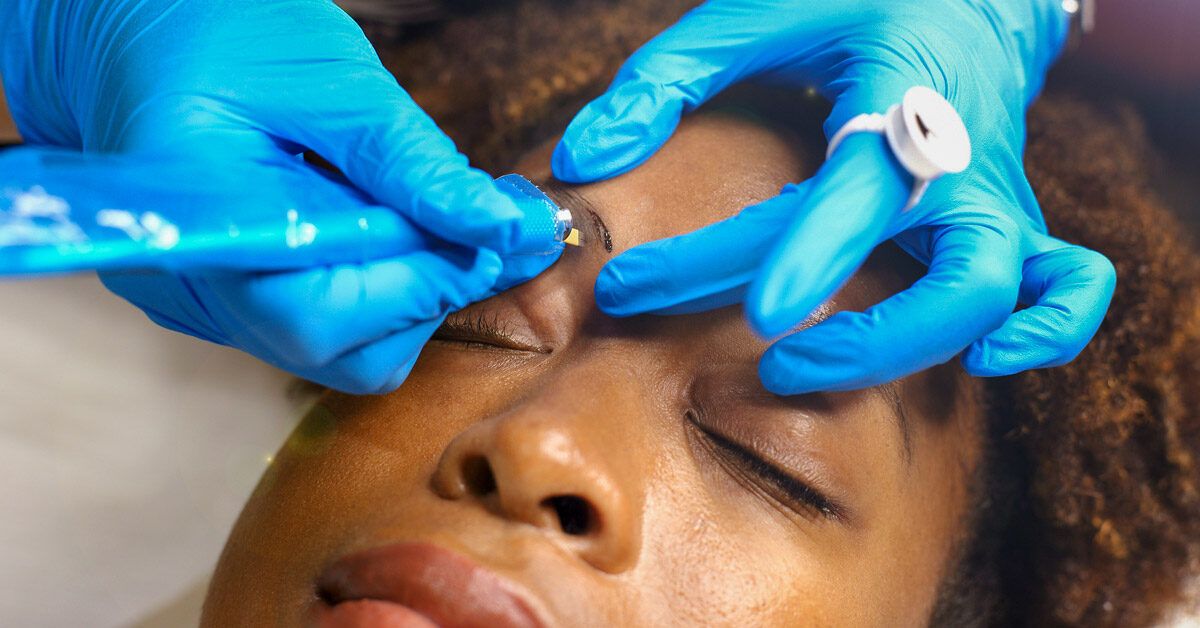
Microblading is one of those beauty treatments that sounds almost suspiciously convenient: wake up, look in the mirror, and your eyebrows are already acting like responsible adults. No pencil. No pomade. No “why does my left brow look surprised and my right brow look suspicious?” moment before coffee.
But before you book an appointment and emotionally retire your brow pencil, there is one big question to answer: how long does microblading last? The practical answer is that microblading usually lasts about 12 to 30 months, with many people enjoying their best results for around 18 to 24 months. However, the exact timeline depends on your skin type, lifestyle, aftercare, pigment choice, artist technique, sun exposure, skincare routine, and how faithfully you return for touch-ups.
Think of microblading as semi-permanent, not magic-permanent. It is a cosmetic tattoo technique that places pigment into the upper layers of the skin to create fine, hair-like strokes. Because the pigment is not placed as deeply as a traditional body tattoo, it fades gradually as your skin renews itself. That fading is normal, expected, and honestly part of the point: brow trends change, faces change, and nobody wants to be locked forever into the eyebrow shape they loved during one highly caffeinated Tuesday.
What Is Microblading?
Microblading is a semi-permanent eyebrow enhancement method that uses a handheld tool with tiny needles to create delicate strokes in the skin. Pigment is deposited into these shallow lines so the brows appear fuller, more defined, and more symmetrical. The final look is usually softer and more natural than old-school eyebrow tattooing, especially when done by a skilled artist who understands face shape, color theory, and restraint.
The goal is not to draw two dramatic punctuation marks over your eyes. Good microblading should blend with your natural brow hair, fill sparse areas, and make your morning routine easier. It is popular among people with over-plucked brows, naturally thin brows, uneven arches, hair loss, or anyone tired of performing tiny artwork on their forehead every morning.
So, How Long Does Microblading Last?
Most microblading results last between one and three years. A more realistic everyday estimate is 18 to 24 months before the brows noticeably fade and need a color refresh. Some people see fading sooner, especially if they have oily skin or spend a lot of time in the sun. Others keep visible pigment for closer to 30 months, especially with dry or normal skin and careful aftercare.
The first session is not usually the final result. Most artists schedule a follow-up appointment about 4 to 8 weeks after the initial procedure. This touch-up is important because the skin heals unevenly, some pigment may not hold, and the artist may need to adjust color, shape, or density. After that, maintenance touch-ups are commonly recommended every 12 to 24 months, depending on how fast your brows fade.
Typical Microblading Timeline
Days 1–3: Brows look bold, dark, and extra serious. This is normal. Do not panic-text your best friend with “I have made a terrible eyebrow decision.” The color usually softens significantly.
Days 4–10: Light scabbing, flaking, itching, and patchiness may appear. This is the awkward teenager phase of microblading. Do not pick, scratch, or peel the skin.
Weeks 2–4: The brows may look lighter than expected. Some people experience a “ghosting” phase where pigment seems to disappear before resurfacing as the skin settles.
Weeks 4–8: The first touch-up usually happens. The artist fills gaps, balances the shape, and reinforces pigment.
Months 3–12: Brows are usually at their most wearable and natural-looking stage. This is the sweet spot where you may forget where your brow pencil lives.
Months 12–24: Fading becomes more noticeable. Hair strokes may soften, blur, or lighten. A maintenance appointment can restore definition.
After 24 months: Some pigment may remain, but many people need a refresh if they want crisp, polished brows.
Why Microblading Fades
Microblading fades because your skin is alive and constantly renewing itself. Skin cells shed, pigment particles break down, and environmental factors such as sunlight speed up fading. Unlike a traditional tattoo, microblading is placed more superficially, which helps create fine, natural-looking strokes but also makes the results less permanent.
This is actually a benefit for many clients. Semi-permanent fading allows your brows to be updated as your face, hair color, makeup style, and brow trends evolve. The soft laminated brow you love today may not be your forever aesthetic, and microblading gives you room to adjust.
Main Factors That Affect How Long Microblading Lasts
1. Skin Type
Skin type is one of the biggest factors in microblading longevity. Dry and normal skin often hold crisp hair strokes longer because there is less oil pushing pigment outward. Oily skin tends to fade faster and may cause strokes to heal softer, blurrier, or more powdery. This does not mean oily skin cannot get beautiful brows, but it may mean a different technique, such as powder brows or combo brows, will last better.
2. Sun Exposure
Sunlight is not just coming for your beach towel; it is also coming for your brows. UV exposure can fade pigment faster and shift its color over time. Once your brows are fully healed, wearing sunscreen around the brow area and using hats during long outdoor days can help preserve the color.
3. Skincare Products
Active skincare ingredients can be wonderful for your face and rude to your microblading. Retinoids, exfoliating acids, chemical peels, brightening treatments, and strong acne products can speed up fading if used directly over the brow area. You do not necessarily need to give up your skincare routine, but you should keep powerful actives away from your brows unless your artist or dermatologist says otherwise.
4. Aftercare
Aftercare can make or break your healed result. During the early healing period, artists usually recommend avoiding heavy sweating, swimming, saunas, brow makeup, picking, scratching, and soaking the area. The exact instructions may vary by artist, but the principle is simple: let the skin heal quietly. Your brows are not asking for drama; they are asking for peace.
5. Artist Skill
A qualified microblading artist understands depth, pressure, symmetry, pigment selection, sanitation, and skin behavior. If strokes are placed too shallow, pigment may fade quickly. If placed too deep, the result can blur, scar, or look too harsh. A good artist also knows when microblading is not the best choice and may recommend powder brows, nano brows, or combo brows instead.
6. Lifestyle
Frequent swimming, intense workouts, hot yoga, tanning, oily skincare, and outdoor jobs can all shorten the life of microblading. That does not mean you need to become a delicate indoor houseplant. It simply means your brows may need maintenance sooner than someone with a lower-sweat, lower-sun routine.
7. Immune Response and Healing
Every body heals differently. Some people retain pigment beautifully, while others naturally push more pigment out during healing. Certain medications, health conditions, and skin sensitivities may also affect results. If you have a history of keloids, active skin disease around the brows, uncontrolled diabetes, immune suppression, or frequent infections, speak with a qualified healthcare professional before booking.
How Often Do You Need Microblading Touch-Ups?
Most clients need an initial touch-up about 4 to 8 weeks after the first appointment. This appointment is not a bonus luxury; it is part of the process. The first session builds the brow foundation, and the touch-up perfects it.
After the brows fully heal, many people schedule maintenance every 12 to 18 months. Some stretch it to two years, while others come in sooner. If your brows still look good but the color has softened, a light refresh may be enough. If most pigment has faded, your artist may treat it more like a new set.
How to Make Microblading Last Longer
To extend your results, follow your artist’s aftercare instructions carefully during healing. Avoid picking flakes, applying makeup too soon, or soaking the area. Once healed, protect your brows from sun exposure, avoid exfoliating directly over them, and be careful with retinol or acid-based skincare near the brow line.
It also helps to choose the right technique from the beginning. If you have very oily skin, large pores, or previous brow tattoos, classic microblading may not give the longest-lasting result. A powder brow, nano brow, or combo brow technique may age more gracefully. The best choice depends on your skin, natural hair, desired look, and how much maintenance you are willing to do.
Microblading vs. Powder Brows vs. Nano Brows
Microblading creates fine hair-like strokes with a manual tool. It is often best for people with dry to normal skin who want a natural, fluffy look. Powder brows use a shading technique to create a soft, filled-in effect similar to brow powder. They often last longer on oily skin and can look more polished. Nano brows use a machine and a fine needle to create hair-like strokes with less manual cutting, which may be gentler for some skin types.
If longevity is your main concern, do not choose a technique based only on photos. Ask the artist what will heal best on your skin. Fresh brows on Instagram are not the same thing as healed brows after 18 months. A strong portfolio should include healed results, not just immediately-after pictures where everyone looks like they have been blessed by the eyebrow gods.
Does Microblading Completely Disappear?
Sometimes microblading fades almost completely, but not always. Even though it is called semi-permanent, pigment may leave a soft shadow behind for years. Color can also shift as it fades, sometimes becoming warmer, cooler, grayish, or reddish depending on pigment formula, skin undertone, sun exposure, and previous work.
This is why choosing an experienced artist matters. A beautiful faded result is easier to refresh. A poorly placed or overly saturated brow may require correction, removal, or patience. Lots and lots of patience. Possibly snacks.
Is Microblading Safe?
Microblading is generally considered safe when performed by a trained, licensed, sanitary professional using sterile tools and high-quality pigments. However, it is still a form of cosmetic tattooing, which means it breaks the skin. Possible risks include infection, allergic reaction, scarring, poor pigment retention, color changes, dissatisfaction with shape, and irritation during healing.
Before booking, check whether your artist follows local licensing rules, uses disposable sterile blades, opens tools in front of you, provides clear aftercare, and has healed photos of real clients. Avoid bargain-basement brow deals that sound too good to be true. Eyebrows are on your face, which is famously difficult to hide under a sweater.
Who Should Avoid Microblading?
Microblading may not be suitable for everyone. You may need to avoid or postpone the procedure if you are pregnant or breastfeeding, currently using certain acne medications, prone to keloid scarring, undergoing chemotherapy, dealing with active eczema or psoriasis near the brows, taking blood thinners, or fighting an infection. People with certain chronic conditions should ask a healthcare provider before getting any cosmetic tattoo.
A responsible artist should ask about your medical history, medications, allergies, skin conditions, and previous permanent makeup. If they skip this step and go straight to “pick a brow shape,” consider that your cue to gracefully exit.
What Happens If You Do Not Like Your Microblading?
If you dislike your microblading immediately, contact your artist quickly for guidance. Do not scrub aggressively or try random internet removal hacks. Once healed, options may include color correction, saline removal, laser removal, or simply allowing the brows to fade. Removal can be expensive, uncomfortable, and slow, so prevention is much better than repair.
Before your appointment, study the artist’s healed work, ask questions, approve the mapped shape carefully, and do not feel pressured to go darker or bolder than you want. Microblading should enhance your face, not make your eyebrows introduce themselves before you do.
How Much Does Microblading Cost?
In the United States, microblading prices vary widely depending on location, artist experience, studio reputation, and whether the first touch-up is included. Many appointments fall somewhere between a few hundred dollars and over one thousand dollars. A higher price does not automatically guarantee better work, but extremely cheap pricing can be a warning sign if it comes with poor sanitation, limited training, or no healed portfolio.
When comparing prices, ask what is included. Some studios include the 6-week touch-up, while others charge separately. Also ask about future maintenance pricing. Brows are not just a one-time purchase; they are more like a subscription your face signed up for.
How to Choose a Microblading Artist
Look for an artist with proper licensing, bloodborne pathogen training, clean studio practices, strong reviews, and plenty of healed results. The word “healed” is important. Fresh microblading often looks sharper and darker than the final result. Healed photos show how the artist’s work actually ages in real skin.
During the consultation, ask about pigment brands, sanitation procedures, aftercare, correction policies, and whether your skin type is a good match for microblading. A trustworthy artist will be honest if another technique would serve you better. The best professionals are not just trying to sell brows; they are trying to create brows you will still like after the honeymoon phase.
Real-World Experiences: What People Notice After Microblading
Many people describe the first few days after microblading as emotionally confusing. On day one, the brows may look bold and dark, almost like they arrived wearing a tiny power suit. This can be startling, especially for someone used to barely-there brows. By the end of the first week, the color often softens, flakes appear, and the brows may look uneven. This is the stage when people are most tempted to panic, pick, or stare at themselves in every reflective surface. Resist all three if possible.
A common experience is the “too dark, too light, just right” cycle. At first, the brows look darker than expected. Then they flake and seem too light or patchy. Later, as the skin calms down, some color appears to return. This process can feel like your eyebrows are playing hide-and-seek without your consent. The 4-to-8-week touch-up is where many people finally feel everything comes together. Small gaps are filled, the tone is adjusted, and the shape becomes more balanced.
People with dry or normal skin often report sharper healed strokes and longer-lasting definition. They may only need annual or 18-month refreshes. People with oily skin frequently notice faster fading or softer strokes. Some still love their results, but they may switch to combo brows or powder brows for better longevity. This is not a failure; it is simply matching the technique to the canvas. Even the best paint behaves differently on silk than it does on cardboard.
Another real-life lesson is that aftercare is harder than it sounds. Avoiding sweat, steam, swimming, makeup, and skincare actives around the brows can be inconvenient. People who work out daily or live in hot climates may find the healing period annoying. Still, careful aftercare usually pays off. Those who pick flakes or return too quickly to heavy sweating often report patchier results.
Long-term, many people say microblading saves time and makes them feel more put together without makeup. It can be especially helpful for sparse tails, uneven arches, or brows thinned by years of tweezing. However, the happiest clients usually have realistic expectations. Microblading will not stop natural brow hairs from growing, replace every grooming habit, or look freshly done forever. It fades. It needs maintenance. It may require technique adjustments over time.
The best experience often comes from treating microblading as a beauty investment rather than an impulse appointment. Research the artist, understand your skin type, follow aftercare, attend the touch-up, and protect your brows from sun and harsh skincare. Do that, and your microblading can deliver months or even years of easier mornings. And honestly, anything that reduces pre-coffee eyebrow negotiations deserves a little applause.
Conclusion
So, how long does microblading last? For most people, microblading lasts 12 to 30 months, with the best-looking results often lasting around 18 to 24 months. Your exact timeline depends on skin type, aftercare, lifestyle, sun exposure, skincare habits, pigment retention, and the skill of your artist.
If you want longer-lasting brows, start with the right professional, follow aftercare carefully, protect your brows from UV rays, avoid exfoliating directly over the pigment, and schedule touch-ups before the color disappears completely. Microblading can be a fantastic solution for fuller, more defined brows, but it is not a set-it-and-forget-it procedure. It is semi-permanent beauty with a maintenance plan.
Note: This article is for educational beauty and skincare information only. Microblading involves breaking the skin, so always consult a licensed professional and speak with a healthcare provider if you have medical conditions, allergies, scarring concerns, or skin disease near the brows.