

Note: This article is written for web publishing and reflects typical U.S. rental pricing, common rental policies, and practical homeowner experience. Local rates can change by ZIP code, season, store availability, deposit rules, and machine size.
Renting a pressure washer is one of those home-improvement decisions that sounds simple until you are standing in the rental aisle, staring at PSI numbers like you accidentally walked into a physics exam. Do you need 1,500 PSI, 3,000 PSI, hot water, cold water, gas, electric, a surface cleaner, a wand extension, detergent, or just a firm pep talk for your driveway?
The quick answer: most homeowners spend about $50 to $250 per day to rent a pressure washer. Small electric pressure washers often cost around $40 to $50 per day, standard gas pressure washers usually land around $70 to $100 per day, and heavy-duty hot-water or commercial power washers can cost $100 to $250 or more per day. Four-hour rentals may start lower, while weekly rentals commonly range from about $180 to $660. Four-week rentals can run from $400 to $2,000, especially for professional-grade equipment.
In other words, renting a pressure washer can be cheaper than buying one, especially if your machine would otherwise spend 363 days a year in the garage pretending to be useful.
Average Pressure Washer Rental Cost in the U.S.
The national average cost to rent a pressure washer is usually around $90 per day. However, the final price depends on the machine type, rental length, your location, the rental company, and whether you add accessories such as a surface cleaner or extension wand.
| Rental Type | Typical Cost Range | Best For |
|---|---|---|
| Four-hour rental | $40-$175 | Small patios, outdoor furniture, quick cleanup jobs |
| One-day rental | $50-$250 | Driveways, decks, siding, fences, sidewalks |
| One-week rental | $180-$660 | Multiple projects, large properties, slow DIY schedules |
| Four-week rental | $400-$2,000 | Commercial jobs, renovation projects, property maintenance |
For a typical homeowner cleaning a driveway, patio, fence, or deck, a one-day gas pressure washer rental is often the sweet spot. It gives enough time to pick up the machine, figure out the hose connections, clean the surface, take a water break, and return the unit without sprinting through the job like a caffeinated raccoon.
Pressure Washer Rental Cost by Machine Type
Electric Pressure Washer Rental Cost
Electric pressure washers are usually the least expensive to rent, often around $40 to $50 per day. They are lighter, quieter, easier to start, and better suited for light-duty cleaning. If your project involves patio furniture, trash cans, vinyl fencing, a small walkway, shutters, or a lightly dirty deck, an electric model may be enough.
The downside is power. Electric units typically have lower PSI and GPM than gas models. PSI measures pressure, while GPM measures water flow. A high PSI number can loosen grime, but GPM helps wash that grime away. Think of PSI as the punch and GPM as the cleanup crew.
Gas Pressure Washer Rental Cost
Gas pressure washers usually cost around $70 to $100 per day for common residential models. These are the most popular rentals for driveways, sidewalks, concrete patios, decks, brick pavers, and siding. Many gas rental models fall between about 2,000 and 4,000 PSI, making them much stronger than light electric units.
A gas pressure washer is a good choice when the job involves mildew, old dirt, tire marks, muddy concrete, or a driveway that looks like it has been personally offended by every car that ever parked on it. However, gas units are louder, heavier, and must be used outdoors because of carbon monoxide risk.
Hot-Water Power Washer Rental Cost
Hot-water power washers cost more because they use heated water to cut through grease, oil, and heavy grime. These machines often rent for $100 to $250 or more per day. Some trailer-mounted or industrial units can cost several hundred dollars per day, especially from commercial equipment rental companies.
Most homeowners do not need a hot-water power washer for ordinary spring cleaning. But if you are cleaning oily concrete, restaurant pads, farm equipment, commercial vehicles, or industrial surfaces, hot water can make a huge difference. For a normal suburban driveway, cold water plus the right detergent and surface cleaner is usually enough.
Pressure Washer Rental Cost by Project
Different cleaning jobs require different pressure levels. Renting the biggest machine on the lot may feel satisfying, but it can also damage wood, siding, paint, mortar, or outdoor furniture. More power is not always better. Sometimes more power is just a faster way to create a second project.
| Project | Suggested Rental | Typical Rental Budget |
|---|---|---|
| Outdoor furniture | Electric or light-duty washer | $40-$60 |
| Small patio or walkway | Electric or medium-duty gas washer | $50-$100 |
| Driveway cleaning | Gas pressure washer plus surface cleaner | $90-$150 |
| Deck cleaning | Medium-duty washer with gentle nozzle | $70-$120 |
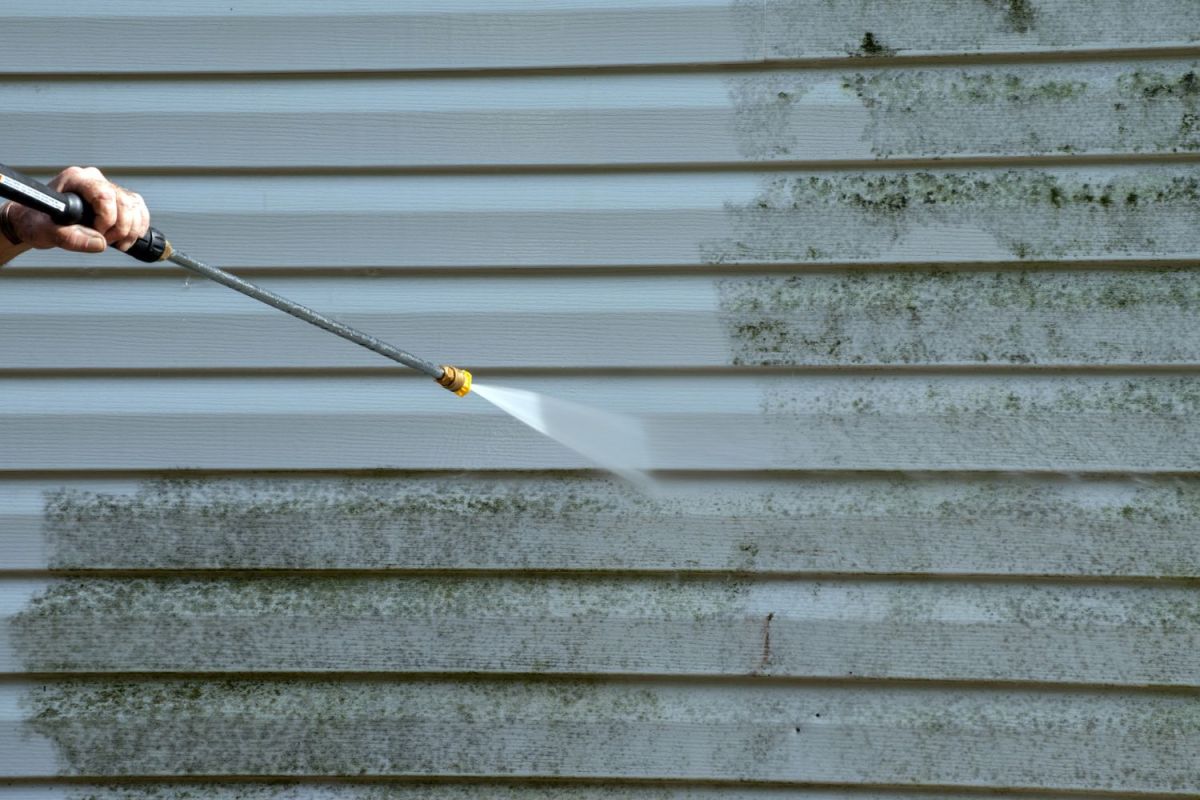
| House siding | Medium-duty washer or soft-wash setup | $80-$150 |
| Grease or oil-heavy concrete | Hot-water power washer | $150-$300+ |
What Affects the Cost to Rent a Pressure Washer?
1. PSI and GPM
The more powerful the machine, the more it usually costs. A light-duty electric pressure washer may be fine for patio chairs, but a stained concrete driveway usually needs a stronger gas unit. A commercial 4,000 PSI machine with high GPM will rent for more than a small residential electric washer because it cleans faster and handles tougher work.
2. Rental Duration
Many rental companies offer four-hour, daily, weekly, and four-week rates. A four-hour rental can save money if the job is small and you are prepared. That means the hose is ready, the driveway is cleared, the detergent is purchased, and nobody suddenly decides this is the perfect time to reorganize the garage.
For larger projects, a full-day rental is safer. Weekly rentals may be cheaper per day if you have multiple surfaces to clean or if weather could interrupt your schedule.
3. Accessories
Accessories can raise the total cost but often save time. A surface cleaner is one of the best add-ons for driveways, sidewalks, and large patios. It looks a bit like a floor buffer for concrete and helps prevent zebra stripes, which are those uneven cleaning lines that tell the neighborhood, “This was my first time.”
Other common add-ons include extension wands, extra hoses, turbo nozzles, detergent injectors, and cleaning solutions. Surface cleaners may add around $20 to $50 per day, while extension wands may add around $15 to $20 per day.
4. Deposits and Damage Protection
Some rental stores require a deposit, prepayment, or a credit card hold. Damage protection may be optional or included depending on the rental company. It is worth asking what happens if a hose bursts, a nozzle disappears into the lawn like a tiny brass submarine, or the machine refuses to start halfway through the job.
5. Fuel and Cleaning Fees
Gas pressure washers often need to be returned with a full tank. Some stores also require the equipment to be returned reasonably clean. If you bring back a machine covered in mud, detergent foam, and regret, you may face extra fees.
6. Local Availability
Pressure washer rental prices vary by region. Large metro areas, high-cost suburbs, and busy spring-cleaning seasons may have higher rates or limited availability. Weekend demand can be strong, especially when the weather finally becomes nice and every homeowner in town looks at their driveway and whispers, “It is time.”
Renting vs. Buying a Pressure Washer
Buying a pressure washer can make sense if you use it several times a year. Electric models may cost around $100 to $400, while gas models can cost several hundred dollars or more. Commercial-grade machines cost significantly more and also require maintenance, storage, oil changes, winterizing, pump care, hoses, nozzles, and patience.
Renting is usually smarter when you only need a pressure washer once or twice a year. You get access to a stronger machine without storing it, maintaining it, or explaining to your family why there is another large tool in the garage “for emergencies.”
When Should You Hire a Professional Instead?
DIY pressure washer rental is great for flat surfaces and manageable projects. But hiring a professional may be better for second-story siding, roofs, delicate materials, old brick, painted surfaces, stained wood, or anything near electrical components. Professionals know how to adjust pressure, choose detergents, and use soft-washing methods when high pressure would cause damage.
Hiring a pro costs more than renting, but it can prevent expensive mistakes. Blasting water under siding, carving lines into wood, stripping paint, or damaging mortar can turn a $90 rental into a very dramatic home-improvement documentary.
How to Save Money on a Pressure Washer Rental
Reserve Early
Pressure washers are popular on weekends, especially in spring and summer. Reserving ahead can help you get the right machine instead of whatever is left after everyone else has cleaned their patio.
Prep Before Pickup
Move cars, sweep debris, clear furniture, cover outlets, close windows, and connect your garden hose before you pick up the rental. The clock starts when the rental begins, not when you finally locate your hose gasket.
Choose the Right Size
Do not overpay for a commercial machine if a medium-duty gas washer will do the job. At the same time, do not rent a tiny electric unit for a large driveway unless you enjoy spending eight hours cleaning one square foot at a time.
Bundle Projects
Clean the driveway, walkway, patio, trash cans, fence, and outdoor furniture during the same rental period. A one-day rental becomes a better value when you tackle several surfaces.
Ask About Return Rules
Know the exact return time, fuel rule, deposit policy, cleaning requirement, and late fee. A late return can wipe out your savings faster than a turbo nozzle removes moss.
Safety Tips Before You Start
Pressure washers are powerful tools, not fancy garden hoses with attitude. The spray can injure skin, throw debris, damage surfaces, and create electrical hazards. Always read the rental instructions, wear eye protection, use closed-toe shoes, and keep children and pets away from the work area.
Never point the wand at yourself or another person. Never use a gas pressure washer indoors, in a garage, or near open windows because gasoline engines can produce carbon monoxide. Test a small hidden area before cleaning visible surfaces. Start with a wider nozzle and lower pressure, then increase carefully if needed.
Sample Rental Budgets
Budget Example 1: Small Patio Cleanup
You rent an electric pressure washer for one day at $50. You already own outdoor cleaner and do not need accessories. Your total before taxes may be about $50 to $65. This is a good setup for a small patio, outdoor chairs, or light mildew.
Budget Example 2: Driveway and Sidewalk
You rent a gas pressure washer for $90 and add a surface cleaner for $35. You buy detergent for $15 and spend a few dollars on fuel. Your total may land around $140 to $170. That may sound higher than the rental sticker price, but the surface cleaner can reduce cleaning time and improve results.
Budget Example 3: Heavy Grease or Commercial Cleaning
You rent a hot-water power washer for $250 per day and add hoses or specialty attachments. With fees, fuel, and detergent, the total may exceed $300. This is usually overkill for ordinary household cleaning but useful for oil, grease, and industrial grime.
Experience Notes: What Renting a Pressure Washer Is Really Like
The first real-world lesson is that the rental price is only part of the story. The machine may cost $90 for the day, but your time, preparation, accessories, and return schedule matter just as much. A pressure washer rental rewards people who plan ahead. It mildly punishes people who pick up the machine first and then begin moving patio furniture, hunting for the hose, reading the manual, and debating whether the green nozzle or yellow nozzle looks friendlier.
In practice, the best rental experience starts the day before. Walk the property and decide exactly what you want to clean. A driveway alone may take two to four hours depending on size, stains, water pressure, and whether you use a surface cleaner. A deck requires more caution because too much pressure can scar wood. Siding needs an even gentler approach, especially around windows, vents, seams, and electrical fixtures. The goal is to clean the house, not discover secret entry points for water.
Another common experience is underestimating how heavy gas pressure washers can be. Many rental units are built like small gym equipment with an engine attached. They often fit in an SUV, pickup, or rental truck, but loading and unloading can be awkward. Before renting, ask about weight, dimensions, and whether store associates can help load it. Also check whether the machine includes a 50-foot hose or if you need an extension hose. Fifty feet sounds generous until your water spigot is on the wrong side of the house, because homes enjoy comedy too.
Surface cleaners are usually worth the extra cost for flat concrete. Without one, many first-time users leave streaks across the driveway. These stripes happen because the wand overlaps unevenly. A surface cleaner spreads the pressure more consistently and often makes the finished result look more professional. If your main job is a driveway or sidewalk, budget for the attachment. It can turn a long, uneven job into a faster, cleaner one.
Detergent is another detail people forget. Water alone can remove dirt, but mildew, algae, oil, and old grime may need the right cleaner. Always use detergent approved for the machine and surface. Do not pour random household chemicals into the system. That is not cleaning; that is auditioning for a plumbing mystery.
The final lesson is to respect the return time. A four-hour rental can be a bargain, but only if the project is small and close to the store. Add pickup, loading, unloading, setup, cleaning, rinsing, refueling, and return travel, and four hours disappears quickly. For most homeowners, a one-day rental is less stressful and often more realistic. You may pay more upfront, but you gain breathing room, better results, and fewer frantic glances at the clock.
Overall, renting a pressure washer is worth it when you match the machine to the job, prepare the area before pickup, and avoid paying for power you do not need. The driveway gets brighter, the patio loses its swamp costume, and your home’s curb appeal gets a noticeable lift. Just remember: pressure washing is satisfying, but it is still a tool rental. Plan it like a project, not like a spontaneous Saturday adventure involving water, gasoline, and optimism.
Conclusion
So, how much does it cost to rent a pressure washer? For most U.S. homeowners, the realistic answer is $50 to $250 per day, with many common rentals averaging around $90 per day. Electric pressure washers are cheapest and best for light cleaning. Gas pressure washers cost more but handle driveways, decks, sidewalks, and tougher dirt. Hot-water power washers are the most expensive and are usually reserved for grease-heavy or commercial jobs.
The smartest way to keep costs under control is to choose the right machine, prep before pickup, rent for the correct amount of time, and ask about deposits, fuel, accessories, late fees, and cleaning rules. Renting can be a great value when you only need a pressure washer occasionally. It gives you professional cleaning muscle without the long-term cost, storage, and maintenance of ownership.