

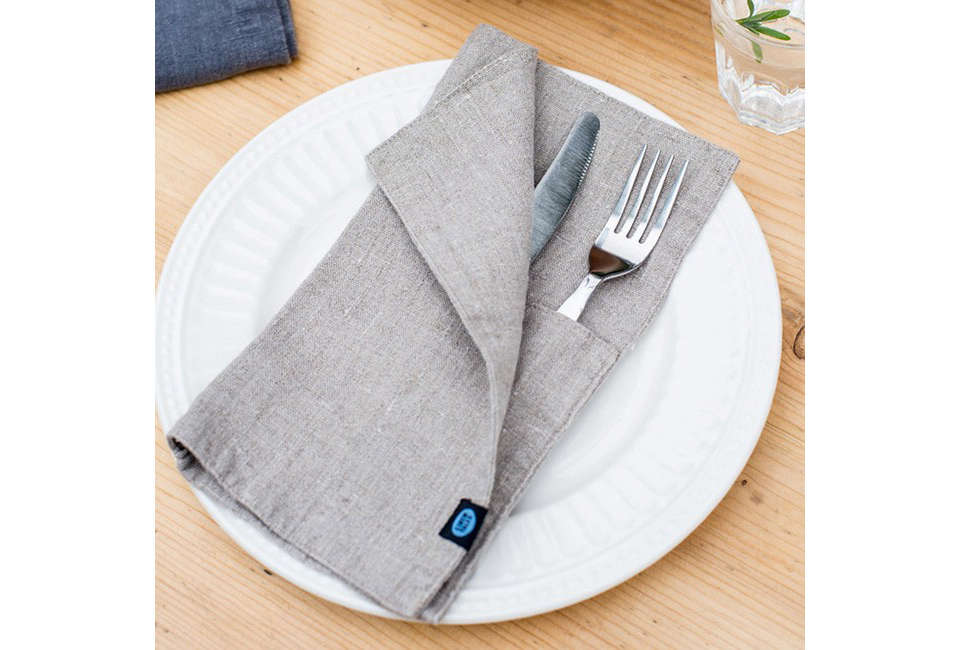
A washed linen cutlery pocket may sound like something invented by a very organized person with excellent brunch opinions. And honestly? That is not far off. This small table accessory does a surprisingly big job: it holds a fork, knife, and spoon neatly in one soft linen pouch, making the table look thoughtful before anyone even sits down.
Unlike disposable paper sleeves or fussy formal napkin folds that collapse the moment a guest breathes near them, a washed linen cutlery pocket brings structure, texture, and charm to a place setting. It feels casual enough for a backyard lunch, polished enough for a dinner party, and practical enough for restaurants, weddings, picnics, holiday tables, and everyday meals that deserve a little more dignity than “forks in a mug.”
The best part is that washed linen does not try too hard. Its natural creases, relaxed drape, and soft touch are the design equivalent of someone who looks effortlessly stylish in a white shirt and says, “Oh, this old thing?” A washed linen cutlery pocket gives your table that same easy confidence.
What Is a Washed Linen Cutlery Pocket?
A washed linen cutlery pocket is a reusable fabric holder designed to organize flatware at each place setting. It is usually made from pre-washed or stone-washed linen, then sewn into a folded pocket shape that can hold a spoon, fork, knife, and sometimes a small menu card, place card, or folded napkin.
The classic version is beautifully simple: natural linen, a clean rectangular fold, and enough room for standard silverware. Some designs unfold into a square napkin-like piece, while others are shaped more like a slim pouch or sleeve. The goal is the same either way: keep utensils tidy, presentable, and ready for the first course without forcing the host to perform napkin origami under pressure.
Why Washed Linen Works So Well
Linen comes from flax fibers, and it has been used for household textiles for centuries because it is strong, absorbent, breathable, and quick-drying. In table linens, those qualities matter. A cutlery pocket will be handled, washed, folded, stacked, carried, and occasionally splashed with vinaigrette by an enthusiastic salad person. Linen can take that kind of social chaos.
The “washed” part is important. Pre-washing or stone-washing softens the fabric before it reaches your table. Instead of feeling stiff and overly formal, washed linen has a broken-in texture, light crinkle, and relaxed hand. It looks elegant without looking like it needs a butler named Reginald.
Softness That Improves With Use
High-quality linen often becomes softer with regular washing. This makes it especially useful for cutlery pockets because they are meant to be reused. The more meals they attend, the more relaxed and comfortable they become. In other words, they age better than most dinner conversations about politics.
Texture That Adds Depth to the Table
A washed linen cutlery pocket adds visual texture even when the rest of the table is simple. Pair it with white plates and suddenly the setting looks intentional. Place it on a rustic wood table and it feels warm and organic. Layer it over a crisp tablecloth and it softens the formality just enough.
Design Appeal: Small Pocket, Big Personality
Table styling often depends on little details. Candles, glassware, flowers, napkin rings, menus, place cards, and flatware all work together to create atmosphere. A washed linen cutlery pocket is one of those details that quietly says, “Yes, someone thought this through.”
The natural version is especially versatile. Beige, flax, oatmeal, ivory, and stone tones blend easily with farmhouse, coastal, Scandinavian, minimalist, modern rustic, and garden-party tables. If your dinnerware changes with the season, natural linen still behaves itself. It plays nicely with terracotta in fall, greenery in spring, navy in summer, and gold accents during the holidays.
For Everyday Dining
On a regular weeknight, a linen cutlery pocket can make a simple meal feel more finished. Put one beside each plate with a fork and knife tucked inside, and suddenly pasta night looks like it has a reservation system. It is not about being fancy; it is about making daily rituals feel cared for.
For Parties and Events
For weddings, showers, rehearsal dinners, catered events, and holiday buffets, cutlery pockets are wonderfully practical. They keep utensils grouped together, reduce table clutter, and make it easy for guests to grab what they need. They also photograph beautifully, which matters more than we may admit in the age of “just one quick picture” before anyone is allowed to eat.
For Outdoor Meals
Outdoor dining can be breezy, literally and socially. Cloth cutlery pockets help keep utensils from rolling around, sliding off plates, or becoming mystery objects on a picnic blanket. They are also more substantial than paper napkins, which tend to fly away at the exact moment you are carrying a bowl of potato salad.
Washed Linen Cutlery Pocket vs. Paper Utensil Sleeves
Paper sleeves are convenient, but they are single-use and often feel more cafeteria than curated table. A washed linen cutlery pocket is reusable, washable, and more visually appealing. It turns flatware into part of the design rather than something you hide until the food arrives.
For restaurants and event planners, linen pockets can support a more elevated dining experience. For home hosts, they offer a sustainable alternative to disposable wrappers while adding a handcrafted look. The difference is similar to serving bread in a linen-lined basket instead of tossing rolls onto a plate and hoping for the best.
How to Style a Washed Linen Cutlery Pocket
The easiest way to use a washed linen cutlery pocket is to place it directly on the plate with the cutlery handles pointing downward or slightly angled. This creates a tidy, welcoming look and keeps the table surface clear. For a more casual setting, lay the pocket to the left of the plate. For a buffet, stack filled pockets in a basket or tray so guests can pick up one complete set.
Minimalist Table Setting
Use natural linen pockets, white ceramic plates, clear glasses, and matte flatware. Add one small vase with greenery or herbs. The result is calm, clean, and very “I have my life together,” even if the dessert is store-bought.
Rustic Farmhouse Table
Pair washed linen pockets with wood chargers, stoneware plates, taper candles, and a loose runner. Natural linen is perfect here because its wrinkles feel intentional rather than neglected. Add rosemary sprigs inside the pockets for fragrance and a charming “tiny forest but edible” moment.
Holiday Table
For Thanksgiving, Christmas, Easter, or New Year’s dinner, tuck a name card, mini menu, cinnamon stick, dried orange slice, or small ornament into each cutlery pocket. These little additions make the table feel personal without requiring you to construct a floral installation visible from space.
Wedding or Shower Table
Use linen cutlery pockets in soft neutrals, blush, sage, dusty blue, or ivory. Add ribbon, a printed menu, or a sprig of baby’s breath. The pockets keep the table neat and create a consistent design element across every place setting.
Choosing the Right Washed Linen Cutlery Pocket
Not all linen pockets are created equal. Some are thin and decorative, while others are sturdy enough for daily use. Before buying, look at the fabric weight, stitching, size, finish, and care instructions.
Fabric Quality
Choose 100% linen if you want the most natural texture and long-term softness. Linen-cotton blends can be easier to care for and may wrinkle less, but pure linen gives the most classic washed look. Medium-weight linen is usually ideal because it feels substantial without becoming bulky.
Size and Capacity
A good cutlery pocket should comfortably fit a standard fork, knife, and spoon. If you plan to include a menu card, chopsticks, reusable straw, or folded napkin, choose a slightly wider style. Check measurements carefully, especially when ordering handmade items.
Color
Natural linen is the safest choice because it works with almost everything. White feels crisp and formal. Charcoal looks modern. Sage, rust, terracotta, and dusty blue bring personality without shouting. If your tableware is patterned, choose a solid pocket. If your dishes are plain, texture or color can do more work.
Stitching and Finish
Look for clean seams, reinforced edges, and neat corners. Mitered corners or wide hems add polish. If the pocket will be used frequently, avoid overly delicate embellishments that may snag, fray, or demand hand washing after every crumb.
How to Care for Washed Linen Cutlery Pockets
Washed linen is not high-maintenance, but it does appreciate a little manners. Wash linen cutlery pockets in cold or lukewarm water with a mild detergent. Use a gentle cycle, avoid bleach, and do not overcrowd the machine. Linen likes room to move, much like guests at a buffet.
Air drying is the safest option, though some linen pieces can be tumble dried on low depending on the manufacturer’s care label. Remove them while slightly damp if you want to smooth wrinkles. For a crisp look, iron while damp. For a relaxed look, shake, flatten, fold, and let the natural crinkle do its charming little dance.
Stain Tips
Food stains happen. Pretreat spots quickly rather than letting them become historical artifacts. Blot, do not scrub aggressively. For oily stains, apply a small amount of gentle detergent before washing. For wine or berry stains, act fast and rinse with cool water before laundering. Always test stain treatments on a hidden area first, especially with colored linen.
Storage Tips
Store washed linen cutlery pockets clean and completely dry. Fold them flat and stack them in a drawer, basket, or linen closet. If you use them for holidays only, wrap them in breathable cotton or linen rather than plastic. Linen prefers airflow and dislikes being trapped like leftovers in a mystery container.
Creative Uses Beyond the Dinner Table
A washed linen cutlery pocket is more versatile than its name suggests. Use it for picnics, office lunches, school lunch kits, travel utensils, camping meals, or zero-waste dining sets. It can also hold chopsticks, bamboo cutlery, reusable straws, tasting spoons, or dessert forks.
For gifting, tuck in a small wooden spoon, monogrammed fork, tea towel, recipe card, or packet of herb seeds. The pocket becomes both wrapping and gift, which is delightfully efficient. Martha Stewart would probably nod approvingly, and then iron the ribbon.
Why It Belongs in a Thoughtful Home
The appeal of a washed linen cutlery pocket is not only visual. It is about slowing down the table experience. It says meals are worth preparing for, even when the menu is simple. It turns eating into gathering. It keeps the table organized. It reduces disposable waste. It adds softness to hard surfaces, warmth to modern dinnerware, and personality to practical objects.
In a world where many meals happen in front of screens, small rituals matter. Folding linen, setting forks in pockets, lighting candles, and giving each guest a place are quiet ways of saying, “You are welcome here.” That is a lot of emotional labor from a square of fabric, but linen has always been an overachiever.
Real-Life Experiences With Washed Linen Cutlery Pockets
The first time you use a washed linen cutlery pocket, the reaction is usually subtle but satisfying. Nobody stands up and applauds the fork holder, because people are strange but not that strange. Instead, guests pause for half a second, notice the table looks polished, and say something like, “This is pretty.” That tiny sentence is the cutlery pocket doing its job.
For casual family dinners, the biggest benefit is order. Instead of placing forks, knives, and spoons one by one while someone asks where the water glasses are and another person steals a dinner roll early, you can prep the pockets ahead of time. Stack them near the plates or place one at each seat. The table comes together quickly, and the host gets to look calm, which is half the battle and possibly the entire hobby.
At a backyard barbecue, washed linen pockets bring a surprising upgrade. Imagine grilled chicken, corn, salad, lemonade, and a long outdoor table. Paper napkins blow around, plastic forks hide under plates, and someone inevitably asks, “Is this my spoon?” A linen pocket solves the small mess before it begins. Guests grab one bundle, sit down, and focus on the food instead of utensil logistics. It is not glamorous, but it is deeply useful.
For holidays, the experience becomes more decorative. A natural linen cutlery pocket can hold flatware plus a sprig of pine, a handwritten name card, or a folded menu. At Thanksgiving, it pairs beautifully with amber glasses, brown transferware, pumpkins, and candles. At Christmas, it softens gold flatware and evergreen decorations. At Easter, it looks fresh with pastel plates and tulips. The same pocket can travel through every season without looking bored.
There is also a tactile pleasure to washed linen. Guests handle it before the meal begins, and that first touch matters. Washed linen feels soft, slightly textured, and human. It does not have the slippery perfection of synthetic fabric or the stiffness of new formal napkins. It feels like something that belongs at a real table with real people, real food, and probably at least one real spill.
If you enjoy hosting, washed linen cutlery pockets can become part of your routine. Wash them, fold them, tuck in the flatware, stack them in a tray, and your next meal already feels halfway styled. If you dislike hosting, they may help even more because they make the table look organized with very little effort. They are basically the table-setting equivalent of dry shampoo: not the whole solution, but a very helpful trick.
The only honest downside is that linen wrinkles. But with washed linen, wrinkles are not a flaw; they are part of the charm. Trying to make washed linen look perfectly flat is like asking a croissant to be less flaky. You can iron it if you want a crisp event look, but for everyday meals, the relaxed texture is the point. It tells guests the table is beautiful, not uptight.
Over time, the pockets become familiar. They soften. They carry memories of dinners, birthdays, late summer lunches, and slightly chaotic holiday meals. A washed linen cutlery pocket may be small, but it belongs to the category of household items that quietly improve the atmosphere. It does not demand attention. It simply makes the table feel more generous.
Conclusion
A washed linen cutlery pocket is one of those simple home details that proves practicality and beauty do not have to sit at opposite ends of the table. It organizes flatware, elevates place settings, supports reusable dining habits, and adds the soft, lived-in elegance that only washed linen can provide.
Whether used for everyday dinners, weddings, holiday meals, outdoor parties, or thoughtful gifts, this little linen pocket works hard while looking relaxed. It is useful, durable, washable, and charming enough to make even takeout feel like a planned event. And really, any accessory that can make Tuesday night soup look intentional deserves a seat at the table.