

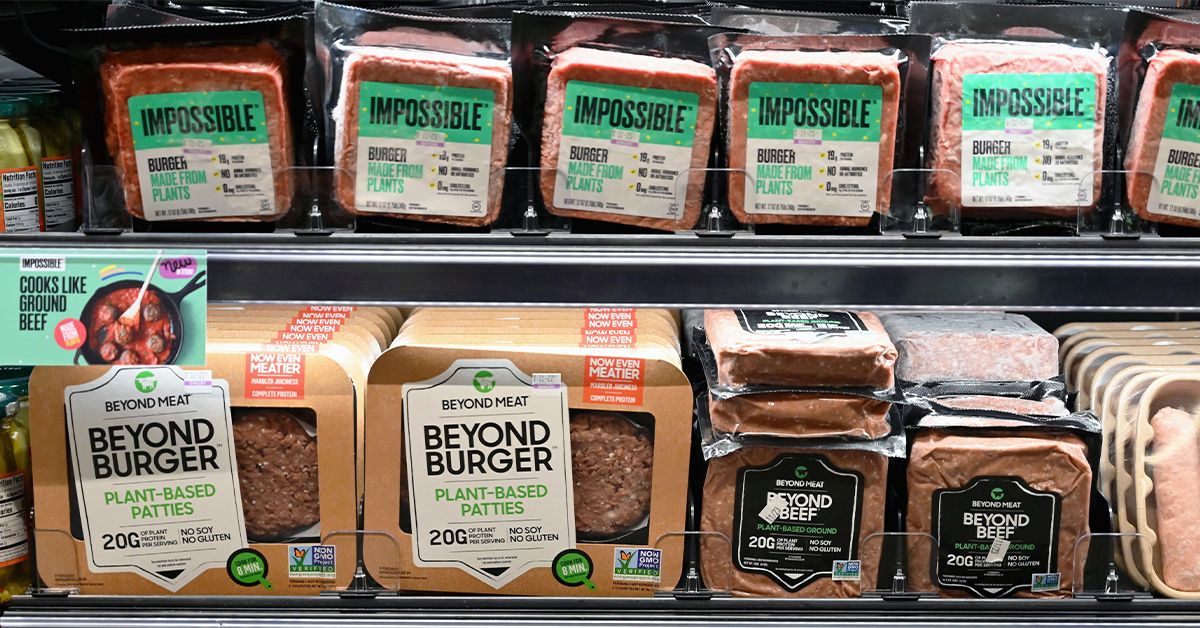
Once upon a time, ordering a veggie burger meant accepting a dry hockey puck with grill marks and emotional baggage. Then came the Impossible Burger and Beyond Burger, two plant-based patties that swaggered into the meat aisle and said, “Relax, carnivores, we brought the sizzle.” Suddenly, meatless burgers were not just for vegetarians, vegans, or that one friend who reads ingredient labels at parties. They were for anyone curious about cutting back on beef without chewing through a lentil brick.
But when the grill is hot and the buns are toasted, the big question remains: Impossible Burger vs. Beyond Burger: which is better? The honest answer is wonderfully annoying: it depends on what you mean by “better.” Better for taste? Better for nutrition? Better for allergies? Better for the planet? Better for fooling your uncle who claims he can “smell tofu from across the county”?
This in-depth comparison breaks down flavor, texture, ingredients, nutrition, cooking performance, environmental impact, and real-world eating experience so you can choose the best plant-based burger for your plate.
Quick Verdict: Impossible Burger or Beyond Burger?
Choose Impossible Burger if you want the most beef-like flavor, a juicy fast-food-style burger experience, a firmer bite, and a patty that behaves convincingly on a griddle. Impossible is the stronger pick for people who want a plant-based burger that tastes like it wandered out of a steakhouse wearing a disguise.
Choose Beyond Burger if you care more about a cleaner-feeling ingredient profile, lower saturated fat, slightly more protein, no soy, no gluten, and a patty made with pea, rice, and lentil proteins. Beyond is the better choice for many nutrition-focused shoppers, especially since its newer avocado oil recipe has improved the fat profile.
Overall winner: Beyond Burger wins for everyday nutrition, while Impossible Burger wins for beef-like taste. If this were a boxing match, Beyond would win on the scorecards, but Impossible would win the “wait, are you sure this isn’t meat?” award.
What Is the Impossible Burger?
The Impossible Burger is a plant-based burger designed to mimic beef in flavor, aroma, texture, and cooking behavior. Its signature ingredient is heme, a molecule associated with the savory, iron-rich taste of meat. Impossible Foods produces its heme from soy leghemoglobin through fermentation, which helps give the patty its famous “meaty” flavor.
The core ingredients include soy protein, sunflower oil, coconut oil, binders, flavoring ingredients, vitamins, and minerals. The result is a burger that browns well, sizzles dramatically, and has a savory, almost beefy depth that many other veggie burgers never achieve. It is not trying to be a wholesome bean patty. It is trying to be a burger. And frankly, it studied very hard.
Best for:
Meat lovers, flexitarians, fast-food fans, and anyone trying to replace beef without feeling like dinner has become a lecture.
What Is the Beyond Burger?
The Beyond Burger is another plant-based meat alternative, but it takes a different route. Instead of soy protein and heme, Beyond uses ingredients such as yellow pea protein, brown rice protein, red lentil protein, avocado oil, and natural flavors. The brand emphasizes that its burger is made without GMOs, soy, or gluten.
The newer Beyond Burger has improved its nutrition profile compared with older versions. It now offers strong protein content, lower saturated fat, no cholesterol, and a more balanced fat blend thanks to avocado oil. It still aims to look, cook, and satisfy like beef, but its flavor is slightly more “plant-based burger” than “did someone accidentally serve me beef?”
Best for:
People avoiding soy or gluten, shoppers who prefer pea-based protein, and anyone looking for a plant-based burger with lower saturated fat.
Impossible Burger vs. Beyond Burger Nutrition
Nutrition is where the comparison gets interesting. Both burgers are high-protein, cholesterol-free, and designed to compete with a traditional beef patty. However, they are not automatically “health foods.” They are processed plant-based meat alternatives, not kale wearing a cape.
| Nutrition per patty | Impossible Burger | Beyond Burger |
|---|---|---|
| Calories | About 230 | About 230 |
| Protein | About 19g | About 21g |
| Total Fat | About 13g | About 14g |
| Saturated Fat | About 6g | About 2g |
| Cholesterol | 0mg | 0mg |
| Sodium | About 370mg | About 310mg |
| Fiber | About 5g | About 2g |
On paper, Beyond Burger has the edge for heart-conscious eating because it is lower in saturated fat and sodium while offering slightly more protein. Impossible Burger, however, provides more fiber and a very convincing savory flavor. Both contain no cholesterol, which is one major nutritional advantage over beef.
Which Is Healthier?
Beyond Burger is generally the healthier choice if your main concerns are saturated fat and sodium. Its current recipe is notably lower in saturated fat than Impossible, which matters because saturated fat is one of the nutrients many health experts recommend limiting for heart health.
That said, both burgers are still packaged, formulated foods. If your goal is the healthiest plant-based meal possible, a homemade black bean burger with oats, vegetables, herbs, and beans will usually beat both. But if your goal is “I want a burger that tastes like a burger and doesn’t come from a cow,” both Impossible and Beyond do the job well.
Ingredients: Soy vs. Pea Protein
The biggest ingredient difference is protein source. Impossible uses soy protein. Beyond uses pea, rice, and lentil proteins. Neither approach is automatically superior, but they matter depending on allergies, dietary preferences, and taste expectations.
Impossible Burger Ingredients
Impossible Burger is built around soy protein, heme flavor, sunflower oil, coconut oil, binders, and added nutrients. Soy is a complete protein, meaning it contains all essential amino acids. That makes Impossible strong from a protein-quality perspective. However, people with soy allergies or those avoiding soy will want to skip it.
Beyond Burger Ingredients
Beyond Burger uses yellow pea protein, brown rice protein, red lentil protein, avocado oil, and seasonings. It is soy-free and gluten-free, which makes it more accessible for many shoppers. However, pea protein may be a concern for people with certain legume allergies, especially those with severe peanut or pea sensitivities.
Taste Test: Which One Tastes More Like Beef?
If the contest is pure beef mimicry, Impossible Burger wins. It has a deeper savory flavor, a more realistic browned-meat aroma, and a texture that feels closer to ground beef. It is especially convincing in cheeseburgers, smash burgers, sliders, and fast-food-style builds with pickles, onions, ketchup, mustard, and a soft bun.
Beyond Burger tastes very good, but it has a more distinct flavor. Some people describe it as slightly pea-like, earthy, or “plant-forward.” That is not necessarily bad. In fact, many diners prefer Beyond because it tastes less like a lab-engineered beef impersonator and more like its own modern burger. Think of Impossible as the actor who disappears into the role, while Beyond is the actor who gives a strong performance but still looks directly into the camera once or twice.
Best Taste Winner: Impossible Burger
Impossible wins for meat-like flavor, aroma, and realism. Beyond wins for people who prefer a lighter, less beefy plant-based burger.
Texture and Juiciness
Impossible Burger has a dense, juicy, cohesive texture that holds together well. It sears nicely and gives you that satisfying burger bite. It also works well when smashed thin on a hot skillet, where the edges can crisp and brown beautifully.
Beyond Burger has improved significantly over the years. Its newer versions are juicier and less crumbly than earlier recipes. The avocado oil helps create a more pleasant mouthfeel, and the patty has a good chew. Still, compared with Impossible, Beyond can feel slightly softer or more obviously plant-based depending on how it is cooked.
Texture Winner: Impossible Burger
Impossible has the edge for realistic burger texture. Beyond is satisfying, but Impossible more closely imitates the chew and juiciness of beef.
Cooking Performance: Grill, Pan, or Air Fryer?
Both burgers cook easily, which is one reason they have become so popular. You can grill them, pan-sear them, or cook them on a flat-top griddle. The biggest tip is simple: do not overcook them. Plant-based patties can dry out faster than beef, and nobody wants a burger that tastes like a camping sandal.
Cooking Impossible Burger
Impossible performs especially well on a skillet or flat-top. It browns quickly, develops flavorful crust, and works beautifully as a smash burger. Because it has a strong savory base, it can handle classic burger seasonings such as black pepper, garlic powder, smoked paprika, or a little steak-style seasoning.
Cooking Beyond Burger
Beyond Burger is excellent on the grill. It has enough fat to sizzle and enough structure to hold together if handled gently. It pairs well with smoky toppings, barbecue sauce, grilled onions, vegan cheese, avocado, or spicy mayo. Because it has a slightly more distinct flavor, bold toppings can help it shine.
Cooking Winner: Tie
Impossible is better for smash burgers and beefy diner-style meals. Beyond is excellent for backyard grilling and fresh, topping-heavy burgers.
Which Burger Is Better for the Environment?
Both Impossible Burger and Beyond Burger have a much smaller environmental footprint than conventional beef. Plant-based burgers generally require less land, less water, and generate fewer greenhouse gas emissions than beef patties. That is the biggest reason many flexitarians reach for them in the first place.
Impossible and Beyond both promote environmental benefits compared with beef, and life cycle assessments have consistently shown major reductions in land use, water use, and emissions for plant-based burgers. The exact numbers vary depending on methodology, supply chain, packaging, transportation, and product version, but the broad conclusion is consistent: replacing beef with a plant-based burger is usually better for the climate.
Environmental Winner: Tie
Both are strong choices compared with beef. If environmental impact is your main priority, either burger is a meaningful step in the right direction.
Price and Availability
Impossible and Beyond are widely available in U.S. grocery stores, restaurants, fast-casual chains, university dining halls, and food service programs. Pricing depends heavily on store, package size, promotions, and location. In many supermarkets, both cost more than conventional ground beef but are often comparable to premium, organic, or specialty meat products.
Beyond tends to be easier to find in some grocery stores because the brand has long focused on retail. Impossible is also widely distributed and frequently appears in restaurants, especially where the goal is to offer a meat-like burger alternative to mainstream customers.
Availability Winner: Tie
Most shoppers can find both. Your local grocery aisle may decide the winner before you do.
Allergies and Dietary Restrictions
This category is important. Impossible Burger contains soy, so it is not suitable for people with soy allergies. It is generally positioned as gluten-free in its burger patty form, though cross-contact can happen in restaurants and some Impossible products may differ.
Beyond Burger is soy-free and gluten-free, which gives it a broader appeal for people avoiding those ingredients. However, because it uses pea protein, people with serious legume allergies should be cautious and read labels carefully.
Dietary Restriction Winner: Beyond Burger
Beyond wins for being soy-free and gluten-free, although individual allergies still require label checking.
Best Uses for Each Burger
Use Impossible Burger For:
- Smash burgers with crispy edges
- Cheeseburgers for meat eaters
- Fast-food-style burgers
- Sliders and diner-style patties
- Recipes where beef flavor matters most
Use Beyond Burger For:
- Backyard grilling
- Health-conscious plant-based burgers
- Soy-free meals
- Avocado, barbecue, or spicy topping combinations
- Meal plans focused on lower saturated fat
So, Which Is Better Overall?
The Beyond Burger is better from a nutrition perspective, especially because it has less saturated fat, less sodium, no cholesterol, and slightly more protein. It is also the better option for people avoiding soy or gluten.
The Impossible Burger is better from a taste and realism perspective. If you are trying to persuade a committed beef lover to try plant-based meat, Impossible is probably your best shot. It tastes more like beef, smells more like beef, and behaves more like beef in the pan.
For everyday eating, Beyond gets the nod. For burger-night drama, Impossible takes the crown. The smartest answer may be to keep both in rotation: Beyond for weeknight meals, Impossible for the cookout where someone is definitely going to say, “There is no way this is plant-based,” while reaching for a second one.
Real-World Experiences: Eating Impossible and Beyond in Everyday Life
The first time many people try an Impossible Burger, the reaction is not polite curiosity. It is suspicion. The patty browns, sizzles, smells savory, and looks enough like beef that someone usually pokes it with a spatula and asks, “Are we sure this is legal?” In a classic cheeseburger setup with lettuce, tomato, pickles, onions, ketchup, and mustard, Impossible can be surprisingly difficult to distinguish from a regular fast-casual beef burger. It is especially convincing when cooked hot and fast, because the seared crust gives it that familiar diner flavor. If you serve it on a toasted brioche bun with melted American cheese, even dedicated meat eaters may stop arguing long enough to chew thoughtfully.
Beyond Burger creates a different experience. It feels a little more modern, a little lighter, and a little less like it is trying to sneak into a beef convention wearing sunglasses. When grilled, Beyond develops a pleasant smoky flavor and juicy bite, especially if you avoid pressing all the moisture out of it. It pairs beautifully with avocado, charred onions, vegan chipotle mayo, barbecue sauce, or crisp slaw. It also tastes great with pepper jack cheese, jalapeños, and a toasted potato bun. The flavor is not identical to beef, but that can be a benefit. Some people do not want a perfect beef clone. They want a satisfying plant-based burger that tastes bold, hearty, and filling without pretending too hard.
In family meals, the difference becomes even clearer. Impossible is the better “gateway burger” for skeptical eaters. If someone says they hate veggie burgers, Impossible is the one most likely to change their mind. It is also excellent in restaurant-style builds where sauce, cheese, and pickles do heavy lifting. Beyond works better for people who already enjoy plant-forward meals and appreciate a burger with a slightly different personality. It feels less like a trick and more like a choice.
For meal prep, both have strengths and weaknesses. Impossible holds up well in recipes where you want a beef-like base, such as chopped burger bowls, plant-based tacos, stuffed peppers, or skillet hash. Beyond is excellent for straightforward patties but can be more noticeable in recipes where its flavor stands alone. Both are best eaten fresh, hot, and properly browned. A cold leftover plant-based burger can be a sad little refrigerator coin, so reheat it in a skillet rather than a microwave whenever possible.
At cookouts, Beyond often feels more natural because it grills nicely and fits the outdoor barbecue mood. At fast-food chains or casual restaurants, Impossible often feels more impressive because its beefy flavor comes through in a stacked burger. For kids, picky eaters, or meat reducers, Impossible may be easier to introduce. For adults watching saturated fat or avoiding soy, Beyond may become the regular grocery pick.
The most practical experience-based advice is this: season lightly, cook confidently, and build the burger well. Neither patty wants to be treated like a steamed vegetable. Use a hot pan or grill, toast the bun, add crunch, add acidity, and do not forget sauce. A plant-based burger with limp lettuce and a cold bun is not a fair trial; that is culinary sabotage with a sesame seed hat.
Final Conclusion
In the battle of Impossible Burger vs. Beyond Burger, there is no single winner for every eater. Impossible Burger is better for taste, texture, and beef-like realism. Beyond Burger is better for nutrition, lower saturated fat, lower sodium, and soy-free eating. If you want the most convincing replacement for a beef burger, buy Impossible. If you want the more balanced everyday plant-based burger, buy Beyond.
The best choice depends on your priorities. For flavor-first flexitarians, Impossible is the juicy crowd-pleaser. For health-conscious shoppers, Beyond is the smarter regular option. Either way, both burgers prove that plant-based eating no longer has to taste like punishment. The modern meatless burger has officially left the sad freezer section and joined the cookout.
Note: Nutrition values and ingredients can vary by package size, product version, restaurant preparation, and future reformulations. Always check the current label before buying, especially if you have allergies, sodium restrictions, or specific dietary needs.