

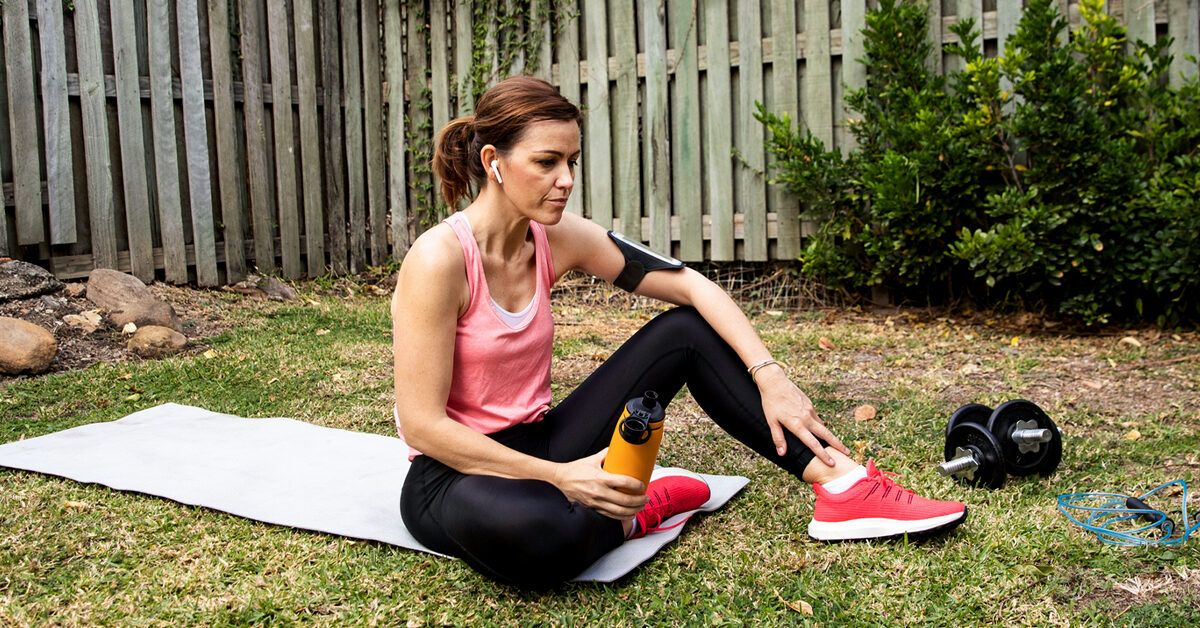
Should I exercise with a cold? It is the question that appears right after “Where did all these tissues come from?” and “Why does my nose sound like a broken trumpet?” The honest answer is: sometimes. Mild movement can be perfectly fine when your symptoms are minor and mostly above the neck. But a fever, chest congestion, body aches, deep fatigue, dizziness, or shortness of breath is your body’s very polite but firm way of saying, “Please cancel burpees today.”
The trick is not to prove your toughness. The trick is to protect your recovery, avoid spreading germs, and keep your fitness habit alive without turning a small cold into a full-body drama. This guide explains what research says about exercise with a cold, when to rest, which workouts are safer, how to return to training, and why “sweating it out” is mostly gym folklore wearing a headband.
Can You Work Out With a Cold?
For many people with a mild common cold, light to moderate exercise is usually safe. A common cold often brings symptoms such as a runny nose, nasal congestion, sneezing, a scratchy throat, mild headache, and sometimes a low-grade fever. If your symptoms are limited, your energy is decent, and you do not have a fever, a short walk or gentle workout may feel good. It may temporarily open nasal passages and make congestion less annoying.
However, “usually safe” does not mean “go crush a personal record.” A cold is still an infection. Your immune system is already on the clock, wearing tiny work boots, trying to clear a virus. Adding a long, intense workout can increase physical stress, worsen fatigue, and make recovery feel slower. If you decide to move, reduce the intensity, reduce the duration, and leave your ego in the sock drawer.
The Neck Check Rule: Helpful, But Not Perfect
The popular “neck check” rule is a simple way to decide whether working out while sick makes sense. If symptoms are above the neck, such as a runny nose, mild nasal congestion, sneezing, or a minor sore throat, gentle exercise may be okay. If symptoms are below the neck, such as chest congestion, a hacking cough, wheezing, stomach upset, muscle aches, or unusual fatigue, rest is the better choice.
This rule is useful, but it is not a medical crystal ball. Fever overrides everything. So does chest pain, trouble breathing, dizziness, heart palpitations, severe weakness, dehydration, or symptoms that feel different from your usual cold. In those cases, skip the workout and contact a healthcare professional if symptoms are concerning.
Green-Light Symptoms: Exercise May Be Okay
You may consider light activity if you have mild nasal congestion, a runny nose, sneezing, watery eyes, or a slightly scratchy throat. You should still feel steady, hydrated, and capable of speaking normally during movement. Good options include walking, easy cycling, gentle yoga, mobility work, stretching, or a relaxed bodyweight routine.
Red-Light Symptoms: Do Not Exercise
Avoid exercise if you have fever, chills, body aches, chest congestion, a deep or worsening cough, shortness of breath, wheezing, nausea, vomiting, diarrhea, dizziness, extreme fatigue, swollen glands, or symptoms that suddenly worsen after improving. These are signs that your body needs rest more than reps.
What Research Says About Exercise and Colds
Research on exercise and the immune system shows a practical pattern: regular moderate activity supports immune health over time, while very intense or prolonged exercise can be more stressful, especially when recovery is poor. Moderate exercise helps circulation, may improve immune surveillance, and is linked with fewer upper respiratory infections in active people. Translation: consistent walks, jogs, rides, strength training, and everyday movement are great for long-term resilience.
But exercising once you are already sick is different. A workout is not a magic virus vacuum. Light activity may temporarily ease congestion or improve mood, but there is no strong evidence that exercising during a cold dramatically shortens the illness. The goal is comfort and maintenance, not conquest. Your immune system does not hand out medals for doing jump squats with a tissue in your pocket.
Studies and sports medicine guidance generally agree on one practical point: mild activity is acceptable for mild symptoms, but intense exercise is a poor idea when illness is systemic. Fever, muscle aches, heavy fatigue, and chest symptoms suggest your body is dealing with more than a stuffy nose. That is when recovery, hydration, and sleep become the workout plan.
Why Fever Changes the Answer
If you have a fever, do not exercise. Fever raises your body temperature. Exercise also raises body temperature. Put them together and your body may end up managing heat, dehydration, and infection at the same time. That is not multitasking; that is overloading the system.
Working out with a fever can make you feel weaker, increase fluid loss, worsen dizziness, and raise your risk of complications. Wait until your fever has been gone for at least 24 hours without fever-reducing medicine before considering activity again. Even then, your first workout back should be easy. Think “gentle re-entry,” not “revenge workout.”
What About Chest Congestion or Cough?
A mild dry cough from postnasal drip is different from a deep, wet, chesty cough. If coughing is frequent, painful, productive, or paired with wheezing or shortness of breath, skip exercise. Chest symptoms may signal bronchitis, flu, COVID-19, pneumonia, asthma flare-ups, or another lower respiratory issue.
Exercise increases breathing rate. If your lungs already feel irritated, forcing faster breathing can make coughing worse. It can also make you feel breathless sooner than usual. People with asthma, chronic obstructive pulmonary disease, heart disease, or immune-compromising conditions should be especially cautious and should follow personalized medical advice.
Can You “Sweat Out” a Cold?
No, not in the way people usually mean it. Sweating does not flush cold viruses out through your pores like a tiny viral car wash. A hot shower, humid air, or easy movement may temporarily loosen congestion and help you feel more human. But sweating heavily from intense exercise, sauna use, or overdressing can increase dehydration and fatigue.
Instead of trying to sweat out a cold, try to support recovery: drink fluids, rest, sleep, use saline spray if helpful, consider warm liquids, and avoid alcohol. If your throat feels like it has been lightly sandpapered, warm tea or broth may be more useful than trying to out-cardio a rhinovirus.
Best Exercises When You Have a Mild Cold
If symptoms are mild and above the neck, choose low-risk movement that lets you stop easily. Your workout should leave you feeling the same or better afterward, not flattened like a pancake under a dumbbell rack.
Walking
Walking is the MVP of sick-day exercise. It is gentle, adjustable, and does not demand heroic lung power. A 10- to 30-minute walk can improve circulation, reduce stress, and help with congestion. Keep the pace comfortable. If you cannot breathe through your nose, slow down.
Gentle Yoga or Mobility Work
Slow yoga, stretching, and mobility drills can help stiffness without draining energy. Avoid hot yoga when sick, especially if you are dehydrated or feverish. The room should not feel like a soup pot.
Easy Cycling
A relaxed stationary bike ride may be fine if your symptoms are mild. Keep the resistance low and duration short. Skip high-intensity intervals. Your immune system did not ask for hill sprints today.
Light Strength Training
If you really want to lift, reduce the load, sets, and effort. Choose easy movements, avoid training to failure, and skip heavy compound lifts. A cold is not the best time to discover whether your max deadlift has “character-building” potential.
Workouts to Avoid When Sick
Skip high-intensity interval training, long runs, heavy lifting, race-pace workouts, competitive sports, hot yoga, and any session that requires maximal effort. Avoid crowded gyms while contagious. Your fellow gym-goers came for dumbbells, not airborne souvenirs.
If you have symptoms of flu or COVID-19, such as fever, chills, body aches, significant fatigue, new loss of taste or smell, chest discomfort, or trouble breathing, stay home and follow current public health guidance. Testing may be appropriate because cold, flu, COVID-19, and allergies can overlap. When in doubt, choose rest and reduce the chance of spreading illness.
Should You Go to the Gym With a Cold?
Even if you feel well enough to exercise, the gym may not be the best place. Colds spread through respiratory droplets, close contact, and contaminated surfaces. During the first few days of symptoms, you may be especially contagious. If you are sneezing, coughing, or blowing your nose every three minutes, work out at home or outside away from others.
If you do go to a shared fitness space after symptoms improve, wash your hands, wipe down equipment, avoid close contact, and do not share towels or bottles. Also, do not be the person who coughs into their hands and then grabs the cable machine. Society is fragile enough.
How to Adjust Your Workout When You Have a Mild Cold
Use the “half rule” as a simple starting point: do about half of your usual duration or intensity. If you normally run 40 minutes, walk or jog easily for 20. If you normally lift heavy for an hour, do a short mobility session or light technique work. If you feel worse after 10 minutes, stop. That is not failure; that is feedback.
During the workout, monitor breathing, energy, dizziness, chills, chest tightness, and unusual heart rate. Stop immediately if symptoms move from mild to concerning. Afterward, pay attention to how you feel later that day and the next morning. A good sick-day workout should not create a symptom hangover.
Recovery Basics: What Actually Helps
Most colds improve within about a week to 10 days, although cough or congestion can linger longer. Antibiotics do not treat a common cold because colds are caused by viruses. Recovery is mostly about making your body’s job easier.
Prioritize Sleep
Sleep is immune-system housekeeping. If you are choosing between a workout and an extra hour of sleep during a cold, sleep usually wins. Your fitness will not disappear because you rested for two days. It is not a houseplant.
Hydrate Like It Matters
Fever, mouth breathing, coughing, and constant nose blowing can increase fluid needs. Water, broth, warm tea, and electrolyte drinks can help. Avoid leaning heavily on alcohol, which can worsen dehydration and sleep quality.
Eat Enough
Your body needs energy to recover. Choose simple, nourishing foods: soup, eggs, yogurt, fruit, whole grains, lean proteins, beans, and anything easy to tolerate. If appetite is low, small meals are fine.
Use Symptom Relief Wisely
Saline spray, humidified air, warm liquids, honey for cough in adults and children over age one, and over-the-counter medications may help comfort. Follow labels carefully, especially if you take other medications or have high blood pressure, heart disease, liver disease, kidney disease, or pregnancy-related concerns.
When to Seek Medical Care
Get medical advice if symptoms last more than 10 days without improvement, worsen after initially improving, or include fever lasting several days, trouble breathing, dehydration, chest pain, confusion, severe weakness, bluish lips, severe sore throat, or a cough that becomes intense or persistent. People at higher risk, including older adults, pregnant people, young children, and those with chronic medical conditions, should be more cautious.
Also seek urgent care for chest pain, shortness of breath, fainting, irregular heartbeat, or unusual exercise intolerance after a viral illness. Viral infections can rarely contribute to heart inflammation, including myocarditis. That does not mean every cold is dangerous, but it does mean chest symptoms deserve respect.
How to Return to Exercise After a Cold
Once symptoms are clearly improving and you have no fever, start small. Your first workout back should feel almost too easy. Try 10 to 20 minutes of walking, light cycling, or gentle strength work. If you feel normal afterward and the next day, gradually build from there.
For mild colds, many people can return to regular training over several days. For illnesses involving fever, flu-like symptoms, COVID-19, chest congestion, or major fatigue, take more time and consider medical guidance before intense training. A gradual return reduces the risk of setbacks. Fitness loves consistency, but consistency includes knowing when to back off.
Practical Examples: Should You Work Out Today?
Example 1: Runny Nose, No Fever
You have a runny nose, mild sneezing, and normal energy. A 20-minute walk or easy bike ride is reasonable. Keep it light and skip the crowded gym.
Example 2: Scratchy Throat and Tired Legs
Your throat is scratchy, and you feel more tired than usual. Do gentle stretching or rest. If fatigue is noticeable, your body may be asking for a quieter day.
Example 3: Fever and Body Aches
No workout. Rest, hydrate, monitor symptoms, and consider whether flu or COVID-19 testing is appropriate. Return only after fever has resolved and energy is improving.
Example 4: Chest Congestion and Wheezing
Skip exercise and seek medical advice if breathing feels difficult, wheezing is new, or symptoms are worsening. Lungs outrank leg day.
Common Myths About Exercising With a Cold
Myth: If You Can Stand, You Can Train
Standing is not the same as training readiness. You can stand in line at a pharmacy while looking like a haunted tissue box. That does not mean you should do sprints.
Myth: Missing Workouts Ruins Progress
A few rest days will not erase your fitness. In fact, resting when sick may help you return sooner and stronger. Consistency is built over months and years, not one heroic Wednesday.
Myth: More Sweat Means Faster Recovery
Sweat mostly means your body is cooling itself. It does not prove that your cold is leaving. Hydration, sleep, and time are far better recovery partners.
Experience-Based Section: What Exercising With a Cold Feels Like in Real Life
Anyone who exercises regularly knows the mental tug-of-war that starts when a cold shows up. You wake up stuffy, check your training plan, and suddenly your brain becomes a tiny lawyer arguing both sides. One side says, “Movement will help.” The other side says, “You sound like a leaf blower full of oatmeal.” The best decision usually comes from paying attention to the details instead of blindly following the calendar.
Imagine a casual runner named Sarah. She wakes up with mild congestion and a dry throat, but no fever, no body aches, and no chest tightness. Her normal plan says five miles. Instead, she walks for 25 minutes around the neighborhood. At first, her nose runs like it is training for its own marathon, but after 10 minutes, her breathing feels easier. She returns home, drinks tea, showers, and takes a nap. The next day, she feels no worse. For Sarah, gentle movement worked because she respected the cold and adjusted the plan.
Now picture Marcus, who loves strength training. He has a sore throat, chills, and heavy legs, but he hates missing Monday squats. He goes to the gym anyway, loads the bar, and feels unusually weak during warm-ups. His heart rate feels high, his head pounds, and he leaves after 20 miserable minutes. That session did not build fitness; it created stress. The smarter move would have been rest, fluids, and a return to lifting after the feverish feeling passed.
Then there is the office-gym scenario. Someone has a mild cold and thinks, “I will just do an easy treadmill walk at the gym.” But they are still sneezing often and wiping their nose between sets. Even if the workout is physically safe for them, it is not considerate to others. A home mobility session, a quiet outdoor walk, or a rest day would be better. Fitness culture talks a lot about discipline, but staying home when contagious is also discipline. It is the kind with fewer dumbbells and more tissues.
Parents face another version of this decision. A parent with a mild head cold may not have time for a formal workout, but they may feel better after 15 minutes of stretching while the kids watch cartoons. On the other hand, if they are dizzy, feverish, or coughing hard, the “workout” may be simply getting through the day, drinking enough fluids, and going to bed early. That counts as recovery work. Not glamorous, but effective.
Athletes and highly structured exercisers often struggle the most because training plans feel official. But a plan is a map, not a law. When illness appears, the map needs a detour. Coaches often prefer one missed workout over a week of dragged-out symptoms. The body adapts from stress plus recovery. When you are sick, the stress is already there. Adding more is not always brave; sometimes it is just noisy.
The most useful experience-based rule is simple: after a mild workout with a cold, you should feel steady, not punished. If movement clears your head, improves mood, and does not worsen symptoms, it may be fine. If it makes you lightheaded, breathless, chilled, achy, or exhausted, stop and rest. Your body is giving you data. Listen before it starts using all caps.
Conclusion: So, Should You Exercise With a Cold?
You can often exercise with a mild cold if symptoms are above the neck, you have no fever, and you keep the workout easy. Choose walking, gentle cycling, stretching, yoga, or light strength work. Reduce intensity and duration, avoid crowded gyms while contagious, and stop if symptoms worsen.
Do not exercise with fever, chills, body aches, chest congestion, wheezing, shortness of breath, dizziness, stomach symptoms, or major fatigue. In those cases, rest is not laziness. It is the most evidence-friendly thing you can do. The goal is not to defeat a cold with dumbbells; the goal is to recover well enough that your next real workout actually feels good.
Note: This article is for general educational purposes and should not replace medical advice. If symptoms are severe, unusual, prolonged, or concerning, contact a healthcare professional.