

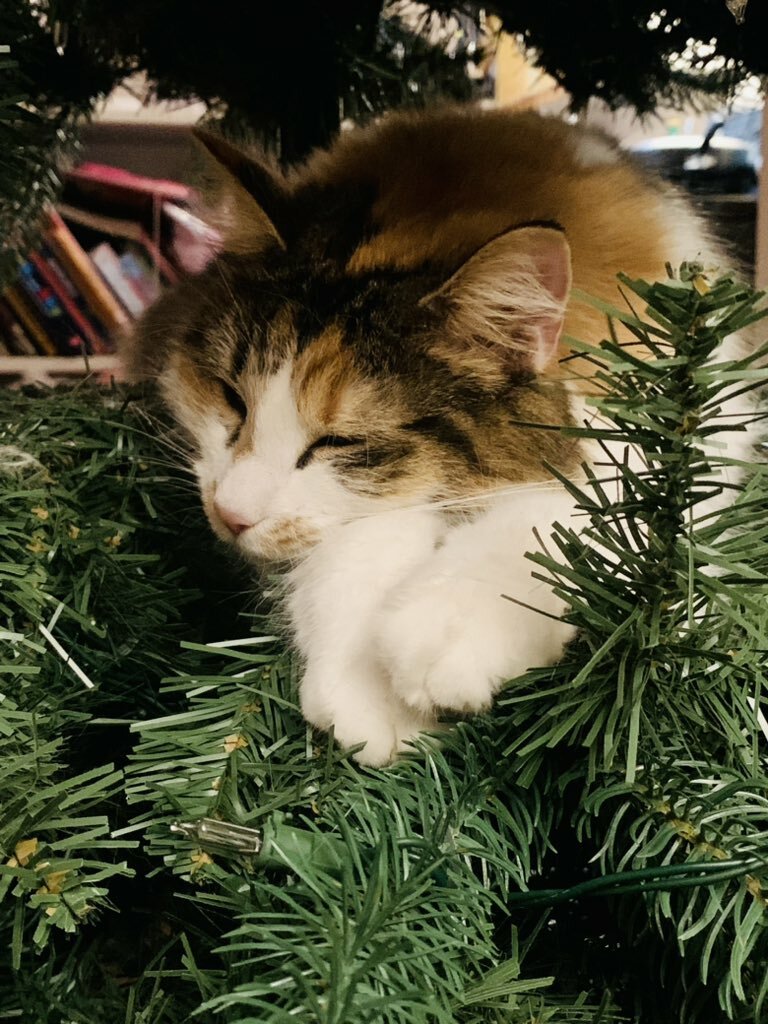
There are few sentences on the internet more powerful than “show me your pet.” It is not a request; it is a tiny emergency broadcast from the joy department. Whether the pet in question is a majestic golden retriever, a judgmental cat named Pickles, a rabbit shaped suspiciously like a loaf of bread, or a bearded dragon who looks like he manages a jazz club, pet pictures have become one of the web’s most reliable mood boosters.
That is exactly the charm behind the cheerful community-style prompt, “Pandas, Share Your Pet Pics!” It invites readers to do what pet people are already biologically compelled to do: open their camera roll, scroll past 1,942 nearly identical photos, and say, “This one really captures his personality.” And honestly? They are usually right.
Pet photos are not just cute filler between bad news and grocery ads. They are tiny stories about companionship, personality, routine, chaos, comfort, and the hilarious fact that animals never agreed to be normal. In a culture where millions of Americans consider pets part of the family, sharing pet pictures online has become a warm, low-pressure way to connect with strangers, celebrate everyday happiness, and remind everyone that joy sometimes has whiskers, paws, feathers, scales, or a very suspicious underbite.
Why Pet Pics Make the Internet Feel Less Like a Haunted Filing Cabinet
The internet can be exhausting. One minute you are checking the weather; the next minute you are reading an argument between two people named “TruthFalcon47” and “SoupWizard.” Pet pictures interrupt that spiral. They are emotional speed bumps. They make people pause, smile, and remember that somewhere, right now, a dog is trying to understand a lemon.
Part of the magic is universal recognition. Even if someone does not own a pet, they understand the appeal of a sleeping kitten, a proud rescue dog, or a parrot with the confidence of a small mayor. Pet photos are simple, but they are not shallow. They communicate affection without demanding a long explanation. A blurry photo of a cat sitting in a shoe can say, “Life is weird, but we are coping.”
Online pet communities thrive because they are built around warmth instead of performance. You do not need a perfect caption, a professional camera, or a dramatic backstory. You only need a pet doing something adorable, confusing, heroic, rude, or all four before breakfast.
The Human-Animal Bond Behind Every Photo
Pet pictures are popular because pets are deeply woven into modern family life. Dogs and cats are not just animals who happen to live indoors; for many people, they are companions, emotional anchors, workout partners, alarm clocks, supervisors, and tiny household comedians with terrible payroll policies.
Research and national surveys have consistently shown that Americans often describe their pets as family members. That emotional closeness explains why people do not simply “take a picture of the dog.” They document milestones: the first day home, the first successful sit, the first snow, the first stolen sandwich, the first time a cat accepted a new bed after six months of openly rejecting it.
Pet photos are also memory keepers. They preserve the ordinary moments that later become priceless: the afternoon nap in a sunbeam, the muddy paws after a backyard adventure, the guilty face beside a shredded roll of toilet paper. These moments matter because they show the daily rhythm of care. Feeding, walking, brushing, training, cleaning, laughing, worrying, and loving all become visible in one little square image.
What Makes a Great Pet Picture?
A great pet photo does not have to be technically perfect. In fact, some of the best pet pictures look like they were taken during a minor earthquake. The real goal is personality. A clear, glossy portrait is wonderful, but so is a photo of a dog mid-sneeze looking like a Renaissance painting fell down the stairs.
1. Get Down to Their Level
One of the easiest ways to improve pet photography is to lower the camera. Shooting from a pet’s eye level makes the image feel more intimate and expressive. Instead of looking down at your dog, cat, rabbit, or guinea pig like a landlord inspecting the carpet, you enter their world. Suddenly, the photo has presence. The eyes look brighter, the face feels closer, and your pet’s personality gets a front-row seat.
2. Use Natural Light Whenever Possible
Natural light is a pet photographer’s best friend, right after patience and snacks. Window light, shaded outdoor spaces, and early morning or late afternoon sun can make fur, feathers, and eyes look soft and detailed. Flash, on the other hand, can create glowing eyes and startle animals. Nobody needs a photo of a cat looking like it has just been summoned from a haunted toaster.
3. Watch the Background
A good background keeps attention on the pet. Before taking the photo, check for laundry piles, food bowls, rogue slippers, and that one mysterious cable nobody can identify. A simple blanket, patch of grass, clean floor, or cozy couch can instantly make the image more polished.
4. Let Pets Be Themselves
Trying to force a pet into a pose rarely works. Dogs wander. Cats negotiate. Birds blink with the authority of retired judges. Reptiles may simply stare into the middle distance like they know something about the stock market. The best pictures often happen when you follow their natural behavior instead of staging a full editorial campaign.
Funny Pet Pics: The Internet’s Most Reliable Vitamin
Funny pet photos deserve their own trophy, possibly shaped like a dog wearing sunglasses. The funniest pictures usually capture timing: a cat leaping with unnecessary drama, a puppy discovering its reflection, a hamster stuffing food into its cheeks like it is preparing for a very small apocalypse.
Humor works because animals are sincere. They do not know they are funny, which makes them funnier. A dog sitting proudly in a laundry basket is not trying to create content. He is simply living his truth. A cat knocking a pen off a desk is not chasing engagement. She is conducting gravity research.
When people share funny pet pics, they are sharing relief. They are offering others a break from seriousness. That tiny act can build community because laughter is social glue, and pet owners have an unlimited supply of ridiculous evidence.
Cute Pet Pics and the Science of “Aww”
Cuteness is not just decoration; it affects how people respond emotionally. Big eyes, soft features, playful behavior, and vulnerable expressions can trigger nurturing feelings. That is why a sleepy puppy or a kitten peeking out of a blanket can melt even the most determinedly serious person into a puddle wearing office shoes.
Viewing pet images can offer a quick emotional reset. It does not solve every problem, of course. A corgi in a birthday hat cannot pay your taxes. But it can help soften a stressful moment, spark a smile, and remind people that tenderness still exists in the daily scroll.
Pet Pics Can Help Animals Find Homes
Pet photography is not only for proud owners. It can also support adoption. Animal shelters and rescue groups know that strong photos can help potential adopters notice an animal’s personality. A bright-eyed dog photographed outdoors, a relaxed cat shown outside a cage, or a rabbit pictured with clean bedding and gentle lighting can make a huge difference in first impressions.
Good adoption photos do not trick people; they reveal what stress and poor lighting can hide. Shelter animals may be scared, overstimulated, or confused. A patient photographer can capture a softer, truer version of the pet: curious, affectionate, playful, or quietly hopeful. That picture can become the beginning of a new life.
This is one reason pet-photo culture matters beyond entertainment. A shared image can spread awareness, inspire volunteering, encourage adoption, and help people see animals as individuals rather than statistics.
How to Share Pet Pics Responsibly
Sharing pet pictures should be fun, but it is worth keeping a few practical habits in mind. Avoid posting personal information such as your home address, your pet’s ID tag details, or predictable location clues. If your pet is photographed at a park or vet clinic, make sure the image does not accidentally reveal more than intended.
It is also important to avoid unsafe setups. Do not place pets in stressful costumes, dangerous positions, hot cars, high ledges, tight containers, or situations where they are clearly uncomfortable. A viral picture is never worth frightening or harming an animal. The best pet content comes from affection, not pressure.
Health matters too. Regular veterinary care, vaccinations, parasite prevention, good hygiene, and safe handling help protect both pets and people. A happy pet photo is even better when the animal behind it is healthy, respected, and cared for.
Caption Ideas for Your Pet Pics
A good caption can turn a cute picture into a tiny masterpiece. The trick is to match the caption to the pet’s expression. If your cat looks furious, lean into it. If your dog looks proud, give him a dramatic title. If your rabbit looks like it has just heard family gossip, respect the moment.
Funny Caption Examples
“He pays no rent but has strong opinions about the furniture.”
“This is her employee-of-the-month photo. She works in chaos management.”
“Caught him mid-thought. The thought was probably cheese.”
“Local cat discovers box, declares independence.”
“She has never made a mistake in her life, according to her legal team.”
Sweet Caption Examples
“My little shadow and best friend.”
“Home is wherever this face is.”
“A small creature with a huge piece of my heart.”
“Proof that love sometimes has paws.”
Why “Pandas, Share Your Pet Pics!” Works So Well
The phrase works because it feels like an invitation rather than a command. It gives everyone permission to participate. No one has to be an expert. No one has to own the world’s most photogenic animal. The three-legged senior dog, the cross-eyed cat, the chaotic puppy, the ancient turtle, the rescued pigeon, and the goldfish with main-character energy are all welcome.
That openness is the heart of strong online communities. People enjoy sharing when they feel their contributions will be received kindly. Pet photos create that atmosphere naturally because the subject matter is generous. Even when a pet looks grumpy, the intention is usually affectionate.
In a world where so much content competes for outrage, pet-picture threads offer something refreshingly simple: “Here is my beloved little weirdo. Please admire.” And people do.
Experiences Related to “Pandas, Share Your Pet Pics!”
Anyone who has ever asked people to share pet pictures knows the response can become wonderfully unhinged in the best possible way. It starts with one person posting a dignified portrait of their dog sitting in sunlight. Then someone adds a cat sleeping inside a mixing bowl. Then comes a rabbit wearing an expression of deep philosophical disappointment. Within minutes, the thread becomes a parade of fur, feathers, scales, paws, tails, and captions that deserve museum placement.
The best part is how quickly strangers become friendly. A person who might never comment on a political post or lifestyle article will happily write, “Please tell Biscuit I love him.” That tiny sentence is pure internet medicine. It costs nothing, harms nobody, and delivers a shocking amount of warmth. Pet pictures lower the social barrier. They give people a safe reason to be kind.
There is also a beautiful variety in what people choose to share. Some post professional-looking portraits with perfect lighting and crisp focus. Others post the most chaotic image imaginable: a dog halfway through a jump, a cat blurred into a gray comet, a parakeet leaning into the camera like it is about to reveal state secrets. Both types are wonderful because both are honest. A perfect photo shows beauty; a messy photo shows life.
Pet-picture threads also reveal how deeply people notice their animals. Owners will explain that their dog always sleeps with one paw over his nose, or that their cat steals hair ties and hides them behind the refrigerator, or that their guinea pig screams every time someone opens the fridge. These details may sound small, but they are actually the language of love. To know a pet is to know the tiny habits nobody else would notice.
Another experience common to these threads is remembering pets who are no longer here. Someone may share an old photo of a dog who passed away years ago, with a caption about how much joy that animal brought into their life. These posts can be emotional, but they are often comforting. They allow grief to sit beside gratitude. They remind everyone that loving an animal is worth the ache because the good years are so full.
Then there are rescue stories. A before-and-after photo can stop a reader mid-scroll: a scared shelter animal in the first image, then the same pet months later, relaxed on a couch with a toy and the expression of someone who has successfully conquered a household. These images say more than a long essay could. They show recovery, trust, and the power of steady care.
In everyday life, pet pictures become social shortcuts. Coworkers bond over dog photos. Neighbors trade cat stories. Friends send each other emergency puppy pictures after hard days. Families keep group chats alive with updates from the household pet, who somehow becomes the unofficial emotional manager of everyone involved.
That is why “Pandas, Share Your Pet Pics!” is more than a cute headline. It is a small community ritual. It says: bring your joy here. Bring your funny little companion. Bring the blurry photo, the proud photo, the sentimental photo, the ridiculous photo. Somewhere, someone needs exactly that tiny burst of happiness today.
Conclusion: Share the Pic, Spread the Smile
Pet pictures work because they are simple, sincere, and deeply human. They celebrate the animals who make our homes louder, messier, funnier, and kinder. They give communities an easy way to connect. They help shelters show adoptable pets at their best. They preserve memories that only grow more precious with time.
So, pandas, share your pet pics. Share the elegant ones, the goofy ones, the blurry ones, the “how did he even get up there?” ones. Share the cat in the box, the dog in the mud, the bird on the curtain rod, the turtle with ancient wisdom, and the rabbit who clearly disapproves of your life choices. The internet has plenty of noise. A little more joy would not hurt.