

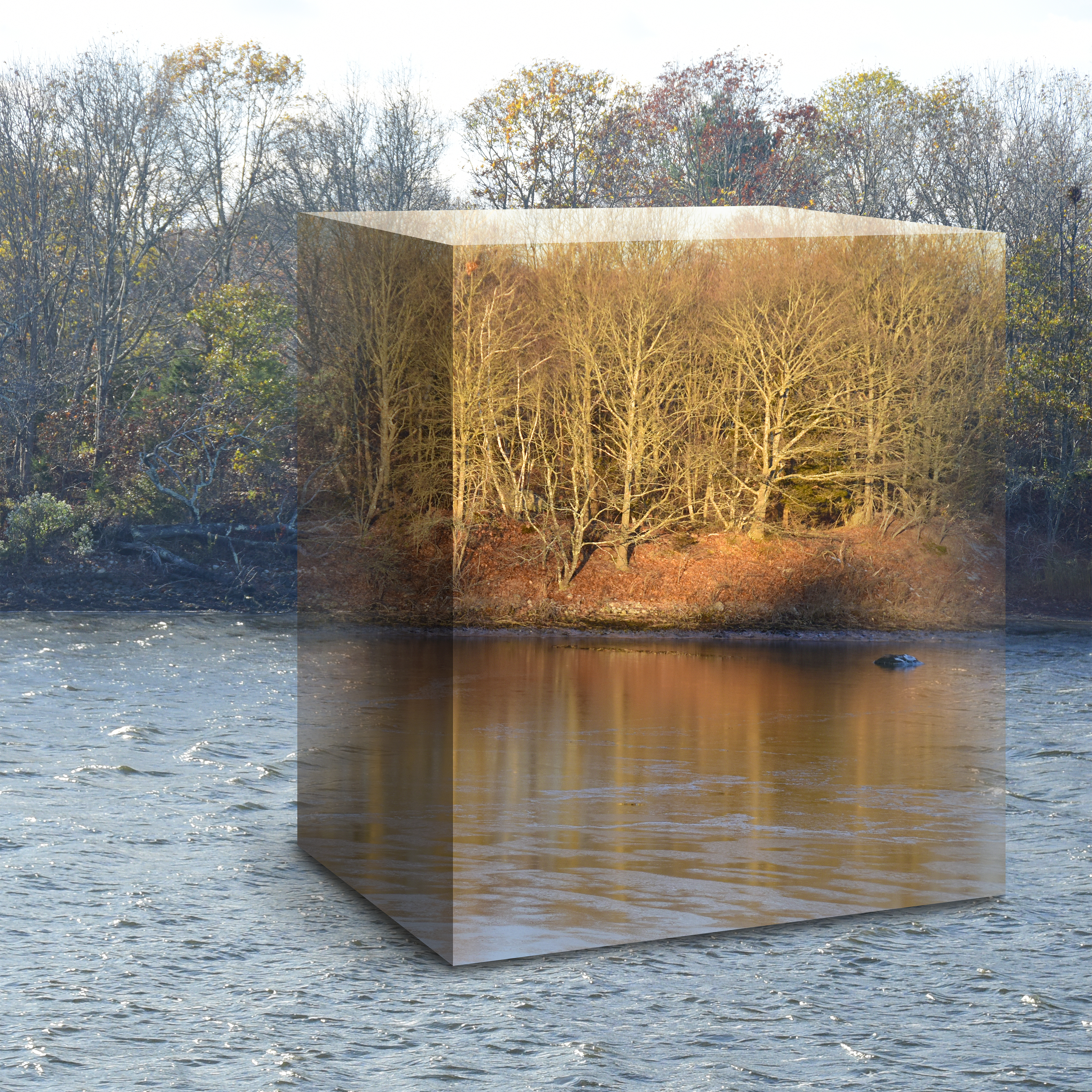
Some people collect stamps. Some collect sneakers. Some collect coffee mugs with motivational slogans that become increasingly threatening before 9 a.m. I collect moments. More precisely, I like to build images that make time feel flexible, as if yesterday, today, and tomorrow accidentally walked into the same room and decided to pose together.
The phrase “time travel photography” sounds like something that belongs in a movie where a scientist has wild hair, a glowing machine, and absolutely no respect for electrical safety. But in visual art, time travel does not require a wormhole. It requires memory, composition, light, texture, and the strange little magic that happens when an image makes viewers feel they are standing in more than one era at once.
To make time travel possible in images is not to fake history carelessly. It is to create a bridge between what was, what is, and what might be. A cracked wall can hold the mood of a century. A modern portrait can echo an old daguerreotype. A family photo can become a portal when color, shadow, clothing, and background work together. The camera records light, but the artist arranges time.
What Does “Time Travel” Mean in Photography?
In photography and digital art, time travel is less about science fiction and more about emotional transportation. A successful image can make a viewer feel as though they have stepped into a memory that does not belong to them but somehow still feels familiar. That is the real trick. Not lasers. Not plutonium. Not a dramatic countdown. Just a photograph that whispers, “You have been here before,” even when you have not.
Time travel images often combine several visual signals: vintage textures, cinematic lighting, archival references, period clothing, faded colors, modern subjects, and careful storytelling. Sometimes the image looks like it was found in an old shoebox. Sometimes it looks like the future discovered an antique camera and got sentimental. The best versions do not merely imitate the past; they create a conversation with it.
A Brief History of Making Time Bend in Images
Photography has always had a complicated relationship with truth. From the early daguerreotype era in the 19th century to today’s digital composites, photographers have never been only button-pushers. They have been chemists, editors, directors, illusionists, archivists, and occasionally very patient people standing in dark rooms wondering why the print looks like it was developed in soup.
Early photography already had a time-travel quality. A portrait from the 1840s does not simply show a person; it sends that person forward. The sitter may be long gone, but the gaze remains. That alone is a kind of visual time machine. The image survives the body. The moment survives the hour. Photography became one of humanity’s most powerful ways to tell time, stop time, and argue with time.
Photomontage: When Time Gets Cut and Pasted
Photomontage and composite photography gave artists another way to bend time. By combining separate images into one frame, artists could place impossible scenes side by side: a person in one era, a landscape from another, a dream object floating where gravity clearly forgot to clock in. Long before modern editing software, photographers used combination printing, retouching, overpainting, and darkroom techniques to create images that looked both believable and impossible.
One famous 19th-century example is Henry Peach Robinson’s “Fading Away,” a composite made from multiple negatives. Whether one loves or side-eyes the melodrama, the lesson is clear: photographers were staging, combining, and shaping reality almost as soon as photography existed. Photoshop did not invent visual manipulation. It simply gave manipulation better shoes and a monthly subscription.
Motion Studies: Freezing Time Into Evidence
Eadweard Muybridge’s motion studies also changed how people understood time. His 1878 images of a galloping horse proved that all four hooves leave the ground during part of the stride. More importantly for artists, those sequential photographs broke movement into pieces. They showed time as a series of slices. Suddenly, the invisible mechanics of motion could be studied, repeated, and reimagined.
Every time a modern artist creates a layered image showing one person moving through several positions in the same frame, they are borrowing from this idea. Time becomes visible. Movement becomes architecture. The image no longer says, “Here is what happened.” It says, “Here is how happening happens.” That is a very fancy sentence, but sometimes fancy sentences are useful. Like tiny tuxedos for thoughts.
Why Time Travel Images Feel So Powerful
Time travel images work because human beings are built from memory. We do not experience the present as a clean, isolated moment. We drag the past into everything: the smell of old books, the color of a kitchen wall, the shape of a childhood street, the sound of a train passing at night. Visual storytelling becomes powerful when it activates that memory system.
A photograph of a person standing in a modern city can feel ordinary. But dress the scene with soft film grain, warm streetlight, a vintage coat, and a slightly faded color palette, and suddenly the same person looks like they are waiting for a letter in 1956. Add a glowing phone in their hand, and the image becomes stranger: two eras sharing one breath.
This contrast is where the magic lives. Time travel photography is not only about nostalgia. It is about tension. Old and new. Real and imagined. Personal and historical. Familiar and uncanny. A good image lets those opposites sit together without forcing them to shake hands too politely.
The Core Elements of Time Travel Photography
1. Story Comes Before Software
Before opening any editing app, the artist needs a story. Is the image about lost childhood? A future version of a city? A portrait that looks like it escaped from a family archive? Without a story, effects become decoration. And decoration without purpose is like putting a top hat on a toaster: memorable, perhaps, but not necessarily meaningful.
Strong photographic storytelling usually begins with a clear subject, a defined mood, and a visual question. Who is this person? What time do they belong to? Why does the image feel slightly displaced? A time travel image should invite the viewer to investigate, not merely admire the filter.
2. Light Is the Clock
Light tells viewers what kind of time they are entering. Warm, low light can suggest memory, evening, candlelight, or old interiors. Cool blue light can suggest distance, technology, loneliness, or a future that probably has excellent Wi-Fi but questionable emotional stability. Harsh flash can evoke documentary realism, while soft diffused light can make a subject feel like a dream.
Color temperature matters. Candlelight, tungsten bulbs, daylight, shade, neon, and digital screens all carry different emotional cues. When artists control light carefully, they control the perceived era of the image. A single portrait can feel 1920s, 1970s, or futuristic depending on the direction, contrast, and color of the light.
3. Texture Creates Age
Film grain, paper scratches, faded edges, dust, chemical stains, and imperfect borders can make a digital image feel physical. Texture reminds viewers that images are objects, not just pixels. However, texture should be used with restraint. Too much fake dust and the picture starts looking like it spent the weekend in a vacuum cleaner bag.
The goal is not to damage the image. The goal is to suggest history. Real old photographs have unevenness because materials age. Emulsion fades. Paper bends. Ink shifts. Adding texture thoughtfully can give a new image the emotional weight of something preserved.
4. Color Grading Sets the Era
Color grading is one of the most effective tools for visual time travel. Muted greens and yellows can suggest mid-century film. Deep shadows and amber highlights can create a noir atmosphere. Pastel tones may evoke old postcards. High-contrast metallic blues can push the scene toward science fiction.
The trick is consistency. A time travel image should feel like one world, even if it contains multiple eras. If the subject looks vintage, the background looks modern, and the color grade looks like a tropical smoothie, the viewer may not know where to land. The best color grading supports the story quietly, like a good soundtrack nobody notices until it disappears.
5. Props Are Tiny Time Machines
A rotary phone, a typewriter, a handwritten letter, an old suitcase, a Polaroid, a pocket watch, a vinyl record, a newspaper, a film camera, or even a particular style of chair can instantly pull an image into another period. Props are visual shorthand. They tell viewers, “We are not entirely in the present anymore.”
But props can also become clichés. The goal is not to throw every antique object into the frame as if staging a garage sale with dramatic lighting. Choose one or two meaningful items. Let them earn their place. A single worn photograph in a subject’s hand can say more than an entire room full of decorative nostalgia.
Modern Digital Art and the New Time Machine
Digital tools have made time travel imagery more accessible than ever. Artists can restore old portraits, colorize black-and-white images, blend archival photographs with present-day locations, and build composite scenes that would have been painfully difficult in a traditional darkroom. Artificial intelligence and generative tools have added even more possibilities, from image expansion to background reconstruction.
One fascinating area is “time-travel rephotography,” where researchers explore ways to make historical portraits appear as if they were captured with modern cameras. The idea is not merely to sharpen an old picture but to imagine how the person might have looked if photographed today with better optics, color, and resolution. Used responsibly, this kind of work can make history feel less distant.
Still, creative power comes with responsibility. When an image is presented as art, fantasy, or interpretation, manipulation can be part of the language. When an image is presented as journalism, evidence, or historical documentation, manipulation becomes a much more serious issue. The difference between “I made a dream” and “this happened” matters. A lot.
The Ethics of Making the Past Look Alive
Time travel images can be beautiful, but they should not confuse viewers about what is real. If an image combines old and new materials, uses AI reconstruction, or changes historical context, transparency is important. Art can play with reality. Journalism must protect it. Family storytelling sits somewhere in between: emotional truth matters, but so does honesty about what has been altered.
For example, restoring a faded photo of a grandparent by removing dust and improving contrast is usually a respectful act of preservation. Adding a smile that was never there, changing clothing, replacing a background, or inventing missing facial details moves the work into interpretation. That is not automatically wrong, but it should be understood as creative reconstruction, not pure restoration.
The best rule is simple: do not let the image lie about its purpose. If it is art, call it art. If it is a restoration, explain the restoration. If it is a composite, say so when context matters. The viewer deserves the pleasure of wonder without being tricked into false belief.
How to Create Time Travel in Your Own Images
Start With a Real Emotional Anchor
Choose a subject or place with emotional weight. It might be an old family home, a quiet train station, a childhood street, a vintage dress, or a portrait inspired by an ancestor. Time travel photography works best when it begins with feeling rather than technique.
Build a Visual Timeline
Gather references from the era you want to evoke. Study clothing, furniture, signage, typography, lighting, film stocks, hairstyles, and architecture. Pay attention to small details. A modern plastic water bottle in a 1940s-inspired scene will ruin the spell faster than a ringtone in a monastery.
Use Composition to Suggest Memory
Place the subject slightly off-center. Use doorways, mirrors, windows, staircases, and frames within frames. These elements naturally suggest passage, reflection, and transition. A person looking through a window can feel like they are watching another lifetime. A mirror can make the present argue with the past.
Edit With Intention
Adjust contrast, grain, color, sharpness, and shadows based on the story. Avoid applying a vintage preset and calling it done. Presets are ingredients, not meals. A thoughtful edit should feel inevitable, as if the image always wanted to look that way and you simply helped it find its coat.
Specific Examples of Time Travel Image Concepts
The Grandmother Window Portrait: Photograph a young woman standing beside a window in modern clothing, holding an old portrait of her grandmother. Use warm light, soft grain, and a muted background. The image suggests inheritance without needing a complicated composite.
The Street Then and Now: Blend an archival street photograph with a present-day photo taken from the same angle. Let pedestrians from different eras share the frame. The result can show how cities change while certain corners remain stubbornly themselves.
The Future Antique: Create a portrait that looks old at first glance, but include one futuristic detail: a glowing wrist device, metallic fabric, or impossible reflection. This reverses the usual nostalgia formula and makes the future look like something already remembered.
The Motion Memory Frame: Photograph the same subject moving through a room in several positions, then composite the frames together. The image can suggest one person passing through different moments of life in a single space.
Why Audiences Love Images That Bend Time
People love time travel images because they offer more than beauty. They offer emotional participation. Viewers are invited to complete the story. They wonder who the subject is, what happened before the frame, what will happen after it, and why the image feels like a memory wearing someone else’s shoes.
In an online world overloaded with fast content, time travel imagery slows people down. It asks for a second look. That matters for artists, photographers, bloggers, and brands. Images with layered storytelling are more memorable because they reward attention. They are not merely seen; they are entered.
Experiences Related to “I Like To Make Time Travel Possible In My Images.”
Working with time travel imagery feels a little like being a detective, a decorator, and a ghost host all at once. The process often begins with a small visual clue: an old doorway, a scratched family photo, a dusty window, a coat that looks like it has already survived three novels, or a patch of afternoon light that lands on the floor with suspicious cinematic confidence.
One of the most rewarding experiences is watching an ordinary location transform through attention. A plain hallway can become mysterious when the light is low and the shadows stretch. A simple kitchen table can feel like 1963 with the right cup, tablecloth, and color palette. A city sidewalk can become timeless if modern distractions are cropped away and the subject is styled with restraint. The magic is not always in grand production. Sometimes it is in removing the one thing that screams “Tuesday, 2026.”
Another memorable part of making these images is learning that imperfection helps. At first, many artists try to make every detail polished. But time rarely looks polished. Memory is soft around the edges. Old photographs fade unevenly. Real rooms have scuffed floors, wrinkled curtains, and objects that refuse to sit perfectly straight. When an image is too clean, it may lose its sense of history. A little mess can make the scene breathe.
There is also a personal side to this kind of work. Time travel images often become emotional mirrors. When an artist restores an old family portrait or creates a modern image inspired by an ancestor, the process can feel intimate. You begin noticing facial similarities, repeated gestures, inherited expressions, and tiny family patterns that have quietly traveled across decades. The result is not just a picture; it is a conversation with people who shaped the present without ever seeing it.
Creative frustration is part of the experience too. Sometimes a composite refuses to cooperate. The lighting does not match. The shadows betray the edit. The vintage texture looks less like aged paper and more like the image was attacked by cinnamon. These failures are useful. They teach the artist to respect consistency. If the light, perspective, scale, and color do not agree, the illusion collapses. Time travel may be imaginary, but the visual logic has to be solid.
The most satisfying moment arrives when someone looks at the finished image and pauses. Not a quick like. Not a polite “cool.” A real pause. That pause means the image has opened a door. The viewer is deciding whether the scene is old, new, remembered, invented, or somehow all four. That is the goal: not to confuse people cheaply, but to make them feel the thickness of time.
Making time travel possible in images is ultimately an act of care. It asks the artist to honor the past, question the present, and imagine the future without flattening any of them. It proves that a photograph does not have to stay in one moment. With the right choices, an image can become a small, glowing machine for memory. No lab coat required.
Conclusion
To make time travel possible in images is to understand that photography has never been only about recording what stands in front of the lens. It is about arranging evidence, emotion, memory, and imagination into a frame that feels alive. From early photographic processes and motion studies to photomontage, restoration, color grading, and digital compositing, artists have always searched for ways to make time visible.
The best time travel photography does not merely look old or futuristic. It feels layered. It respects history while allowing imagination to breathe. It gives viewers the thrill of stepping into a moment that seems familiar, impossible, and emotionally true all at once. And really, if an image can do that, who needs a DeLorean?