

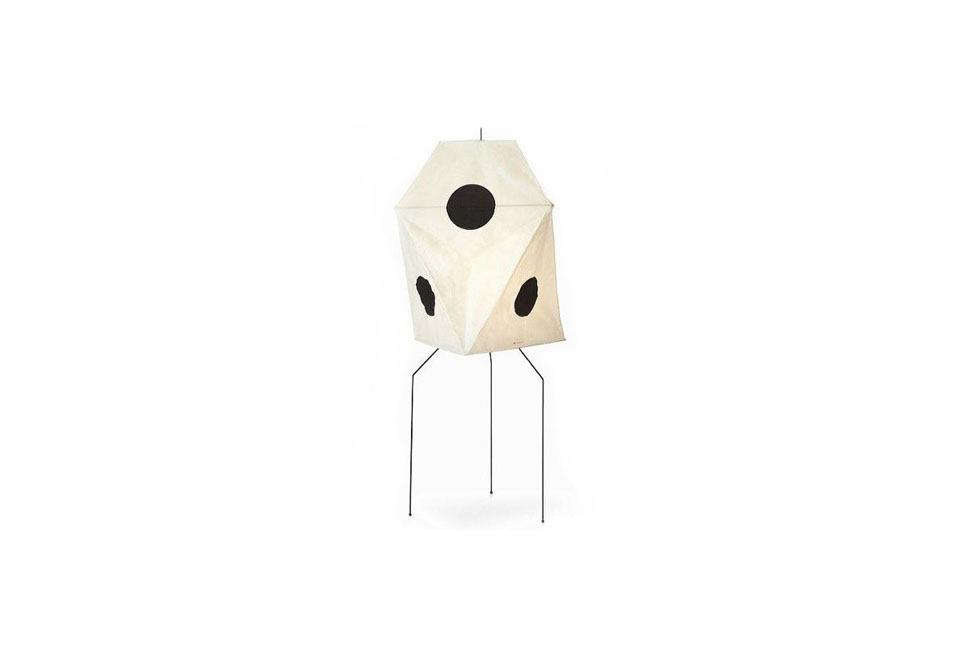
The Noguchi Akari Floor Lamp – UF3-Q is what happens when a lamp decides it is too elegant to be merely useful. Designed within Isamu Noguchi’s legendary Akari family, the UF3-Q is part lighting, part sculpture, part quiet roommate that never steals your snacks. It brings together Japanese craft, mid-century modern design, and the soft glow of handmade paper in a way that feels both museum-worthy and surprisingly livable.
At first glance, the UF3-Q looks simple: a tall paper shade, a slim metal base, warm illumination, and a silhouette that floats rather than shouts. But the more you look, the more it reveals. The shade is handmade from washi paper with bamboo ribbing, supported by a metal frame. Its height of roughly 57 inches gives it presence without turning your living room into a lighting showroom. In other words, it is dramatic, but not “arrives late wearing sunglasses indoors” dramatic.
This article explores what makes the Noguchi Akari UF3-Q floor lamp special, how it fits into modern interiors, what to know before buying one, and why this soft-spoken design has remained desirable for decades.
What Is the Noguchi Akari Floor Lamp – UF3-Q?
The Noguchi Akari Floor Lamp – UF3-Q is a floor-standing light sculpture designed in the spirit of Isamu Noguchi’s Akari series, which began in 1951. The word “Akari” means light in Japanese, but it also suggests lightness, and that double meaning is the whole magic trick. The UF3-Q does not simply brighten a room; it makes the air feel gentler.
Akari lamps are traditionally made from handmade washi paper and bamboo ribbing, with the shade supported by a metal structure. The UF3-Q follows this family language but has a distinctive floor-lamp profile. Its broad, softly squared paper form sits on a slender metal stand, giving the lamp a balance of organic texture and architectural discipline.
In practical terms, the UF3-Q is often listed at about 145 cm tall, or approximately 57 inches, with a shade width around 56 cm. That makes it tall enough to act as a focal point beside a sofa, lounge chair, reading nook, bed, or dining-room corner. It is not tiny. It is not huge. It is the Goldilocks of sculptural floor lamps: just enough glow, just enough shape, just enough “Where did you get that?” energy.
The Story Behind Akari: Isamu Noguchi’s Light Sculptures
Isamu Noguchi was one of the most important designer-artists of the twentieth century, known for sculpture, furniture, gardens, stage sets, public spaces, and lighting. His work often blurred the line between object and environment, which is a fancy way of saying he did not like putting creativity into tiny labeled boxes. A table could be sculpture. A garden could be sculpture. A lamp, clearly, could be sculpture too.
In 1951, Noguchi visited Gifu, Japan, a region known for traditional paper lanterns and umbrella-making. There, he began developing what became the Akari light sculptures. By combining Japanese lantern-making techniques with electric light, Noguchi transformed a familiar craft into a modern design icon. Instead of treating electricity as harsh or mechanical, he softened it through paper, bamboo, and form.
The result was a collection that looked ancient and modern at the same time. Akari lamps feel connected to the warm glow of candlelit lanterns, but they also belong comfortably in modern apartments, minimalist homes, creative studios, and carefully styled rooms where every object appears to have attended art school.
Design Details That Make the UF3-Q Stand Out
1. The Washi Paper Shade
The soul of the Noguchi Akari UF3-Q floor lamp is its paper shade. Washi paper diffuses light beautifully because it softens brightness instead of blocking it. The result is ambient light that fills a space without glare. This is the kind of glow that makes dinner feel cozier, books feel more interesting, and your slightly messy side table look like an intentional still life.
Unlike glass, metal, or plastic shades, paper has a living quality. It has fibers, texture, and subtle irregularity. Those small imperfections are not flaws; they are part of the character. A handmade Akari shade does not look machine-perfect, and that is precisely why it feels warm.
2. Bamboo Ribbing and Sculptural Form
Bamboo ribbing gives the UF3-Q its structure and visual rhythm. The ribs create delicate lines across the shade, reminding you that this is not just a glowing box. It is a carefully assembled object. The frame gives the paper volume, and the paper gives the frame softness. Together, they create the famous Akari balance: fragile-looking but purposeful, minimal but expressive.
3. The Slim Metal Base
The UF3-Q rests on a restrained metal base that keeps the focus on the illuminated shade. This is smart design. A heavier base could make the lamp feel clunky; a decorative base could compete with the paper form. Instead, the slim stand gives the lamp elevation and stability while allowing the shade to appear almost weightless.
4. A Quiet Graphic Presence
The UF3-Q is not a plain white cylinder. Its shape has personality. Depending on the angle, it can feel like a lantern, a sculpture, or a gentle architectural column. The lamp’s silhouette is clean enough for minimalist interiors, but its handmade texture keeps it from feeling cold. That is a rare combination, like finding a sofa that looks gorgeous and does not punish your spine.
Why Designers Love the Noguchi Akari UF3-Q
Interior designers often love Akari lamps because they solve multiple problems at once. They add height, softness, history, texture, and sculptural form without overwhelming a room. Many statement lamps scream for attention. The UF3-Q, by contrast, whispersand somehow everyone listens.
Its greatest strength is atmosphere. Overhead lighting can be useful, but it is rarely flattering. A single ceiling fixture can flatten a room and make even beautiful furniture look like it is waiting in a dentist’s office. The UF3-Q adds indirect, diffused light at human scale. Place it near seating, and the room immediately feels more layered and relaxed.
The lamp also works across styles. In a mid-century modern room, it feels historically at home. In a Japandi-inspired space, it supports the natural materials and quiet mood. In a contemporary apartment, it breaks up hard surfaces with organic texture. In a vintage-heavy room, it adds freshness without looking out of place. It is the rare design object that can mingle at almost any party.
Best Rooms for the Noguchi Akari Floor Lamp – UF3-Q
Living Room
The living room is the UF3-Q’s natural habitat. Place it beside a sofa, near an accent chair, or in an underused corner that needs warmth. It works especially well where you want ambient light rather than focused task lighting. Think conversation, music, evening reading, and pretending you are the kind of person who never leaves a blanket crumpled on the couch.
Bedroom
In a bedroom, the UF3-Q creates a calming glow that feels softer than many bedside lamps. It can sit near a reading chair, beside a dresser, or in a corner opposite the bed. Because paper lighting diffuses brightness so well, it helps create a peaceful evening mood. Pair it with warm white bulbs for the best effect.
Dining Room
A dining room does not always need a chandelier to feel finished. A floor lamp like the UF3-Q can add depth and intimacy, especially in a corner near a sideboard or cabinet. It creates a restaurant-like glow without requiring you to install anything in the ceiling. Your ceiling, frankly, may appreciate the break.
Home Office or Studio
For a home office, the UF3-Q is best used as ambient support rather than your main work light. It softens the room during late work sessions and looks wonderful on video-call backgrounds. Just do not rely on it alone for detail-heavy tasks. Even beautiful paper lamps have boundaries.
How to Style the UF3-Q Without Overdoing It
The key to styling the Noguchi Akari UF3-Q floor lamp is restraint. Because the lamp already has sculptural value, it does not need a circus of competing objects nearby. Let it breathe. Give it a clean corner, a low chair, a textured rug, or a small side table. Add one ceramic vase or a stack of books if you must. Then step away from the accessories cart.
Natural materials pair beautifully with the UF3-Q. Wood, linen, wool, leather, stone, rattan, and clay all echo its handmade warmth. It also plays nicely with black metal, chrome, or glass if you want contrast. A dark wall can make the illuminated paper stand out dramatically, while a light wall creates a softer, more seamless look.
Scale matters. Because the lamp is tall and visually airy, it can handle being placed near substantial furniture. A low lounge chair, modular sofa, or platform bed can all benefit from the lamp’s vertical lift. Avoid crowding it between bulky pieces, though. Paper shades deserve elbow room, even if they technically do not have elbows.
Authentic Akari vs. Noguchi-Inspired Lamps
Search for “paper floor lamp” online and you will find hundreds of options, some inexpensive and some openly “Noguchi-inspired.” These may offer a similar soft glow, but they are not the same as an authentic Akari light sculpture. The difference comes down to design lineage, materials, craftsmanship, proportions, and licensing.
An authentic Noguchi Akari lamp connects directly to the artist’s design language and the traditional making methods associated with the series. It is not just a paper shade on a stick. It is part of a larger body of work that has appeared in museum collections and design histories. That heritage affects value, collectibility, and emotional satisfaction.
That said, not every buyer needs an original or authorized piece. Budget, lifestyle, pets, children, rental conditions, and personal priorities matter. If your cat has a history of attacking anything taller than a laundry basket, a lower-cost paper lamp may be a sensible training phase before welcoming a UF3-Q into the family.
Practical Buying Considerations
Check Dimensions Carefully
The UF3-Q is tall enough to be a visual feature, so measure before buying. Make sure the lamp has enough surrounding space and does not block pathways, doors, or cabinet swings. Also consider the shade width. In photos, paper lamps can look feather-light, but in a real room they still occupy physical space.
Think About Bulb Temperature
The UF3-Q looks best with warm light. A bulb around 2700K creates a soft, golden tone that suits the washi paper. Cooler bulbs can make the lamp feel flatter and less inviting. This is not the place for harsh daylight bulbs unless your design goal is “cozy interrogation room,” which is generally not recommended.
Protect the Paper Shade
Washi paper is beautiful but delicate. Keep the lamp away from high-traffic bumps, curious toddlers, enthusiastic pets, and moisture. Dust it gently with a soft duster. Avoid aggressive cleaning products. The shade should be treated like a handmade object, not like a kitchen counter after taco night.
Buy From Trusted Sources
Because Noguchi Akari lamps are popular, shoppers should be careful about authenticity. Look for reputable retailers, museum shops, authorized dealers, and clear product documentation. If a listing seems suspiciously cheap, vague about materials, or allergic to the word “authentic,” proceed carefully.
Is the Noguchi Akari UF3-Q Worth It?
The answer depends on what you want from a floor lamp. If you simply need bright task lighting for a dark corner, there are cheaper and stronger options. If you want a design object that adds history, atmosphere, craft, and visual poetry to a room, the UF3-Q makes a strong case for itself.
Its value lies in the combination of art and function. During the day, it acts as sculpture. At night, it becomes a glowing presence. It is practical enough for daily use but special enough to change the mood of a space. That is why Akari lamps remain beloved: they make ordinary rooms feel considered.
In a world full of disposable decor, the UF3-Q feels slow, handmade, and intentional. It asks you to notice light, shadow, paper, air, and proportion. Not bad for something that also helps you find your slippers.
Common Styling Mistakes to Avoid
Using a Bulb That Is Too Bright
More brightness is not always better. The UF3-Q is designed for atmosphere, not stadium lighting. A bulb that is too intense can flatten the shade and reduce the soft diffusion that makes the lamp special.
Placing It in a Busy Traffic Zone
Because the shade is delicate, avoid narrow hallways or cramped corners where people constantly pass. Give it a protected but visible place. Your lamp should not live in fear of backpack straps.
Overdecorating Around It
The UF3-Q already has visual presence. Too many nearby accessories can make the area feel cluttered. Let the lamp be the main event.
Ignoring the Cord
A beautiful lamp with a messy cord situation is like wearing a tuxedo with untied sneakers. Plan the outlet location, use cord management if needed, and keep the setup clean.
Care and Maintenance Tips
Caring for the Noguchi Akari Floor Lamp – UF3-Q is mostly about gentleness. Dust the shade lightly and regularly so buildup does not settle into the paper texture. Keep liquids far away. If you move the lamp, handle the frame carefully and avoid gripping the paper shade. For storage or transport, protect the shade from pressure, tearing, and moisture.
It is also wise to review the bulb recommendations from your retailer or product documentation. Use compatible bulbs and do not exceed recommended wattage. Modern LED bulbs are usually a smart choice because they produce less heat and use less energy than older incandescent bulbs.
Experience Notes: Living With the Noguchi Akari Floor Lamp – UF3-Q
Living with the Noguchi Akari Floor Lamp – UF3-Q is less like owning a lamp and more like adding a quiet ritual to the room. The first thing people usually notice is not the brightness, but the way the light lands. It does not blast outward. It blooms. The paper shade turns the bulb into a soft, floating volume, and that glow changes the emotional temperature of the space almost immediately.
In a living room, the UF3-Q works beautifully as the lamp you turn on after the overhead lights go off. That moment matters. Overhead lighting says, “We are cleaning.” The Akari says, “We are relaxing now, and maybe there is tea.” Next to a sofa, it gives enough illumination to make the room feel alive without making faces look shiny or furniture look harsh. It is especially good during evening conversations because it creates a pool of warmth without demanding attention.
One practical experience worth mentioning is that the UF3-Q rewards thoughtful placement. It looks best when it has a little negative space around it. Put it too close to a tall bookcase or squeeze it beside a bulky cabinet, and some of its graceful outline disappears. Give it a corner with breathing room, and suddenly the lamp feels intentional, almost architectural. It can transform an empty corner from “we forgot to finish decorating” into “yes, this was curated, please admire my restraint.”
The lamp also changes throughout the day. When it is off, the washi paper has a calm, matte presence. It adds texture without visual noise. When it is on, the shade becomes warmer and more dimensional. In rooms with wood floors, linen curtains, woven rugs, or plaster-like walls, the effect is especially rich. The lamp does not fight natural materials; it joins them.
There are, however, real-life considerations. The paper shade needs respect. If your household includes energetic dogs, climbing cats, sword-fighting children, or adults who gesture wildly while telling stories, placement becomes important. The UF3-Q is not fragile in a decorative-only sense, but it is still a paper lamp. It should not be treated like a metal task light from a garage workbench.
Another experience-based tip: use warm bulbs and avoid over-lighting. The UF3-Q is at its best when it creates mood rather than maximum visibility. If you need to read tiny print, pair it with a small task lamp nearby. Let the Akari do what it does best: create softness, depth, and atmosphere. Asking it to behave like a desk lamp is like asking a poet to write tax instructions. Possible, maybe, but not where the magic lives.
For apartment dwellers, the UF3-Q is particularly appealing because it delivers a major design statement without installation. No electrician. No ceiling hook. No landlord email beginning with “quick question.” You place it, plug it in, and the room changes. That flexibility makes it ideal for renters, design lovers, and anyone who wants high-impact lighting without renovation drama.
Over time, the greatest pleasure of the UF3-Q may be how naturally it becomes part of daily life. It is beautiful enough to admire, but not so precious that it feels untouchable. It can support quiet mornings, late-night reading, dinner with friends, or a slow Sunday spent pretending you are absolutely going to organize those shelves. The lamp does not judge. It glows.
Conclusion
The Noguchi Akari Floor Lamp – UF3-Q is more than a stylish paper floor lamp. It is a piece of design history that still feels fresh in contemporary homes. With its handmade washi paper shade, bamboo ribbing, slim metal structure, and warm diffused light, it brings together craftsmanship and modernity in a way few lamps can match.
For homeowners, renters, designers, and collectors, the UF3-Q offers a rare combination: it is visually iconic, emotionally warm, and genuinely useful. It can soften a stark room, elevate a simple corner, and make everyday evenings feel more intentional. The price may place it in investment-piece territory, but its lasting design value and atmospheric beauty make it a strong contender for anyone who believes lighting should do more than merely prevent toe-stubbing.