

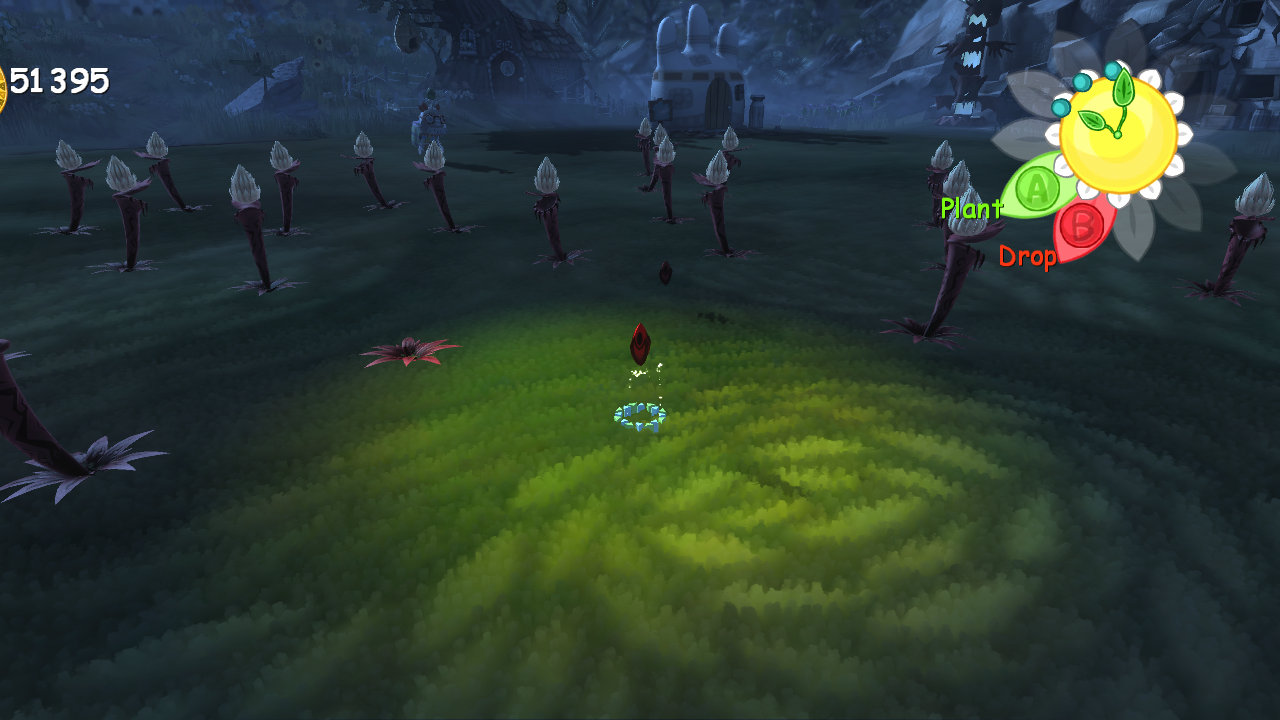
In Viva Pinata, money does not grow on trees. It grows on chili plants, orchids, buzzing honey factories, suspiciously flammable flies, and occasionally a magical well that behaves like a very generous slot machine without the awkward casino carpet. Chocolate Coins are the lifeblood of your garden. Without them, you cannot buy seeds, homes, accessories, fertilizer, decorations, helpers, or the tiny luxuries that convince your paper animals to stop sulking and start romancing.
The beauty of Viva Pinata is that it never forces one single path to success. You can become a careful horticultural entrepreneur, a piñata breeder, a product farmer, or the sort of person who looks at a Taffly and thinks, “You know what would improve this fly? Fire.” This guide covers five practical ways to make money in Viva Pinata, from beginner-friendly income loops to higher-level methods that can turn your garden into a chocolate coin empire.
These strategies are based on real in-game mechanics from the original Viva Pinata and, where noted, Viva Pinata: Trouble in Paradise. Some details vary slightly between versions, but the core principle remains the same: buy low, grow smart, sell high, and never underestimate a piñata with good romance requirements.
Why Chocolate Coins Matter So Much
Chocolate Coins are more than pocket change. They are progress. They let you buy seeds, plants, produce, fertilizer, piñata houses, accessories, paving, fences, tool upgrades, and shop services. In the early game, running out of coins can make your garden feel like a colorful parking lot with worms. In the mid-game, money decides whether you can build homes quickly, meet romance requirements, or set up specialized areas for rare species.
The best money-making methods in Viva Pinata usually share three traits. First, they repeat quickly. Second, they have low startup costs. Third, they fit naturally into normal garden progress. A good method should not require you to stare at one plant for twenty minutes like it owes you rent. It should generate income while helping you attract, romance, evolve, or organize your piñatas.
1. Grow and Sell High-Value Plants
Plant farming is one of the easiest ways to make money in Viva Pinata because it is available early, scales well, and teaches you useful garden habits. Seeds are cheap, plants grow quickly, and with the right fertilizer, the profit can become surprisingly strong. The trick is not simply planting everything you see. The trick is choosing crops that give a good return for the time, space, and care required.
Start with Chili Farming
Chilies are a classic money-maker for a reason. Chili seeds are inexpensive, the crop grows quickly, and a fully fertilized chili can sell for much more than its seed cost. Red fertilizer is the key. When you plant chilies close together, you can sometimes fertilize multiple plants efficiently, turning a small patch of dirt into a spicy little bank account.
A simple chili routine looks like this: buy several chili seeds, plant them in a tidy cluster, apply red fertilizer at the correct growth stages, water them, wait for the crop, then sell the finished chilies. Repeat until your coin total stops looking embarrassing. The garden may briefly resemble a hot sauce factory, but that is a small price to pay for financial freedom.
Move Up to Orchids and Bird of Paradise Flowers
Once you unlock more advanced plants, flowers such as orchids and Bird of Paradise can become excellent income sources. They usually require more care than basic crops, but their sale value can make the effort worthwhile. Fertilizer matters here too. A poorly grown flower is pretty. A properly fertilized flower is pretty and profitable, which is the best kind of pretty.
For maximum value, do not rush to sell the first thing that blooms. Some plants produce flowerheads, seeds, or extra items that can be sold separately. Tap or harvest carefully, sell the valuable parts, and keep at least one seed so you can repeat the cycle without constantly buying replacements. This small habit is the difference between gardening and running a botanical business with excellent margins.
Use a Dedicated Farm Garden
If your main garden is crowded with homes, decorations, ponds, and piñatas with strong opinions, create a separate garden just for farming. Money carries across your profile, so a clean farming garden lets you plant in neat rows without resident piñatas eating your profits, fighting near your crops, or wandering directly into the one place you needed them not to stand.
2. Turn Tafflies into Reddhotts and Sell Them
Few money-making methods in Viva Pinata are as famous as the Taffly-to-Reddhott strategy. It is simple, effective, and just absurd enough to feel perfectly at home in this game. Tafflies are relatively easy to attract, and when you direct one to a Firebrand and then quickly douse it with the watering can, it evolves into a Reddhott. A Reddhott sells for far more than an ordinary Taffly, making this one of the best early-to-mid game income loops.
The basic setup is straightforward. Keep flowers or fruit around to attract Tafflies, place a Firebrand in a convenient location, and keep your watering can ready. Direct the Taffly to the Firebrand, wait for it to catch fire, then water it quickly. The newly evolved Reddhott can be sold for a strong profit.
This method works because evolution increases value. You are not just selling a piñata; you are adding value through a repeatable transformation. In normal human business terms, this is “product upgrading.” In Viva Pinata terms, it is “fly flambé, but make it profitable.”
Tips for a Better Reddhott Farm
Keep the Firebrand close to open space so pathfinding does not turn the process into a tiny insect traffic jam. Avoid placing valuable plants or fragile garden items around the work area. Also, do not keep too many unrelated piñatas nearby. Crowding can slow everything down and make it harder to select the correct target quickly.
If you want to speed things up, create a small “conversion zone” with flowers, fruit, the Firebrand, and enough empty space for Tafflies to move. This turns a chaotic garden chore into a neat little production line. It may not be glamorous, but neither is accounting, and accounting buys piñata mansions.
3. Romance Piñatas, Sell Duplicates, and Chase Wildcards
Breeding piñatas is not only a way to complete awards and unlock new species. It is also one of the most stable ways to earn Chocolate Coins. Once a species becomes resident and meets its romance requirements, you can play the romance maze and produce more of that species. After you earn the awards you need, extra piñatas can be sold.
Early species such as Whirlms are especially useful because their requirements are simple. They are easy to attract, easy to romance, and easy to replace. Selling extra residents after completing species goals gives you money without ruining long-term progress. Just keep a pair if you want to continue breeding, and sell the extras like a responsible garden manager with a clipboard.
Why Wildcard Piñatas Are Worth the Effort
When you get better at romance mazes, you can aim for wildcard or twin bonuses. Wildcard piñatas can be worth significantly more than regular ones, and twins can multiply the reward. The exact value depends on the species and version, but the general rule is clear: skilled romance play can become a serious money engine.
In Viva Pinata: Trouble in Paradise, some players focus on higher-value species such as Pengums for wildcard and twin profits. That requires more setup, including the right environment, house, and romance requirements, but the payout can be enormous compared with basic plant farming. It is not the first method a beginner should try, but once your garden is established, breeding valuable species can fill your wallet quickly.
Do Not Sell Your Progress by Accident
Before you sell duplicates, check whether you still need them for awards, resident requirements, romance chains, or attracting other species. Some piñatas are useful as requirements for rarer animals. Selling everything the moment you see coins can create an annoying loop where you have money but must rebuild your species setup from scratch. That is not strategy. That is gardening with short-term memory loss.
A good rule is to keep two of any species you plan to breed again, keep special variants you care about, and sell the rest after awards are completed. This keeps the garden productive without turning it into a crowded paper zoo.
4. Produce and Sell Resources Like Honey, Milk, and Other Goods
Some piñatas can produce valuable items. This creates a more passive style of income because the piñatas remain in your garden and generate goods over time. Instead of constantly buying seeds or repeating evolution steps, you build a small production system.
Buzzlegums are a popular example because they can make honey. With the right setup, you can collect and sell honey for steady profit. Other domestic or productive piñatas can generate useful items as well, depending on the version and your available shops. These systems become stronger when you automate collection with helpers such as Gatherlings, because manual collection can become tedious once the garden gets busy.
Build Around the Producer
Resource farming works best when the garden is designed for it. Give production piñatas enough space, meet their happiness needs, and keep their area separate from troublemakers. A neat production corner makes it easier to collect items and prevents your garden from becoming a confetti-powered traffic problem.
This method is not always the fastest way to get rich, but it is one of the most satisfying. Your garden starts to feel alive and self-sustaining. Crops grow, piñatas produce goods, helpers gather items, and you sell the output. It is basically a tiny economy, except the workers are adorable and sometimes shaped like bees.
Combine Production with Breeding
The best gardens rarely rely on one income stream. While Buzzlegums produce honey, you can grow chilies. While chilies grow, you can romance Whirlms. While Whirlms romance, a Taffly may wander in and accidentally become your next Reddhott sale. Layering these systems turns waiting time into earning time.
Think of your garden as a schedule. Plants have growth cycles. Piñatas have romance cycles. Productive species have output cycles. The more cycles you run at once, the less time you spend standing around wondering why Seedos is looking at you like that.
5. Use the Wishing Well in Trouble in Paradise
The Wishing Well is a special money-making method associated with Viva Pinata: Trouble in Paradise. Once unlocked, it can be placed in your garden and used by donating Chocolate Coins. In many player-tested strategies, donating larger amounts, especially 1,000 coins at a time, can return valuable coin rewards. It is one of the most famous late-game money loops in Trouble in Paradise.
The Wishing Well is not a beginner method in the same way chili farming is. You need access to it first, and you need enough spare coins to make donations worthwhile. Once you have it, however, it can become a fast way to build wealth, especially when paired with other late-game tools and unlocks.
There is one important warning: do not treat the well as your only plan. If your garden is broke, throwing your last coins into a well and hoping for mercy is not financial planning. It is chocolate-based panic. Use the Wishing Well when you already have a stable income from crops, piñatas, or production. That way, even if a donation is not ideal, your garden economy does not collapse like a badly watered daisy.
Best Money-Making Strategy by Game Stage
Early Game
Start by smashing junk, selling basic items, growing simple crops, and breeding easy residents such as Whirlms. Use the money to buy essential seeds, homes, and garden upgrades. Do not overspend on decorations too early unless they help you meet a requirement.
Mid-Game
Shift into chili farming, Reddhott selling, and more organized breeding. Begin using fertilizer seriously. Build homes only when they support romance goals or species chains. Sell extra piñatas after completing awards, but keep useful breeding pairs.
Late Game
Focus on high-value plants, wildcard breeding, production systems, and advanced methods such as the Wishing Well in Trouble in Paradise. At this stage, your goal is not survival. Your goal is efficiency. You are no longer a gardener. You are the chief financial officer of a candy wildlife preserve.
Common Mistakes That Cost Players Money
The first mistake is selling too early. A plant may be worth more if fertilized properly or harvested for parts. A piñata may be worth more if evolved, made into a variant, or used for breeding before being sold.
The second mistake is overcrowding. Too many piñatas, homes, plants, and decorations make it harder to manage tasks. A crowded garden also increases the chance of fights, sickness, and general nonsense. Cute nonsense, but nonsense.
The third mistake is ignoring fertilizer. Fertilizer can dramatically raise plant value when applied correctly. If you are farming for money and skipping fertilizer, you are leaving coins in the dirt.
The fourth mistake is spending every coin immediately. It is tempting to buy the fanciest house or accessory as soon as you can afford it, but keeping a reserve lets you respond quickly when a rare opportunity appears. A good gardener always has emergency chocolate money.
Extra Experience: What It Feels Like to Actually Build a Coin-Making Garden
The first time you try to make serious money in Viva Pinata, the garden usually looks less like a business and more like a birthday party after a raccoon attack. There are random seeds everywhere, piñatas wandering into construction zones, a plant you forgot to water, and at least one Whirlm staring into the distance as if it has seen the future and the future is compost.
My favorite approach is to begin with a “messy but useful” garden. I let the early species arrive naturally, romance the easy ones, and sell extras only after I have earned the basic awards. This gives the garden a rhythm. You are not grinding one action endlessly. You are always doing something: planting, watering, directing, collecting, selling, or watching two piñatas attempt a romance maze with the coordination of shopping carts.
Chili farming feels like the first real breakthrough. At the start, every purchase feels expensive. A house costs too much. Fertilizer feels like a luxury. Even a seed purchase can make you wonder whether your garden has entered a recession. Then the chili loop clicks. You plant several seeds, fertilize them, sell the finished chilies, and suddenly the coin total jumps. It is not glamorous, but it works. The garden becomes a tiny agricultural hustle, and you begin to understand why players still recommend chilies years later.
The Taffly-to-Reddhott method is funnier and faster. There is something deeply Viva Pinata about creating wealth through emergency insect firefighting. The first time it works, it feels like discovering a secret business school taught by cartoon flies. A Taffly wanders in, you send it to the Firebrand, water it at the right moment, and now you have a much more valuable piñata. Sell it, repeat it, and suddenly your garden budget has muscles.
Breeding for money is slower but more rewarding. It encourages you to learn each species instead of treating the garden like a vending machine. Once you understand romance requirements, homes, happiness, and maze bonuses, duplicate piñatas become a renewable resource. Wildcards add an extra layer of excitement because skill can increase profit. It makes the romance maze feel less like a chore and more like a timed treasure hunt, except the treasure is a slightly weird animal made of paper and candy.
Production farming is the most relaxing method. Setting up Buzzlegums for honey, organizing collection, and selling goods creates a pleasant background income. It is not always the fastest route, but it makes the garden feel like a living machine. You can farm crops in one corner, breed piñatas in another, and collect products while everything else runs. That is when Viva Pinata becomes especially satisfying: not when you are doing one profitable trick, but when several small systems are working together.
The biggest lesson is that money in Viva Pinata rewards planning more than rushing. A player who spends every coin on decorations may have a beautiful garden and an empty wallet. A player who builds income first can later afford the decorations, the rare homes, the accessories, and the fancy layout. In other words, make the garden rich first. Make it fabulous second. Your piñatas will forgive the temporary lack of style, probably.
Conclusion
Making money in Viva Pinata is not about one perfect trick. It is about understanding how the garden economy works. Plants become valuable with fertilizer. Piñatas become valuable through residence, romance, evolution, and rarity. Productive species generate goods. Shops let you turn unwanted items into coins. In Trouble in Paradise, the Wishing Well can become a powerful late-game bonus once you have the funds to use it safely.
For beginners, chili farming and easy piñata breeding are the best starting points. For faster cash, Reddhott selling is hard to beat. For long-term wealth, combine high-value crops, wildcard breeding, and production systems. Do that, and your garden will stop feeling like a financial crisis with flowers and start feeling like a chocolate coin kingdom.
Note: This article is an original, web-ready guide based on real Viva Pinata gameplay systems, including Chocolate Coins, plant farming, fertilizer, piñata evolution, romance rewards, production items, shops, and Trouble in Paradise money-making mechanics.