

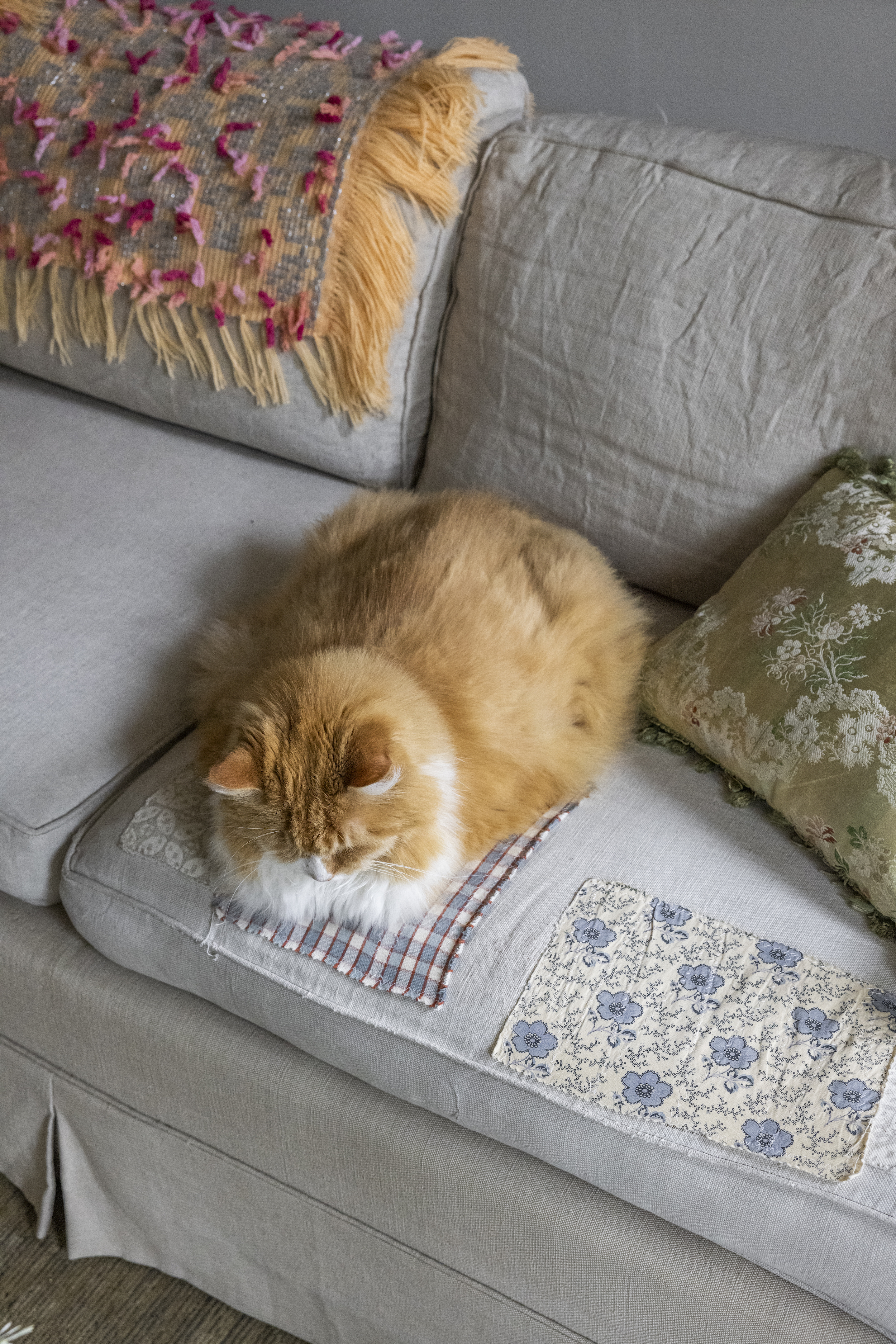
A sofa with a rip, faded armrest, or suspiciously lumpy cushion does not necessarily need a dramatic trip to the curb. Sometimes it needs a little patience, a sturdy needle, and the confidence to admit that perfection is overrated. A patched and mended sofa can become the most interesting piece in your living room: part practical repair, part personal history, and part proof that your household has survived movie nights, pets, snack crumbs, and at least one mysterious stain.
This DIY sofa repair idea embraces visible mending rather than trying to make every repair disappear. Instead of hiding worn spots under a throw blanket forever, you can reinforce them with beautiful fabric patches, hand stitching, contrast thread, textured trim, and small details that make the sofa look intentionally creative. Think less “my couch lost a fight with the cat” and more “this is a custom textile art piece with excellent seating.”
Why a Patched and Mended Sofa Is Worth the Effort
Furniture repair is one of those satisfying home projects that sits right at the intersection of budget-friendly decorating and practical problem-solving. A sofa may look tired because of one damaged cushion seam, a frayed corner, faded fabric, or a hole where the upholstery has finally waved a tiny white flag. Yet the frame, springs, and overall comfort may still be perfectly good.
Before buying a replacement sofa that arrives in six boxes and requires an engineering degree to assemble, inspect the piece you already own. If the frame feels stable, the legs are secure, and the cushions still provide reasonable support, a DIY upholstery patch can add years of useful life. A repair is especially worthwhile when the sofa fits your room well, has sentimental value, or remains more comfortable than the fancy-looking couch at your neighbor’s house that feels like sitting on a decorative brick.
Visible Mending Turns Damage Into Design
Visible mending is a repair approach that does not pretend the damage never happened. Instead, it highlights the repair with deliberate stitching, contrasting fabrics, or decorative patches. The result can feel warm, handmade, and lived-in rather than worn-out.
For a sofa, visible mending works beautifully with denim, canvas, linen, cotton twill, vintage textiles, grain-sack fabric, patterned upholstery remnants, and even small pieces of sturdy curtain material. The key is to choose fabrics that feel intentional together. A single bright patch on a neutral couch can look playful. A collection of similar blue, gray, and cream patches can create a calm, layered look. A neon leopard-print patch can also work, although it may require a certain level of emotional commitment.
First, Decide Whether Your Sofa Needs Repair or Rescue
Not every sofa is a good candidate for DIY mending. Cosmetic damage is often manageable. Structural trouble is a different creature entirely. If your sofa rocks, has a cracked frame, sinks dramatically in one spot, smells strongly of mildew, or has springs that appear to be planning an escape, address those issues before working on the fabric.
Good Candidates for a Patched Sofa Project
- Small tears, punctures, worn armrests, or thinning upholstery fabric.
- Loose seams on removable cushion covers.
- Frayed edges around piping, welting, or cushion corners.
- Faded areas that would look better with intentional fabric patches.
- Minor pet damage that has not reached the cushion filling or frame.
- Comfortable sofas with solid frames and generally supportive cushions.
When to Call a Professional Upholsterer
Consider professional help when the sofa has antique value, expensive leather, extensive spring damage, major water damage, or a complex shape with deep tufting, elaborate channels, or oversized curved sections. A professional upholsterer can rebuild a piece from the frame outward, but that level of work is very different from a simple DIY couch makeover.
For most small tears and surface damage, however, you do not need to transform yourself into a full-time upholstery wizard. You only need a repair that is secure, neat enough, and strong enough to survive regular use.
What You Need for a DIY Sofa Repair
Your exact supply list will depend on the type of damage, but gathering materials before you begin prevents the classic DIY moment when you are halfway through a project, covered in thread, and suddenly realize the scissors are in another room.
Basic Patched and Mended Sofa Supplies
- Upholstery-weight fabric, denim, canvas, cotton twill, or durable fabric scraps.
- A curved upholstery needle or sturdy hand-sewing needle.
- Heavy-duty upholstery thread or embroidery floss for decorative stitching.
- Fabric scissors or sharp shears.
- Fray-prevention adhesive or fabric glue, used sparingly.
- Measuring tape or ruler.
- Tailor’s chalk, washable fabric marker, or a pencil for marking placement.
- Iron-on patches for lightweight surface repairs, if compatible with the fabric.
- A small piece of backing fabric for holes and weak areas.
- Lint roller, vacuum, and upholstery-safe cleaner for preparation.
Always check the sofa’s care tag before cleaning or applying any product. Upholstered furniture often carries cleaning codes that indicate whether water-based cleaners, solvent-based products, or vacuum-only care are appropriate. Test cleaners, adhesives, and dyes in a hidden spot first. The underside of a cushion is generally a better test location than the middle of your favorite seating spot, where a bad experiment becomes a permanent conversation starter.
How to Patch a Torn Sofa: A Step-by-Step Guide
Step 1: Clean and Inspect the Damaged Area
Begin by vacuuming the damaged section with a soft brush attachment. Remove crumbs, pet hair, dust, and loose threads so you can see the actual extent of the problem. If the fabric is stained, clean it according to the care label and allow it to dry completely before sewing or gluing anything in place.
Look closely at the tear. Is it a clean split along a seam? Is there missing fabric? Are the edges fraying? Is the cushion filling pushing through? Each issue needs a slightly different repair approach.
Step 2: Stabilize the Fabric Before It Gets Worse
Small tears have a charming habit of becoming large tears at the exact moment someone sits down with a bowl of popcorn. Reinforce weak fabric before it spreads. For a rip or hole, place a backing patch behind the damaged area. The patch should extend beyond the tear on every side so it has enough fabric to anchor the repair.
Use a patch that is slightly larger than the damaged opening. Slide it carefully beneath the upholstery fabric, smooth it flat, and secure it with a few temporary pins if the fabric allows. Avoid pins in areas where someone may sit before you finish the repair. Upholstery projects should be cozy, not suspenseful.
Step 3: Choose Your Patch Style
You have two main choices: invisible repair or visible mending. An invisible repair uses a patch that closely matches the original upholstery and is stitched as discreetly as possible. Visible mending uses a contrasting patch, decorative stitch pattern, or intentionally layered fabric.
For a visible patch, try rounded corners rather than sharp square corners. Rounded edges are less likely to lift, curl, or look like an emergency bandage from a very fashionable hospital. You can cut circles, ovals, soft rectangles, leaves, triangles, or irregular organic shapes depending on the room’s style.
Step 4: Stitch the Patch Securely
For small repairs, a whip stitch or ladder stitch can bring torn fabric edges together. A ladder stitch works especially well when repairing a split seam because the thread can hide between the folded edges. Pull the thread snugly, but do not yank so hard that the fabric puckers. Your goal is a smooth repair, not a sofa that looks permanently surprised.
For a decorative patch, use a running stitch, blanket stitch, cross stitch, or sashiko-inspired grid pattern. Sew around the outer edge of the patch first, then add a few interior stitches to keep the center from lifting during everyday use. Decorative stitching can create texture and make the patch look intentional even from across the room.
Step 5: Reinforce the Inside of the Repair
If you can access the back of the fabric, add a reinforcing layer behind the tear. This is especially helpful for thin upholstery or damage along a cushion edge. A backing patch made from canvas, cotton twill, or upholstery fabric can distribute pressure and prevent the original fabric from tearing again immediately.
Use fabric glue only where it supports the stitching rather than replacing it. Too much adhesive can dry stiff, create shiny spots, or make a cushion feel like it has developed a tiny plastic shell. A little goes a long way.
Step 6: Finish the Edges and Let Everything Set
Trim loose threads carefully, but do not cut too close to the stitching. If your patch fabric tends to fray, use a small amount of fray-prevention product around the edges or fold the raw edge under before stitching. Allow any adhesive to dry fully before putting the cushion back into service.
Once the repair is complete, press the surrounding fabric gently with your hands and adjust the cushion filling if necessary. A patched sofa should still feel comfortable, not like it is hiding a craft-store receipt under the seat.
Creative Patch Ideas for a One-of-a-Kind Couch
Denim Patches for Casual, Durable Style
Denim is a natural choice for DIY sofa repair because it is sturdy, familiar, and forgiving. Use old jeans in similar shades for a subtle patchwork effect, or mix light, medium, and dark denim for a relaxed, collected-over-time look. Pockets can even become playful design elements on the side of a sofa or the back of removable cushions.
Neutral Linen for a Soft, Tailored Look
If your sofa is beige, gray, cream, or taupe, neutral linen patches can make repairs look polished rather than improvised. Choose a slightly different texture or shade so the patch feels designed instead of accidentally mismatched. Add simple hand stitching in charcoal, tan, or soft white for a calm, modern finish.
Color-Blocked Repairs for a Modern Sofa Makeover
A faded or worn sofa can become a color-blocked statement piece with patches in coordinated hues. Try rust, ochre, olive, navy, and cream for a warm modern palette. Or use black, white, gray, and one bright accent color for a more graphic look. Repeat one patch color in a pillow or throw blanket to make the repaired sofa feel integrated into the room.
Vintage Fabric for a Storytelling Sofa
Vintage tablecloths, embroidered linens, quilt fragments, and inherited fabrics can add personality to a patched couch. Use small sections rather than covering huge areas, especially if the fabric is delicate. Reinforce vintage textiles with a sturdy backing fabric before sewing them onto a high-use seat cushion.
How to Make a Patched Sofa Look Intentional
The difference between “creative upholstered sofa” and “something happened here” often comes down to repetition. One patch may look random. Two or three patches placed thoughtfully can look like a design choice.
Repeat colors, textures, or stitch styles across the sofa. For example, if you repair one armrest with navy canvas and white stitching, add a smaller navy patch to a cushion corner or make matching throw pillow covers. If you use mustard-yellow thread around one patch, repeat that color in a throw blanket, artwork, or ceramic vase nearby.
Keep the room around the sofa relatively simple. A patched couch already has visual interest, so it does not need to compete with seventeen patterned pillows, three rugs, and a lampshade wearing sequins. Let the sofa be the character with the best stories.
Common DIY Sofa Repair Mistakes to Avoid
- Using thin craft fabric: Lightweight fabric may look cute for one week and then fray under regular use.
- Skipping the backing patch: A patch over a weak hole without reinforcement may pull away quickly.
- Pulling stitches too tight: Over-tight thread can pucker upholstery and stress the surrounding fabric.
- Ignoring the cleaning code: The wrong cleaner can leave water rings, discoloration, or fabric damage.
- Repairing over damp fabric: Moisture can trap odors and weaken the finished repair.
- Using too much glue: Glue should support a repair, not turn your cushion into a decorative coaster.
- Trying to repair major frame damage with fabric: Fabric patches are excellent for upholstery problems, not broken furniture bones.
Caring for Your Mended Sofa
Once your patched and mended sofa is complete, routine care will help it stay attractive. Vacuum seams and cushions regularly, especially if pets claim the sofa as their personal kingdom. Rotate loose cushions so one favorite seat does not receive every movie marathon, afternoon nap, and accidental coffee spill.
Blot new spills quickly instead of rubbing them deeper into the fabric. Keep sharp objects away from patched areas, and check stitches occasionally for loose ends. Small maintenance repairs are faster, cheaper, and much less dramatic than waiting until a tiny fray becomes a fabric canyon.
Conclusion: Let Your Sofa Keep Its Stories
A patched and mended sofa is not a compromise. It is a creative response to ordinary wear, a budget-friendly furniture makeover, and a chance to make your home feel more personal. A repaired couch can be softer, more interesting, and more meaningful than a brand-new replacement that looks like it has never hosted a sleepy dog, a rainy-day movie, or an overconfident bowl of salsa.
Whether you choose matching upholstery patches for a subtle repair or bold visible mending for a statement look, the goal is the same: make the sofa useful, comfortable, and uniquely yours. A little fabric, a few stitches, and a refusal to give up too early can turn a worn couch into the best seat in the house.
Experience Notes: What Living With a Patched and Mended Sofa Feels Like
The most surprising thing about a patched sofa is that people tend to notice it in a good way. At first, there may be a brief adjustment period. You might walk into the room, see the repaired area, and wonder whether the patch looks too bold, too handmade, or too much like you temporarily lost control in the fabric-remnant aisle. Then the sofa becomes part of the room again. The patch stops looking like damage control and starts looking like character.
Many DIYers discover that the project changes the way they view furniture. Instead of seeing every scratch, loose seam, or faded corner as proof that something has reached the end of its life, they start seeing possibilities. A worn armrest becomes a place for a leather-look reinforcement. A ripped cushion becomes an excuse for a contrast patch. A faded seat becomes the beginning of a coordinated patchwork pattern. The sofa feels less disposable because someone took the time to care for it.
There is also something quietly satisfying about making a repair that works. The first time someone sits on the mended cushion and nothing pulls, puckers, or pops loose, it feels like a small household victory. You may not receive a trophy, a parade, or even a polite applause from the cat, but you will know that the repair held. That is enough.
A patched sofa can also become a useful lesson in restrained creativity. The temptation is to keep adding patches because the process is fun. One patch becomes three. Three patches become a cushion overhaul. Suddenly you are considering embroidery on the backrest and wondering whether the sofa needs tassels. It is usually wise to pause occasionally, step back across the room, and ask whether the design still feels balanced. A little imperfection is charming; a full textile carnival may need a stronger decorating plan.
The practical benefits show up over time. You save money by delaying or avoiding a major furniture purchase. You reduce waste by keeping a usable sofa in service. You learn basic sewing and repair skills that can transfer to pillows, dining chairs, ottomans, curtains, and even clothing. More importantly, you gain confidence. The sofa no longer feels like an expensive object that must remain untouched. It becomes something you can maintain, adapt, and improve.
Living with a mended sofa also makes a room feel more relaxed. Guests are less likely to worry about sitting too carefully when the furniture already has a visible history. Kids, pets, and ordinary life feel less threatening when the couch is not trying to maintain showroom-level perfection. The sofa still deserves care, of course, but it no longer demands fear. It has already survived a repair, which gives it a certain heroic energy.
In the end, the patched and mended sofa often becomes more beloved than the pristine version ever was. It is comfortable, useful, and full of small evidence that someone chose repair over replacement. That choice gives the piece warmth. The stitches may be visible, the patch may not match exactly, and the couch may still have one cushion everyone fights over, but that is the point. A home does not need to look untouched to look beautiful. Sometimes the repairs are the best part of the story.