

Note: This article is based on real public reporting, official documentary information, and Colorado-local coverage. Source links are intentionally not inserted into the HTML body so the content is clean for web publishing.
Most restaurant renovation stories begin with drywall, a new menu, and someone bravely pretending the old carpet “has character.” Casa Bonita’s comeback began with something much stranger: two of the most successful comedy creators in television buying a gigantic pink Colorado landmark, discovering it was in far worse shape than expected, and then letting cameras capture the whole glorious, expensive, slightly bananas rescue mission.
That is how South Park creators Trey Parker and Matt Stone turned the Casa Bonita renovation into more than a restaurant reopening. Their attempt to revive the Lakewood, Colorado, institution became the subject of the 2024 documentary ¡Casa Bonita Mi Amor!, directed by Arthur Bradford. The film follows Parker and Stone as they try to save a place they loved as kids: a sprawling eatertainment palace famous for cliff divers, Black Bart’s Cave, puppet shows, sopaipillas, a gorilla mascot, and food that was historically discussed with the enthusiasm usually reserved for jury duty.
The timing made the story even more fascinating. Casa Bonita had soft-opened in stages, but broad public access was still limited when the documentary arrived. In other words, the movie reached audiences while the restaurant was still transforming from legend to functional business. It was a behind-the-scenes feature before the new Casa Bonita had truly settled into its public era.
Why Casa Bonita Was Never Just a Restaurant
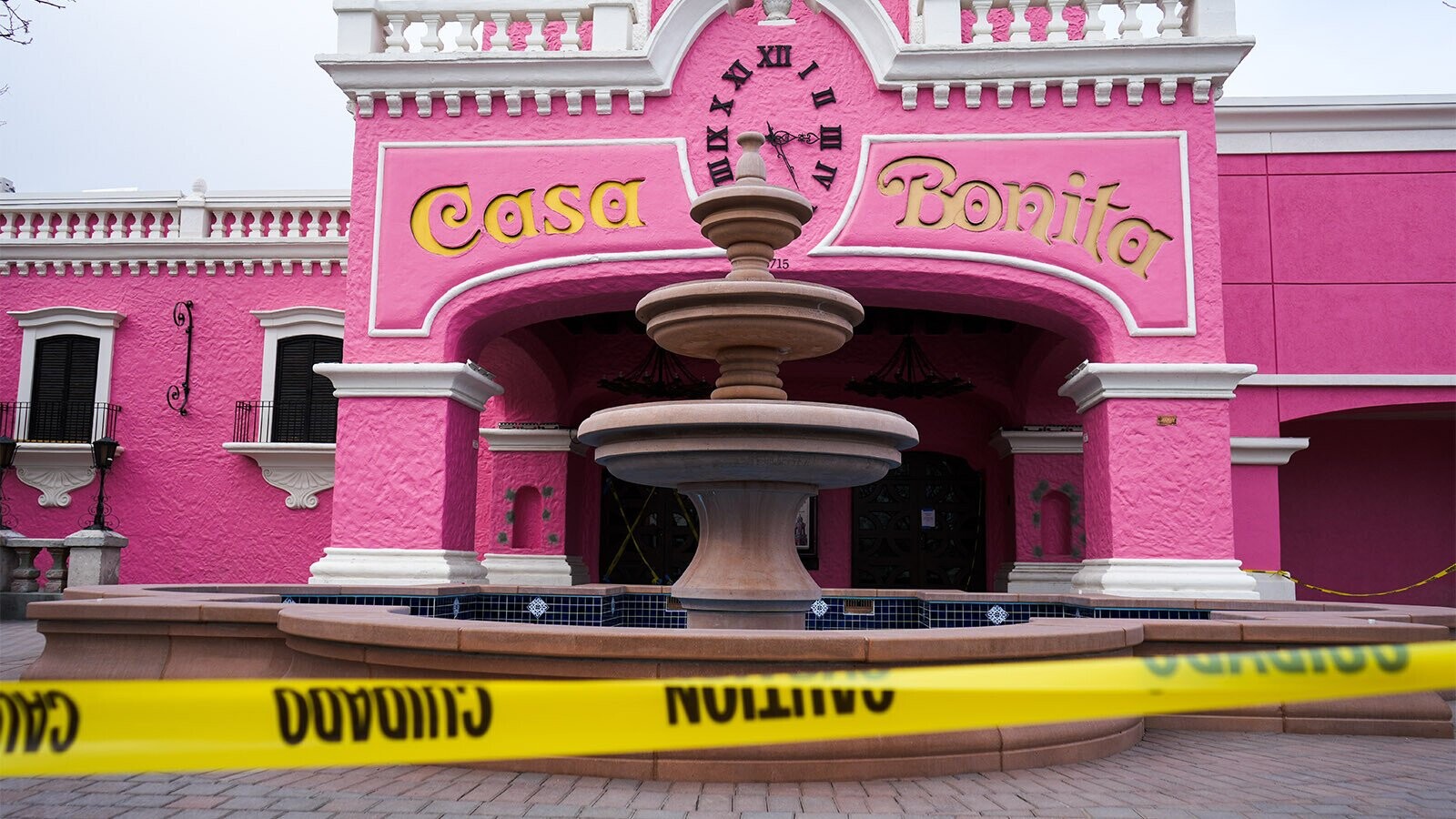
Casa Bonita first opened its Colorado location in 1974 and quickly became one of the Denver area’s strangest treasures. Calling it a restaurant is technically correct, the same way calling Mount Rushmore “some rocks” is technically correct. It was a themed world tucked into a strip mall: part cafeteria, part stage show, part childhood fever dream.
The building became famous for its 30-foot indoor waterfall, live cliff divers, winding caves, arcade games, skits, magic, music, and the ritual of raising a little flag for more sopaipillas. Generations of Colorado kids grew up remembering birthday parties there, even if the enchiladas were not exactly whispering “James Beard Award.” Casa Bonita’s real product was atmosphere. The meal was almost a cover charge for entering a pink alternate universe.
For Trey Parker and Matt Stone, Casa Bonita was also personal. The pair grew up in Colorado and immortalized the restaurant in the 2003 South Park episode “Casa Bonita,” where Cartman becomes dangerously committed to attending Kyle’s birthday party at the restaurant. The episode helped introduce the place to a national audience, but Casa Bonita already had deep local roots long before it became a pop-culture punchline.
From Childhood Memory to $40 Million Reality Check
When Casa Bonita closed during the COVID-19 pandemic and later entered bankruptcy, Parker and Stone saw an opportunity to rescue something they believed was worth preserving. On paper, it sounded almost charming: buy the old place, clean it up, improve the food, keep the magic, and reopen the doors. Easy, right?
That is the kind of sentence that makes contractors laugh into their invoices.
What began as a renovation became a massive restoration. Reports placed the cost at more than $40 million, with later interviews suggesting the total may have climbed even higher. The problem was not just cosmetic. The documentary and local reporting describe a building with serious infrastructure issues, aging systems, safety concerns, and the sort of hidden problems that make “new carpet” feel like using a Band-Aid on a volcano.
The renovation had to address plumbing, electrical systems, HVAC, kitchens, performance spaces, lighting, sound, guest flow, employee areas, and the physical demands of live entertainment. It was not enough to repaint the famous pink exterior and call it a day. Casa Bonita had to function as a restaurant, theater, tourist attraction, workplace, and nostalgia machine all at once.
Why the Documentary Works
¡Casa Bonita Mi Amor! works because it is not just a corporate “look what we built” video with flattering lighting and suspiciously cheerful employees. Director Arthur Bradford had a long creative relationship with Parker and Stone, including work connected to the Emmy-nominated Six Days to Air, which documented the making of South Park. That history gave Bradford unusual access to the two creators as they stumbled, joked, worried, spent money, and kept pushing forward.
The film captures the renovation as a comedy of escalation. At first, Parker and Stone seem like two successful artists chasing a childhood dream. Then the dream reveals structural problems, budget explosions, cultural questions, food challenges, and the weight of public expectation. The result is part restaurant makeover, part business cautionary tale, part love letter to Colorado weirdness.
What makes the documentary especially compelling is the contrast between Parker and Stone’s usual public image and the sincerity of the project. These are the guys behind one of the most irreverent shows in television history. Yet here they are obsessing over puppet shows, pool safety, menu quality, and whether families will still feel the same goofy wonder they felt decades ago.
The “Change Nothing, Improve Everything” Problem
The unofficial spirit of the renovation can be summarized as: change nothing, improve everything. That sounds elegant until you try to apply it to a huge themed restaurant where the charm often came from the very things that were falling apart.
Casa Bonita fans wanted the place preserved, not replaced. They wanted the cliff divers. They wanted the caves. They wanted the arcade energy, the goofy performances, the pink exterior, the odd little corners, and the sense that the building had been designed by someone who asked, “What if a restaurant had side quests?”
At the same time, the old Casa Bonita had problems that could not be solved with nostalgia. The food needed a serious upgrade. Safety systems needed modernization. The employee experience had to be reconsidered. The building needed to welcome modern crowds without becoming a sterile theme-park replica of itself.
That tension is the heart of the story. Parker and Stone were not simply restoring a restaurant. They were trying to restore a feeling. Feelings, unfortunately, do not come with architectural drawings.
Dana Rodriguez and the Food Makeover
One of the smartest moves in the Casa Bonita renovation was bringing in chef Dana Rodriguez as a culinary partner. Rodriguez, a respected Denver chef with multiple James Beard nominations, represented a serious attempt to fix Casa Bonita’s most famous weakness: the food.
For decades, the joke was that you did not go to Casa Bonita for dinner; you went because a diver might leap off a waterfall while you were holding a tray. The renovated restaurant had to keep the spectacle but make the meal more than an afterthought. Rodriguez’s involvement signaled that Parker and Stone understood the new Casa Bonita needed better food to match the restored experience.
That does not mean Casa Bonita suddenly became a quiet chef-driven tasting room. Nobody walks into a massive pink palace with a haunted cave expecting tweezers and microgreens. The challenge was to create food that could serve huge crowds, satisfy families, and still feel connected to the playful identity of the place. In a restaurant where the show is the headline, the food simply had to stop being the punchline.
Soft Opening, Public Demand, and the Reservation Frenzy
Casa Bonita’s reopening did not happen with one simple ribbon-cutting ceremony. Instead, the restaurant entered a long soft-opening phase beginning in 2023, using invite-only and lottery-style access before later opening reservations more broadly to the public.
That slow rollout created enormous demand. When public reservations finally opened in September 2024, reports described tens of thousands of people entering the online queue. The result proved something important: Casa Bonita was not just a local memory being kept alive by a handful of nostalgic Denverites. It had become a national curiosity powered by South Park fame, documentary attention, and the universal human desire to eat near a waterfall without leaving the suburbs.
The reservation frenzy also reinforced why the documentary mattered. Viewers were not just watching a completed success story. They were watching the messy middle of a revival that people were still trying to experience for themselves. The film became part of the reopening campaign, part historical record, and part emotional explanation for why this expensive project mattered to the people behind it.
What the Casa Bonita Story Says About Nostalgia
Nostalgia can be dangerous. It makes people buy old toys online at 2 a.m. It convinces adults that discontinued cereal was better than it probably was. And sometimes, if you are Trey Parker and Matt Stone, it persuades you to spend tens of millions of dollars restoring a giant restaurant with cliff divers.
But nostalgia is not automatically shallow. At its best, it protects places that communities genuinely love. Casa Bonita mattered because it gave people memories that felt bigger than the meal. It was a place where kids could wander through caves, watch live performers, and feel like the world was stranger and more theatrical than the parking lot outside.
The documentary understands that contradiction. Casa Bonita was kitschy, culturally complicated, often mocked, and not always well-maintained. It was also beloved. Parker and Stone’s renovation does not erase those tensions. Instead, it puts them on screen and asks whether a flawed landmark can be improved without losing the weirdness that made it worth saving.
Why This Documentary Arrived at the Perfect Time
The documentary treatment arrived before Casa Bonita’s broad public reopening era had fully settled, which gave the film a sense of urgency. It was not a victory lap after years of smooth operation. It was a progress report from the edge of chaos.
That timing helped ¡Casa Bonita Mi Amor! feel alive. Audiences could see the risk before the story had hardened into a neat marketing slogan. The film showed the worry behind the spectacle: the budget creep, the construction surprises, the pressure to please longtime fans, and the emotional cost of trying to rebuild your childhood with adult money.
For entertainment fans, the documentary offered a rare look at Parker and Stone outside the normal South Park machine. For restaurant fans, it showed the terrifying reality of reviving a massive hospitality space. For Colorado locals, it documented a landmark that had lived in memory, jokes, and birthday-photo albums for half a century.
Experience Section: What It Feels Like to Follow the Casa Bonita Comeback
The experience surrounding Casa Bonita’s renovation is unusual because it blends three different feelings: the excitement of a restaurant reopening, the suspense of a construction disaster story, and the emotional pull of revisiting childhood. Most restaurant news is practical. Is the menu good? Are the prices fair? Can you get a table? Casa Bonita adds another question: will it still feel like Casa Bonita?
For many people, the most powerful experience is not the food or even the cliff diving. It is the moment of recognition. You see the pink tower, hear the buzz of families and performers, and suddenly understand why adults were so worried about whether the renovation would “ruin” the place. Casa Bonita is built from memory. Change too little, and the old problems remain. Change too much, and the magic gets polished into something generic.
That is why the documentary experience is so satisfying. It lets viewers feel the stakes before they ever step inside the building. Watching Parker and Stone move through the renovation is like watching someone restore a beloved old arcade cabinet, except the cabinet is 50,000-plus square feet, contains live performers, and apparently eats money for breakfast. The film makes the viewer appreciate the absurd difficulty of saving a place whose flaws were part of its identity.
There is also a visitor’s fantasy built into the story. Imagine finally getting a reservation after months of waiting. You arrive in Lakewood, walk toward the famous pink exterior, and feel a strange mix of theme-park excitement and “I cannot believe this is in a strip mall.” Inside, the experience is not just dinner. It is wandering, watching, discovering, and trying to time your meal around cliff-diver performances. You may start with tacos, but the real itinerary includes Black Bart’s Cave, the puppet show, the arcade, magic, live characters, and the little thrill of realizing the building is designed to be explored.
The renovated Casa Bonita also creates a different experience for longtime fans versus first-time visitors. Longtime guests compare everything to memory: the smell, the lighting, the sopaipillas, the waterfall, the weird corners. Newcomers compare it to modern immersive entertainment, where every room is expected to deliver a moment. The miracle is that Casa Bonita can speak to both groups. It is old-fashioned and newly engineered, corny and ambitious, local and internationally recognizable because of South Park.
That dual identity is exactly why the documentary belongs in the story. Without it, the renovation might look like celebrity owners throwing money at a novelty restaurant. With it, the project becomes a case study in creative obsession. Parker and Stone did not simply buy a brand. They inherited a complicated cultural object: part restaurant, part stage, part Colorado memory, part joke, part sincere community landmark.
The best experience connected to the Casa Bonita comeback may be realizing that silliness can be worth protecting. Not everything important has to be elegant. Some landmarks matter because they are ridiculous in a way no committee could recreate. Casa Bonita’s renovation shows that preserving fun can be serious work. The documentary proves that behind every restored waterfall, there may be a budget meeting, an existential crisis, and at least one person wondering how many sopaipillas it takes to justify a $40 million dream.
Conclusion
Trey Parker and Matt Stone’s Casa Bonita renovation is one of the strangest and most endearing entertainment-business stories of the past few years. It involves celebrity owners, a beloved Colorado landmark, a massive renovation budget, a better menu, cliff divers, documentary cameras, and enough nostalgia to power a small amusement park.
¡Casa Bonita Mi Amor! captures that story before the dust had fully settled. It shows the gap between childhood memory and adult responsibility, between wanting to preserve a place and discovering just how much preservation can cost. The documentary is funny because the situation is absurd, but it is moving because the obsession is sincere.
Casa Bonita was never only about food. It was about wonder, spectacle, family rituals, local identity, and the rare joy of eating dinner while something completely unnecessary and delightful happens nearby. Parker and Stone’s renovation may have begun as a nostalgic gamble, but the documentary makes clear why the gamble mattered. In a world where beloved places often disappear quietly, Casa Bonita got a second act, a bigger budget, and its own movie. Not bad for a pink palace built on cliff dives and sopaipillas.