

Migraine has a talent for arriving at the least convenient moment. It can turn a normal afternoon into a negotiation with darkness, silence, nausea, and an ice pack that has somehow become your closest friend. When medication does not provide enough relief, causes troublesome side effects, or simply feels like one more item in an overstuffed medicine cabinet, acupuncture may enter the conversation.
Acupuncture is a traditional practice that involves placing very thin needles at selected points on the body. Modern clinicians generally describe it as a complementary treatment rather than a cure or replacement for medical migraine care. Research suggests that it may reduce the frequency of attacks for some people, particularly when used as a preventive strategy. However, results vary, the exact mechanism remains under investigation, and nobody should expect one strategically placed needle to evict migraine forever.
What Is Acupuncture?
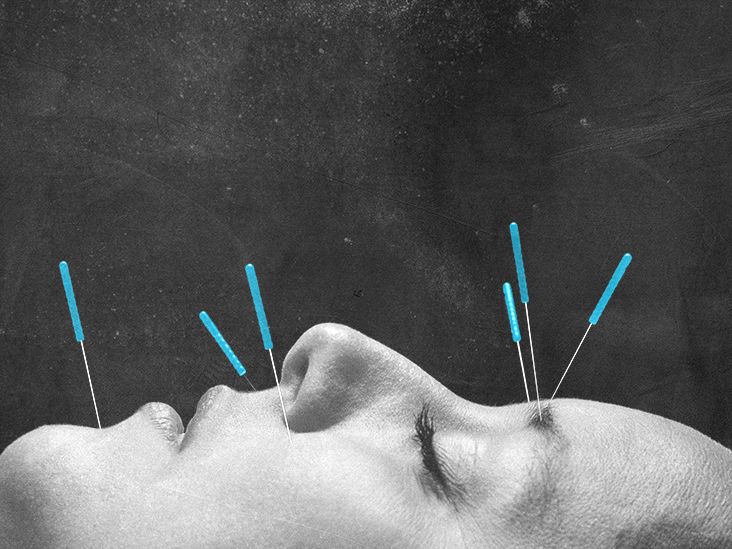
Acupuncture developed as part of traditional Chinese medicine and has been practiced in various forms for thousands of years. During a session, a trained practitioner inserts sterile, hair-thin needles into specific areas known as acupuncture points. The needles may be gently rotated, moved, warmed, or connected to a device that delivers a mild electrical current, a variation called electroacupuncture.
Traditional explanations describe acupuncture as a way to balance the flow of energy, or qi, through pathways called meridians. Modern scientific explanations focus more on possible effects involving nerves, connective tissue, blood flow, pain-processing pathways, and naturally occurring chemicals in the brain.
These explanations are not necessarily interchangeable, and researchers have not identified one single mechanism that accounts for every reported effect. The practical question for most people with migraine is simpler: Can it make attacks less frequent, less severe, or easier to manage?
Can Acupuncture Help With Migraine?
Research indicates that acupuncture may help prevent migraine attacks in some adults. Reviews of clinical trials have found that people receiving acupuncture often experience fewer headache or migraine days than people receiving routine care alone or no preventive treatment.
Comparisons with sham acupuncture are more complicated. Sham treatment may involve shallow needling, nonpenetrating devices, or needles placed away from traditional acupuncture points. In many studies, true acupuncture performs better than sham treatment, but the difference is usually smaller than the difference between acupuncture and no additional care.
This does not automatically mean the treatment is useless or “just placebo.” Sham acupuncture can stimulate the skin, create expectations of improvement, encourage relaxation, and provide regular interaction with a practitioner. In other words, designing a completely inactive acupuncture placebo is surprisingly difficult. The fake treatment sometimes refuses to behave like a proper fake.
Acupuncture appears more useful for prevention
Most of the strongest evidence concerns migraine prevention rather than stopping a severe attack that is already underway. A preventive treatment is judged by changes over weeks or months, such as fewer migraine days, reduced attack intensity, less reliance on rescue medication, or improved ability to work and complete normal activities.
Acupuncture should not be treated as an emergency remedy for a sudden, unusual, or rapidly worsening headache. Someone experiencing a possible medical emergency needs prompt evaluation, not an appointment for next Tuesday and a soothing playlist.
How acupuncture compares with medication
Some studies suggest that acupuncture may offer preventive benefits comparable to certain medications, with fewer medication-related side effects. That does not mean it is superior to every preventive drug, injectable treatment, neuromodulation device, or behavioral therapy.
Migraine prevention is increasingly individualized. A person may benefit from acupuncture alone, but it is often more realistic to use it alongside prescribed treatment, regular meals, consistent sleep, hydration, exercise, stress management, and trigger awareness.
How Might Acupuncture Affect Migraine?
Migraine is a neurological disorder involving altered sensory processing, activation of pain pathways, and changes in signaling between the brain, nerves, and blood vessels. It is not simply a bad headache caused by being stressed or forgetting to drink a heroic amount of water.
Researchers have proposed several ways acupuncture might influence migraine:
- Modulating pain signals traveling through the nervous system
- Influencing brain regions involved in pain perception and emotional response
- Encouraging the release of natural pain-regulating chemicals
- Reducing muscle tension in the neck, jaw, shoulders, or scalp
- Supporting relaxation and reducing the physiological effects of stress
- Changing activity in pathways associated with inflammation and sensory sensitivity
These mechanisms remain areas of active research. It is safest to say that acupuncture may influence several overlapping biological and psychological processes rather than flipping one hidden “migraine off” switch.
What Happens During an Acupuncture Session?
The initial consultation
A first visit commonly begins with questions about the pattern of your migraine attacks, symptoms, medications, sleep, menstrual cycle, digestion, stress, previous injuries, and general health. Bring an updated medication and supplement list. Mention pregnancy, bleeding disorders, implanted electrical devices, immune-system problems, recent surgery, or medications that increase bleeding risk.
The practitioner may also ask you to describe the pain: Is it throbbing, pressing, burning, one-sided, or concentrated behind an eye? Do you experience aura, nausea, dizziness, neck stiffness, light sensitivity, or sound sensitivity? These details help guide treatment and may also reveal reasons to recommend medical evaluation.
Needle placement
You may lie on your back, stomach, or side while needles are placed in areas such as the hands, feet, legs, forearms, neck, shoulders, scalp, or ears. The points selected depend on the practitioner’s training, the treatment style, and your symptoms.
Acupuncture does not necessarily mean needles will be placed directly where the pain occurs. A practitioner treating a pounding temple may spend considerable time working near the ankles. The geography can look confusing from the treatment table, but it is normal within many acupuncture systems.
What the needles feel like
Most people feel a quick pinch, pressure, tingling, warmth, heaviness, or dull ache. The needles are much thinner than the hollow needles used for injections or blood tests. Sharp, intense, electrical, or persistent pain should be reported immediately so the practitioner can adjust or remove the needle.
Needles may remain in place for approximately 15 to 30 minutes, although the entire visit may take 45 to 60 minutes. Some people become deeply relaxed or sleepy. Others spend the session mentally reviewing whether they locked the front door. Both experiences are possible.
How Many Treatments Are Needed?
Acupuncture is generally offered as a series rather than a one-time treatment. A common starting schedule is one or two appointments per week for several weeks. Clinical studies have used a wide range of protocols, including intensive schedules involving numerous sessions over one or two months.
The appropriate plan depends on migraine frequency, symptom severity, treatment goals, cost, schedule, and response. After an initial series, some people stop treatment, while others move to less frequent maintenance appointments.
Ask the practitioner to define a reasonable trial period before treatment begins. For example, you might agree to evaluate progress after six to ten sessions rather than continuing indefinitely because every appointment is described as the one that will finally persuade your nervous system to cooperate.
Who May Be a Good Candidate?
Acupuncture may be worth discussing with a healthcare professional when migraine attacks remain frequent despite lifestyle changes, when preventive medication produces unacceptable side effects, or when a person prefers to add a non-drug option to an established treatment plan.
It may also appeal to people who experience stress, neck tension, poor sleep, or anxiety alongside migraine. Improvements in relaxation or sleep can still be valuable even when the number of migraine days changes only modestly.
However, acupuncture is not automatically appropriate for every person or every type of headache. A clinician should first confirm that recurring symptoms are consistent with migraine, especially when headaches are new, changing, unusually severe, or accompanied by neurological symptoms.
Risks and Side Effects
Acupuncture is generally considered low risk when performed by a properly trained, licensed professional using sterile, single-use needles. Common minor effects include:
- Brief soreness or tenderness
- Small bruises or spots of bleeding
- Temporary fatigue
- Lightheadedness or faintness
- A short-lived increase in symptoms
Serious complications are rare but can occur, especially when treatment is delivered improperly. Possible complications include infection, nerve injury, organ puncture, or a collapsed lung. Using appropriate needle depth and sterile technique is essential.
When extra caution is needed
Talk with your healthcare professional and acupuncturist before treatment if you take anticoagulants, have a bleeding disorder, have low platelet levels, are immunocompromised, or have a history of fainting during medical procedures. Acupuncture may still be possible, but the practitioner may need to avoid certain locations or techniques.
Pregnant patients should tell the practitioner because some acupuncture points and electrical techniques may be avoided. People with pacemakers or other implanted electrical devices should discuss electroacupuncture with their medical team before it is used.
Do not stop migraine medication, blood thinners, or any other prescribed treatment because an acupuncturist suggests doing so. Medication decisions belong with the prescribing clinician.
How to Choose a Qualified Acupuncturist
Acupuncture licensing and scope-of-practice rules vary by state. Verify that the practitioner holds an active license where required and has formal acupuncture training. National board certification can provide an additional credential, although it does not replace state licensing.
Before booking, ask:
- Are you licensed to practice acupuncture in this state?
- Do you regularly treat people with migraine?
- Do you use sterile, disposable, single-use needles?
- How many sessions do you recommend before evaluating results?
- What symptoms would cause you to refer me to a physician?
- What is the full cost, including consultation and follow-up visits?
A responsible practitioner should be comfortable coordinating with your neurologist or primary care clinician. Be cautious of anyone who guarantees a cure, discourages standard medical care, sells an expensive prepaid package before assessing you, or claims acupuncture can remove every migraine trigger from your life. Even your loud neighbor cannot promise that.
How to Measure Whether It Is Working
Because migraine naturally fluctuates, judging acupuncture based on one unusually good or bad week can be misleading. Start a headache diary before the first session and continue through the treatment period.
Track migraine days, headache intensity, attack duration, nausea, aura, sensitivity to light or sound, rescue-medication use, missed work, and recovery time. Also record sleep, menstrual timing, major stress, skipped meals, alcohol intake, and other possible contributing factors.
Choose one or two primary goals. A realistic goal might be reducing migraine days from eight per month to five, cutting rescue-medication use, or recovering quickly enough to avoid missing a full day of work. Treatment can be useful without producing total symptom elimination.
If nothing meaningful changes after a reasonable trial, discuss whether to modify the approach or stop. Acupuncture is a healthcare option, not a loyalty program.
Combining Acupuncture With Standard Migraine Care
Acupuncture often fits best within a broader migraine plan. Depending on individual needs, that plan may include acute medication, preventive medication, CGRP-targeting treatments, Botox injections for chronic migraine, behavioral therapy, biofeedback, physical therapy, neuromodulation devices, or nutritional supplements recommended by a clinician.
Daily routines matter as well. Regular sleep and meal times, adequate hydration, moderate exercise, and careful management of caffeine can reduce instability in a migraine-sensitive nervous system. The goal is not to live a perfectly trigger-free life, which would probably require moving into a silent cave with excellent climate control. The goal is to reduce avoidable strain and improve resilience.
Tell every member of your healthcare team about all treatments, medications, and supplements you use. Coordinated care lowers the chance of duplicated treatment, unsafe advice, or conflicting recommendations.
Experiences With Acupuncture for Migraine: A Realistic Treatment Journey
The following composite example reflects experiences commonly reported in clinical settings and patient discussions. It is not a promise of results or the story of one identifiable patient.
Imagine Jordan, a 36-year-old office manager who experiences six to eight migraine days each month. Attacks often begin with neck tightness, visual sensitivity, and the unpleasant suspicion that the computer monitor has declared war. Medication usually reduces the pain, but it causes drowsiness and does not prevent the next attack.
Jordan schedules an acupuncture consultation after discussing it with a primary care clinician. The first appointment lasts nearly an hour. The practitioner asks about migraine timing, sleep, digestion, menstrual patterns, caffeine intake, medications, previous imaging, and warning signs. Jordan expects a quick needle appointment and is mildly surprised to receive what feels like an interview conducted by a very calm detective.
During the first treatment, needles are placed in the hands, forearms, lower legs, feet, shoulders, and scalp. Most insertions feel like light taps. One point near the hand produces a dull, spreading ache, so the practitioner adjusts it. Within several minutes, Jordan feels heavy and relaxed. Nothing mystical happens. There is no dramatic flash of light, no choir, and no announcement that migraine has packed its bags.
After the session, Jordan feels slightly tired and notices a small bruise near the ankle. The next morning brings no obvious change. This is initially disappointing, although the practitioner had explained that preventive effects are normally assessed over multiple weeks.
Jordan continues with two treatments per week and keeps a headache diary. During the first two weeks, the attack pattern remains similar, but sleep improves on treatment nights. In week three, one migraine feels less intense and responds faster to medication. By week five, Jordan has recorded four migraine days instead of the usual six or seven.
The improvement is encouraging but imperfect. A stressful project and two nights of poor sleep trigger another severe attack. Jordan briefly wonders whether the treatment has stopped working. Reviewing the diary reveals that the overall trend remains better even though acupuncture has not created immunity from deadlines, hormones, weather changes, or badly timed birthday parties.
At the end of eight weeks, Jordan and the practitioner review the numbers. Migraine days have decreased, rescue-medication use is lower, and recovery is faster. The results are meaningful enough to continue, but the schedule shifts from twice weekly to once every two or three weeks. Jordan also continues prescribed medication, protects sleep, eats regular meals, and uses short movement breaks to reduce neck tension.
Another person could complete the same number of sessions and notice only relaxation, temporary soreness, or no measurable migraine improvement. Some people dislike needles, cannot justify the cost, or find frequent appointments stressful. Those experiences are equally valid. The purpose of a structured trial is to determine whether acupuncture provides enough personal benefit to justify the time, expense, and occasional ankle bruise.
When a Headache Needs Immediate Medical Attention
Do not assume every severe headache is migraine. Seek urgent medical care for a sudden thunderclap headache, the worst headache of your life, or a headache following a significant head injury. Emergency evaluation is also important when pain occurs with weakness, facial drooping, confusion, fainting, seizure, difficulty speaking, loss of vision, severe neck stiffness, high fever, or repeated vomiting.
Prompt evaluation is also appropriate for a new headache during pregnancy or after delivery, a major change in an established migraine pattern, a headache triggered by exertion, or a new headache in someone with cancer or a weakened immune system.
The Bottom Line
Acupuncture may reduce migraine frequency and improve quality of life for some people, particularly when used as part of a preventive plan. Its benefits are usually gradual and variable rather than immediate or miraculous. Evidence is stronger when acupuncture is compared with no additional treatment and less dramatic when it is compared with carefully designed sham procedures.
A reasonable approach is to discuss acupuncture with a healthcare professional, choose a qualified practitioner, define measurable goals, and evaluate the results after a planned series of treatments. Continue established medical care unless your prescribing clinician recommends a change.
The best outcome may not be a life in which migraine never appears again. It may be fewer attacks, shorter recovery, less medication, and more days in which the lights can remain on without feeling personally offensive.