

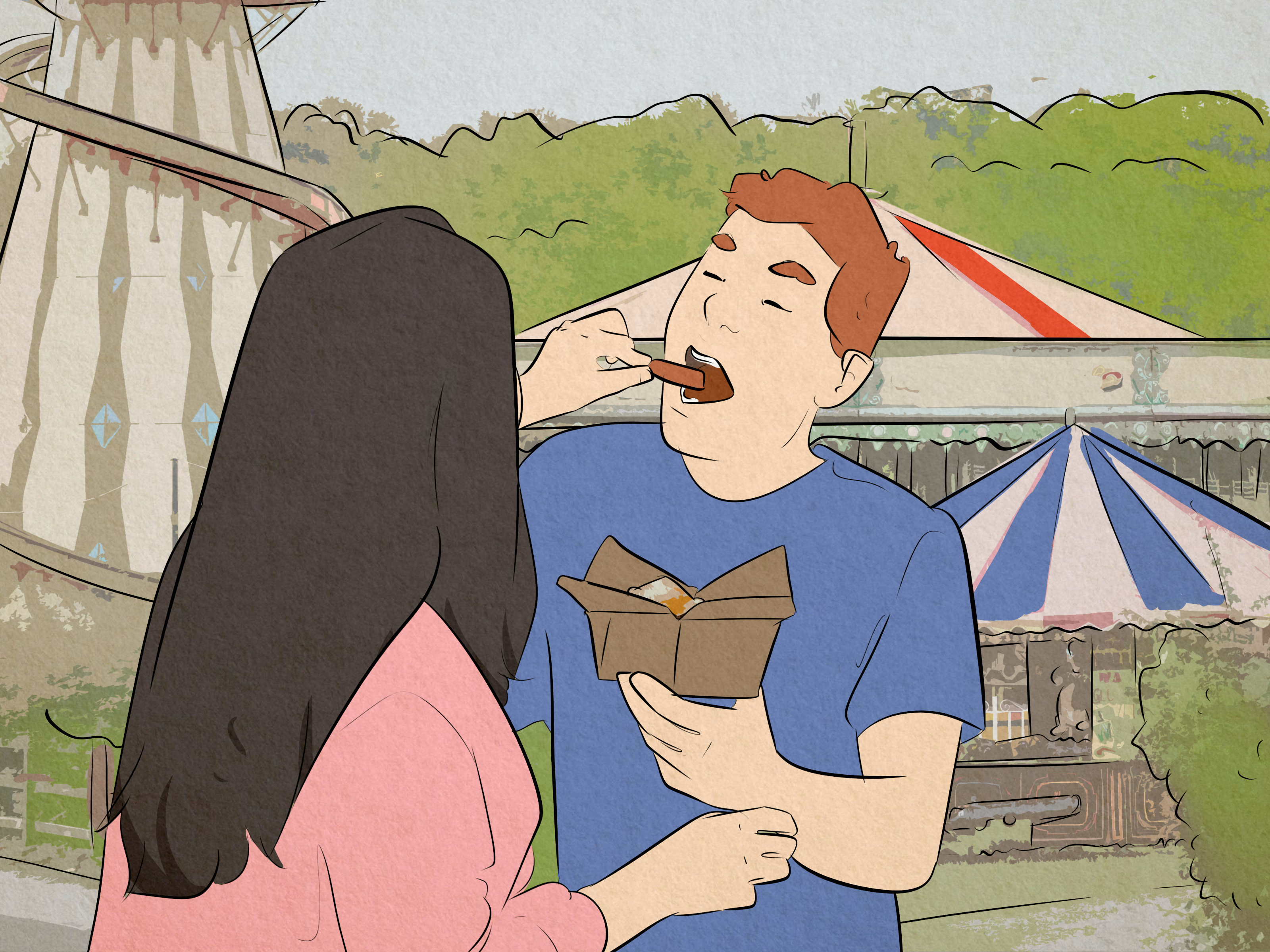
There are few places more perfectly engineered for romance than an amusement park. The lights sparkle, the music loops like it has been trapped in a cotton-candy machine since 1987, and everyone is one overpriced lemonade away from making dramatic life decisions. Now put that setting inside a dating simulator, add branching dialogue, a few suspiciously meaningful glances on the Ferris wheel, and suddenly you have the perfect recipe for an unforgettable interactive romance episode.
Dating Simulator: Amusement Park Episode is the kind of concept that understands one golden rule of romance games: love is more exciting when the player has something to do. A park date is not just a backdrop. It is a playground for character chemistry, emotional choices, mini-games, comedy, jealousy, vulnerability, and the terrifying question every fictional love interest must eventually face: “Do you want to ride the roller coaster or are you secretly afraid of heights?”
In this article, we will explore what makes an amusement park episode work in a dating simulator, why players love choice-based romance stories, how developers can use theme-park locations to create stronger emotional arcs, and what kinds of memorable scenes can turn a simple virtual date into a fan-favorite chapter.
What Is a Dating Simulator?
A dating simulator, often called a dating sim, is a romance-focused game where players build relationships with characters through choices, conversations, activities, and sometimes statistics such as charm, confidence, intelligence, courage, or affection points. Some dating sims lean heavily into visual novel storytelling, while others include life-simulation systems, calendars, mini-games, exploration, or resource management.
The genre has grown far beyond the old stereotype of clicking compliments until a love meter explodes into sparkles. Modern dating sims can be funny, dramatic, cozy, strange, inclusive, spooky, or deeply emotional. Games like Dream Daddy, Hatoful Boyfriend, Arcade Spirits, Boyfriend Dungeon, and newer mobile romance simulators show how flexible the format can be. Sometimes you date a charming neighbor. Sometimes you date a pigeon. Sometimes your sword is also your boyfriend. Video games are a beautiful and confusing medium.
Why an Amusement Park Episode Works So Well
An amusement park is basically a romance laboratory wearing a funnel-cake hat. It naturally creates situations where characters can laugh, panic, compete, comfort each other, and reveal hidden sides of themselves. Unlike a quiet café scene, a theme park keeps pushing the characters into new emotional beats.
It Creates Instant Energy
Dating simulator episodes need momentum. A park date provides that immediately. There are rides, games, crowds, mascots, food stalls, fireworks, haunted houses, arcades, photo booths, and suspiciously romantic benches placed under suspiciously romantic lighting. The player never has to wonder, “What happens next?” because the environment keeps offering options.
It Gives Players Meaningful Choices
A strong dating simulator depends on player agency. The amusement park setting is perfect for branching decisions because almost every attraction can become a character test. Does the player choose the scary coaster to impress the bold love interest? Do they suggest the carousel because the shy character looks overwhelmed? Do they buy matching headbands, even though one of them has blinking alien antennas and absolutely no dignity?
These choices can affect affection, unlock dialogue, change later scenes, or reveal personality details. A player who takes the haunted house route might discover that the confident character is secretly terrified of animatronic skeletons. A player who chooses the arcade might trigger a playful rivalry. A player who goes straight to the Ferris wheel may unlock the emotional heart of the episode.
Core Story Structure for an Amusement Park Dating Sim Episode
A great amusement park episode usually follows a structure that balances fun, flirtation, conflict, and emotional payoff. The best version feels like a date, a game, and a character study all at once.
1. The Arrival Scene
The episode should begin with atmosphere. The player character arrives at the park and meets the love interest near the entrance. This is where the tone is established. Is the date awkward? Exciting? Competitive? Is the love interest early, holding two tickets and pretending they were “just passing by” even though they clearly planned their outfit for three hours?
Example dialogue choices might include:
- “You look great today.”
- “I hope you’re ready to lose at every carnival game.”
- “Please tell me we are not starting with the ride that goes upside down.”
Each choice sets a mood. Compliments build intimacy. Teasing builds playful tension. Nervous honesty builds vulnerability. Good dating simulator writing makes all three feel valid.
2. The First Activity
The first attraction should be low-pressure but revealing. A carnival game, gentle ride, or snack stand works well. This is where the player gets a sense of the love interest’s date style. Are they competitive? Generous? Dramatic? Do they declare war on a rigged ring-toss booth with the intensity of a medieval knight?
Mini-games can shine here. A simple balloon-popping challenge or timing-based strength test gives the player something interactive to do. Winning might earn a plush toy. Losing might create an even better scene, because nothing says romance like laughing together after failing to win a stuffed duck with one eye.
3. The Emotional Fork
At the midpoint, the episode should offer a meaningful route choice. This is where the amusement park stops being just decoration and becomes narrative machinery.
- Thrill Route: Roller coaster, drop tower, haunted house.
- Cozy Route: Ferris wheel, carousel, snack stalls, parade.
- Playful Route: Arcade, bumper cars, carnival games.
- Secret Route: Restricted garden path, old photo booth, hidden observation deck.
Each route can reveal different aspects of the love interest. The thrill route may show courage or fear. The cozy route may create emotional honesty. The playful route may build chemistry through banter. The secret route can introduce lore, mystery, or a special memory from the character’s past.
4. The Conflict Moment
No episode should be all sugar and fireworks. Conflict gives the date weight. The problem does not have to be melodramatic. In fact, small conflicts often feel more realistic. Maybe the love interest becomes quiet after seeing a family on the carousel. Maybe they get embarrassed after losing a game. Maybe the player runs into a rival character. Maybe rain starts falling just as the fireworks are about to begin.
The key is to let the player respond. Do they joke to lighten the mood? Ask directly what is wrong? Give the character space? Try to fix everything immediately, like a well-meaning golden retriever with a dialogue box?
This is where affection systems should reward emotional intelligence rather than obvious flattery. The best answer is not always “You are perfect.” Sometimes it is “You do not have to pretend you are okay.”
5. The Final Payoff
The ending should give players a moment they remember. In amusement park episodes, that often means a Ferris wheel confession, fireworks hand-holding, a photo booth keepsake, or a quiet conversation after the crowds leave.
A strong payoff reflects earlier choices. If the player won a plush toy, the love interest might keep it. If the player admitted fear of roller coasters, the love interest might take their hand before the final ride. If the player chose empathy during the conflict, the final dialogue becomes warmer and more personal.
Character Archetypes That Shine in This Setting
An amusement park episode works with almost any romance route, but some character types become especially entertaining in this environment.
The Confident Daredevil
This character heads straight for the tallest ride and treats fear like a personal insult. The fun twist is showing vulnerability. Maybe they are brave on roller coasters but panic during a simple conversation about feelings. Apparently, emotional honesty has no safety harness.
The Shy Sweetheart
The shy character may prefer quieter attractions: the Ferris wheel, gift shops, slow rides, or watching fireworks. Their route should focus on trust. Small gestures matter here, such as choosing a less crowded path or remembering their favorite snack.
The Competitive Chaos Gremlin
This character turns every carnival booth into a championship event. They will challenge children at whack-a-mole. They will accuse the basketball hoop of betrayal. They will win a giant bear and pretend it was easy while sweating with heroic intensity.
The Mysterious Romantic
This route works beautifully with hidden park areas, old attractions, nighttime scenes, and soft lighting. The player may learn about the character’s past through a childhood memory tied to the park.
Gameplay Mechanics for Dating Simulator: Amusement Park Episode
To make the episode more than a long conversation with prettier backgrounds, developers can include mechanics that reinforce the date experience.
Affection and Comfort Meters
A simple affection meter measures romantic progress, but a comfort meter can add emotional depth. For example, choosing intense rides may increase excitement but reduce comfort for a nervous character. Choosing quieter activities may build trust more slowly but unlock deeper conversations.
Memory Items
Collectible items can make choices feel concrete. A park ticket, photo strip, plush toy, charm bracelet, or fireworks pin can appear later in the story. Players love when a small choice returns as an emotional detail.
Mini-Games With Personality
Mini-games should fit the character. The sporty love interest might enjoy a basketball booth. The artistic character may like drawing caricatures. The brainy character might dominate a trivia kiosk and then pretend not to enjoy winning. Spoiler: they enjoy winning.
Branching Dialogue
Dialogue should not simply offer “nice,” “mean,” and “weirdly intense” options. Better choices reflect different emotional strategies: playful, sincere, bold, cautious, supportive, or curious. This gives players room to role-play rather than guess the correct answer.
Why Players Connect With Virtual Park Dates
Dating sims are popular because they offer safe emotional experimentation. Players can try different approaches, explore romantic chemistry, and experience consequences without the real-life horror of sending a risky text and watching the typing bubble disappear forever.
An amusement park episode intensifies that appeal. It gives players fantasy and familiarity at the same time. Most people understand the emotional language of amusement parks: excitement, nerves, nostalgia, crowds, music, food, and that one ride everyone claims is “not that scary” right before screaming like a haunted trumpet.
The setting also supports replayability. One player may choose every thrill ride and unlock a bold confession. Another may take the gentle route and discover a tender backstory. A completionist may replay until every plush toy, snack combination, and secret fireworks scene has been collected. We respect the grind. Love is temporary; 100% route completion is forever.
Writing Tips for a Strong Amusement Park Episode
Make the Park Feel Alive
Use sensory details. Mention the smell of popcorn, the sticky sweetness of cotton candy, the rumble of coaster tracks, the glow of prize booths, and the distant sound of someone discovering that spinning teacups were a terrible idea after nachos.
Let Choices Reveal Character
Every decision should show something about the player, the love interest, or the relationship. A ride choice is not just a ride choice. It is a statement about courage, patience, curiosity, or care.
Balance Comedy and Emotion
Amusement parks are naturally funny, but romance needs sincerity. Let players laugh at a ridiculous mascot encounter, then slow down for a heartfelt conversation under the fireworks. Contrast makes the emotional scenes stronger.
Avoid Fake Choice
Players can tell when every option leads to the same outcome. Even small differences matter. A different line of dialogue, a changed facial expression, or a unique item can make the player feel seen.
500-Word Experience Section: Playing Through the Amusement Park Episode
Imagine starting the episode just outside the park gates. The screen fades in on a sunset sky, bright ticket booths, and the cheerful chaos of people carrying snacks larger than their heads. Your chosen love interest waves from beside the entrance, trying to look casual. They fail beautifully. Their outfit is a little too carefully coordinated, and they pretend not to notice when your character compliments it.
The first choice appears: start with food, games, or rides. Choosing food leads to a funny scene where you both debate the emotional value of fried dough. Your love interest insists that powdered sugar is “part of the experience,” then immediately gets it on their sleeve. Choosing games sends you to a booth where the prizes look adorable from a distance and mildly cursed up close. If you win, you hand over the plush toy. If you lose, your love interest wins one for you and acts smug for the next ten minutes. Both outcomes are charming, which is how dating sims trick us into replaying routes at 2 a.m.
The roller coaster option changes the mood. In line, the love interest jokes confidently, but their portrait shifts when the cart arrives. A tiny hesitation. A nervous smile. A great episode notices those details. You can tease them, comfort them, or admit you are nervous too. The best choice depends on the relationship you have built so far. If you choose honesty, the scene becomes warmer. They laugh and confess they wanted to impress you. Suddenly the coaster is not about bravery; it is about two people dropping the performance and meeting in the middle.
Later, rain begins to fall. The parade is canceled, the crowd scatters, and the episode gives you a quieter branch. You take shelter beneath a striped awning near an old photo booth. This is where the writing slows down. The love interest talks about coming to the park as a child, or about never having had a real date before, or about how happy they are that the day did not have to be perfect to feel important. The player gets three dialogue options: make a joke, hold their hand, or simply listen. Listening may be the strongest choice, because not every romantic moment needs fireworks. Sometimes the magic is letting someone finish a sentence without turning it into a punchline.
Then the rain clears. The Ferris wheel reopens. At the top, the park becomes a glittering map of lights below you. The earlier choices return. The plush toy sits between you. The photo strip appears in the corner of the screen. If affection is high enough, the love interest says they were hoping the wheel would stop at the top, just for a minute. If affection is lower, the scene stays sweet but unresolved, inviting another playthrough.
That is the beauty of Dating Simulator: Amusement Park Episode. It turns ordinary date activities into emotional checkpoints. The rides create adrenaline, the games create laughter, the rain creates intimacy, and the final view from above the park creates a feeling players remember. It is interactive romance at its best: playful, personal, replayable, and just dramatic enough to make a Ferris wheel feel like destiny with bolts.
Conclusion
Dating Simulator: Amusement Park Episode is more than a cute date idea. It is a flexible storytelling framework that combines romance, comedy, player choice, mini-games, emotional pacing, and memorable visual settings. The amusement park naturally gives writers and developers everything they need: excitement, conflict, intimacy, nostalgia, and a grand finale under the lights.
For players, the appeal is simple. They get to choose how romance unfolds. They can be bold, shy, funny, supportive, chaotic, or sentimental. They can ride the coaster, win the plush, share the funnel cake, and decide whether the perfect ending happens beneath fireworks or inside a slightly cramped photo booth. In a dating simulator, love is not just watched. It is played.