

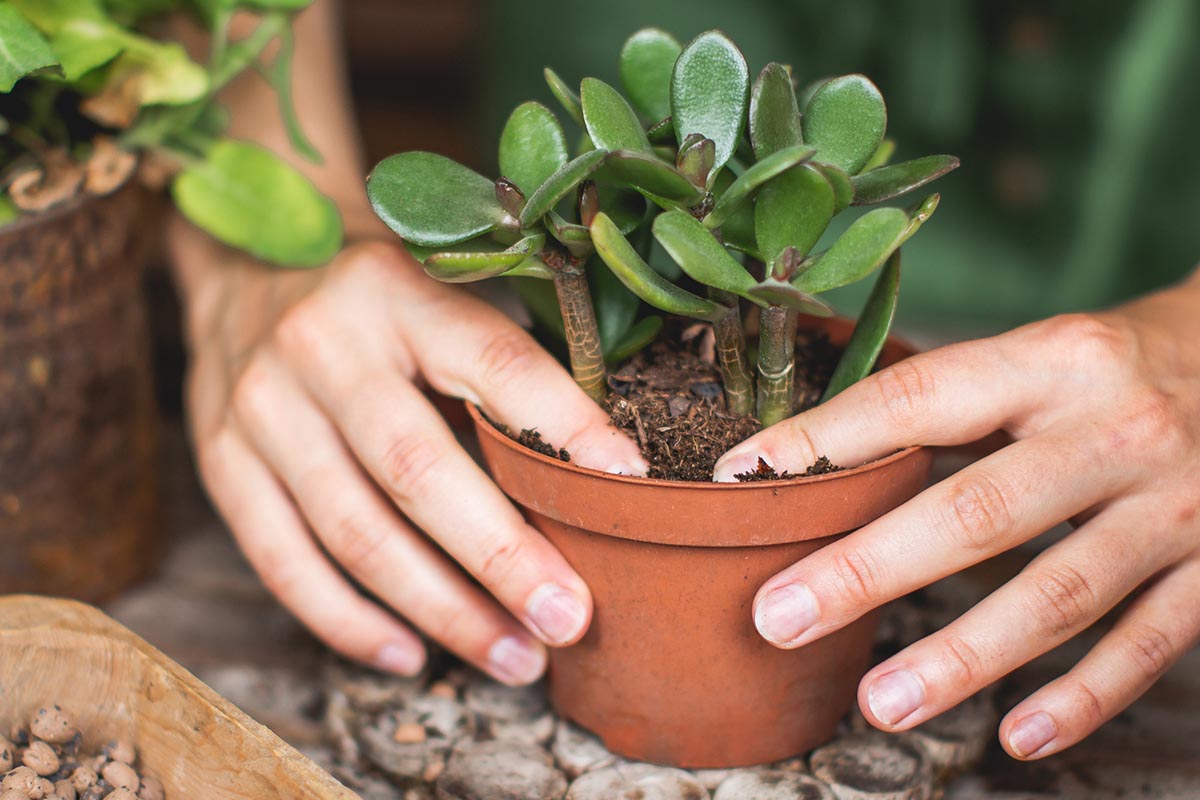
Jade plants have a reputation for being nearly impossible to kill, which is adorable optimism right up until one is sitting in a pot of soggy, swampy dirt looking personally offended. Crassula ovata is tough, yes, but it still has standards. And when it comes to growing a thick, glossy, long-lived jade plant, the soil matters more than most people think.
If you have been searching for the best soil for jade plants, here is the simple truth: jade plants want a fast-draining, airy, slightly gritty mix that lets roots breathe and dries out before rot can move in like an unwanted houseguest. That is why generic, moisture-heavy potting soil often causes more drama than growth.
Bob Vila’s roundup of top soil picks for jade plants put the spotlight on a few standout options, including Espoma AV4 Organic African Violet Potting Mix, Miracle-Gro Indoor Potting Mix, Hoffman Organic Cactus and Succulent Soil Mix, Wonder Soil Organic Cactus & Succulent Soil, and FoxFarm Happy Frog Potting Soil. The common thread was not fancy branding. It was performance: drainage, light structure, a little nutrition, and ingredients such as perlite, sand, coir, peat moss, worm castings, or pumice.
This guide breaks down what makes great jade plant soil, why Bob Vila’s picks made sense, how to choose the right mix for your home, and what experienced growers learn after one too many “Why are the leaves suddenly mushy?” moments.
What Makes the Best Soil for Jade Plants?
Jade plants are succulents, which means they store water in their leaves and stems. That sounds convenient because it is. It also means they do not appreciate sitting in wet soil for long stretches. If the mix holds too much moisture, roots lose oxygen, root rot starts creeping in, and your once-cheerful jade begins looking like it needs a therapist.
The best jade plant soil usually has four things going for it:
1. Fast drainage
This is the big one. A good succulent potting mix should allow water to move through quickly instead of lingering around the roots. Ingredients such as perlite, coarse sand, pumice, and small gritty particles help create air pockets and improve drainage.
2. Enough organic matter to support growth
Jade plants are not cacti growing in pure gravel. They still benefit from a balanced growing medium with some organic content. Peat moss, coconut coir, humus, composted materials, or worm castings can help retain just enough moisture and nutrients without turning the pot into a bog.
3. A loose, airy texture
Dense soil compacts easily, especially indoors where pots get watered again and again. Loose texture matters because roots need air. If your soil feels heavy, muddy, or cement-like after watering, your jade is not living its best life.
4. A slightly acidic to near-neutral range
Many jade plant guides place the ideal pH around slightly acidic, roughly in the 6.0 to 6.5 zone, though jades are not especially fussy as long as drainage is excellent. In practical terms, obsessing over pH is less important than avoiding waterlogged soil.
Why Bob Vila’s Top Picks Stand Out
Bob Vila’s recommendations were smart because they focused on the real needs of jade plants instead of treating all houseplants like they want the same thing. Here is why each category worked.
Best Overall: Espoma AV4 Organic African Violet Potting Mix
This pick might look surprising at first because jade plants and African violets do not exactly seem like roommates. But the logic is solid. The mix includes sphagnum peat moss, humus, perlite, and pH-adjusting ingredients, creating a blend that offers both aeration and controlled moisture. For indoor gardeners who want a lighter, easy-to-use mix right out of the bag, this kind of formula can work well for jade plants, especially when paired with a pot that drains properly.
Best Value: Miracle-Gro Indoor Potting Mix
If you want something versatile and widely available, this category makes sense. A mix built with peat moss, coir, and perlite can deliver better airflow and drainage than standard all-purpose soil. It is especially appealing for people who have a jade plant plus a few other houseplants and do not want ten different bags of dirt taking over the closet like a very boring home invasion.
Best Cactus Mix: Hoffman Organic Cactus and Succulent Soil Mix
This is the most obvious lane for jade plants. Cactus and succulent soils are designed for quick drainage and root protection. Hoffman’s blend, with peat, perlite, and sand, checks the classic succulent-soil boxes. For growers who want a purpose-built option, a cactus mix is often the easiest answer.
Best Expanding Mix: Wonder Soil Organic Cactus & Succulent Soil
Expanding soil products are convenient for apartment dwellers, casual plant parents, and anyone whose storage space is already committed to things like holiday decorations, unused chargers, and mystery cords from 2014. Coir-based expanding mixes can drain well and often include useful extras like worm castings or mycorrhizae. The only catch is that lightweight soil can make a mature jade plant more top-heavy, so the container choice becomes extra important.
Also Consider: FoxFarm Happy Frog Potting Soil
This type of mix appeals to growers who want a more nutrient-rich formula with beneficial microbes and organic inputs. It can be a good fit for jade plants when the texture remains airy enough and the pot drains well. A richer mix may support vigorous growth, but it should never cross the line into “stays wet for ages.” Jade plants like comfort, not squishiness.
How to Choose the Right Jade Plant Soil for Your Space
The best soil for one jade plant is not always the best soil for another. Your home environment matters. A lot.
If your home is humid
Go grittier. Choose a cactus or succulent mix with extra perlite, pumice, or coarse sand. In humid rooms, soil dries more slowly, so added drainage is your friend.
If your home is dry and sunny
You can use a balanced succulent mix with a little more organic matter. The plant will dry faster in bright light and warm temperatures, so it can tolerate a bit more moisture retention without trouble.
If your jade plant is large and top-heavy
A super-light mix may not be ideal on its own. Use a heavy-bottomed or unglazed clay pot and avoid a fluffy mix that makes the whole setup wobble like a tower of pancakes. Mature jade plants are charming, but they do lean into chaos.
If you are prone to overwatering
Be honest. The plant already knows. Choose the fastest-draining mix you can reasonably manage and pair it with a pot that has a drainage hole. A forgiving soil is cheaper than replacing a beloved plant.
The Best Ingredients in Jade Plant Soil
When you read a bag label, these are the ingredients worth noticing:
- Perlite: boosts aeration and drainage
- Pumice: adds grit and keeps the mix from compacting
- Coarse sand: helps water move through more quickly
- Coconut coir: holds moderate moisture without feeling too heavy
- Peat moss or sphagnum moss: adds organic matter and slight acidity
- Worm castings: offers gentle nutrition
- Humus or composted organic matter: supports root health in small amounts
And here is what to be cautious about: heavy garden soil, overly moisture-retentive potting mixes, or dense compost-rich blends that stay wet for too long. Backyard dirt belongs in the backyard unless it is properly sterilized and amended. A jade plant in raw garden soil is basically wearing winter boots to the beach.
A Simple DIY Jade Plant Soil Mix
If you prefer to make your own, there is no need to get weird about it. A reliable homemade jade plant soil blend can be as simple as:
2 parts standard potting mix + 1 part perlite
That is a classic option and works well for many indoor growers. If you want to go grittier, try:
1 part potting soil + 1 part coarse sand + 1 part perlite or pumice
Another old-school extension style formula uses 1 part sterilized organic soil, 1 part sphagnum peat moss, and 3 parts coarse sand. The point is not to chase the perfect ratio like you are auditioning for a soil-based reality show. The point is to create a mix that falls apart easily, drains fast, and never stays soggy for days on end.
Common Soil Mistakes That Hurt Jade Plants
Using all-purpose potting soil straight from the bag
Some all-purpose mixes are simply too heavy for succulents. They may work for pothos, philodendrons, or peace lilies, but a jade plant often needs something sharper and airier.
No drainage hole
The best jade plant soil in the world cannot save a pot with nowhere for excess water to go. A drainage hole is not optional unless you are actively trying to make life interesting for fungus.
Repotting into a giant container
Jade plants do not need a huge amount of extra room. Oversized pots hold more wet soil than the plant can use, which raises the risk of root problems.
Watering on a schedule instead of by feel
Even perfect soil cannot protect a plant from constant watering. Let the top layer dry well before watering again. Jades generally recover from slight underwatering better than chronic overwatering.
How Soil Affects Growth, Leaves, and Longevity
Get the soil right, and a jade plant rewards you in ways that are delightfully visible. Leaves stay firm and plump. Stems thicken. Growth becomes steady instead of erratic. The plant holds its shape better, and the risk of rot, fungus gnats, and drooping decline drops dramatically.
Get the soil wrong, and the warning signs show up fast: yellowing leaves, mushy stems, leaf drop, wrinkled foliage that somehow still sits in wet soil, or that unmistakable smell of roots that have given up. Soil is not the only factor, but it is often the first domino.
Jade plants are famous for living a very long time, sometimes for decades and in some reports much longer. That kind of lifespan does not come from luck alone. It comes from avoiding the classic killer: too much moisture around the roots.
Experience-Based Tips: What Growers Learn After Living With Jade Plants
One of the most common experiences jade plant owners share is that their first jade usually taught them a lesson. The plant looked fine for weeks, sometimes months, in ordinary indoor potting soil. Then the leaves began softening, a few dropped off, and the stems near the base lost that crisp, woody confidence. Many people assumed the plant was thirsty and watered more, which, to put it kindly, did not help. What they eventually learned is that a struggling jade often needs less water and better drainage, not extra sympathy in liquid form.
Another very relatable experience is the dramatic turnaround after switching the soil. Growers often describe moving a jade from a heavy, moisture-retentive mix into a cactus or gritty succulent blend and seeing improvements within a few weeks. The leaves begin to firm up. New growth appears at branch tips. The plant stops shedding leaves like it is making an emotional statement. This is especially true when the repot is paired with a clay pot and brighter light.
People who keep jades for years also notice that mature plants become top-heavy long before they become root-bound. That is why so many experienced growers talk less about “feeding the plant” and more about “stabilizing the plant.” A large jade in a light plastic pot with fluffy soil is basically one accidental elbow away from becoming floor decor. Heavier containers and a more structured mix make a surprising difference.
Propagation offers another soil lesson. Leaf and stem cuttings tend to do best in a lightly moist, fast-draining medium rather than anything rich or soggy. Many growers report that the hardest part is not rooting the cutting. It is resisting the urge to baby it too much. Jade propagation rewards patience more than fussing, which is rude but fair.
There is also the seasonal lesson. In summer, a jade in bright light may dry faster than expected, and growers sometimes get comfortable with a rhythm. Then winter shows up, light levels drop, temperatures shift, and the same soil stays damp much longer. That is when overwatering sneaks in. Experienced plant owners learn to read the soil, not the calendar.
Finally, long-term jade growers often become slightly evangelical about texture. They squeeze the mix, watch how quickly water drains, and judge a bag of soil with the seriousness of a chef evaluating olive oil. That may sound dramatic, but after seeing how much jade plants respond to the right structure, it makes perfect sense. The biggest takeaway from real-world experience is simple: when jade plants have airy soil, sharp drainage, and room to dry between waterings, they are not fussy at all. They are easy, handsome, durable houseplants. But when the soil stays wet and dense, they become the botanical equivalent of someone sending very clear warning texts you should not ignore.
Final Thoughts
The best soil for jade plants is not the richest mix, the trendiest bag, or the one with the most buzzwords printed on the label. It is the soil that drains quickly, stays airy, supports healthy roots, and suits the conditions in your home. Bob Vila’s top picks worked because they followed that logic, favoring mixes with ingredients like perlite, coir, peat moss, sand, worm castings, and other drainage-friendly components.
If you want the safest shortcut, start with a quality cactus and succulent potting mix. If you like to tinker, build your own with potting soil and extra grit. Either way, remember the golden rule: a jade plant would rather be a little too dry than a little too wet. That one choice alone can be the difference between a compact, glossy green beauty and a sad pot of regret.