

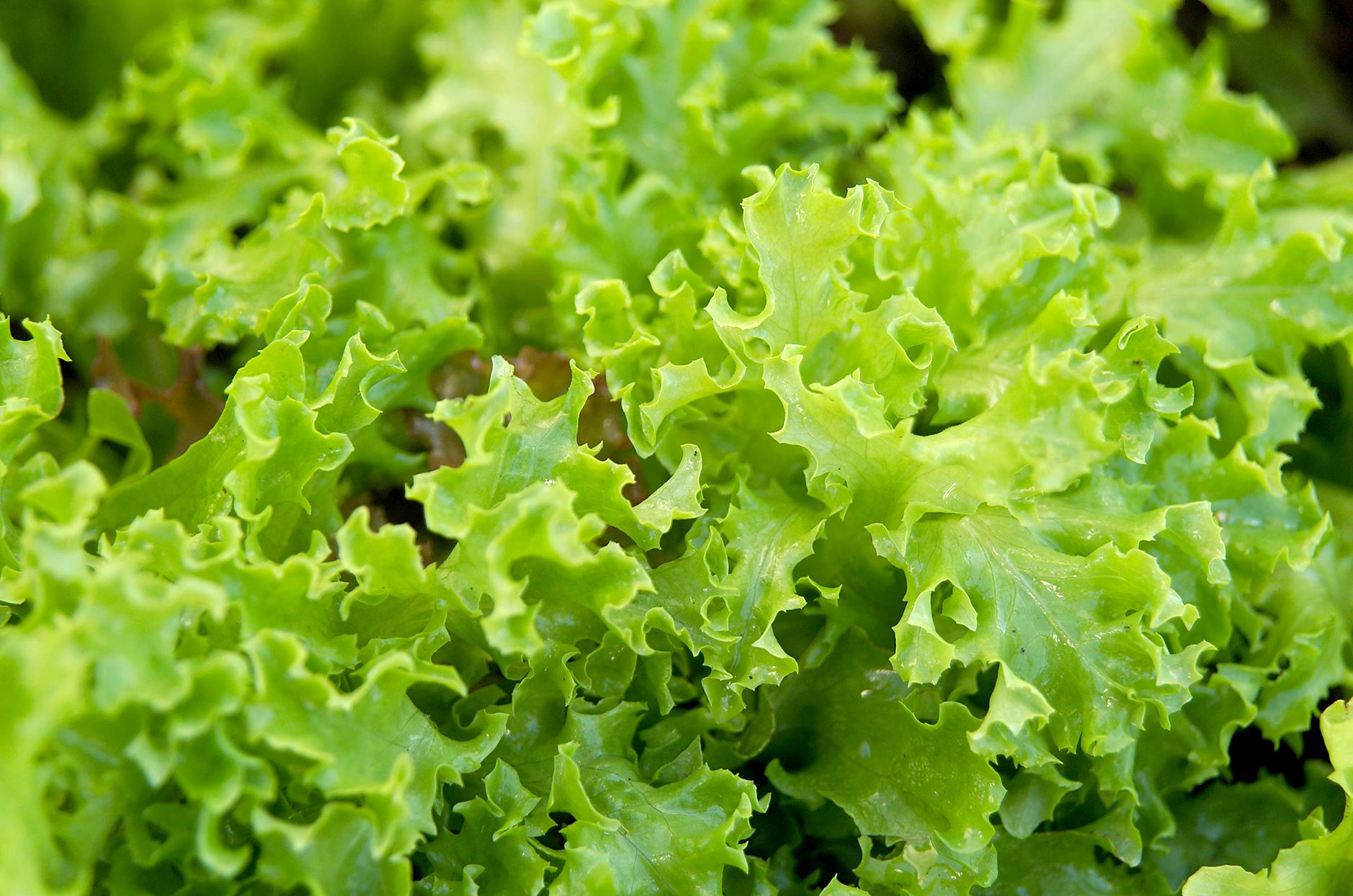
If tomatoes are the drama queens of the summer garden, lettuce is the cool, collected friend who shows up early, looks good in every outfit, and somehow makes lunch feel like a personal achievement. It is one of the easiest vegetables to grow, one of the fastest to harvest, and one of the most rewarding crops for gardeners who like immediate gratification with a side of ranch. Better yet, lettuce fits almost anywhere: raised beds, containers, window boxes, kitchen gardens, and those oddly shaped corners where bigger crops refuse to cooperate.
The trick is not just planting lettuce. The trick is planting it at the right time, in the right conditions, and harvesting it before hot weather turns your future Caesar salad into a bitter life lesson. Once you understand how lettuce behaves, growing it gets wonderfully simple. In this guide, you will learn how to choose the right type, prepare the soil, sow seeds, care for your plants, prevent common problems, and harvest crisp leaves for garden-fresh salads all season long.
Why lettuce deserves a permanent spot in the garden
Lettuce earns its keep. It grows quickly, takes up relatively little space, and can be harvested in stages instead of all at once. That means you do not need to wait for one giant vegetable moment. You can snip baby leaves for sandwiches, cut outer leaves for nightly salads, or let full heads mature for more substantial harvests. For busy gardeners, that “pick what you need and walk away feeling accomplished” rhythm is hard to beat.
It is also a smart crop for shoulder seasons. While heat-loving vegetables are still sulking indoors in spring, lettuce is already getting to work. And in fall, when zucchini is throwing in the towel, lettuce is just getting started again. If you want a garden that feels productive for more of the year, lettuce is your overachieving little hero.
Choose the best type of lettuce for your garden
Before you grab the first packet with a pretty picture, it helps to know that lettuce is not one-size-fits-all. Different types grow differently, mature at different speeds, and behave a little differently in heat.
Leaf lettuce
Leaf lettuce is the easiest choice for beginners and impatient people, which is to say most of us. It grows quickly, does not need to form a tight head, and can be harvested leaf by leaf. Red leaf and green leaf varieties are especially popular for home gardens because they are productive, colorful, and forgiving. If you want frequent harvests and low stress, start here.
Romaine lettuce
Romaine has upright growth, crisp texture, and enough backbone to stand up to a serious dressing. It is great for classic salads, wraps, and grilled lettuce experiments when you are feeling fancy. It usually takes a little longer than loose-leaf types but rewards you with substantial heads and excellent crunch.
Butterhead lettuce
Butterhead types, such as Bibb and Boston, form soft, loosely folded heads with tender leaves and mild flavor. They are the garden equivalent of luxury bedding: soft, beautiful, and slightly hard to stop touching. These are excellent if you want delicate salads with a more refined texture.
Crisphead lettuce
Crisphead includes iceberg-style lettuce. It can be grown at home, but it is usually the most demanding type because it needs a longer cool season and more consistent conditions to form firm heads. If you are just starting out, grow leaf, romaine, or butterhead first. Let iceberg be your sequel, not your pilot episode.
When to plant lettuce for the best harvest
Lettuce is a cool-season crop, so timing matters more than enthusiasm. It grows best in spring and fall, when temperatures are mild and the soil is cool. In most regions, direct sow seeds in early spring as soon as the soil can be worked. You can also sow again in late summer for a fall harvest. In areas with mild winters, lettuce may grow through much of the cool season with protection.
If you plant too late in spring, hot weather may cause bolting. That is when the plant sends up a flower stalk, the leaves become more bitter, and your salad dreams start unraveling. In practical terms, think of lettuce as the vegetable version of someone who thrives in sweater weather and becomes dramatically less pleasant in a heat wave.
To stretch the harvest, use succession planting. Instead of sowing one giant row all at once, plant a small amount every one to two weeks. This keeps new plants coming as older ones are harvested. It is the gardening equivalent of meal prep, except more wholesome and with less dishwasher resentment.
Where lettuce grows best
Lettuce prefers full sun in cool weather, but it also appreciates partial shade when temperatures start climbing. In warm regions or during late spring, afternoon shade can help delay bolting and keep leaves more tender. If you have a spot that gets morning sun and some protection from harsh afternoon heat, lettuce will be very pleased with your real estate decision.
Soil matters, too. Lettuce likes loose, well-drained, fertile soil rich in organic matter. Hard, compacted ground makes life difficult for roots and usually leads to slower growth. Work in compost before planting to improve texture, drainage, and moisture retention. Lettuce has shallow roots, so it does best in soil that stays evenly moist without becoming soggy.
Raised beds are excellent for lettuce because they warm up early in spring, drain well, and are easy to manage. Containers work beautifully too, especially for cut-and-come-again leaf types. If you are short on space, a wide pot or window box can still produce an impressive amount of salad. That is right: you can absolutely grow lunch on a patio.
How to plant lettuce from seed or transplants
Direct sowing lettuce seeds
Direct sowing is simple and usually the best method. Plant seeds shallowly, about 1/4 inch deep, because lettuce seed is small and does not want to begin life with a major excavation project. Cover lightly with fine soil and water gently so you do not wash the seeds into a mysterious new zip code.
Space rows far enough apart to allow air circulation and harvesting room, then thin seedlings once they emerge. Exact spacing depends on the type. Leaf lettuce can be grown closer together, while heading types need more elbow room. If you hate thinning, remember this: crowded lettuce gets stunted, stays damp longer, and is much more likely to become a leafy traffic jam.
Starting with transplants
You can also start seeds indoors and transplant them outside, especially if you want an earlier harvest. This works well for romaine and head-forming varieties. Use a fine seed-starting mix, keep seedlings in bright light, and transplant when they are sturdy but still young. Harden them off first by gradually exposing them to outdoor conditions for several days.
Set transplants at the same depth they were growing in their containers. Water them immediately after planting, and try not to transplant during the hottest part of the day. Lettuce enjoys a gentle introduction to the garden, not a dramatic relocation during peak sunshine.
How to care for lettuce so it stays tender and tasty
Watering
Lettuce needs consistent moisture for rapid, tender growth. Because it has shallow roots, it suffers quickly when soil dries out. Uneven watering can slow growth, toughen leaves, and increase bitterness. The goal is simple: keep the soil evenly moist, not muddy. Light mulching with clean straw, shredded leaves, or similar organic material can help conserve moisture and keep soil cooler.
Feeding
If you started with healthy soil and compost, lettuce may not need much extra feeding. However, because it grows fast and puts on lots of leafy growth, it benefits from steady nutrition. A light side-dressing of nitrogen during active growth can help, especially in poor soil. Do not go overboard. You are trying to grow elegant salad greens, not mutant leaves the size of beach towels.
Weeding
Lettuce does not like competition. Keep weeds under control, especially while plants are small. Hand-pulling or shallow cultivation works best because the roots are close to the surface. Be gentle. Aggressive hoeing around lettuce is a fantastic way to accidentally harvest your crop emotionally, but not physically.
Temperature management
Once the weather warms, protecting lettuce from heat becomes the main game. Shade cloth, row cover removal at the right time, or planting where taller crops cast light afternoon shade can help keep plants productive longer. In hot spells, choose leaf lettuce or varieties labeled heat tolerant, and harvest promptly before quality declines.
Common lettuce problems and how to fix them
Bolting
Bolting is the big one. When lettuce gets too hot or stressed, it sends up a flower stalk and the flavor becomes bitter. The fix is prevention: plant early, plant again for fall, water consistently, use shade when needed, and harvest on time. Once a plant bolts hard, it is usually better to compost it and move on with dignity.
Bitterness
Bitter leaves are usually a sign of heat, age, or stress. Younger leaves are milder, and fast-growing lettuce is generally tastier than lettuce that has had to struggle. If your crop starts tasting sharp, harvest what is still good and sow another round in cooler weather.
Pests
Aphids, slugs, caterpillars, flea beetles, and the occasional mystery nibbler may show up. Check the undersides of leaves regularly. A strong stream of water can knock off aphids, while handpicking and simple barriers help with larger pests. Keep the area clean, avoid overcrowding, and remove damaged leaves. Healthy lettuce in good growing conditions usually handles minor pest pressure better than stressed plants do.
Disease and rot
Too much moisture on leaves, poor airflow, and crowding can encourage disease. Water the soil rather than soaking the foliage late in the day, space plants properly, and harvest outer leaves as needed to improve airflow. In short: lettuce likes moisture, but it does not want to live in a swamp.
How to harvest lettuce for garden-fresh salads
One of the best things about lettuce is that you do not have to harvest it only one way. For leaf lettuce, snip outer leaves when they are large enough to eat and let the center continue growing. This cut-and-come-again method gives you multiple harvests from the same planting. It is efficient, beginner-friendly, and deeply satisfying.
For heading types such as romaine or butterhead, wait until heads feel full but still tender, then cut the plant at the base. Harvest in the morning if possible, when leaves are crisp and hydrated. Warm afternoon lettuce is not exactly tragic, but it is less snappy and more “sad fridge side salad.”
After harvest, handle lettuce gently and cool it quickly. Rinse garden soil off thoroughly, dry the leaves well, and refrigerate them. Clean, dry leaves keep better than wet ones. If you harvest more than you can eat right away, that is not a problem. It is a personality trait called “successful gardening.”
Growing lettuce in containers, small spaces, and raised beds
Lettuce is ideal for gardeners without a big in-ground plot. In containers, use a quality potting mix rather than heavy garden soil. Choose a container that is wide enough to let plants spread and deep enough to hold moisture consistently. Because pots dry out faster than garden beds, check them often, especially in sunny or windy weather.
Raised beds are equally useful because they provide loose soil, great drainage, and easy access for frequent harvesting. They also make succession planting easier. You can dedicate one section to tiny seedlings, another to maturing plants, and another to crops you are harvesting now. That kind of tidy progression makes you feel like a garden genius, even if you are still Googling “why are there holes in my leaves” once a week.
Real-life lettuce-growing experiences: what gardeners learn after the first few rounds
The first time many gardeners grow lettuce, they assume it will be a one-and-done crop. They sow a whole packet in one heroic afternoon, admire the neat row, and imagine endless salads. Then the seedlings all mature at once, the weather suddenly warms, and they find themselves eating lettuce at every meal like they lost a bet. The better approach usually comes from experience: sow less at one time, then sow again a week or two later. That one small shift makes the harvest steadier, more manageable, and a lot more enjoyable.
Another common lesson is that lettuce teaches patience in tiny increments. The seeds are small, the first sprouts are delicate, and for a brief stretch they do not look like much. Then, almost overnight, the bed fills in and the plants begin looking like actual food instead of hopeful green punctuation marks in the soil. That transformation is part of the fun. Lettuce is fast enough to feel rewarding, but not so instant that it steals the joy of watching something develop.
Gardeners also discover quickly that location matters more than they expected. A bed that felt pleasantly sunny in March may feel like the surface of a skillet by late May. Lettuce that looked flawless one week can start stretching, turning bitter, or bolting the next. Many experienced growers solve this by planting spring lettuce where taller summer crops will later cast a little shade. Others move to containers so they can shift plants as the season changes. This is one of those gardening truths that sounds annoyingly simple until you see how much it works.
There is also the ongoing education that comes from harvesting. New growers often wait too long, expecting every plant to form a grocery-store-perfect head. Seasoned gardeners know better. They pick young leaves early, harvest often, and understand that homegrown lettuce is at its best when it is fresh, tender, and slightly imperfect. A garden does not need to look like a produce aisle to feed you well. In fact, the leaves with a little curl, color, and personality are often the ones that taste best.
Then there is the emotional side of growing lettuce, which sounds dramatic until you realize how oddly delightful it is to walk outside and collect a salad. There is something deeply satisfying about stepping into the garden with scissors, cutting a handful of crisp leaves, and heading straight to the kitchen. It feels healthy, practical, and just smug enough to be enjoyable. Not obnoxious smug. Just the right amount. The “I grew this myself, and yes, it is better than bagged lettuce” kind of smug.
Over time, lettuce becomes the crop that builds confidence. It helps beginners learn timing, spacing, moisture control, and succession planting without demanding months of waiting. It gives experienced gardeners a dependable, flexible harvest that fits between bigger seasonal stars. And even when a planting goes sideways because of heat, pests, or a forgotten watering day, lettuce is forgiving enough to invite another try. That may be its best quality of all. It keeps teaching, keeps producing, and keeps proving that some of the most satisfying things in the garden are also the simplest.
Conclusion
If you want a vegetable that is productive, beginner-friendly, space-efficient, and genuinely useful in everyday cooking, lettuce deserves a top spot in your garden plan. Plant it in cool weather, give it fertile soil and steady moisture, harvest it often, and replant regularly for a longer season. Do that, and you will have tender leaves for salads, sandwiches, wraps, and the occasional “look at me being wildly self-sufficient” lunch.
In other words, lettuce is not just easy to grow. It is easy to love. And once you have eaten a bowl of crisp leaves cut minutes before dinner, store-bought salad starts to feel a little like a compromise.