

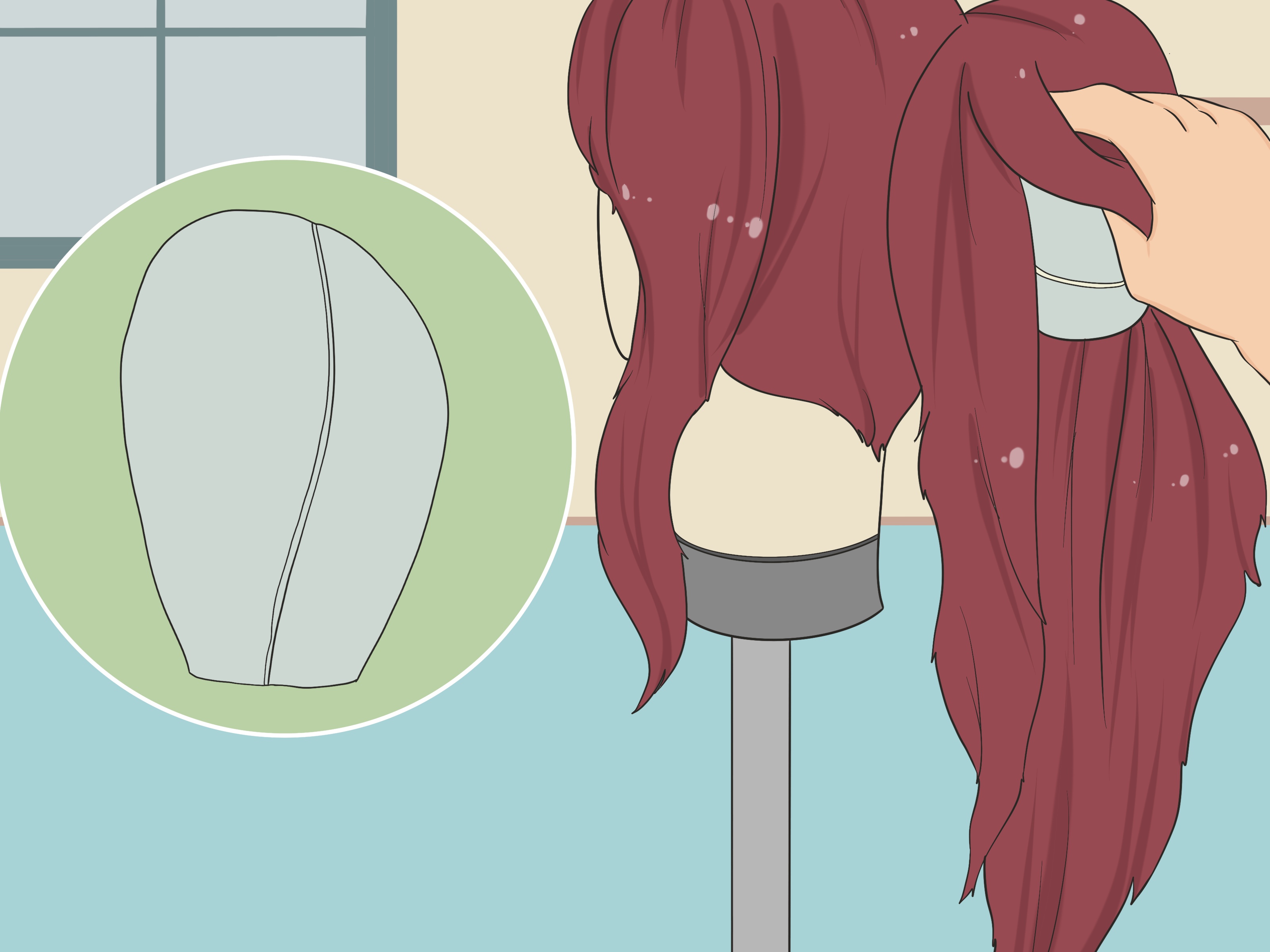
If you have ever pulled a synthetic wig out of the box and thought, “Cute, but why does it look like it knows all my secrets?” you are not alone. Synthetic wigs are famous for holding their shape, saving time, and giving you a polished look without demanding the kind of commitment usually associated with gym memberships and houseplants. But getting one to look unique, soft, and natural takes a little technique.
The good news is that styling a synthetic wig is not reserved for salon magicians or people with suspiciously perfect lighting. With the right prep, a few wig-friendly tools, and a healthy respect for the fiber type, you can create styles that look less “fresh from the package” and more “yes, this is just my fabulous hair today.” Whether you want a sleek everyday bob, airy face-framing texture, relaxed waves, or a low-key updo, this guide will walk you through how to style a synthetic wig without wrecking the fibers or your mood.
Start Here: Know What Kind of Synthetic Wig You Have
Before you style anything, figure out whether your wig is traditional synthetic or heat-friendly synthetic. This matters because the wrong tool on the wrong fiber can turn your cute hairstyle into a cautionary tale.
Traditional synthetic wigs are designed to keep their original pattern. That is their superpower. A straight wig stays straight, a curly wig keeps its bounce, and you do not need to restyle it after every wash. The trade-off is that regular hot tools are usually off-limits. Heat-friendly synthetic wigs offer more flexibility. You may be able to bend, smooth, curl, or wave them with low heat, but only within the temperature range recommended by the manufacturer.
If your wig tag, product page, or care card does not clearly say “heat-friendly,” assume it is not. This is not the moment for optimism.
What You Need to Style a Synthetic Wig Safely
You do not need a salon cart the size of a studio apartment. A simple setup works well:
- A wig stand or canvas head
- A wide-tooth comb
- Your fingers, which are underrated styling tools
- Wig-safe detangling or conditioning spray
- Hair clips for sectioning
- Small scissors or shears for tiny adjustments
- A steamer for regular synthetic fiber, if you want advanced reshaping
- A low-heat tool with digital temperature control for heat-friendly fiber only
One big rule: style the wig on a stand when possible, especially if you are using steam or low heat. It is easier to see the shape, protect the cap, and avoid accidentally roasting your forehead in the name of beauty.
Prep the Wig Before You Style It
Detangle first, always
Start at the ends and work upward in small sections. This is the golden rule of synthetic wig care. If you drag a comb from the roots to the ends like you are trying to win a speed round, you can stretch the fiber, rough up the texture, and create frizz that did not exist five seconds earlier.
Shake it out
Many synthetic wigs improve immediately after a gentle shake. This helps release the factory set and lets the fibers settle into place. Short styles especially tend to wake up nicely with this trick.
Let the wig fully dry before final shaping
If you recently washed it, let it air-dry completely on a stand before doing detail work. Styling wet or damp synthetic fiber the wrong way can flatten the pattern, encourage tangling, or create an odd shape that was definitely not in your vision board.
How to Create Unique and Natural Styles
1. Change the part for an instant personality shift
One of the easiest ways to style a synthetic wig is to change the part. A middle part feels balanced and polished, while a soft side part creates lift and makes the style look more relaxed. If the wig allows it, shift the part slightly off-center instead of going dramatically to one side. That tiny change often looks more believable than a severe, ruler-straight part.
To make the part look more natural, use your fingers to loosen the hair around it. You want a soft, lived-in finish, not a part so sharp it looks like it was drafted by an engineer.
2. Tuck one side behind the ear
This is the lazy genius move of wig styling. Tucking one side behind the ear opens the face, breaks up density, and instantly makes a style look less helmet-like. It works beautifully on bobs, lobs, and layered shoulder-length wigs.
For extra realism, bring forward only a little hair near the front and keep the rest softly tucked. The result is flattering, simple, and suspiciously effective.
3. Add face-framing texture with small trims
If your synthetic wig feels too blunt or heavy around the face, subtle trimming can make a huge difference. Focus on softening the front rather than attempting a full haircut on a whim. A few tiny snips to refine bangs, shorten long face-framing pieces, or remove overly bulky ends can help the wig suit your features better.
This is where restraint becomes your best friend. Trim a little, step back, and reassess. You can always cut more. You cannot glue the fiber back on and pretend none of this happened.
4. Turn polished curls into softer, natural movement
Some synthetic wigs arrive with very defined curls that look great in theory and slightly dramatic in a grocery store parking lot. To make them look more natural, wait until the fibers are fully dry, then separate curls gently with your fingers. On certain textures, lightly loosening the curl pattern creates a softer wave that reads more everyday and less pageant entrance.
Do not aggressively brush dry curls unless the wig texture can handle it and you specifically want a fuller, fluffier result. On many styles, finger separation is enough.
5. Create bends and waves on heat-friendly synthetic wigs
If your wig is heat-friendly, you can create subtle bends, loose waves, or smoother ends using a low-temperature tool with digital control. Work in small sections and stay within the manufacturer’s recommended heat range. Gentle shaping usually looks better than trying to force a dramatic curl into fiber that really just wants to behave.
For the most natural effect, focus on the mid-lengths and ends. Slight movement at the bottom of the wig makes the style look softer and more believable. A little bend goes a long way. This is hair, not balloon art.
6. Use steam to revive regular synthetic wigs
For standard synthetic wigs, a wig steamer is often the preferred tool for reshaping, smoothing friction frizz, and redirecting the hair. This is especially useful around the nape, ends, and any spot that rubs against collars, scarves, or your favorite dramatic winter coat.
Steam is best treated like an advanced move. Keep the steamer moving, work in sections, and let the fiber cool in the shape you want. If you are new to this, practice on a less visible section first. Your wig deserves a learning curve that does not happen front and center.
7. Try a half-up style for volume without stress
A half-up look can make a synthetic wig feel younger, lighter, and more personal. Gather a small top section, secure it loosely with a clip or mini tie, and let the rest fall naturally. Pull a few pieces forward around the face so the style stays soft.
This works best when the cap construction supports it. Lace-front, monofilament, or more flexible parting areas usually give better results than rigid cap styles. Keep the tension low. A synthetic wig should look effortless, not emotionally overwhelmed.
How to Make a Synthetic Wig Look More Natural
Choose realistic shape over perfect shape
The most natural wigs usually have a little irregularity. A strand slightly out of place, a part that is not laser precise, and layers that move around the face all help. Real hair is not perfectly uniform, and your wig should not look like it was shrink-wrapped into obedience.
Check the hairline and front density
If the front looks too thick, the whole wig can feel wiggy no matter how great the rest is. Lightly arranging the front pieces, adjusting the part, or having a stylist thin or shape the hairline can make a dramatic difference.
Blend the look with your face and wardrobe
A natural style is not just about fiber. It is also about proportion. A voluminous glam wave may be perfect for a night out, while a softly tucked bob or relaxed shoulder-length layer may look more believable for everyday wear. Think about what makes sense with your makeup, outfit, and the occasion. Context is doing more work here than people realize.
Pick rooted shades or dimensional color when possible
If you are choosing a new wig, synthetic styles with rooted color, lowlights, or subtle variation often look more realistic than a single flat tone. Dimension helps the fibers mimic natural depth and keeps the style from looking too uniform under daylight.
Common Mistakes That Age a Wig Fast
- Using too much product: Heavy sprays, mousse, or shine products can weigh the wig down and lead to buildup.
- Using the wrong brush: Rough brushing can stretch and frizz the fiber, especially on longer wigs.
- Applying heat without checking the fiber type: This is the fastest route to damage.
- Styling while wearing the wig: It is harder to control the shape and easier to burn yourself or stress the cap.
- Ignoring the nape area: Friction at the neckline is where many synthetic wigs start to look tired first.
- Sleeping, showering, or swimming in it: That is a lot of unnecessary drama for one wig.
How to Keep the Style Looking Good Longer
If you want your synthetic wig styles to last, care is part of styling. Wash the wig with cool water and wig-friendly shampoo when it starts to feel heavy, dull, or tangly. Do not scrub, twist, or wring it. Pat it gently with a towel, place it on a stand, and let it air-dry.
Store it on a wig stand when you are not wearing it to help preserve the shape. For longer wigs, lightly detangle the nape after wearing. If you live in scarves, hoodies, or coats with big collars, just know the nape is basically doing battle every day.
Also, style lightly between washes instead of trying to “fix” the wig aggressively every time you wear it. Small maintenance beats big rescue missions.
Best Style Ideas by Wig Type
Short synthetic bob
Try a side part, one ear tuck, and a little lift at the crown. This gives the bob shape without making it too stiff.
Shoulder-length layered wig
Soften the front with light face-framing pieces and add a gentle bend at the ends if the fiber is heat-friendly.
Curly synthetic wig
Separate curls with fingers, avoid over-brushing, and fluff strategically at the crown for balanced volume.
Long straight synthetic wig
Break up the front density, shift the part slightly off-center, and smooth the ends or nape if friction frizz starts showing up.
Final Thoughts
Learning how to style a synthetic wig is really about working with the fiber instead of fighting it. The best results usually come from simple moves: a softer part, a tuck behind the ear, subtle trimming, gentle reshaping, and smart maintenance. You do not need to transform the wig into a completely different creature. You just need to make it look like it belongs to a real person with a real life and at least one mildly chaotic morning.
Start small. Respect the fiber type. Use less product than you think you need. And remember that “natural” does not mean boring. A synthetic wig can look polished, unique, and convincingly yours without losing the convenience that made you buy it in the first place.
Real-World Experiences With Styling Synthetic Wigs
One of the most common experiences people have with a synthetic wig is that the first wear feels a little too perfect. The curls may be too uniform, the front may look too dense, and the shine may read “brand new” instead of “naturally healthy.” Then something interesting happens: after a little finger styling, a more flattering part, and one or two wears, the wig often starts looking better. Not worse. Better. It relaxes. It settles. It starts acting less like a store display and more like hair with a personality.
Another common experience is realizing that styling a synthetic wig is more about editing than overhauling. Many people start out thinking they need to completely restyle the piece, only to discover that the biggest improvements come from tiny adjustments. A slight trim around the face. A lower-volume crown. Less hair pulled forward. One side tucked behind the ear. A softer front. Those little changes can shift the entire vibe from “I am wearing a wig” to “this is just a really good hair day.”
People also tend to learn quickly that synthetic fiber has favorite habits. It likes gentle handling. It likes cool water. It likes being left alone more than natural hair does. The more you rough it up, the more it pushes back. This is especially true at the nape, where friction from clothes can make the hair feel rough or tangled long before the rest of the wig looks worn. Anyone who has worn a synthetic wig through fall and winter knows this battle well. Cute coat, tragic neckline.
Heat-friendly synthetic wigs create a different experience. At first, they feel exciting because they offer more styling freedom. Then comes the learning curve. Many wig wearers discover that lower heat and patience produce better results than trying to rush with hotter tools. Small bends, soft waves, and polished ends usually look more natural than dramatic curls. In other words, the wig rewards subtlety. It is not trying to become a beauty pageant contestant. It is trying to look expensive and believable.
There is also the emotional side of the experience, which does not get talked about enough. A well-styled synthetic wig can be practical, creative, confidence-boosting, and comforting all at once. For some people, it is about convenience and fashion. For others, it is about identity, privacy, or getting through a difficult season without having to explain their hair to strangers. That is why natural styling matters so much. It is not only about aesthetics. It is about control, comfort, and feeling like yourself when you catch your reflection in a window and do not immediately start renegotiating your life choices.
In the end, most people who stick with synthetic wigs come to the same conclusion: the best styling routine is the one that makes the wig look good without making your life harder. A few smart tools, realistic expectations, and a gentle approach beat over-styling every time. Once you learn the wig’s shape, fiber, and limits, it gets much easier to create looks that feel personal, natural, and repeatable. And honestly, that is the dream. Great hair that behaves, lasts, and does not demand a three-act production before brunch.