

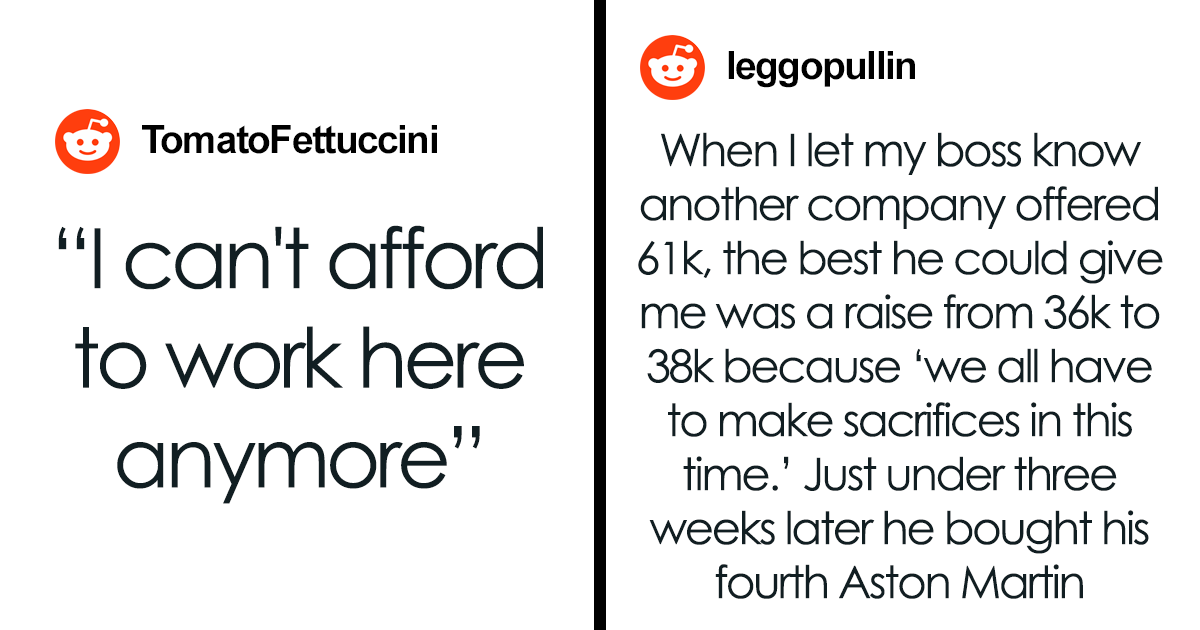
Nothing says modern capitalism quite like a company meeting where employees are told to be “realistic” about raises while the executive suite is floating around in a compensation package large enough to make a small moon feel underpaid. The language is always familiar. Margins are tight. Labor costs must stay disciplined. The market is uncertain. Everybody has to sacrifice. Then, as if by magic, the same company somehow finds room for stock awards, retention packages, security perks, corporate aircraft, or buybacks big enough to make a payroll manager need smelling salts.
That is why this conversation keeps boiling over. Public pay-ratio disclosures, labor reporting, and compensation studies have made it harder for big corporations to hide the gap between the people doing the work and the people talking about the work from a corner office with suspiciously nice lighting. Recent compensation data has shown, again and again, that CEO pay rises faster, lands softer, and gets explained away more elegantly than worker pay. Worker raises are “inflationary.” Executive pay is “market aligned.” Funny how language works when the check has enough zeroes.
To be clear, this is not a courtroom brief accusing 30 individual executives of personally marching into the break room and announcing, “No raises, peasants, daddy needs a second vacation property.” It is a sharper, truer criticism than that. It is about a system in which workers are constantly told there is no money, right up until the money shows up in executive compensation tables, shareholder-friendly buybacks, luxury perks, and compensation committees speaking in a dialect best described as MBA fog.
And because numbers are less sentimental than corporate speeches, here are 30 CEOs tied to companies that appeared in recent public low-wage and pay-ratio reporting. Some worked in retail, some in tech, some in food, some in consumer brands. Different sectors, same awkward vibe: the people at the top did very well, while workers kept hearing versions of “now is not the time” when the topic turned to bigger paychecks.
Why This Topic Keeps Hitting a Nerve
The anger is not just about envy. It is about contradiction. Workers are told productivity matters, loyalty matters, efficiency matters, and culture matters. Then they watch an executive compensation system that often behaves like gravity has been suspended for one floor of the building. When workers hear there is no room for meaningful raises, but there is room for eight-figure compensation, “performance equity,” personal security, or corporate aircraft usage, the message is not subtle. The company can afford things. It just prefers some things over people.
That is the real scandal. Not that CEOs are paid well. Corporate America has long paid CEOs well. The scandal is the stubborn mismatch between elite compensation and everyday wage logic. If worker pay must always be justified to the penny, while executive pay is treated like an atmospheric event beyond mortal control, people eventually stop buying the story. They do not need an economics degree to notice that “we can’t afford raises” sounds different when delivered by a company that can absolutely afford a giant buyback, a lavish executive package, or a fresh round of incentive stock.
30 CEOs Who Perfectly Capture the Raise-Denial Era
- Julie Sweet, Accenture A disclosed 1,526-to-1 pay ratio is the sort of number that makes “budget discipline” sound less like prudence and more like performance art.
- Joseph Hogan, Align Technology When the gap hits 1,271-to-1, the phrase “we all have to tighten our belts” starts sounding like it was written by someone wearing a silk robe.
- Andrew Jassy, Amazon Amazon’s disclosed ratio was lower than many others on this list, but no company better symbolizes the tension between relentless productivity culture and the endless debate over how growth gets shared.
- R.A. Norwitt, Amphenol A 646-to-1 ratio is an impressive achievement if your corporate goal is making the org chart look like a cliff face.
- Vincent Roche, Analog Devices A 527-to-1 gap is a reminder that high-tech sophistication does not automatically produce high-empathy compensation logic.
- Kevin Clark, Aptiv At 1,545-to-1, this is not a pay gap; this is a zip code difference with quarterly earnings calls.
- William Rhodes, AutoZone Auto parts may be replaceable, but workers tend to notice when the company seems more generous with shareholder value than with payroll.
- Deon Stander, Avery Dennison A 403-to-1 ratio may not make headlines every day, but it still asks workers to be calm while mathematics quietly screams.
- Gina Boswell, Bath & Body Works At 1,189-to-1, even the candles probably smell like “executive separation from reality.”
- José Almeida, Baxter International A 284-to-1 ratio is still the kind of spread that makes modest worker raises look less impossible and more inconvenient.
- Thomas Polen, Becton Dickinson & Co. A 408-to-1 gap turns every lecture about cost control into a lesson in selective austerity.
- Corie Barry, Best Buy Workers in customer-facing retail jobs already absorb the daily chaos; asking them to also absorb flat raises while executive pay climbs is how resentment gets a loyalty-card number.
- Frédéric Lissalde, BorgWarner A 490-to-1 ratio says the company knows how to engineer complex systems, just not a convincing explanation for wage compression.
- Thomas Reeg, Caesars Entertainment Casinos understand odds, and workers can calculate their own: the house almost always wins, especially in the compensation column.
- Josh Weinstein, Carnival A gap of 822-to-1 is the sort of thing that makes “sorry, no larger raises this year” feel especially bold coming from the bridge.
- Brian Niccol, Chipotle Mexican Grill With a disclosed 1,354-to-1 ratio, the company’s burritos are not the only things wrapped tightly; labor generosity seems to be, too.
- James Quincey, Coca-Cola At 1,799-to-1, the ratio is fizzy, iconic, and strong enough to leave a lasting aftertaste in any conversation about fairness.
- Ravi Kumar Current, Cognizant Technology Solutions A 556-to-1 gap shows that digital transformation is real, but apparently the transformation of worker pay has slower download speeds.
- Noel Wallace, Colgate-Palmolive A 336-to-1 ratio is not exactly cavity protection for morale.
- William Newlands, Constellation Brands Workers hear restraint; executive pay hears celebration. The mismatch could toast itself.
- Albert White, Cooper Companies A 341-to-1 ratio keeps the old corporate message alive: collaboration is essential, but compensation remains a solo sport at the top.
- Jeffrey Law, Copart The ratio here was far smaller than some others, yet it still illustrates a familiar pattern: workers are expected to understand limits that never seem to apply symmetrically upward.
- Wendell Weeks, Corning At 370-to-1, the company can make advanced materials, but apparently not a raise policy that feels emotionally durable.
- Ronald F. Clarke, Corpay Even with a comparatively lower ratio, the broader point stands: a lot of corporations defend worker pay with a caution they rarely apply to executive rewards.
- Craig Jelinek, Costco Wholesale Costco often gets credit for paying better than peers, which only proves the larger point: better treatment is possible when companies decide workers are worth the investment.
- Ricardo Cardenas, Darden Restaurants Restaurant workers know all about speed, pressure, and thin staffing. Being told raises must stay modest while executive pay looks healthy is how cynicism clocks in.
- Todd Vasos, Dollar General A 521-to-1 ratio at a low-cost retailer lands with brutal irony: everything is budgeted, except maybe the executive package.
- Richard Dreiling, Dollar Tree Workers in discount retail already operate in a world of stretched dollars. Corporate leadership asking for more patience can feel like asking gravity to be more supportive.
- Russell Weiner, Domino’s Pizza A 322-to-1 ratio makes the phrase “delivering value” sound a lot different depending on whether you are carrying pizza or carrying stock grants.
- Craig Arnold, Eaton Corp At 405-to-1, the number tells a very old corporate story: merit matters, but some merit appears to come with valet parking.
The Real Pattern Behind the Outrage
What links these names is not that every company is identical. They are not. What links them is the wider system. CEO pay is still heavily driven by stock awards, long-term incentives, and compensation committee logic that tends to reward scale, scarcity, and market benchmarking. Worker pay, meanwhile, is often framed as a cost problem. That split matters. It means executive compensation is treated as an investment, while employee compensation is treated as an expense. Once a company adopts that worldview, the rest writes itself.
That is also why workers get so irritated by the public theater of austerity. They hear about volatility, competition, and prudence. Then they see a company spend heavily on buybacks, or quietly disclose security perks, aircraft use, or some other executive convenience that somehow did not get stopped by the same stern guardian of affordability who blocked raises in the first place. The issue is not merely luxury. It is priority.
And that priority has consequences. Underpaid workers do not become more loyal because a slide deck tells them the company values them. They become more skeptical. They job-hop faster. They disengage. They unionize. They roll their eyes so hard during all-hands meetings that it is honestly a workplace safety concern. A business can preach culture all it wants, but culture collapses the minute compensation communicates contempt.
What Workers Actually Hear When a Company Says “We Can’t Afford It”
Employees are not usually hearing a neutral financial statement. They are hearing a value judgment. They are hearing that the company can afford growth strategies, image management, executive retention, investor-friendly capital moves, and all the polished language that comes with them. It just cannot afford to meaningfully improve the lives of the people who keep the place running. That is why the phrase lands so badly. “We can’t afford it” often means “we don’t rank it highly enough.”
There are companies that prove another way is possible. Some choose better wages, stronger benefits, clearer promotion paths, or broader profit-sharing. They may still pay CEOs handsomely, but they do not insult workers’ intelligence by pretending executive abundance and worker scarcity are both acts of nature. They acknowledge that compensation is a moral choice dressed up as a spreadsheet.
500 More Words on the Human Experience Behind the Headline
Anyone who has worked a regular job for long enough knows the emotional texture of this story. It is not just about money. It is about the weird, exhausting psychology of being told your work matters right up until the moment compensation is discussed. You are praised for resilience, flexibility, teamwork, ownership, grit, hustle, adaptability, and all the other corporate horoscope words. Then review season arrives, and suddenly the budget is tighter than a jar lid in a cartoon. Somehow your “excellent contribution” translates into a raise that would struggle to buy a family-size pizza.
That disconnect changes how people experience work. A cashier, analyst, warehouse associate, line cook, engineer, store lead, customer service rep, or office coordinator can tolerate a lot when they feel respected. They can survive a rough quarter, a hectic launch, or a season of uncertainty if leadership appears to be sharing the pain honestly. What crushes morale is the suspicion that sacrifice is being distributed by job title. When the people at the bottom are told to absorb instability while the people at the top are cushioned by bonuses, stock, perks, and polished justifications, the workplace starts to feel less like a team and more like a stage production with very different backstage catering.
There is also the daily absurdity of it. Workers hear that the company must be disciplined, then they are asked to do the jobs of two people because headcount is frozen. They are told customer service is the brand, then staffing is cut until customers and workers are both miserable. They are told retention matters, then internal raises trail the market badly enough that leaving becomes the only rational path. This is the kind of experience that makes ordinary employees cynical about every cheerful executive memo. They do not need to read proxy statements to sense imbalance. They can feel it in scheduling, burnout, turnover, and that annual performance review where the adjectives are generous but the dollars are stingy.
Over time, people become fluent in corporate translation. “We’re being prudent” means “not for you.” “We’re rewarding performance” means “especially theirs.” “We value our people” means “please do not compare that sentence with the compensation table.” It would be funny if it were not so expensive for the people living through it. Rent does not care about corporate messaging. Groceries do not accept applause as payment. Child care does not lower its prices because the CEO said workers are the heart of the company.
That is why this issue keeps exploding online and at work. It touches dignity. Workers can handle bad news. What they hate is obviously selective bad news. If a company truly cannot afford broad raises, then workers expect to see restraint at the top, too. Not speeches about shared sacrifice from someone whose definition of sacrifice includes fewer stock awards than last year. The modern backlash against executive excess is really a backlash against insult. People can live with hierarchy. They struggle with hypocrisy. And when that hypocrisy is wrapped in luxury, explained in consultant language, and delivered to underpaid employees with a motivational smile, the anger becomes not only understandable but inevitable.
Conclusion
The reason stories like this travel so fast is simple: people know what they are looking at. They are looking at a compensation culture that frequently treats worker pay as a burden and executive pay as destiny. They are looking at corporations that demand realism from employees and imagination from compensation committees. And they are looking at a very modern form of inequality, one polished enough to sound strategic while feeling insulting to anyone outside the executive dining room.
So no, the scandal is not just that some CEOs live luxuriously. The scandal is that so many companies still act as if meaningful raises for the people doing the actual work are a reckless indulgence, while eight-figure executive pay is merely the cost of doing business. Workers are not angry because they do not understand the numbers. They are angry because they do.