

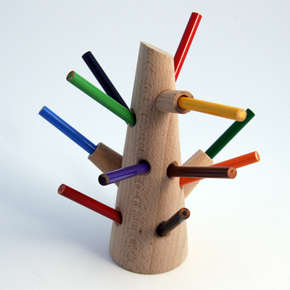
A child’s desk can turn into a tiny weather system in about four minutes: pencils rolling like logs after a storm, erasers hiding under notebooks, markers migrating to the floor, and one lonely crayon somehow living inside a sock. That is exactly why a well-designed tree pencil holder deserves more attention than it usually gets. It is not just a cute children’s accessory. It is a small organizing tool with a big job: keeping writing supplies visible, reachable, and fun enough that kids actually want to use them.
The tree pencil holder is one of those rare desk accessories that feels practical and playful at the same time. Instead of dropping pencils into a plain cup, children place them into branch-like holes, turning ordinary colored pencils into a leafy desktop sculpture. The result is part organizer, part art object, and part gentle invitation to draw, write, color, and create. For parents, it reduces clutter. For kids, it makes cleanup feel less like a command and more like feeding a friendly wooden tree.
Whether you are decorating a child’s bedroom, setting up a homework station, organizing a homeschool corner, or choosing a thoughtful gift, a tree pencil holder can bring warmth, order, and imagination to the space. Small? Yes. Powerful? Also yes. Basically, it is the desk accessory version of a snack-sized superhero.
What Is a Tree Pencil Holder?
A tree pencil holder is a desktop organizer designed to hold pencils, colored pencils, pens, or markers in a vertical or angled arrangement that resembles the branches of a tree. Some versions are made from wood, while others use bamboo, plastic, MDF, recycled materials, or 3D-printed forms. The best designs are simple, sturdy, smooth to the touch, and sized for small hands.
The classic idea is easy to understand: the base looks like a trunk or tree shape, and each hole holds one pencil. When the pencils are inserted, they create a colorful “canopy.” It is functional storage with a visual reward. A child can see every color at once, grab the right pencil quickly, and return it to its spot without digging through a cup that sounds like a tiny thunderstorm every time it moves.
Why the Tree Shape Works So Well
The tree form is more than decorative. It gives children a clear place for each item, which supports organization through visual structure. Kids often respond better to storage systems that show them exactly where things belong. A pencil cup says, “Put everything somewhere in here.” A tree pencil holder says, “Each pencil has its own little branch apartment.” That difference matters.
Because the pencils are separated, children can quickly identify colors and tools. This is especially helpful during art projects, handwriting practice, journaling, or homework time. Instead of stopping to search for a green pencil, the child can spot it immediately. Fewer interruptions mean smoother focus, and smoother focus means fewer dramatic announcements such as, “I cannot possibly do math because my blue pencil disappeared forever.”
Why Children’s Desk Accessories Matter
Children’s accessories are often treated as decoration, but good accessories can shape routines. A desk organizer, pencil holder, paper tray, small lamp, or labeled caddy helps define a workspace. When children know where supplies live, they are more likely to start tasks independently and clean up afterward.
A tree pencil holder works especially well because it turns organization into a visual habit. Instead of hiding supplies in a drawer, it keeps them within sight. This can be helpful for younger children who are still developing planning, sequencing, and tidying skills. When pencils are visible, the workspace feels inviting. When the workspace feels inviting, children are more likely to use it. The desk stops looking like a homework punishment zone and starts looking like a creativity station.
Encouraging Early Writing and Drawing
Writing tools are part of early literacy. Before children write full sentences, they scribble, trace, draw shapes, copy letters, and invent their own symbols. Having pencils and crayons within easy reach encourages these small but meaningful moments. A tree pencil holder can support that by making writing materials feel accessible and special.
For preschool and early elementary children, the goal is not perfection. It is comfort. The more often a child reaches for a pencil, the more familiar writing becomes. A cheerful pencil holder cannot teach letter formation by itself, of course. It is not a magical oak tree of grammar. But it can make the tools of writing feel less like school supplies and more like creative companions.
Design Benefits of a Tree Pencil Holder
The design appeal of a tree pencil holder is obvious: it looks charming. But beyond charm, several practical features make it a smart choice for children’s rooms and study areas.
It Saves Desk Space
Many children’s desks are small. Add a workbook, a water bottle, a lamp, a few paper scraps, and one mystery rock from the playground, and suddenly there is no room left for actual work. A tree pencil holder uses vertical storage, lifting pencils upward instead of spreading them across the desk.
It Makes Supplies Easy to See
Traditional pencil cups can become crowded. Pencils overlap, shorter crayons disappear, and markers sink to the bottom like office supplies in quicksand. A tree pencil holder displays tools individually, making it easier for children to choose what they need.
It Adds Personality Without Creating Clutter
Children love objects with personality. A tree-shaped organizer feels friendly and imaginative, but it still has a clear purpose. That is the sweet spot for kids’ decor: playful enough to be loved, useful enough to earn its place.
It Can Grow With the Child
A toddler may use it for chunky crayons under supervision. A grade-school child may use it for colored pencils and homework supplies. A tween might use it for sketching pencils, brush pens, or gel pens. The tree pencil holder can shift roles as the child’s interests change.
Materials: Wood, Bamboo, Plastic, or DIY?
Tree pencil holders come in different materials, and each one has advantages. Choosing the right material depends on the child’s age, the room style, durability needs, and whether you prefer a handmade look or a polished store-bought accessory.
Wooden Tree Pencil Holders
Wood is the most classic choice. A wooden tree pencil holder feels warm, natural, and sturdy. It fits beautifully in Montessori-inspired spaces, woodland-themed rooms, Scandinavian-style nurseries, and simple modern bedrooms. Look for smooth edges, non-toxic finishes, and a stable base that will not tip easily.
Wood also ages nicely. Small scratches can add character instead of making the item look ruined. In other words, wood understands childhood. It knows that one day it may be used as a pencil holder, the next day as a mountain for toy animals, and the day after that as “an important science machine.”
Bamboo Pencil Holders
Bamboo is lightweight, renewable, and often used in eco-friendly desk accessories. It has a clean look and works well in neutral rooms. Bamboo may be a good option for families who want a natural material but prefer a lighter finish.
Plastic Pencil Holders
Plastic versions are usually colorful, affordable, and easy to wipe clean. They can be practical for classrooms or craft stations where supplies get heavy use. However, parents should choose durable plastic and avoid flimsy designs that crack easily or include small detachable parts for younger children.
DIY Tree Pencil Holders
A DIY tree pencil holder can be a wonderful family project. Adults can handle drilling or cutting, while children help with sanding, painting, decorating, or choosing colors. A simple version can be made from a small wood block with angled holes, painted green and brown, or decorated with leaf stickers. For safety, any DIY version should be smooth, stable, and free of splinters, sharp corners, or loose pieces.
Safety Considerations for Children
Any children’s accessory should be selected with safety in mind. A pencil holder may seem harmless, but parents should still consider age, materials, finish, weight, and small parts.
Choose Age-Appropriate Designs
For children under three, avoid accessories with small removable parts, loose decorations, tiny caps, beads, magnets, or pieces that could break off. Young children explore with their hands and mouths, so simple and solid designs are safer. For older children, more decorative designs may be fine, but durability still matters.
Check the Finish
If the holder is painted or sealed, look for child-safe, non-toxic finishes. This is especially important for handmade or imported products where finish details may not be obvious. A natural wooden holder with a smooth, sealed surface is often a dependable choice.
Look for Stability
A good tree pencil holder should not wobble like it has had too much apple juice. A wide base helps prevent tipping, especially when pencils are inserted at angles. If the holder will sit near the edge of a desk, choose a heavier or lower-profile design.
Keep Sharp Tools Separate
Some pencil holders can technically hold scissors, craft knives, or other pointed tools, but a children’s tree pencil holder should be reserved for pencils, crayons, washable markers, and other age-appropriate writing supplies. Keep sharper tools in a separate adult-managed container.
How to Style a Tree Pencil Holder in a Child’s Room
A tree pencil holder is easy to style because it brings natural shape and color to a desk. The trick is to give it enough space to shine without turning the whole desk into a tiny forest festival.
Create a Mini Homework Station
Place the tree pencil holder near a notebook, a small paper tray, and a child-sized lamp. Add a comfortable chair and keep distractions low. The goal is to make the workspace clear and predictable. When everything has a place, homework feels less chaotic.
Use It as a Color Station
Fill the holder with colored pencils arranged like a rainbow. This makes the tree look bright and encourages children to use different colors in drawings. It also helps them practice sorting and categorizing, which are useful early learning skills.
Pair It With Nature-Inspired Decor
A tree pencil holder looks especially charming with woodland prints, animal bookends, leafy wallpaper, woven baskets, or a small corkboard shaped like a cloud. Keep the look balanced. One tree pencil holder is delightful. Twelve tree-themed accessories may start to feel like the desk is applying for national park status.
Make It Personal
Children are more likely to use items they feel connected to. Add a small name label, let the child choose the pencil colors, or allow them to decorate the base with safe stickers. Personal touches build ownership, and ownership often leads to better cleanup habits.
Tree Pencil Holder as a Gift Idea
A tree pencil holder makes a thoughtful gift because it is useful, charming, and not too large. It works for birthdays, back-to-school baskets, holiday gifts, classroom rewards, and creative children who always seem to have a pencil behind one ear.
To make the gift feel complete, pair the holder with a set of colored pencils, a sketchbook, a handwriting journal, or a pack of washable markers. For a younger child, choose chunky crayons and a simple drawing pad. For an older child, add watercolor pencils, fine-line pens, or a beginner sketching set.
Gift Bundle Ideas
A “little artist bundle” might include a wooden tree pencil holder, twelve colored pencils, a blank sketchbook, and a personalized name sticker. A “homework hero bundle” could include pencils, erasers, sticky notes, a timer, and a small checklist pad. A “nature desk bundle” might include the tree pencil holder, leaf-shaped bookmarks, recycled paper notebooks, and a small plant nearby.
How to Choose the Best Tree Pencil Holder
Before buying, think about how the child will use it. A decorative holder for a reading nook can be smaller. A daily homework organizer should be sturdier. A classroom version may need to hold more pencils and survive frequent handling.
Size and Capacity
Count how many pencils or markers the child uses most often. A small holder with 8 to 12 holes may be perfect for a minimalist desk. A larger holder with 20 or more spaces may suit young artists who treat colored pencils like treasure.
Hole Diameter
Standard pencils are slimmer than many markers or chunky crayons. Check whether the holder fits the supplies your child actually uses. A beautiful holder that cannot hold favorite markers will quickly become decorative furniture for dust.
Ease of Cleaning
Kids’ accessories should be easy to clean. Smooth wood, sealed bamboo, and wipeable plastic are practical choices. Avoid deep grooves that collect glitter unless you enjoy discovering glitter in July from a project completed in February.
Room Style
Choose a design that fits the room. Natural wood works well in calm, neutral spaces. Bright painted versions suit colorful playrooms. A simple geometric tree shape feels modern, while a rustic stump-style holder feels outdoorsy and handmade.
Organization Tips for Kids Using a Pencil Holder
A pencil holder works best when it is part of a simple system. Children do not need complicated storage rules. They need clear, repeatable habits.
Use the “One-Minute Reset”
At the end of homework or art time, ask the child to do a one-minute desk reset. Pencils go back in the tree, paper goes in the tray, books return to the shelf, and trash goes in the bin. Keep it quick. Long cleanup routines can feel overwhelming, while short resets are easier to repeat.
Sort by Color or Purpose
Some children like rainbow order. Others prefer grouping writing pencils on one side and colored pencils on the other. Let the child help choose the system. When the system makes sense to them, they are more likely to follow it.
Limit the Supply Count
A tree pencil holder should not hold every writing tool in the house. Keep daily-use items on the desk and store extras elsewhere. Too many supplies can become visual clutter, even when they are technically organized.
DIY Decorating Ideas for a Tree Pencil Holder
If you already own a plain tree pencil holder, a few simple updates can make it feel custom. Children can help with many of these ideas, as long as an adult handles any tools, strong adhesives, or finishing products.
Painted Leaves Theme
Paint the base soft green, brown, or cream, then add tiny leaf patterns around the holes. This gives the holder a storybook look without overwhelming the desk.
Seasonal Pencil Colors
Change the pencil colors by season. Use greens and yellows in spring, bright rainbow colors in summer, oranges and reds in fall, and cool blues in winter. It is an easy way to refresh the desk without buying new decor.
Name Plate Detail
Add a small wooden or paper name label to the front. This is especially useful for siblings or classroom settings where supplies tend to wander off and start new lives elsewhere.
Sticker Story Tree
Let the child add stickers that reflect their interests: stars, animals, dinosaurs, flowers, planets, or tiny smiling mushrooms. The holder becomes a small expression of personality.
Common Mistakes to Avoid
Even a simple accessory can go wrong if it does not match the child’s needs. Here are a few mistakes worth avoiding.
Choosing Style Over Stability
A pencil holder can be adorable, but if it tips every time a child grabs a pencil, it will become annoying fast. Choose a stable base first and a cute design second.
Buying One That Is Too Small
If the child uses markers, check the hole size. Some holders are designed only for standard pencils. A holder that cannot fit the favorite purple marker may cause a household crisis of surprising intensity.
Ignoring Cleaning Needs
Children’s desks collect dust, pencil shavings, glue crumbs, and mysterious specks. A good holder should be easy to wipe and inspect.
Overfilling It
The tree design looks best when pencils have breathing room. Overstuffing makes it harder to use and less attractive. Store extras in a drawer or supply bin.
Real-Life Experiences: Living With a Tree Pencil Holder
In real family life, the tree pencil holder earns its value during the small daily moments nobody puts in glossy product photos. It helps during the five-minute rush before school when a child suddenly remembers that the homework packet needs a signature and “also I need a sharpened pencil, like, right now.” It helps during rainy afternoons when the kitchen table becomes an art studio. It helps when a parent wants the desk to look tidy without removing every trace of childhood from the room.
One of the nicest experiences with a tree pencil holder is watching children naturally return pencils to it. A regular cup can become a dumping zone, but a tree holder gives children a tiny challenge: fill the branches. That simple action can make cleanup feel satisfying. Younger kids may even narrate the process: “The red pencil lives here, the blue pencil lives here, and the yellow pencil is the king.” Is that official organizational theory? Not exactly. Does it work? Often, yes.
For children who enjoy drawing, the holder can become part of the creative ritual. They sit down, look at the colors, choose one, and begin. Because the pencils are visible, color choices feel more intentional. A child may notice the pale green they usually forget, or reach for brown to draw tree bark because the holder itself suggests nature. The accessory quietly inspires the activity. It does not shout, flash, beep, or ask for batteries. It simply stands there being useful, which is a rare and beautiful thing in a child’s room.
Parents may also appreciate how the holder changes the mood of a workspace. A desk with scattered pencils looks unfinished. A desk with a tree pencil holder looks prepared. That visual difference can affect how children approach homework. The space feels less like a pile of tasks and more like a place where work can begin. For kids who resist homework, no pencil holder will solve everything, but a calm setup can remove one layer of friction. Sometimes the first step is simply making the pencil easy to find.
In shared spaces, such as a living room homework corner or homeschool shelf, a tree pencil holder can act as a boundary marker. It says, “This is where writing happens.” Children often respond well to environmental cues. The lamp means focus. The notebook means practice. The pencil tree means tools are ready. Over time, these cues can support routines without constant reminders from adults.
There are also funny moments. A child may use the pencil tree as scenery for toy animals. A sibling may rearrange the colors into “rainbow order” and then defend that system like a tiny museum curator. Someone may stick a pencil in upside down and announce it is a broken branch. These moments are part of the charm. The best children’s accessories are not too precious. They can handle being used, moved, renamed, and included in imaginary worlds.
After a few weeks, many families find that the tree pencil holder becomes one of those objects everyone stops noticing because it simply works. The pencils are there. The desk looks friendlier. Cleanup is faster. The child has a small sense of ownership over the space. That is the quiet success of good design: it does not demand attention every day, but it makes daily life easier.
For gift-givers, the experience is equally rewarding. Unlike noisy toys or oversized decor, a tree pencil holder feels thoughtful and practical. It encourages creativity without adding chaos. Pair it with colored pencils and a sketchbook, and you have a gift that says, “I believe your ideas deserve a place to land.” That message is bigger than the object itself.
Ultimately, a tree pencil holder is not just about storing pencils. It is about creating a small, welcoming environment where children can write, draw, organize, and imagine. It turns ordinary supplies into something visible and inviting. It teaches that tools deserve a home. It adds a bit of nature to the desktop. And, on a very practical level, it reduces the number of pencils found under the rug. For many families, that alone is worth celebrating.
Conclusion
The tree pencil holder proves that children’s accessories do not need to be complicated to be effective. With a simple tree-inspired shape, it organizes pencils, brightens a desk, supports creative routines, and helps children build tidier habits. It is decorative, but not useless. Playful, but not distracting. Practical, but not boring. That is a rare combination in the world of kids’ desk accessories, where many items are either too cute to function or too plain to inspire.
For parents designing a child’s workspace, teachers refreshing a classroom table, or gift-givers looking for something charming and useful, a tree pencil holder is a small accessory with lasting appeal. Choose a safe, sturdy, age-appropriate design; fill it with pencils your child loves; and give it a clear home on the desk. The result is a workspace that feels more organized, more inviting, and just a little more magical.