

Getting a breast cancer diagnosis can make ordinary life feel like someone dumped a 5,000-piece puzzle onto the kitchen table and hid the picture on the box. Suddenly, there are scans, pathology reports, treatment discussions, insurance questions, phone calls, and enough appointment reminders to make your calendar look mildly alarmed.
A breast cancer nurse navigator helps turn that pile of information into a clearer path forward. This nurse is not there to make decisions for you or replace your doctors. Instead, they help you understand the care process, prepare for what comes next, connect with the right people, and avoid feeling like you need a graduate degree in medical scheduling just to get through Tuesday.
What Is a Breast Cancer Nurse Navigator?
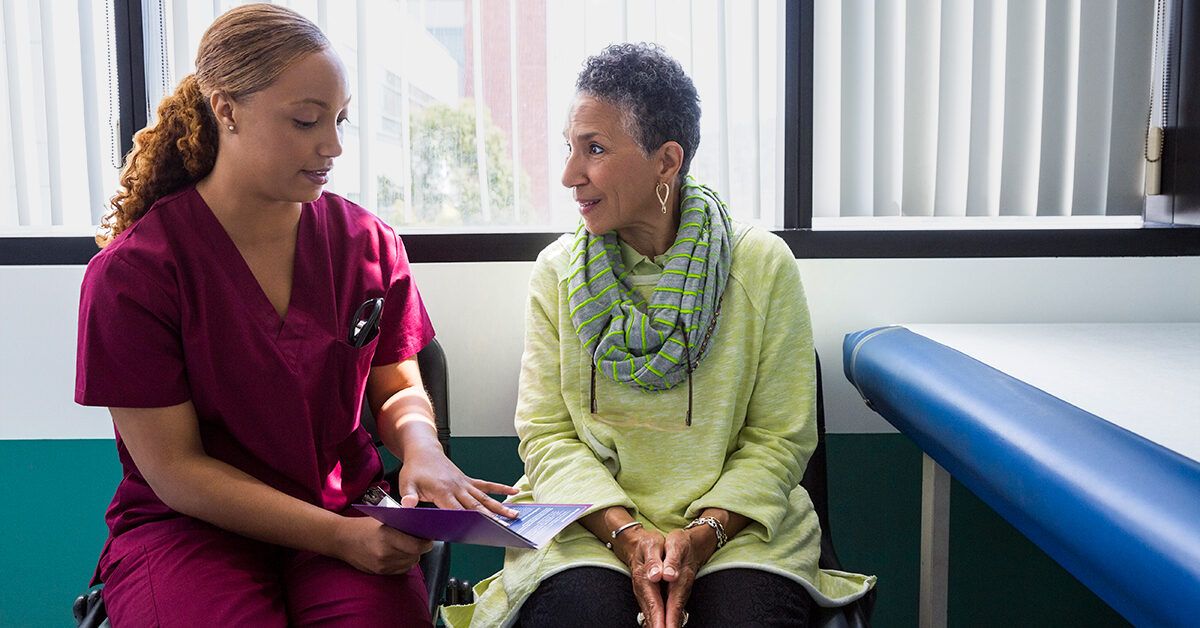
A breast cancer nurse navigator is usually a registered nurse with oncology or breast-health experience who helps patients and families move through the cancer care system. Their job combines clinical knowledge, education, coordination, advocacy, and practical support.
Think of a nurse navigator as a knowledgeable guide on a very complicated road trip. Your surgeon, medical oncologist, radiation oncologist, primary care clinician, genetic counselor, and other specialists may each handle different parts of your treatment. The nurse navigator helps connect those pieces so you know who does what, when things happen, and which questions should go where.
In many breast cancer programs, the nurse navigator becomes an early point of contact after an abnormal screening result, biopsy, referral, or diagnosis. Some navigators stay involved through surgery, chemotherapy, radiation, hormone therapy, follow-up care, and survivorship. Others focus on one part of the journey, such as intake, surgical care, treatment planning, or recovery.
The exact role varies by hospital, cancer center, insurance plan, and community. Still, the central goal is similar: help patients get timely, understandable, patient-centered care while reducing avoidable barriers.
Why Breast Cancer Navigation Matters
Breast cancer care can involve more than one specialty and several decisions made over a short period. A patient may need imaging, a biopsy review, genetic counseling, surgical planning, reconstruction discussions, medication education, radiation consultations, and follow-up appointments. None of that means a patient is doing something wrong if it feels overwhelming. It means the system is complex.
A breast cancer nurse navigator helps create order without pretending that cancer is simple. They can explain the typical sequence of care, identify what information may be needed before a visit, and help patients understand which team member is best suited to answer a particular question.
Navigation can be especially helpful when a person faces barriers such as limited transportation, language differences, financial stress, caregiving duties, a demanding job schedule, mobility concerns, or difficulty sorting through unfamiliar medical terms. A good navigator notices that treatment is not happening in a vacuum. It is happening alongside school pickup, rent, work meetings, family responsibilities, and the occasional household crisis involving a broken washing machine.
What Does a Breast Cancer Nurse Navigator Do?
Explains the Care Process in Plain English
Medical teams use important but unfamiliar words every day: lumpectomy, mastectomy, sentinel lymph node biopsy, HER2 status, hormone receptor status, neoadjuvant therapy, survivorship plan. A nurse navigator can help explain what these terms generally mean and prepare you to discuss them with your clinicians.
They may also help you write down questions before appointments so you do not leave the office thinking, “Excellent, I remembered to ask where the restroom was but forgot the thing about treatment timing.”
Coordinates Appointments and Referrals
A navigator may help organize appointments with breast surgeons, medical oncologists, radiation oncologists, plastic surgeons, genetic counselors, social workers, dietitians, rehabilitation specialists, fertility experts, or palliative care professionals. They may also help clarify what should happen before a visit, such as obtaining records, bringing imaging discs, completing lab work, or arranging a referral.
They cannot always make an appointment appear by magic, unfortunately. But they can often help identify the right scheduling path and alert the care team when timing or access becomes a problem.
Provides Education About Treatment and Side Effects
Breast cancer nurse navigators often provide general education about surgery, systemic treatment, radiation therapy, recovery, medication routines, and common side effects. They may explain when to contact the clinic, how to keep track of symptoms, and what questions to ask before treatment begins.
They can also reinforce instructions from the medical team. Hearing information more than once is not a sign that you are failing Cancer School. It is a normal response to receiving a lot of emotionally heavy information at once.
Connects Patients With Support Services
Navigation often includes referrals to practical and emotional support. Depending on the program, this may include financial counseling, insurance guidance, transportation assistance, wig or prosthesis resources, support groups, mental health care, nutrition counseling, exercise programs, rehabilitation, lymphedema education, home-care services, and caregiver support.
If a patient needs help with childcare, time off work, lodging near a treatment center, disability paperwork, or communication with an employer, the navigator may connect them with the appropriate social worker, financial navigator, patient advocate, or community organization.
Helps Patients Communicate With the Care Team
A nurse navigator can help patients identify their priorities and formulate questions for clinicians. For example, a patient may want to ask how treatment could affect work, fertility, family responsibilities, body image, sleep, travel, or caregiving. These concerns are not “extra” questions. They are part of real life.
The navigator may also help patients understand which symptoms or concerns should go to the surgeon, infusion nurse, oncology team, primary care clinician, or after-hours line.
Supports Families and Caregivers
Breast cancer affects more than the person receiving treatment. Caregivers often need help understanding schedules, medication routines, practical needs, and the emotional ups and downs of treatment. A navigator may help include caregivers in education, with the patient’s permission, and connect them with helpful resources.
Helps With Survivorship and Follow-Up
Navigation does not necessarily stop when active treatment ends. Some nurse navigators help patients understand follow-up schedules, long-term side-effect management, survivorship care plans, rehabilitation needs, and the transition back to primary care or a survivorship clinic.
What a Nurse Navigator Does Not Do
A breast cancer nurse navigator is an important member of the care team, but they are not a substitute for your treating clinicians. They do not independently diagnose breast cancer, interpret pathology as your final medical authority, prescribe treatment unless they hold a separate advanced-practice role with that authority, or choose your treatment plan for you.
They also cannot promise that insurance will approve a service, guarantee a particular appointment date, or remove every obstacle that comes with cancer care. What they can do is help you identify the next step, connect you to the right professionals, and keep small problems from becoming giant administrative snowballs.
For urgent symptoms, always follow the emergency instructions provided by your oncology team. If you are experiencing a medical emergency, call 911 or seek emergency care right away.
Nurse Navigator vs. Patient Navigator vs. Social Worker
These roles often work closely together, and the titles can overlap from one cancer center to another. Here is a simple comparison.
| Role | Main Focus | Typical Support |
|---|---|---|
| Breast Cancer Nurse Navigator | Clinical education and care coordination | Explaining treatment flow, reviewing care instructions, coordinating referrals, triaging questions, preparing for appointments |
| Patient Navigator | Access and practical barriers | Scheduling support, transportation, paperwork, community resources, communication support |
| Oncology Social Worker | Emotional, family, financial, and psychosocial needs | Counseling, coping support, caregiver help, financial resources, workplace issues, crisis support |
| Financial Navigator | Cost and insurance questions | Insurance benefits, prior authorizations, copay assistance, payment resources, financial planning for care |
In a strong cancer program, these professionals work as a team. You do not need to memorize everyone’s title before asking for help. Start with the person you can reach, explain what is happening, and let the team guide you to the right resource.
How to Get the Most From a Breast Cancer Nurse Navigator
Keep One Running List of Questions
Use a notebook, phone note, or old-fashioned piece of paper that somehow survives the washing machine. Write questions as they arise. Bring the list to appointments or send it through your patient portal when appropriate.
Be Honest About Real-Life Obstacles
Tell your navigator if transportation is difficult, work schedules are tight, you are worried about costs, you need an interpreter, you are caring for children or parents, or you have trouble getting to appointments. These details can change the kind of help the team offers.
Ask for Clarification, Not Just Information
Instead of asking only, “What happens next?” consider asking:
- What is the purpose of this appointment?
- Who should I call if I develop symptoms after treatment?
- What decisions will I need to make soon?
- What records should I keep for myself?
- Which support services might be helpful for my situation?
- Can a caregiver join this education session or appointment?
Bring a Support Person When Possible
A trusted friend or family member can take notes, ask follow-up questions, and help remember instructions. If no one can attend in person, ask whether they can join by phone or video, depending on the clinic’s policies.
Breast Cancer Nurse Navigator FAQs
Are breast cancer nurse navigators assigned automatically?
Not always. Some breast centers automatically assign a navigator after an abnormal mammogram, biopsy, referral, or diagnosis. Other programs provide navigation only after a patient requests it. Ask the breast imaging center, surgeon’s office, oncology clinic, or hospital patient-services department whether nurse navigation is available.
Can a nurse navigator help before a cancer diagnosis is confirmed?
Yes, in some programs. Navigation may begin after an abnormal screening test or before a biopsy is completed. Early support can help patients understand the next steps, arrange follow-up appointments, gather records, and reduce delays.
Can a breast cancer nurse navigator recommend a treatment?
A navigator can provide education, explain the purpose of consultations, and help you prepare questions for your doctors. Treatment recommendations should come from the clinicians responsible for your medical care, such as your surgeon, medical oncologist, radiation oncologist, or multidisciplinary cancer team.
Can a nurse navigator help me get a second opinion?
Often, yes. A navigator may help you understand how to request records, pathology slides, imaging studies, referrals, or insurance information needed for a second-opinion consultation. Seeking another qualified medical opinion is a normal part of making an informed decision, especially when treatment options feel complex.
Does it cost money to use a nurse navigator?
Many hospitals and cancer centers provide navigation as part of their patient-support services, but availability and coverage vary. It is reasonable to ask whether there are fees, whether insurance is involved, and whether financial navigation is available if you are concerned about costs.
Can a navigator help with insurance, transportation, or bills?
They may help directly or connect you with the right professional. A nurse navigator often works alongside financial navigators, social workers, patient advocates, and community organizations that specialize in practical support. The earlier you mention a barrier, the more time the team may have to help address it.
What happens if my hospital does not offer a nurse navigator?
Ask your oncology office whether there is a patient navigator, social worker, care coordinator, nurse educator, or financial counselor available. National cancer organizations and local nonprofit groups may also offer telephone support, educational resources, or connections to services in your area.
Can I contact my nurse navigator after treatment ends?
That depends on the program. Some navigators remain involved through survivorship, while others transition patients to a survivorship clinic, primary care clinician, or another member of the oncology team. Before treatment ends, ask who your main contact will be for follow-up questions and long-term concerns.
Composite Experiences: What Navigation Can Feel Like in Real Life
Note: The following examples are fictional composites based on common navigation situations. They are included to illustrate how support may work and are not individual patient stories.
Experience 1: The working parent with a calendar problem. Tasha was newly diagnosed with early-stage breast cancer while managing a full-time job and two school-age children. Her first reaction was not dramatic movie-scene crying. It was staring at her phone and wondering how anyone was supposed to fit surgery consultations, imaging, work meetings, and school pickup into one human week.
Her nurse navigator helped her map the immediate timeline, identify which appointments were essential, and ask the clinic about early or late appointment options. The navigator also connected Tasha with a social worker who discussed leave paperwork and caregiver resources. Tasha still had difficult decisions ahead, but she no longer felt as though every phone call was a separate obstacle course.
Experience 2: The patient overwhelmed by medical vocabulary. Elena received a pathology report through her patient portal before she had a chance to speak with her surgeon. She read every unfamiliar term online at midnight, which is a strategy that rarely ends with calm breathing and a cup of tea. By morning, she was more frightened than informed.
Her nurse navigator did not replace the surgeon’s medical explanation or tell Elena what treatment she needed. Instead, the navigator helped her create a list of questions for the consultation, explained the general purpose of pathology information, and made sure Elena knew which specialists she might meet next. Having a guide did not erase uncertainty, but it helped her walk into the appointment ready to participate rather than frozen by information overload.
Experience 3: The rural patient balancing travel and treatment. Marlene lived more than an hour from the cancer center. Gas costs, missed work, and winter weather made every appointment feel like a major expedition. Her nurse navigator helped coordinate same-day visits when possible and referred her to a financial navigator and local transportation resources. The care plan did not become effortless, but it became more realistic.
This is an important part of navigation: recognizing that “just come back next week” can mean something very different for a person who lives far away, has limited mobility, or depends on someone else for a ride.
Experience 4: The survivor entering a new phase. After finishing active treatment, Denise expected to feel only relief. Instead, she felt relieved, tired, worried, and oddly unprepared for the moment when appointments became less frequent. Her nurse navigator reviewed follow-up expectations, explained how to keep treatment records organized, and connected her with a survivorship program and a support group.
Denise later said that the most helpful thing was not receiving a perfect answer to every fear. It was knowing who to contact, what questions to ask, and that life after treatment could include support rather than a sudden shove into the deep end of the pool.
The Bottom Line
A breast cancer nurse navigator is a clinically trained guide who helps patients and families understand the care process, coordinate services, communicate with the treatment team, and manage the practical realities of breast cancer care. They do not replace your doctors, but they can make the path between diagnosis, treatment, and survivorship feel more organized and less lonely.
If you or someone you love is facing a breast cancer diagnosis, ask the hospital or cancer center: “Do you have a breast cancer nurse navigator, and how can we connect?” It is a small question that can open the door to meaningful support.