

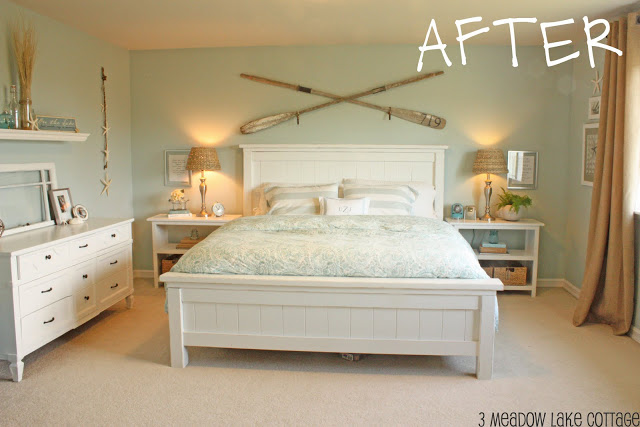
Your master bedroom should feel like the place where the day finally stops trying to sell you something. No laundry mountain glaring from the corner, no blinking chargers staging a tiny electronic rave, and no “temporary” chair that has quietly become a full-time clothing storage unit.
Making the master bedroom beautiful is not about copying a luxury hotel suite down to the last decorative pillow. It is about creating a room that feels calm, personal, comfortable, and genuinely useful. A beautiful bedroom should look polished in the morning, feel cozy at night, and still function when real life arrives with socks, water glasses, and a phone charger that somehow disappears every evening.
The best master bedroom design combines visual balance, comfortable bedding, thoughtful lighting, practical storage, and a few details that make the room unmistakably yours. Whether you are planning a complete bedroom makeover or simply trying to make your space feel less like a furniture showroom and more like a retreat, these bedroom decorating ideas can help you build a room worth waking up in.
Start With the Feeling You Want Your Bedroom to Have
Before buying paint, pillows, or an extremely expensive candle that smells like “coastal fog and emotional stability,” decide how you want the room to feel.
A master bedroom can be soft and romantic, warm and traditional, crisp and modern, moody and dramatic, or bright and airy. The point is not to chase a trend that may disappear before your next laundry day. The goal is to create a bedroom atmosphere that supports how you actually live.
Choose Three Words for Your Bedroom Style
Pick three words that describe your ideal room. For example:
- Calm, layered, and warm
- Modern, clean, and cozy
- Romantic, moody, and elegant
- Natural, relaxed, and timeless
- Classic, polished, and welcoming
These words become your filter. When you see a lamp, rug, headboard, or throw pillow, ask whether it supports the feeling you want. This simple step prevents the common bedroom-design problem known as “I liked it at the store, but now it looks like it belongs in another zip code.”
Make the Bed the Main Character
In most master bedrooms, the bed is the largest visual object in the room. It should not be treated like a mattress delivery accident. A beautiful bed creates an immediate focal point and gives the entire room a sense of order.
Choose a Headboard With Presence
A headboard is one of the fastest ways to make a master bedroom look intentional. Upholstered headboards add softness and comfort, especially if you like reading in bed. Wood headboards bring warmth and texture. Metal frames can work beautifully in modern, industrial, farmhouse, or vintage-inspired spaces.
If your budget is limited, you do not need to buy a giant carved bed frame with the personality of a European castle. You can create visual impact with a painted accent wall, vertical wood slats, removable wallpaper, a large piece of art, or even an oversized textile behind the bed.
Layer the Bedding Instead of Buying a Matching Set
Perfectly matched bedding can look neat, but it can also feel a little too much like a catalog page that has never experienced a Sunday afternoon nap. A more inviting luxury bedroom look often comes from mixing complementary textures and tones.
Start with quality sheets in a neutral or soft color. Add a duvet or quilt, then layer in a folded blanket at the end of the bed. Use two or three decorative pillows rather than creating a pillow wall that requires engineering approval before bedtime.
For example, a warm-white duvet can look beautiful with olive-green pillow shams, a caramel knit throw, and a striped lumbar pillow. The colors do not need to match exactly. They simply need to look as though they have met before.
Create a Color Palette That Helps the Room Breathe
Color has a major effect on how a master bedroom feels. The safest route is not always white. A room can be peaceful with warm beige, dusty blue, soft green, muted terracotta, taupe, mushroom gray, deep navy, or a rich brown that feels like a very expensive cup of coffee.
Use a Simple Color Formula
A reliable bedroom color scheme often includes:
- One main wall color
- One supporting neutral
- One or two accent colors
- Natural materials such as wood, linen, rattan, stone, or woven fibers
For a relaxed bedroom, try warm white walls, oak furniture, linen bedding, and muted green accents. For a more dramatic master bedroom makeover, use deep blue or charcoal walls with cream bedding, brass lighting, and warm wood tones.
Do not be afraid of darker colors, especially in a bedroom. Deep tones can make a large room feel more intimate and make a small room feel intentional rather than unfinished. The secret is balance. Dark walls need softness from bedding, curtains, rugs, and lighting.
Use Layered Lighting Instead of One Harsh Ceiling Light
Nothing ruins a relaxing bedroom faster than a bright overhead bulb that makes the room feel like a dentist’s office with decorative pillows. Lighting should be layered so you can change the mood depending on the time of day.
Include Three Types of Bedroom Lighting
Ambient lighting provides general illumination. This may come from a ceiling fixture, pendant, or soft overhead light.
Task lighting helps with practical activities such as reading, getting dressed, or finding the mysterious earring that rolled under the nightstand.
Accent lighting adds warmth and personality. This can include sconces, table lamps, picture lights, small lamps on a dresser, or subtle lighting inside built-in shelves.
Warm bulbs and dimmers can instantly make the master bedroom feel more inviting. Bedside lamps should be easy to reach and bright enough for reading without turning bedtime into an interrogation scene.
If your nightstands are tiny, wall-mounted sconces are an excellent option. They free up surface space and make the room feel more custom. They also stop your lamp from competing with your water glass, lip balm, novel, charging cable, and the one receipt you swear you will throw away later.
Choose Furniture That Fits the Room, Not Just the Store Display
Scale is one of the most important parts of master bedroom design. A beautiful furniture piece can look ridiculous if it is too large, too small, or placed where people must perform a sideways shuffle just to reach the closet.
Measure Before You Buy
Measure the room, doors, windows, closet clearance, and walking paths before purchasing furniture. Leave enough room to move comfortably around the bed. If a king bed dominates the entire room, choose slimmer nightstands, wall sconces, or floating shelves rather than forcing oversized furniture into every empty inch.
A balanced layout often includes the bed as the focal point, nightstands on both sides when space allows, a dresser or chest placed on an open wall, and a bench, ottoman, or chair only if the room can handle it.
Do not add a chair simply because every inspirational bedroom photo includes one. A chair that only collects sweaters is not a reading nook. It is a textile landfill with legs.
Mix Furniture for a More Collected Look
Matching bedroom furniture sets are easy, but they are not required. A wood bed frame can pair beautifully with painted nightstands. A vintage dresser can look elegant beside modern lamps. A soft upholstered bench can balance a more structured wood bed.
Mixing pieces makes the room feel collected over time rather than delivered all at once in seven cardboard boxes and a mild state of despair.
Add Texture to Make the Bedroom Feel Richer
A beautiful bedroom is not only about color. Texture is what makes the room feel layered, comfortable, and visually interesting. Think linen curtains, a wool rug, cotton bedding, velvet pillows, woven baskets, a leather bench, ceramic lamps, or a wood dresser with visible grain.
Try to include at least three different textures in the room. For example, smooth painted walls, soft linen bedding, and a woven rug create contrast without chaos. A sleek metal bed can feel warmer when paired with a chunky knit throw and a fabric-shaded lamp.
Do Not Forget the Rug
A rug can anchor the entire master bedroom. It gives the bed a visual foundation and makes mornings more pleasant for bare feet. In a larger room, place the rug under the lower two-thirds of the bed so it extends beyond both sides. In a smaller room, runners placed beside the bed can provide softness without overwhelming the floor plan.
The rug should feel generous enough for the room. A tiny rug floating at the foot of a king bed often looks less like a design decision and more like it got lost on the way to another apartment.
Use Window Treatments to Add Privacy and Polish
Window treatments are one of the most overlooked bedroom decorating ideas. Curtains can soften a room, add height, control light, and make even a basic bedroom feel more finished.
Hang curtain rods wider and higher than the window frame when possible. This makes windows appear larger and ceilings feel taller. Choose curtain panels that reach close to the floor for a more tailored look.
For better sleep, combine decorative curtains with blackout shades or blackout lining. This gives you light control without sacrificing style. Linen-look drapes over blackout shades are a practical combination for bedrooms that receive strong morning sun.
Control Clutter Without Making the Room Feel Empty
A master bedroom does not need to look sterile to feel calm. It simply needs a place for the things that tend to multiply after 8 p.m.
Build in Storage Where You Need It
Choose nightstands with drawers if you need room for chargers, books, medications, or skincare. Use a storage bench at the foot of the bed for extra blankets. Consider under-bed storage for seasonal clothing, spare linens, or the collection of mysterious cords that may belong to something important.
Closed storage is especially helpful because it reduces visual noise. Open shelves can be beautiful, but they require editing. A shelf filled with a few books, a framed photo, and a small ceramic object looks curated. A shelf filled with random receipts, tangled cables, and three half-empty water bottles looks like an archaeological dig.
Bring Personality Into the Master Bedroom
A beautiful bedroom should not look like it belongs to a person who never sleeps there. Add pieces that tell your story: framed travel photos, meaningful artwork, a vintage mirror, a favorite book collection, a handmade quilt, or a small object collected from a memorable trip.
Above the bed, choose one large artwork, a pair of coordinated prints, a textile wall hanging, or a sculptural mirror. Keep the scale appropriate. Tiny art above a large bed tends to look nervous. Oversized art creates confidence and gives the room a stronger visual center.
Plants can also bring life into a bedroom, but do not turn the space into a rainforest unless you truly enjoy watering responsibilities. One leafy plant on a dresser or a small vase of fresh branches can add softness without demanding its own zip code.
Make the Bedroom More Comfortable for Real Life
Beauty matters, but comfort decides whether you actually enjoy the room. A master bedroom should work for sleep, reading, getting dressed, relaxing, and occasionally hiding from the rest of the household with a snack you do not plan to share.
Keep a comfortable temperature, reduce unnecessary electronic lights, and make sure bedside essentials are within reach. Consider a tray on each nightstand for glasses, jewelry, hand cream, or a water carafe. Add a soft throw for naps. Use a basket for extra pillows so they do not spend every evening on the floor auditioning for a new life.
The best luxury bedroom design is not necessarily the most expensive one. It is the one that makes everyday routines easier and more pleasant.
Conclusion: A Beautiful Master Bedroom Is Built in Layers
Making the master bedroom beautiful does not require a perfect floor plan, a designer budget, or the ability to fold fitted sheets like a hotel employee. It requires thoughtful choices.
Start with a clear mood, create a strong focal point around the bed, choose a calm color palette, layer the lighting, and add texture through rugs, bedding, curtains, and natural materials. Keep clutter under control, use furniture that fits the space, and include details that make the room feel personal.
Your master bedroom should be more than a place where you collapse at the end of the day. It should be a small private retreat: stylish enough to make you smile when you walk in, comfortable enough to make you stay, and organized enough that you can actually find your charger before bedtime.
Real-Life Experiences: What Actually Makes a Master Bedroom Feel Beautiful
One of the biggest lessons people learn during a master bedroom makeover is that a room does not become beautiful all at once. It improves in layers. Many homeowners begin by buying a new comforter or painting the walls, only to realize that the room still feels unfinished because the lighting is harsh, the curtains are too short, or the furniture is fighting for floor space like shoppers during a holiday sale.
A common experience is discovering that the bed itself changes everything. Replacing a weak or outdated headboard with an upholstered, wood, or cane version often gives the room instant structure. Even when the rest of the room stays mostly the same, a better headboard makes the bedroom look more intentional. It is a little like putting on a good jacket: suddenly, the whole outfit appears to have a plan.
Another frequent realization is that bedding does not need to be expensive to look luxurious. The difference usually comes from layering. A simple white duvet becomes more interesting with a folded quilt, textured pillow covers, and a warm throw at the foot of the bed. People often find that mixing soft neutrals with one accent color creates a more relaxed and personal look than buying a complete matching set.
Lighting is another area where small changes can produce major results. Many people live for years with one ceiling light and assume the room feels bland because of the furniture. Then they add bedside lamps, dimmers, or wall sconces and suddenly the bedroom feels calmer, warmer, and much more expensive. The room has not become larger, but it feels more layered and more welcoming.
Storage also affects how beautiful a master bedroom feels. A room can have excellent paint, luxurious bedding, and a stylish rug, but a visible pile of clothes can overpower all of it in about three seconds. Adding drawers, baskets, a storage bench, or better closet organization often improves the room more than another decorative object ever could. The goal is not perfection. The goal is having a place for the things that tend to gather at the end of a busy day.
Many successful bedroom makeovers also happen slowly. Instead of purchasing every item in one weekend, people often start with the essentials: better bedding, curtains, lighting, and a rug. Then they live with the room for a while before adding art, accessories, or a chair. This approach helps avoid impulse purchases and allows the bedroom to develop more naturally.
The most beautiful master bedrooms are rarely the ones filled with the most expensive items. They are the rooms that feel calm, useful, and personal. They reflect the people who sleep there, not just the trends that appeared online last month. A framed photograph, a vintage lamp, a handmade blanket, or an old dresser with a story can make a room feel more special than a dozen items bought simply because they were labeled “luxury.”
In the end, the experience of creating a beautiful master bedroom is really about paying attention to how the room makes you feel. Does it help you unwind? Does it function well in the morning? Does it feel like a place where you can rest, read, recharge, and close the door on the rest of the world for a little while?
When the answer is yes, the room is doing exactly what it should. It is not just beautiful. It is yours.