

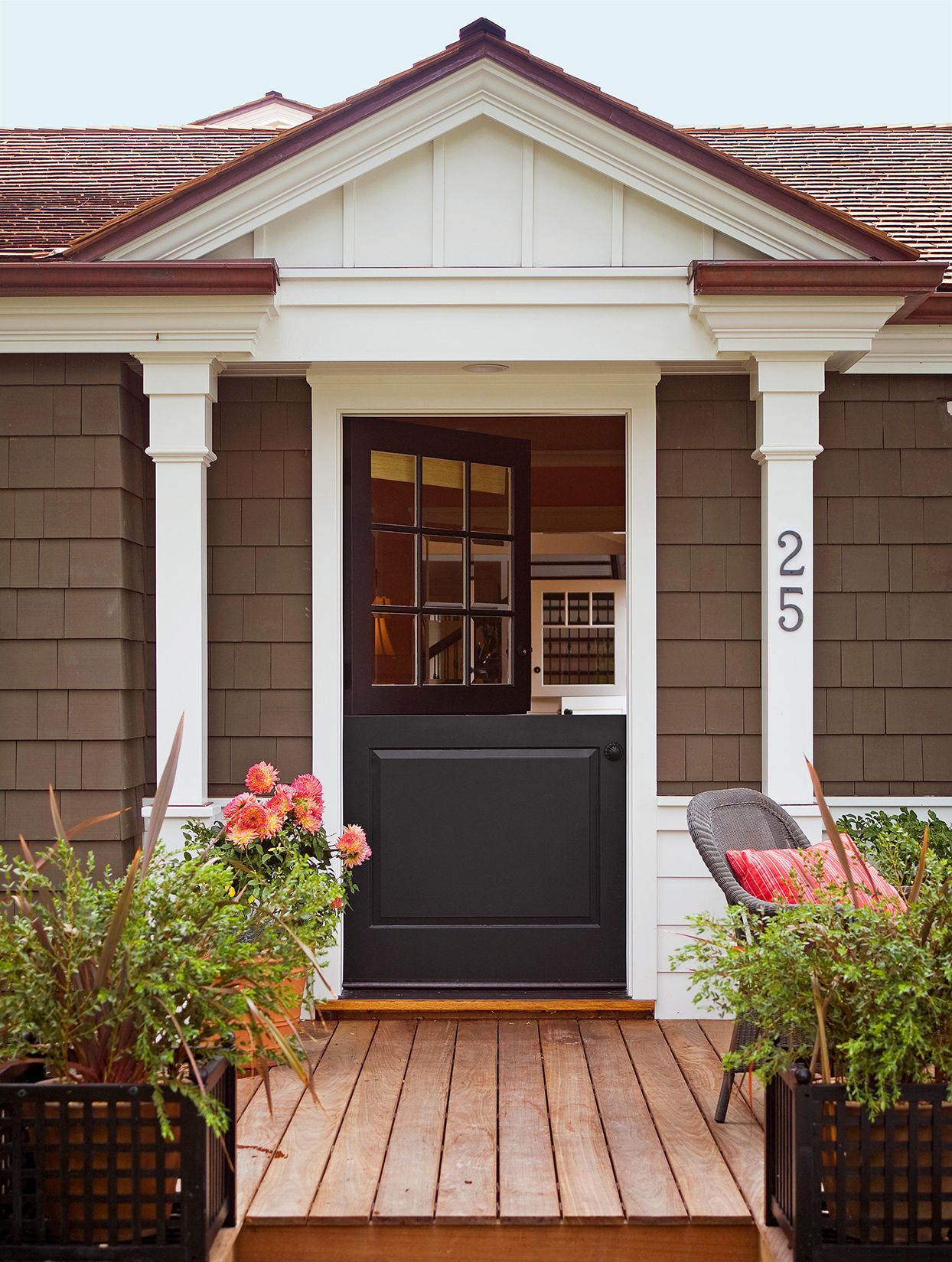
Your front door does a lot of heavy lifting. It greets guests, sets the mood for your whole house, and quietly tells the neighborhood whether the people inside have excellent taste or simply own a very determined rake. The good news? You do not need a full renovation to create a more inviting entryway. A fresh paint color, better lighting, smarter landscaping, and a few polished details can completely change the first impression your home makes.
The best front door ideas balance style and function. Yes, you want that “wow, this place is cute” moment. But you also want a door that feels practical, secure, weather-ready, and connected to the architecture of the home. A charming cottage-style entry should not pretend it belongs to an ultra-modern cube, and a sleek contemporary door may look a little confused on a traditional Colonial unless the surrounding details support it. The trick is choosing upgrades that feel intentional, not random.
If your current entryway feels flat, dated, or just a little “builder basic,” start here. These front door ideas are approachable, attractive, and genuinely useful. Some are weekend projects, some are bigger upgrades, and all of them can help your entryway feel warmer, brighter, and more welcoming.
20 Front Door Ideas That Instantly Improve Curb Appeal
1. Paint the front door a color with personality
A new front door color is one of the fastest ways to make your entryway more inviting. Deep navy, classic black, rich green, cheerful yellow, and earthy reds all work beautifully when they complement your siding, trim, and landscaping. Think of the door as an accent, not a random color experiment. A front door should stand out, but it should still belong to the house.
2. Choose a glossy or semi-gloss finish
Color matters, but finish matters too. A glossy or semi-gloss sheen helps a front door look crisp and polished while standing up better to wear. It also highlights panels, molding, and architectural details that flat paint tends to swallow. In other words, your door gets to look fancier without demanding a bigger budget. That is what we call excellent manners.
3. Upgrade worn-out hardware
Old hardware can make even a beautiful door feel tired. Swap faded knobs, locksets, knockers, and kick plates for updated finishes such as matte black, aged brass, satin nickel, or oil-rubbed bronze. The best hardware choice depends on your home style. Brass can feel warm and classic, while black reads modern and crisp. Just keep finishes coordinated so the door does not look like it got dressed in the dark.
4. Add oversized planters for instant presence
If your entry feels empty, planters are the answer. Large containers on one or both sides of the door add height, color, and a sense of intention. They also make the entry feel “finished,” even if the porch itself is small. Use evergreen shrubs for a neat four-season look, or rotate flowers and foliage seasonally for a softer, more lived-in style.
5. Frame the entry with symmetrical elements
Symmetry is the design equivalent of good posture. Matching sconces, twin planters, paired lanterns, or evenly placed house numbers make an entry feel calm and collected. This works especially well on traditional homes, but even modern exteriors benefit from a balanced arrangement. Symmetry tells the eye, “Relax, someone thought this through.”
6. Install better lighting
Exterior lighting does more than keep people from tripping over the welcome mat. It creates warmth, boosts safety, and makes the house look cared for after sunset. Replace tiny, outdated fixtures with lantern-style sconces, streamlined modern lights, or a pendant above the porch. Choose lighting that fits the architecture and make sure the scale is generous enough to be noticed from the street.
7. Bring in a standout welcome mat
A fresh doormat seems small, but it has an outsized effect. It tells guests the space is maintained, and it adds color or texture right where people are already looking. Layering a smaller coir doormat over a larger striped or patterned outdoor rug can make the entry feel especially styled. Just keep it clean. Nothing ruins the mood faster than a mat that says “welcome” while visually screaming “help.”
8. Replace faded house numbers
House numbers are one of those tiny details that quietly make or break curb appeal. Modern, high-contrast numbers are easier to read and instantly sharpen the look of your entry. Mount them in a clean line, give them breathing room, and make sure they feel scaled to the space. Stylish numbers can make a plain front entrance look far more custom.
9. Add a wreath, but keep it tasteful
A wreath can soften a front door and make it feel friendly, but it works best when it looks natural and intentional. Greenery wreaths, simple seasonal branches, or understated floral designs are more timeless than overly glittery, plastic-heavy styles. A front door should feel welcoming, not like it lost a bet with a craft store.
10. Use real greenery whenever possible
Fresh or living plants bring a front entrance to life in a way faux arrangements usually do not. Real greenery feels more current, more textured, and less likely to fade into a sad, dusty imitation of itself. Even low-maintenance choices like boxwood, ferns, olive trees, or hardy grasses can dramatically improve the feel of an entryway.
11. Consider a wood-look or stained door
If bright paint is not your thing, a stained wood door or high-quality wood-look fiberglass door can add warmth and richness without relying on bold color. Natural wood tones pair beautifully with stone, brick, white siding, and modern black trim. This look tends to feel grounded, timeless, and a little expensive in the best possible way.
12. Add glass inserts, sidelights, or a transom
Glass details can make a front entry feel larger, brighter, and more welcoming. Sidelights and transom windows bring in natural light and make the doorway more architecturally interesting. Frosted, reeded, or partially obscured glass can preserve privacy while still opening up the entry visually. The result is a front door that feels more generous and less bunker-adjacent.
13. Match the front door style to the house
The most successful front door ideas respect the home’s architecture. A Craftsman home loves divided lites and sturdy trim. A modern home can handle flush panels, strong lines, and minimal hardware. A traditional brick home may look best with classic paneling and refined color. The goal is not to copy the neighbors. It is to make the door look like it was always meant to be there.
14. Upgrade to a better door material
If the door itself is damaged, warped, or underwhelming, replacing it may be worth it. Wood has classic charm, fiberglass is durable and versatile, and steel is often budget-friendly and secure. The right material depends on your climate, maintenance tolerance, and style goals. A beautiful front door is wonderful; a beautiful front door that also survives weather without drama is even better.
15. Pick an energy-efficient entry door
An inviting entryway should not also invite every draft in the zip code. If you are replacing the door, look for an energy-efficient model rated for your climate. Better insulation and proper installation improve comfort while also helping the door feel substantial and well-made. Style gets attention, but performance is what keeps that handsome new door from becoming a very expensive breeze tunnel.
16. Paint the trim for contrast
Sometimes the best way to make the front door pop is to give the trim a supporting role. Crisp white trim around a dark door looks classic. Soft taupe around a green door feels sophisticated. Black trim with a natural wood door leans modern. This contrast adds dimension and makes the entrance feel designed rather than accidental.
17. Define the path to the door
The entry does not begin at the threshold. It begins where guests step out of the car or off the sidewalk. A clean pathway, clear edging, soft landscape lighting, and neat plantings guide people toward the door and make the whole front entrance feel more inviting. If people are guessing where to walk, your entry is sending mixed signals.
18. Add a bench or small seating area
If you have the space, a bench or pair of chairs can make the entry feel lived-in and charming. Seating softens the space and gives the porch a social, relaxed quality. It also creates a chance to layer in pillows, side tables, or potted plants. Even one simple bench can make a front porch feel less like a pass-through and more like a proper welcome.
19. Keep seasonal decor simple and fresh
Seasonal decorating can make an entryway feel warm and personal, but restraint is your friend. A few pumpkins, winter greens, spring branches, or summer ferns can be enough. The best seasonal front door decor looks intentional and edited, not like every holiday item in the garage staged a coup. One strong idea usually works better than six competing ones.
20. Edit the clutter and clean everything
Sometimes the best front door makeover is less stuff. Sweep the porch, wipe the glass, polish the hardware, repaint peeling trim, and remove anything broken, faded, or crooked. A tidy front entry feels more welcoming because it signals care. You can spend a fortune on decor, but if the spiderwebs are running quality control, guests will notice them first.
How to Choose the Right Front Door Idea for Your Home
Not every front door update needs to happen at once. Start with the changes that will have the biggest visual payoff. For most homes, that means paint, lighting, planters, and hardware. If your door is structurally sound, these smaller upgrades can make a dramatic difference. If the door is outdated, damaged, or inefficient, replacement may be the smarter long-term move.
It also helps to think in layers. First, address the architecture: the door style, trim, and proportions. Next, improve the function: lighting, house numbers, and a clear walkway. Finally, add personality with color, planters, wreaths, or seasonal decor. When you build the entry this way, it feels cohesive instead of cluttered.
Note: The most inviting entryways are usually the simplest ones. A coordinated color palette, well-scaled lighting, healthy plants, and clean lines often do more for curb appeal than piling on extra accessories.
Real-Life Experiences: What These Front Door Ideas Feel Like in Practice
One of the most common experiences homeowners talk about after updating a front door is how surprisingly big the change feels. A person might spend months thinking they need a full exterior renovation, only to paint the door, replace the sconces, and add two planters, then suddenly wonder why the whole house looks more expensive. It is a little rude, honestly, how effective a good front door can be.
There is also the emotional side of it. People often think of curb appeal as something for neighbors, guests, or future buyers, but a welcoming entryway changes how your own home feels every day. Coming back to a clean porch, warm lighting, and a front door with real personality can make the house feel more settled and more loved. It turns “I’m home” into a nicer moment, even if you are only arriving with groceries and mild irritation.
Another very real experience is discovering that balance matters more than buying expensive things. A homeowner may splurge on a fancy wreath and a designer doormat, but if the hardware is tarnished, the house numbers are hanging on for dear life, and the light fixture looks like it came free with a fax machine in 1998, the entry still feels off. The best results usually come from coordination, not extravagance.
People also learn quickly that scale is everything. Tiny planters beside a large front door can look apologetic. A postage-stamp light fixture on a wide porch disappears completely. On the other hand, correctly scaled lighting, tall containers, and house numbers that are actually visible from the street make the whole front entrance feel deliberate. It is one of those design lessons that sounds obvious after you see it done well.
Seasonal decor brings its own set of experiences too. Many homeowners start enthusiastically, then realize they do not want to store seventeen bins of porch decorations. That is why simple, flexible pieces tend to win in the long run. A pair of planters that can hold mums in fall, evergreens in winter, and ferns in spring is easier to live with than an entire parade of themed accessories. The entry stays fresh without becoming a part-time job.
Front door upgrades can also affect how a home is perceived socially. Neighbors notice. Delivery drivers notice. Guests notice before they say a single word. A polished entry suggests that the home is cared for, and that impression starts before anyone steps inside. It is not about being showy. It is about creating a front entrance that feels warm, capable, and a little proud of itself.
Then there is the practical experience: better lighting makes late arrivals easier, improved house numbers help visitors find the place, and a sturdier or more energy-efficient door feels better every time it closes. These details are not glamorous in a magazine-cover kind of way, but they matter. A front door should not only look inviting in photos. It should also perform beautifully in real life, on busy mornings, rainy evenings, and every package-delivery Wednesday in between.
In the end, the best front door ideas are the ones that make your home feel more like you. Maybe that means a dramatic black door with sleek hardware. Maybe it means a soft sage green entry framed by overflowing planters. Maybe it means finally replacing the sad old light fixture that has been hanging on like a loyal but exhausted employee. Whatever the direction, the most inviting entryways share one thing: they feel intentional. And when your entryway feels intentional, the whole house starts to feel more welcoming too.
Conclusion
You do not need a massive budget to create a more inviting entryway. The right front door color, updated hardware, stylish lighting, healthy greenery, and a few thoughtfully chosen details can dramatically improve curb appeal. Whether you go bold with paint, classic with wood tones, or practical with a new energy-efficient door, the goal is the same: create an entrance that feels warm, polished, and true to your home’s personality.
A great front door does not just impress visitors. It improves the everyday experience of coming home. And that is a pretty nice return for one hardworking rectangle.