

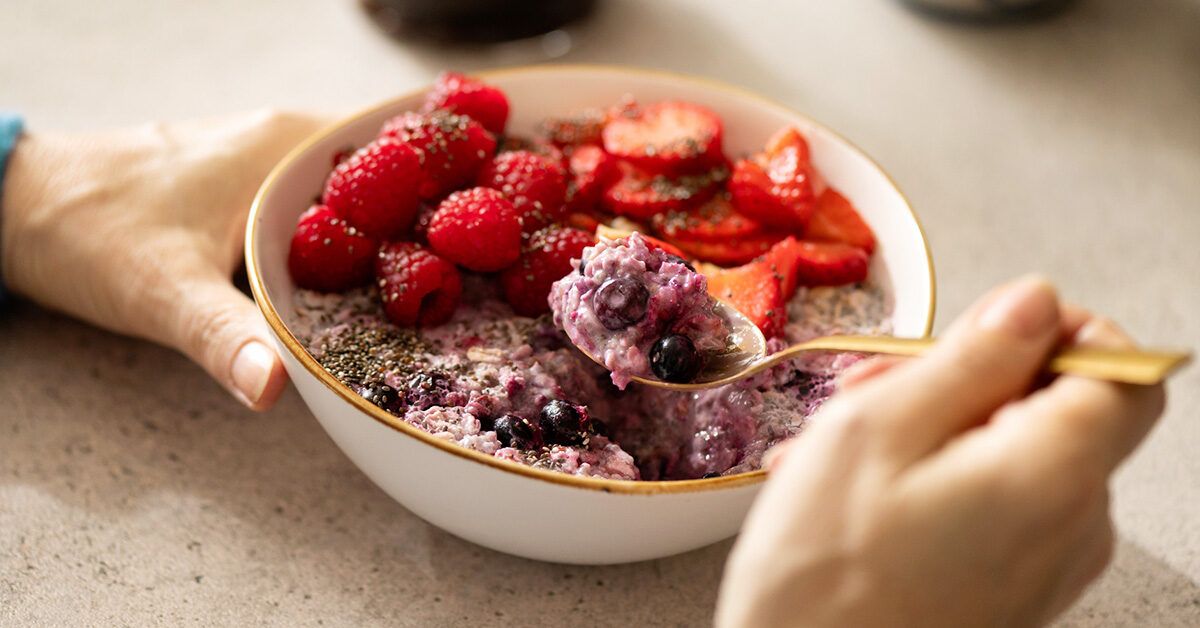
A low fat, low cholesterol diet does not have to taste like a cardboard shipping box lightly seasoned with regret. The modern approach is less about eliminating every gram of fat and more about choosing foods that reduce saturated fat, increase soluble fiber, and replace heavily processed meals with satisfying whole foods.
This distinction matters because your body needs some fat. Unsaturated fats from fish, nuts, seeds, avocados, and plant oils support normal body functions and can be healthier replacements for butter, fatty meats, and other major sources of saturated fat. For many people with elevated LDL cholesterol, the most useful strategy is therefore not a completely fat-free diet. It is a heart-conscious eating pattern built around fiber-rich plants, lean proteins, and modest amounts of beneficial fats.
What Is a Low Fat, Low Cholesterol Diet?
A low fat, low cholesterol diet emphasizes foods that are naturally low in saturated fat while limiting foods that can raise low-density lipoprotein, commonly called LDL or “bad” cholesterol. LDL can contribute to plaque buildup in the arteries when blood levels remain elevated over time.
Although cholesterol is present in certain animal foods, saturated and trans fats often have a greater effect on LDL levels than dietary cholesterol alone. That is why a useful cholesterol-lowering diet focuses on the complete nutritional package rather than treating one egg yolk as though it has committed a federal offense.
The main goals of the diet
- Reduce saturated fat from fatty meats, butter, full-fat dairy products, coconut oil, palm oil, and many packaged desserts.
- Avoid artificial trans fats and products containing partially hydrogenated oils.
- Eat more soluble fiber from oats, barley, beans, lentils, fruit, and vegetables.
- Replace some animal protein with legumes, soy foods, nuts, seeds, and fish.
- Choose mostly whole or minimally processed foods.
- Use reasonable portions, especially for calorie-dense foods such as nuts and oils.
General U.S. guidance recommends keeping saturated fat below 10% of total daily calories. The American Heart Association recommends a stricter target of less than 6% for people who need to lower LDL cholesterol. On a 2,000-calorie diet, 6% is approximately 13 grams of saturated fat per day.
1. Oats and Barley
Oats and barley deserve top billing because they contain beta-glucan, a type of soluble fiber. In the digestive tract, soluble fiber forms a gel-like substance that can reduce the absorption of cholesterol and bile acids. The body then uses circulating cholesterol to produce additional bile, which may help lower LDL levels over time.
Easy ways to eat more oats
- Cook oatmeal with skim milk or an unsweetened plant beverage.
- Prepare overnight oats with berries, cinnamon, and ground flaxseed.
- Use rolled oats in homemade granola with minimal added sugar.
- Add oat bran to pancakes, muffins, or smoothies.
- Replace breadcrumbs with oats in bean burgers or turkey meatloaf.
Watch the toppings. A bowl of plain oatmeal is heart-friendly; a bowl loaded with butter, cream, brown sugar, and enough syrup to float a canoe is a different breakfast entirely. Sweeten oats with fresh fruit, vanilla, cinnamon, or a small amount of maple syrup.
Barley is equally versatile. Add it to vegetable soup, use it in a grain bowl, or serve it instead of refined white rice. Hulled barley generally contains more fiber than pearled barley, but both can contribute to a cholesterol-conscious eating plan.
2. Beans, Lentils, and Peas
Legumes provide soluble fiber, plant protein, complex carbohydrates, potassium, and very little saturated fat. They can also replace higher-fat meats in familiar meals without leaving you staring sadly at an empty plate.
Black beans, kidney beans, chickpeas, navy beans, split peas, and lentils are all useful choices. Because they digest gradually, they may help you feel full longer, which can make portion control and weight management easier.
Practical legume swaps
- Replace half the ground beef in chili with black or kidney beans.
- Use lentils in tacos, sloppy joes, pasta sauce, or shepherd’s pie.
- Blend chickpeas into hummus instead of serving a cheese-heavy dip.
- Add white beans to soups for creaminess without heavy cream.
- Use edamame or roasted chickpeas as a snack.
- Top salads with beans instead of bacon or processed deli meat.
Canned beans are convenient and nutritionally useful. Choose low-sodium varieties when possible, or drain and rinse regular canned beans to remove some of the sodium. People who are not accustomed to high-fiber foods should increase portions gradually and drink enough water. Your digestive system appreciates a polite introduction rather than a sudden three-bean ambush.
3. Apples, Citrus Fruits, Berries, and Other Whole Fruit
Whole fruit belongs in a low fat, low cholesterol diet because it supplies fiber, vitamins, minerals, water, and protective plant compounds. Apples, oranges, grapefruit, strawberries, and grapes contain pectin or other forms of soluble fiber that can support healthy cholesterol levels.
Whole fruit is usually a better everyday choice than fruit juice. Juice contains less fiber, is easy to consume quickly, and may deliver a large amount of natural sugar without creating the same sense of fullness. Eating an orange involves chewing and peeling; drinking orange juice can make four oranges disappear before breakfast has officially begun.
Fruit ideas that require almost no effort
- Add berries to oatmeal or nonfat plain yogurt.
- Pair an apple with a tablespoon of unsalted peanut butter.
- Freeze grapes for a simple dessert.
- Add orange segments to a spinach and chickpea salad.
- Use mashed berries as a topping instead of sugary syrup.
- Keep washed fruit visible in the refrigerator for quick snacks.
Dried fruit can fit in moderation, but portions should be smaller because the calories and sugars are concentrated. Choose varieties without added sugar. Grapefruit may interact with certain cholesterol medications and other prescriptions, so ask a pharmacist or clinician whether it is appropriate for you.
4. Non-Starchy Vegetables
Vegetables add volume, fiber, antioxidants, and micronutrients while contributing little saturated fat or dietary cholesterol. Useful options include leafy greens, broccoli, cauliflower, Brussels sprouts, peppers, tomatoes, mushrooms, carrots, green beans, eggplant, zucchini, and cabbage.
A practical goal is to fill roughly half of your lunch or dinner plate with vegetables. This naturally leaves less room for oversized portions of fatty meat, creamy casseroles, and refined starches. It is not dietary punishment; it is strategic plate management.
Cooking methods make a difference
Vegetables can go from nutritional heroes to undercover butter-delivery systems depending on their preparation. Favor steaming, roasting, grilling, air-frying, or sautéing with a measured amount of olive or canola oil.
- Roast broccoli with garlic, black pepper, and a teaspoon of olive oil.
- Sauté mushrooms and spinach for an egg-white or tofu scramble.
- Use mashed cauliflower to lighten mashed potatoes.
- Add shredded cabbage to tacos for crunch instead of cheese.
- Blend cooked vegetables into tomato-based pasta sauce.
- Snack on carrots, peppers, or cucumber with hummus.
Frozen vegetables are excellent choices when fresh produce is expensive or likely to become a science project in the back of the refrigerator. Look for plain vegetables without butter sauces, cheese, or excessive sodium.
5. Fish, Especially Omega-3-Rich Varieties
Fish may seem like an unexpected entry in a low-fat article because salmon and sardines contain fat. However, their fat is largely unsaturated, and fatty fish provide omega-3 fatty acids. Omega-3s are particularly helpful for lowering triglycerides and supporting overall cardiovascular health.
Good options include salmon, trout, sardines, herring, and Atlantic or Pacific mackerel. The American Heart Association generally recommends eating fish, especially oily fish, about twice per week.
Choose the preparation carefully
- Bake salmon with lemon, herbs, and black pepper.
- Grill trout and serve it with barley and roasted vegetables.
- Add canned salmon to a salad with a yogurt-based dressing.
- Use sardines on whole-grain toast with tomato and cucumber.
- Make fish tacos with cabbage slaw instead of sour cream and fried shells.
Deep-frying fish or covering it in butter and cream sauce can erase much of the intended benefit. Choose baked, grilled, poached, or broiled fish more often.
Children, pregnant people, and those who may become pregnant should follow current guidance on selecting fish lower in mercury. Local advisories are also important for fish caught recreationally.
6. Nuts and Seeds
Walnuts, almonds, pistachios, pecans, chia seeds, flaxseeds, and pumpkin seeds contain unsaturated fats, fiber, protein, and plant sterols. When they replace chips, pastries, processed meats, or cheese-heavy snacks, they can improve the overall fat profile of the diet.
The key word is replace. Adding a large bowl of nuts on top of an unchanged high-calorie diet is not nutritional wizardry. Nuts are energy-dense, so a typical portion is a small handful, approximately one ounce.
Heart-smart ways to use nuts and seeds
- Sprinkle chopped walnuts over oatmeal.
- Add chia seeds to overnight oats.
- Mix ground flaxseed into yogurt or smoothies.
- Use unsalted almonds as an afternoon snack.
- Top salads with pumpkin seeds instead of croutons.
- Choose natural peanut or almond butter without hydrogenated oil.
Ground flaxseed is generally easier for the body to digest than whole flaxseed. Store ground seeds in the refrigerator or freezer to help protect their oils from becoming rancid.
What Should You Limit?
A cholesterol-conscious plan is shaped as much by substitutions as by additions. Eating oatmeal at breakfast will not fully compensate for a steady parade of sausage, pepperoni pizza, fried chicken, and ice cream later in the day.
Foods to eat less often
- Fatty cuts of beef, pork, and lamb
- Bacon, sausage, hot dogs, and processed deli meats
- Butter, shortening, lard, and beef tallow
- Full-fat cheese, cream, and premium ice cream
- Fried fast food
- Pastries, doughnuts, cookies, and packaged snack cakes
- Products made with coconut oil, palm oil, or palm kernel oil
- Foods containing partially hydrogenated oil
Eggs and shellfish can fit many healthy eating patterns, but individual recommendations vary. People with very high LDL, diabetes, familial hypercholesterolemia, or established cardiovascular disease may need personalized guidance regarding dietary cholesterol and saturated fat.
How to Read a Nutrition Facts Label
The front of a package is advertising. The Nutrition Facts panel is where the product has to stop flirting and provide numbers.
- Check the serving size: All listed values apply to that amount, not necessarily the entire package.
- Compare saturated fat: The FDA considers 5% Daily Value or less per serving low and 20% or more high.
- Look for fiber: The Daily Value is 28 grams on a 2,000-calorie diet.
- Review sodium: Soups, sauces, plant-based meats, and canned foods can be surprisingly salty.
- Read the ingredient list: Watch for partially hydrogenated oils, coconut oil, palm oil, cream, and large amounts of added sugar.
A product labeled “cholesterol-free” is not automatically heart-healthy. Coconut oil contains no dietary cholesterol because it comes from a plant, yet it is high in saturated fat. Similarly, a low-fat cookie can still contain refined flour, added sugar, and enough optimism to qualify as fiction.
A Simple One-Day Low Fat, Low Cholesterol Menu
Breakfast
Oatmeal cooked with unsweetened soy milk, topped with blueberries, cinnamon, and one tablespoon of ground flaxseed.
Morning snack
An apple with a small serving of unsalted almonds.
Lunch
Lentil and vegetable soup with a mixed-green salad, balsamic vinegar, and a slice of whole-grain bread.
Afternoon snack
Raw carrots and bell peppers with hummus.
Dinner
Baked salmon, barley pilaf, and roasted Brussels sprouts with lemon and herbs.
Dessert
Fresh berries with nonfat plain Greek yogurt or unsweetened soy yogurt.
Common Mistakes to Avoid
Cutting out every source of fat
An extremely low-fat diet can be difficult to sustain and may crowd out foods containing useful unsaturated fats. Focus primarily on reducing saturated fat and replacing it with appropriate portions of unsaturated fat.
Depending on one “miracle” food
No single food can cancel an otherwise unbalanced diet. Oats are helpful, but oatmeal is not wearing a tiny superhero cape. Cholesterol management depends on the total eating pattern, physical activity, sleep, tobacco avoidance, body weight, genetics, and prescribed treatment.
Increasing fiber overnight
A rapid jump from very little fiber to large servings of beans, bran, and vegetables can cause bloating or gas. Increase fiber over several weeks and drink adequate fluids unless a medical condition requires fluid restriction.
Stopping cholesterol medication
Diet can improve cholesterol levels, but it does not replace medication for everyone. Never discontinue a statin or another cholesterol-lowering medicine without consulting the prescribing clinician.
A Real-World Four-Week Experience With the Diet
The following composite example reflects common experiences people report when transitioning to a low fat, low cholesterol eating pattern. It is not the medical history of one specific person, and individual results will vary.
Week 1: Discovering the hidden sources of saturated fat
The first week is usually less about eating perfectly and more about noticing what is already on the plate. Breakfast sausage, coffee creamer, cheese at lunch, butter on vegetables, and ice cream after dinner can quietly stack up. None of these foods may seem outrageous on its own, but together they can produce a saturated-fat total that would make a nutrition label nervous.
A practical first step is changing only breakfast and one snack. Oatmeal replaces sausage biscuits on weekdays, while fruit and almonds replace vending-machine pastries. Grocery shopping takes longer because label reading is new, but comparing saturated fat between products quickly becomes easier.
Week 2: Fiber enters the conversation
During the second week, beans, lentils, vegetables, and whole grains begin appearing more often. Hunger between meals may decrease because high-fiber foods are generally filling. Digestion, however, may become temporarily dramatic if fiber increases too quickly. Smaller portions, gradual changes, and extra water usually make the transition more comfortable.
This is also when convenience becomes important. Cooking a pot of lentils, washing fruit, preparing overnight oats, and freezing portions of soup can prevent the familiar 7 p.m. emergency in which takeout appears to be the only edible substance left on Earth.
Week 3: Flavor improves without relying on butter
By the third week, meals often become more interesting rather than more restrictive. Garlic, lemon, vinegar, smoked paprika, cumin, fresh herbs, mustard, and pepper add flavor with little or no saturated fat. Roasted vegetables taste sweeter and more satisfying than expected. Fish tacos with cabbage slaw become a regular dinner, and lentil chili proves that beans are capable of holding a meal together without meat supervising them.
Social situations still require planning. At a restaurant, grilled fish, bean-based dishes, vegetable sides, or salads with dressing on the side are often workable choices. The goal is not perfect compliance at every meal. One rich dinner does not erase three weeks of consistent habits.
Week 4: The routine feels more automatic
After several weeks, the biggest change may be organizational rather than physical. The pantry contains oats, canned beans, lentils, whole grains, nuts, herbs, and low-sodium staples. The freezer contains vegetables and fish. Heart-smart choices require less daily decision-making because the environment now supports them.
Some people notice improved fullness, steadier energy, or modest weight changes, but cholesterol itself cannot be judged by how someone feels. High LDL usually has no obvious symptoms. A follow-up blood test ordered by a healthcare professional is the appropriate way to assess progress. Depending on the person’s starting levels, genetics, medications, and overall health, diet-related changes may be modest or substantial.
The most sustainable lesson is that cholesterol-conscious eating works through repeated substitutions: oats instead of pastries, beans instead of processed meat, fruit instead of candy, fish instead of fried chicken, and olive oil instead of butter. None of these swaps is flashy. Together, however, they can create a pattern that is practical enough to maintain long after the initial burst of motivation has packed its bags.
Conclusion
A successful low fat, low cholesterol diet is not built on deprivation. It is built on better defaults. Oats and barley provide soluble fiber; beans and lentils offer plant protein; fruit and vegetables increase fiber and nutrient density; fish supplies beneficial omega-3 fats; and nuts and seeds replace less favorable snack foods.
Start with one or two realistic changes, repeat them until they become routine, and then build from there. People with significantly elevated cholesterol, heart disease, diabetes, kidney disease, gastrointestinal conditions, or a strong family history of early heart disease should work with a physician or registered dietitian on an individualized plan.