

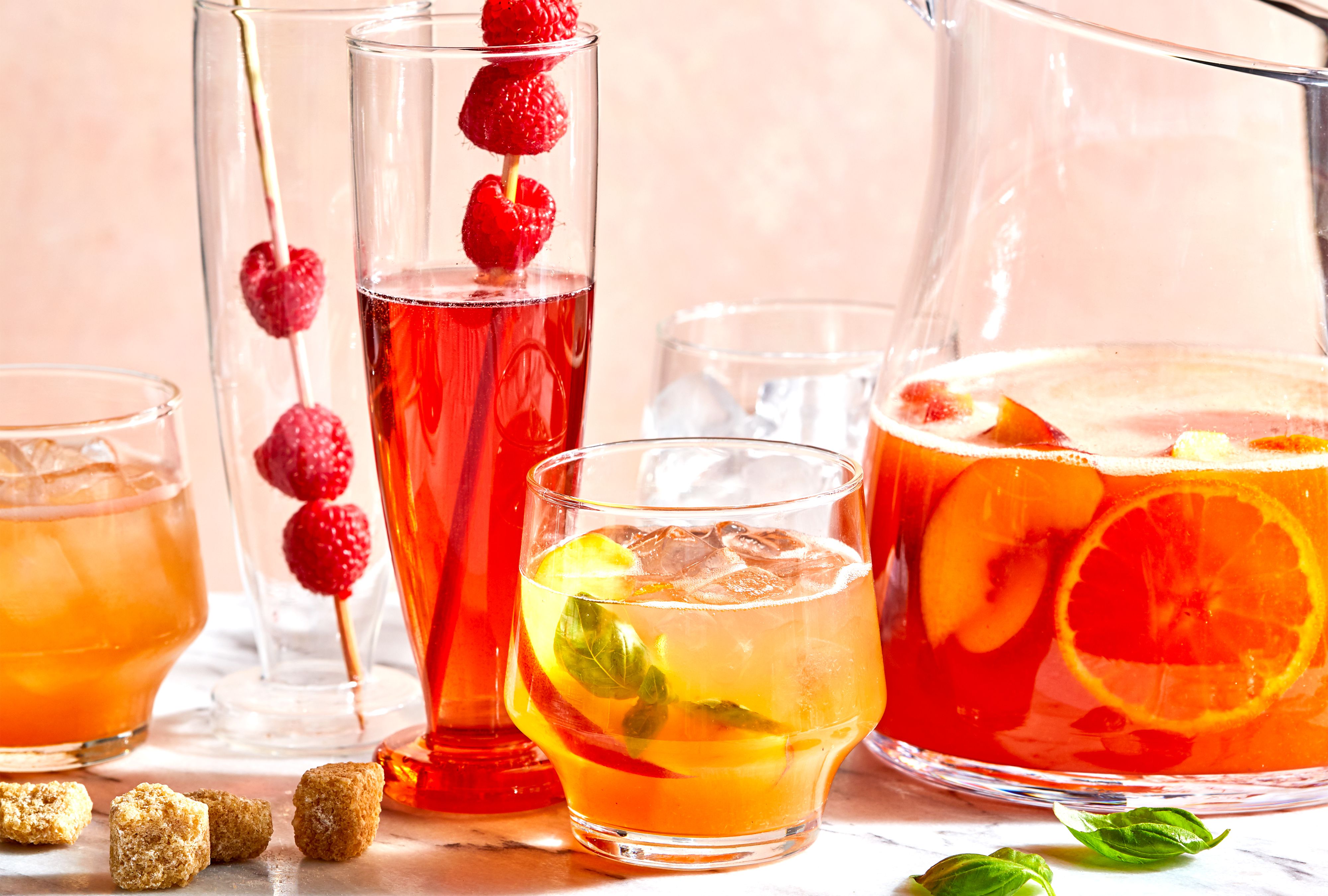
If you’ve ever hosted a get-together and realized you’ve spent the entire night playing bartender (a role that comes with zero benefits and a 100% chance of sticky countertops), you already know the truth: big-batch pitcher drinks are the real life hack.
But here’s the plot twist: the most crowd-pleasing pitcher “cocktails” don’t need alcohol to feel fancy. A well-balanced zero-proof cocktail pitcher can taste layered, look gorgeous, and keep guests happily hydratedwithout turning your kitchen into a one-person beverage factory.
This guide walks you through the art of batching drinks for a group, plus a lineup of big pitcher mocktail recipes that taste like something you’d pay $14 for… served in a glass you don’t have to return.
Why Pitcher Drinks Win Every Party
Pitcher recipes are built for real hosting: less work during the party, easier cleanup, and a consistent flavor from the first pour to the last. They also make it simple to offer a variety of optionscitrusy, fruity, herbal, spicywithout stocking a mini convenience store’s worth of supplies.
Batching = Better Flavor (Not Just Convenience)
When ingredients sit together (especially citrus, herbs, and tea), flavors meld and mellow. A pitcher drink can taste more “complete” than a rushed single serving. It’s like the difference between a playlist and someone repeatedly shouting, “Wait, let me queue the next song.”
The Big-Pitcher Formula: How to Make Any Batch Drink Taste Legit
Most great party pitcher drinks follow the same structure. Think of it as a choose-your-own-adventure where every ending is delicious.
1) Pick Your Base
- Juice base: citrus, pineapple, cranberry, grape, apple, pomegranate
- Tea base: black tea, green tea, hibiscus, rooibos, iced herbal blends
- Infused water base: cucumber, mint, berries, citrus wheels
2) Add Tang + Sweet in Balance
Balance is everything. If your drink tastes “flat,” it’s usually missing either acidity or sweetness.
- Tang (acid): fresh lemon/lime juice, orange juice, grapefruit juice
- Sweet: simple syrup, honey syrup, maple syrup, agave, fruit purée
3) Add Complexity (The “Wow, What IS That?” Ingredient)
- Bitterness: a splash of unsweetened cranberry, grapefruit, or a few dashes of non-alcoholic bitters (optional)
- Spice: ginger, jalapeño slices, cinnamon stick, clove
- Herbs: basil, mint, rosemary, thyme
- Salinity: a tiny pinch of salt can make fruit flavors pop (yes, really)
4) Decide: Still or Sparkling?
If you’re using carbonation (club soda, sparkling water, ginger beer), don’t add it too early or it’ll go flat before the party even starts. Keep it chilled and add right before serving, or pour sparkling into each glass.
5) Plan the Dilution
Ice melts. That’s not a flawit’s part of the design. But you want controlled dilution, not “why does this taste like fruit memories?” dilution.
- Use big ice cubes or a ring mold to slow melting.
- Chill the pitcher and ingredients first so the ice doesn’t have to do all the work.
- If you want a drink that stays strong-flavored, freeze some juice into ice cubes so melting adds flavor, not water.
Party Math: How Much to Make (Without Overthinking It)
A standard pitcher is often 60–80 oz. That’s about 8–10 servings if you’re pouring 6–8 oz per glass (which is realistic at a party where people also want snacks, conversation, and the ability to stand up without spilling).
Quick Guide
- 8 guests: 1 big pitcher (plus water)
- 12–16 guests: 2 pitchers (two flavors)
- 20+ guests: 3 pitchers or a drink dispenser
Pro move: offer two pitcher optionsone fruity and one herbal/citrusso guests can pick a vibe.
Big Cocktail Pitcher Recipes (Zero-Proof, Crowd-Friendly)
Each recipe below makes roughly 8–10 servings (about 64 oz). Adjust sweetness to tastefruit can vary wildly, like party guests’ opinions about board games.
1) Citrus-Mint “Nojito” Pitcher
Flavor profile: bright, refreshing, mintylike a spa day in a glass.
- 1 1/2 cups fresh lime juice (about 10–12 limes)
- 1/2 cup simple syrup (start with 1/3 cup if you prefer less sweet)
- 2 cups cold water (or coconut water for a tropical twist)
- 1 large handful mint leaves (plus extra for garnish)
- 2 limes, thinly sliced
- Chilled sparkling water or club soda (about 3 cups, added at serving)
How to make: Gently clap the mint between your hands to release aroma (don’t shred it into sad green confetti). Add lime juice, syrup, and water to a pitcher. Add mint and lime slices. Chill 1–4 hours. Add sparkling water right before serving or per glass.
2) Strawberry Basil Smash Pitcher
Flavor profile: berry-forward with a fresh herbal finish.
- 2 cups strawberries, hulled
- 1/2 cup lemon juice
- 1/3 to 1/2 cup honey syrup (equal parts honey + warm water, stirred)
- 3 cups cold water
- 1 handful basil leaves
- 1–2 cups sparkling water (optional, add at serving)
How to make: Blend strawberries with lemon juice until smooth. Strain if you want it extra silky. Combine with honey syrup and water. Add basil (lightly bruised). Chill. If you’re adding sparkle, top at serving.
3) Pineapple Ginger Party Punch Pitcher
Flavor profile: tropical with a spicy kickcrowd-pleaser energy.
- 3 cups pineapple juice
- 1 cup orange juice
- 1/3 cup lime juice
- 2–3 cups ginger beer (non-alcoholic), added at serving
- Orange wheels + lime wheels for garnish
How to make: Combine juices in a pitcher and chill. Add ginger beer at serving. Garnish with citrus wheels. If you want more depth, add a thin slice of fresh ginger to steep for 30–60 minutes, then remove.
4) Cucumber-Lime Cooler Pitcher
Flavor profile: crisp, clean, refreshingperfect with salty snacks.
- 1 large cucumber, peeled (optional) and sliced
- 1/2 cup lime juice
- 1/4 to 1/3 cup agave or simple syrup
- 4 cups cold water
- Pinch of salt
- Mint or thyme sprigs (optional)
How to make: Muddle cucumber slices lightly in the bottom of the pitcher (just enough to release juice). Add lime, sweetener, water, and salt. Stir well and chill. Strain out cucumber if you want a clearer drink.
5) Blood Orange Rosemary Fizz Pitcher
Flavor profile: citrusy with a fancy, piney herbal note (in a good way).
- 2 1/2 cups blood orange juice (or regular orange if needed)
- 1/2 cup lemon juice
- 1/3 cup simple syrup
- 2 cups cold water
- 2–3 rosemary sprigs
- 2 cups sparkling water (add at serving)
How to make: Mix juices, syrup, and water. Add rosemary sprigs and chill 1–3 hours. Remove rosemary if it gets too strong. Add sparkling water at serving.
6) Watermelon Lime “Heat Check” Pitcher (Mild Spice)
Flavor profile: juicy watermelon, bright lime, optional gentle spice.
- 5 cups seedless watermelon cubes
- 1/2 cup lime juice
- 1/4 to 1/3 cup simple syrup (to taste)
- 2 cups cold water
- 2–4 thin jalapeño slices (optional)
- Pinch of salt
How to make: Blend watermelon until smooth. Strain for a smoother texture. Combine with lime, syrup, water, and salt. If using jalapeño, steep 10–20 minutes, taste often, and remove early. Chill well.
7) Peach Iced Tea Palmer Pitcher
Flavor profile: classic iced tea + lemonade energy with a peachy glow-up.
- 4 cups strong brewed black tea, cooled
- 1 1/2 cups lemonade (or 1/2 cup lemon juice + 1/2 cup syrup + water)
- 1 cup peach nectar or peach purée
- 1–2 cups cold water (depending on strength)
- Lemon wheels + peach slices for garnish
How to make: Combine tea, lemonade, and peach nectar. Dilute to taste. Chill. Serve over ice with fruit garnish.
8) Cranberry Citrus “Celebration” Pitcher
Flavor profile: bright, tangy, holiday-friendly, and not overly sweet.
- 2 cups 100% cranberry juice (unsweetened if you like tart)
- 2 cups orange juice
- 1/3 cup lime juice
- 1/4 to 1/3 cup simple syrup (optional, depending on cranberry)
- 2 cups sparkling water (add at serving)
- Fresh cranberries + orange slices for garnish
How to make: Mix juices (and syrup if needed) and chill. Add sparkling water at serving. Garnish generouslyit looks festive with almost no effort, which is the best kind of effort.
Make-Ahead Tips So You’re Not “Stuck in the Kitchen Host Mode”
Chill Everything
Chill the pitcher, juices, tea, and mixers ahead of time. Cold ingredients mean less ice melt and better flavor.
Keep Garnishes Big and Simple
Citrus wheels, herb sprigs, and frozen berries do the job. Avoid tiny garnish labor that turns you into a craftsperson when you just wanted to host a party.
Carbonation Strategy
To avoid flat drinks, do one of these:
- Add sparkling water or ginger beer right before guests arrive.
- Or keep sparkling bottles nearby and top each glass.
Food Safety for Fresh Ingredients
If your pitcher includes fresh fruit purée, herbs, or tea, keep it cold and don’t let it sit out for hours. For longer parties, refill the serving pitcher from a backup batch stored in the fridge.
How to Set Up a Pitcher Bar That Looks Like You Tried (Even If You Didn’t)
- Two pitchers, two vibes: one citrus/herbal, one fruit/spice.
- Garnish tray: lemon wheels, lime wedges, mint, basil, berries.
- Ice options: regular ice + juice ice cubes or an ice ring.
- Label cards: simple names like “Citrus Mint Sparkler” so people know what they’re grabbing.
- Water nearby: because hydration is the best party favor.
Common Pitcher Mistakes (And How to Fix Them Fast)
“It’s too sweet.”
Add more acid (lemon/lime), a pinch of salt, or dilute with cold water/sparkling water. Tartness balances sweetness.
“It’s too sour.”
Add a little syrup or juice (orange/pineapple) to round it out. Sour needs sweetness to feel intentional.
“It tastes flat.”
Try a squeeze of citrus, a pinch of salt, or a few crushed herbs. If it’s a tea-based drink, add a splash of stronger tea concentrate.
“It’s watery.”
Use flavored ice next time. For now, boost with a bit more juice or a small amount of syrup + citrus.
of Real-World Hosting Experiences (So Your Party Runs Smooth)
Hosts learn quickly that big pitcher drinks are less about being “fancy” and more about being strategic. The first time you try batching a drink for a crowd, it’s tempting to treat it like a regular single-serving recipejust multiplied. But scaling isn’t always linear, especially with citrus and sweeteners. A squeeze of lime that feels “nice and bright” in one glass can turn into a full-blown face-pucker situation when you multiply it across a whole pitcher. The fix is simple: start lighter, stir well, taste, and adjust in small steps. Your guests don’t need perfection; they need something refreshing they’ll happily refill.
Another common “experience lesson” is that temperature is a hidden ingredient. A pitcher that tastes balanced at room temperature can taste too sweet once it’s ice-cold, or too tart once the ice melts. That’s why chilling ingredients ahead of time makes such a difference: you’re tasting it closer to how guests will actually drink it. It also reduces the panic moment where someone says, “This is amazing!” and you realize you have no idea what you did because you were throwing ingredients in like a game show challenge.
Carbonation is where many first-time hosts get betrayed. You add sparkling water early, the pitcher looks cute in the fridge, and thenby the time the first guests arriveit’s basically flavored still water. The winning approach is to treat bubbles like a “last-minute accessory.” Keep sparkling water or ginger beer cold on standby. If you want your setup to look effortless, keep the base in the pitcher and let guests top their own glasses with fizz. People weirdly love “customizing,” and you get credit for giving them choices when you’re really just protecting your bubbles.
Garnishes are another experience-based shortcut. You don’t need complicated cocktail-bar garnish work to impress people. In real parties, the “wow” factor comes from bold, obvious visuals: citrus wheels floating on top, frozen berries that look like jewels, a rosemary sprig that instantly makes the drink feel grown-up and intentional. The best garnish strategy is: make it big enough to see from across the table. Tiny garnish details are for photoshoots, not for busy kitchens with guests asking where the extra napkins are.
Finally, the biggest lesson: two pitchers beat one. A single option sounds simpler, but two options prevent bottlenecks and keep guests happier. One pitcher can be bright and herbal, the other fruity and bold. It makes your drink station feel like a “menu” instead of a “container,” and it quietly solves the reality that not everyone likes the same flavors. Plus, if one runs out faster, you can refill it while the other keeps the station activemeaning you stay in the conversation instead of disappearing into the kitchen like a beverage ghost.
Conclusion
Entertaining a crowd gets easier when your drinks do the heavy lifting. With smart batching, balanced flavors, and a few presentation tricks, big cocktail pitcher recipes (especially zero-proof versions) can feel just as special as a handcrafted drinkwithout the constant shaking, stirring, and “wait, what did you want again?” moments. Choose two crowd-pleasing flavors, keep carbonation separate, chill everything, and let your pitchers keep the party flowing.