

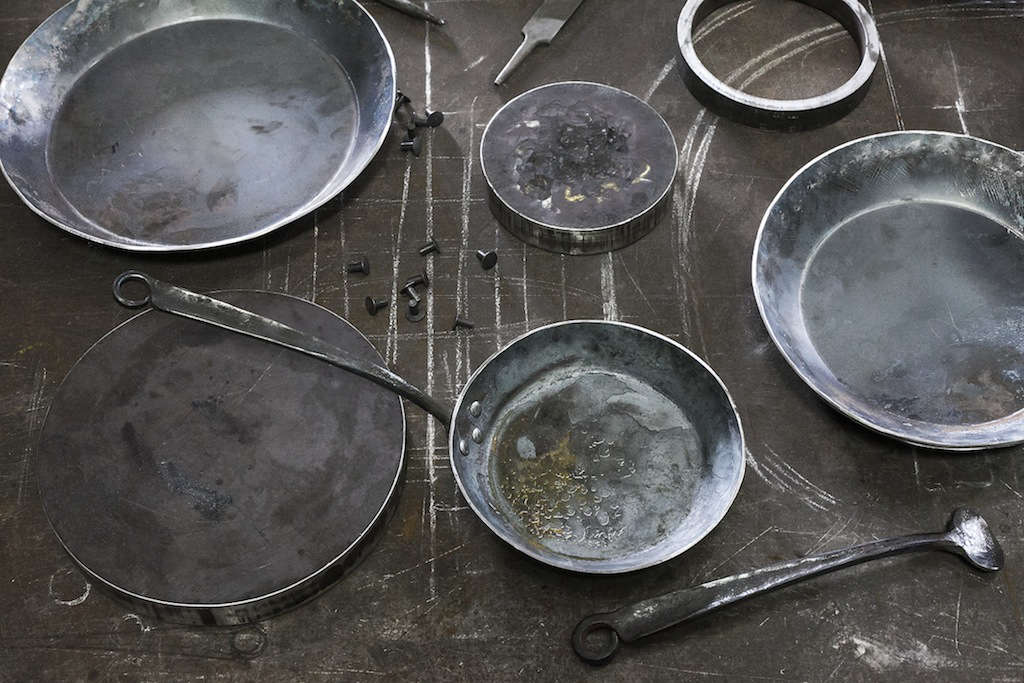
Cast iron has earned its permanent parking spot in American kitchens. It sears steaks like a champ, bakes cornbread with golden edges, and looks impressive enough to make guests think you casually churn butter on weekends. But let’s be honest: a full cast iron skillet can feel less like cookware and more like a gym membership with a handle.
That is where hand-forged carbon steel pans enter the kitchen with a confident little wink. They offer many of the things cooks love about cast irondurability, high-heat cooking, natural seasoning, and a beautiful patinawithout quite the same wrist workout. In Seattle, Blu Skillet Ironware has become a standout name in this space, making hand-forged carbon steel pans and ironware objects with the kind of old-world craft that makes a skillet feel less like a disposable tool and more like a future family heirloom.
This article explores why carbon steel is often described as a lighter alternative to cast iron pans, how Seattle-made hand-forged skillets are crafted, what they cook best, and how to care for them so they reward you with yearspossibly generationsof excellent meals.
What Is the Lighter Alternative to Cast Iron?
The lighter alternative to cast iron is usually carbon steel cookware. Carbon steel is made mostly from iron with a small amount of carbon. Like cast iron, it can be seasoned with oil to create a naturally slick cooking surface. Unlike cast iron, it is generally thinner, smoother, and easier to maneuver.
In practical kitchen terms, that means a carbon steel skillet can sear a pork chop, crisp potatoes, fry eggs, sauté vegetables, and slide into the oven without requiring two hands, a deep breath, and a pep talk. It is not featherlight like aluminum, but compared with cast iron, it often feels refreshingly agile.
Carbon Steel vs. Cast Iron: The Simple Difference
Cast iron is poured into molds, which creates a thick, sturdy pan with excellent heat retention. Carbon steel pans are typically shaped from sheets or discs of steel, making them thinner and more responsive to heat. Cast iron is the slow-and-steady heavyweight. Carbon steel is the quicker, more flexible cousin who still knows how to throw a serious sear.
Both materials need seasoning. Both can rust if neglected. Both can last for decades when cared for properly. But carbon steel heats up and cools down faster, which gives cooks more control when making quick meals. That responsiveness is one reason carbon steel is common in professional kitchens, where timing matters and nobody wants to wait an entire geological era for a pan to cool down.
Hand-Forged in Seattle: The Blu Skillet Story
Seattle has a strong maker culture, from coffee roasters and ceramicists to woodworkers and metal artists. Blu Skillet Ironware fits beautifully into that landscape. The company makes hand-forged carbon steel pans and iron objects in its Seattle studio, including fry pans, French skillets, gratin pans, pot racks, and other home pieces.
What makes Blu Skillet interesting is not simply that the pans are made of carbon steel. Plenty of cookware brands sell carbon steel. The appeal lies in the forging process, the small-batch nature, and the visible hand of the maker. These pans are not stamped out to look anonymous. They have curves, rivets, handles, hammer marks, and a sense of personality. In other words, they look like cookware that has a backstory before your first omelet even hits the surface.
From Steel Disc to Skillet
A hand-forged carbon steel pan begins as a piece of steel, often a flat disc for the body and a bar for the handle. Through heat, pressure, hammering, shaping, grinding, sanding, and finishing, the material becomes a cooking vessel. The handle is not an afterthought; it is part of the pan’s character. Blu Skillet pans are known for their distinctive forged handles, often ending in a graceful scroll that looks at home hanging from a pot rack.
This kind of craft matters because a skillet is a tool you touch constantly. You lift it, tilt it, wipe it, hang it, season it, and probably mutter at it when your first fried egg sticks. A well-made pan rewards repetition. Every meal adds a little more seasoning, a little more dark patina, and a little more “this pan and I have been through things together.”
Why Carbon Steel Appeals to Cast Iron Fans
Cast iron devotees are loyal for good reason. A seasoned cast iron pan can produce a deep crust on steak, hold heat for frying, and go from stovetop to oven without drama. But carbon steel offers a similar cooking personality with a few practical advantages.
1. It Is Easier to Handle
The biggest reason home cooks look for a lighter alternative to cast iron pans is weight. A large cast iron skillet can become awkward when full of chicken thighs, roasted vegetables, or bubbling fruit crisp. Carbon steel is usually lighter, so it is easier to lift, shake, and move from burner to oven.
This matters more than people think. A pan you enjoy handling is a pan you will actually use. If your cast iron skillet lives in the back of a cabinet because moving it feels like relocating a small anvil, carbon steel may be the everyday workhorse you have been missing.
2. It Responds Quickly to Heat
Carbon steel heats faster than cast iron and reacts more quickly when you adjust the burner. That is useful for foods that need finesse, such as eggs, fish, crêpes, onions, mushrooms, or stir-fried vegetables. If cast iron is a wood-burning stove, carbon steel is more like a responsive gas flame.
For busy weeknight cooking, that can be a game changer. You can preheat the pan, add oil, cook vegetables, lower the heat, add a delicate protein, and make tiny adjustments along the way. The pan listens. Mostly. It is still steel, not a therapist.
3. It Builds a Natural Nonstick Surface
Carbon steel becomes more nonstick with use. When thin layers of oil are heated on the surface, they polymerize and form seasoning. Over time, the pan darkens from silvery or blue-gray to brown, bronze, and eventually black. That changing color is not damage. It is the pan growing up.
A well-seasoned carbon steel skillet can release eggs, fish, pancakes, and crispy rice with minimal sticking. It will not behave exactly like a brand-new synthetic nonstick pan, but it also will not wear out in the same way. Instead of babying a coating, you are building a surface.
4. It Can Handle High Heat
High heat is where carbon steel shines. It can be used for searing, browning, oven roasting, broiling, grilling, and even campfire cooking, depending on the pan’s handle and construction. This makes it an appealing alternative for cooks who want to reduce reliance on traditional nonstick pans for high-temperature cooking.
Use carbon steel for steak, burgers, blistered green beans, crispy tofu, fried potatoes, fajita vegetables, and chicken cutlets. It performs especially well when you want browning without waiting forever for the pan to recover heat after food is added.
Why Hand-Forged Costs More Than Mass-Made
A hand-forged skillet made in Seattle will usually cost more than a mass-produced pan. That difference reflects labor, time, skill, materials, small-scale production, and design. You are not only paying for metal. You are paying for a craftsperson’s eye, a forged handle, careful shaping, finishing, and a tool made in small quantities rather than endless factory batches.
For some cooks, a standard carbon steel skillet is perfectly enough. It will brown onions, sear steak, and fry eggs without needing a biography. But for people who love handmade kitchen tools, a forged pan has emotional value. It feels personal. It looks good hanging on the wall. It turns cooking into a small ritual instead of just another chore between email and dishwasher unloading.
Is It Worth It?
A hand-forged carbon steel pan is worth considering if you cook often, appreciate American-made craftsmanship, and want cookware that improves with age. It may not be the best choice for someone who wants zero maintenance or prefers dishwasher-safe convenience. Carbon steel asks for a little attention: dry it well, oil it lightly, and do not abandon it wet in the sink like a forgotten pirate ship.
But if you enjoy building seasoning and using tools that develop character, the payoff is real. A forged carbon steel skillet can become your default pan for eggs, vegetables, meat, flatbreads, reheating pizza, and the occasional midnight grilled cheese that absolutely counts as self-care.
Best Uses for a Carbon Steel Skillet
Carbon steel is wonderfully versatile, but it is especially good for fast, hot, active cooking. Think of meals where you move food around, control heat, and want browning without heaviness.
Great Foods to Cook in Carbon Steel
- Steak and pork chops: The pan gets hot enough for a deep brown crust.
- Eggs: Once seasoned, carbon steel can become impressively slick.
- Fish: The smoother surface helps delicate proteins release more easily.
- Vegetables: Sloped sides make tossing easier than in many cast iron pans.
- Fried rice: Carbon steel loves high heat and quick movement.
- Skillet desserts: Fruit crisps and small cakes bake beautifully in a seasoned pan.
- Flatbreads and tortillas: Fast heat makes it useful for quick breads and wraps.
Foods to Approach Carefully
Acidic ingredients like tomatoes, wine, citrus, and vinegar can weaken seasoning if they sit in the pan too long. A quick splash of lemon or a short pan sauce is usually fine in a well-seasoned skillet, but simmering tomato sauce for an hour is better left to stainless steel or enameled cookware.
Also avoid soaking carbon steel. Water is not evil, but long exposure invites rust. Wash, dry, and oil. That three-step rhythm is the carbon steel version of “live, laugh, love,” except actually useful.
How to Season and Care for Carbon Steel
Seasoning carbon steel is simpler than it sounds. The goal is to create very thin layers of oil that bond to the surface through heat. Too much oil creates sticky patches. A whisper-thin layer works better than a puddle. If your pan looks greasy, you used too much. If it looks almost dry but faintly glossy, you are on the right track.
Basic Seasoning Steps
- Wash the new pan according to the maker’s instructions.
- Dry it completely over low heat or with a towel.
- Rub on a very thin layer of high-smoke-point oil.
- Heat the pan until the oil smokes and bonds to the surface.
- Let it cool, then repeat if needed.
After regular cooking, clean the pan with warm water and a soft brush or sponge. For stuck bits, use coarse salt or gently deglaze with hot water. Dry it thoroughly, then rub on a tiny amount of oil before storing. If rust appears, do not panic. Scrub it away, dry the pan, and re-season. Carbon steel is forgiving. It is basically the golden retriever of serious cookware: sturdy, loyal, and happiest when used often.
Seattle Craft Meets Everyday Cooking
One reason the idea of a hand-forged Seattle skillet feels so appealing is that it connects daily cooking with place. Seattle is known for rain, coffee, markets, seafood, independent makers, and people who have strong opinions about both knives and hiking socks. A locally forged pan fits that spirit: practical, beautiful, and slightly rugged.
There is also a sustainability angle. A durable carbon steel pan can reduce the need to replace worn-out coated cookware. Instead of buying a pan every few years, you can maintain one pan and let it improve. The most sustainable skillet is often the one you keep, repair, season, and use.
Hand-forged cookware also pushes back against the idea that kitchen tools must be disposable. A Blu Skillet-style pan is meant to age. Scratches, dark spots, and seasoning changes are part of the story. The pan will not look showroom-perfect forever, and that is the point. A perfect pan is nice. A useful pan with memories is better.
Who Should Buy a Lighter Cast Iron Alternative?
A carbon steel skillet is a strong choice for cooks who want durability without excessive weight. It is especially useful for people who sauté often, cook over high heat, or want a naturally seasoned surface without synthetic coating. It also works well for renters and small-kitchen cooks because one pan can do many jobs.
However, carbon steel is not for everyone. If you want a pan that can sit wet in the sink overnight, go in the dishwasher, and emerge emotionally stable, choose stainless steel. If you frequently simmer acidic sauces, use enameled cast iron or stainless steel. If you only cook eggs and never use high heat, a quality nonstick pan may still have a role.
The smartest kitchen does not need one pan to do everything. It needs the right pan for the right job. Carbon steel earns its spot because it covers a lot of ground: fast meals, high heat, oven use, beautiful browning, and everyday handling that will not make your wrist file a complaint.
Specific Example: A Weeknight Carbon Steel Dinner
Imagine a simple dinner: chicken thighs with blistered green beans and crispy potatoes. Preheat a carbon steel skillet, add a thin layer of oil, and place seasoned chicken thighs skin-side down. The pan gives you that satisfying sizzlethe sound every cook secretly wants as applause. Once the skin is crisp, flip the chicken and move it to the oven to finish.
After removing the chicken, return the pan to the burner, toss in parboiled potatoes, and let them brown in the flavorful drippings. Then add green beans, garlic, and a pinch of red pepper flakes. The pan responds quickly as you raise or lower the heat, helping you avoid burned garlic and sad, squeaky beans.
That is the beauty of carbon steel. It feels serious enough for a proper sear but nimble enough for vegetables. It is rustic, but not clumsy. It is the pan equivalent of wearing work boots that somehow look good at dinner.
Experience Section: Living With a Lighter Hand-Forged Pan
The first thing you notice when cooking with a lighter hand-forged carbon steel pan is not the seasoning, the patina, or even the way it browns food. It is the simple relief of picking it up. If you have spent years using cast iron, lifting carbon steel feels like someone quietly removed a brick from your skillet when you were not looking. You still feel the substance of real metal, but you are not negotiating with gravity every time you move from stove to sink.
The second thing you notice is speed. Carbon steel gets hot quickly, so breakfast becomes less of a waiting game. A few drops of water skitter across the surface, butter foams, and suddenly eggs are cooking before your coffee has finished judging you. With a properly seasoned pan, fried eggs release with a gentle nudge. They may not float around like they are on an infomercial nonstick surface, but they behave. For anyone who has ever scraped half an omelet off a pan while pretending it was “rustic,” that is a victory.
For dinner, the experience becomes even more satisfying. A hand-forged skillet has a balance that encourages active cooking. You can tilt it to baste a pork chop, shake it to move mushrooms, or slide roasted vegetables onto a platter without feeling like you are operating restaurant equipment built for giants. The handle matters here. A forged handle is not only decorative; it changes how the pan feels in your hand. It reminds you that someone shaped this tool with use in mind.
The patina also becomes part of the relationship. At first, new carbon steel may look too pretty to use. Then the surface darkens unevenly. A bronze patch appears. A black ring forms where oil hit high heat. A pale streak shows up after you cooked something wet. New users sometimes worry they ruined the pan. They did not. That patchwork is normal. The pan is not losing beauty; it is gaining experience. It is like denim, leather, or a wooden cutting board. The more honestly it is used, the better it looks.
Cleaning becomes a small ritual. While the pan is still warm, you wipe out crumbs, rinse quickly, loosen stuck bits, dry it thoroughly, and rub in a drop of oil. The whole process takes less time than unloading a dishwasher, and it builds familiarity. You learn which burner runs hot, how much oil your pan wants, and when to lower the heat before garlic crosses from golden to “call the smoke alarm.”
The most enjoyable part is how often the pan earns a place on the stove. It is useful for breakfast potatoes, quesadillas, salmon, asparagus, smash burgers, cornbread, reheated pizza, and leftover rice. It makes simple food taste more intentional. Even a grilled cheese feels upgraded when the bread hits a seasoned steel surface and crisps into a golden shell.
A hand-forged pan from Seattle also brings a different emotional texture to cooking. It is not just another item ordered because an algorithm whispered, “People like you bought this.” It feels connected to craft, place, and patience. You can imagine the heat, hammer, and careful finishing that shaped it. That does not make your dinner cook itself, sadly, but it does make the act of cooking feel a little more grounded.
After a few weeks, the pan stops feeling special-occasion precious and becomes everyday essential. That is the sweet spot. The best cookware is not the piece you admire from a distance. It is the pan you reach for without thinking because it works, feels good, and gets better the more you use it.
Conclusion: A Pan With Muscle, Minus the Workout
A lighter alternative to cast iron pans does not have to mean flimsy cookware or temporary convenience. Carbon steel offers a compelling middle ground: strong, responsive, naturally seasonable, and easier to handle than traditional cast iron. When hand-forged in Seattle by makers such as Blu Skillet Ironware, it also becomes something more personala working kitchen tool with craft, character, and long-term value.
Cast iron still deserves respect. It remains excellent for deep searing, baking, frying, and heat retention. But carbon steel may be the pan you reach for more often because it fits real life: quick breakfasts, weeknight dinners, one-handed lifting, and meals that need heat control rather than brute force.
If you love the idea of cookware that ages beautifully, cooks seriously, and does not require a spotter to lift, a hand-forged carbon steel skillet may be exactly what your kitchen has been waiting for. Treat it well, cook with it often, and let the patina tell the storypreferably a story involving crispy potatoes.