

Medical note: This article is for general education only and is not a substitute for medical care. If you have sudden severe belly, back, or side pain; fainting; weakness; or symptoms of shock, call 911 immediately.
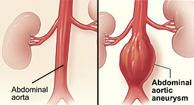
An abdominal aortic aneurysm, often shortened to AAA and pronounced “triple A,” sounds like something a mechanic would find under the hood. In a way, that is not far off. The aorta is the body’s largest artery, the powerful blood highway that carries oxygen-rich blood from the heart to the abdomen, pelvis, and legs. When a weak section of the abdominal aorta begins to bulge outward like an overfilled garden hose, doctors call it an abdominal aortic aneurysm.
The tricky part? Many abdominal aortic aneurysms grow quietly. No dramatic music. No flashing warning light. No “check engine” symbol on your stomach. A person may feel completely fine until the aneurysm becomes large, expands quickly, or ruptures. That is why understanding abdominal aortic aneurysm causes, treatment, screening, and prevention is so importantespecially for older adults, people who smoke or used to smoke, and anyone with a family history of aortic aneurysm.
What Is an Abdominal Aortic Aneurysm?
An abdominal aortic aneurysm is an abnormal widening or bulging in the part of the aorta that runs through the abdomen. In general, an abdominal aorta measuring about 3 centimeters or wider is considered aneurysmal. The larger the aneurysm becomes, the more pressure it places on the weakened artery wall, and the greater the concern for rupture.
A rupture is a medical emergency. When the aorta tears open, blood can leak rapidly inside the body. This can cause sudden severe pain, low blood pressure, fainting, and life-threatening internal bleeding. The goal of screening and monitoring is simple: find the aneurysm before it becomes a crisis.
Why Abdominal Aortic Aneurysms Are So Sneaky
Most small AAAs do not cause symptoms. They are often discovered by accident during an ultrasound, CT scan, or MRI ordered for another reason. It is the medical version of finding a raccoon in the garage when you were only looking for a screwdriver.
When symptoms do occur, they may include a deep, steady pain in the abdomen, back pain, pain along the side of the belly, or a pulsing feeling near the navel. However, these symptoms are not specific. Back pain may come from a muscle strain, arthritis, kidney problems, or simply sleeping like a pretzel. That is why people at higher risk should discuss screening with a healthcare provider instead of waiting for symptoms to make an announcement.
Common Causes of Abdominal Aortic Aneurysm
Doctors do not always find one single cause of an abdominal aortic aneurysm. Instead, AAA usually develops when several factors weaken the aortic wall over time. Think of it as wear and tear on a major pipe: pressure, inflammation, plaque buildup, and genetics can all play a part.
Atherosclerosis and artery damage
Atherosclerosis is the buildup of fatty plaque inside arteries. It can make artery walls stiffer, narrower, and less healthy. Over time, this damage may contribute to weakening in the aortic wall. Atherosclerosis is also linked with high cholesterol, high blood pressure, coronary artery disease, and peripheral artery disease, which often travel together like a bad road-trip playlist.
Smoking
Smoking is one of the strongest risk factors for abdominal aortic aneurysm. It damages blood vessels, increases inflammation, raises cardiovascular risk, and is associated with faster aneurysm growth and higher rupture risk. Former smokers remain at higher risk than people who never smoked, which is why many screening recommendations focus on older men who have ever smoked.
High blood pressure
High blood pressure increases force against artery walls. If the aortic wall is already weakened, that extra pressure may encourage the aneurysm to enlarge. Blood pressure control is one of the most practical ways to reduce stress on the aorta and protect overall heart and vascular health.
Age and sex
AAA is more common in adults over age 65 and is more frequently diagnosed in men than women. However, women can develop abdominal aortic aneurysms too, and rupture in women can be especially dangerous. Anyone with risk factors should treat AAA as a real possibility, not as a “men only” problem.
Family history and genetics
Having a parent, sibling, or child with an abdominal aortic aneurysm increases your risk. Some inherited connective tissue conditions can also affect blood vessel strength. If close relatives have had AAA, it is smart to ask a clinician whether screening should happen earlier or more often.
Other risk factors
Additional factors may include high cholesterol, obesity, chronic inflammation, trauma, and certain infections, though infection-related aneurysms are uncommon. A history of other vascular disease can also raise concern because the blood vessels operate as one connected system, not as separate plumbing departments.
Symptoms: When to Pay Attention
Many abdominal aortic aneurysms are silent. Still, possible warning signs include:
- Deep, constant abdominal pain
- Back or side pain that does not feel typical
- A pulsing sensation near the belly button
- Pain that becomes sudden, severe, or unusual
- Dizziness, fainting, clammy skin, weakness, or confusion
A ruptured AAA may cause sudden severe pain in the abdomen, back, or flank, along with fainting, rapid heartbeat, low blood pressure, shortness of breath, or collapse. This is not a “wait and see after lunch” situation. Call emergency services immediately.
How Abdominal Aortic Aneurysm Is Diagnosed
Diagnosis usually relies on imaging. A physical exam alone may miss an aneurysm, especially in people with smaller AAAs or larger body size. Imaging gives doctors the information they need: the aneurysm’s size, shape, location, growth pattern, and relationship to nearby arteries.
Abdominal ultrasound
Ultrasound is commonly used for screening because it is noninvasive, does not use radiation, and can measure the abdominal aorta. It is quick, practical, and far less dramatic than its job description suggests.
CT scan or CT angiography
CT imaging gives detailed pictures of the aorta and nearby blood vessels. It is often used when doctors need precise measurements, especially before planning endovascular aneurysm repair or open surgery.
MRI or MRA
MRI may be used in selected cases, particularly when doctors want detailed vascular imaging without radiation. The best test depends on the patient’s health, kidney function, urgency, and the clinical question being asked.
Who Should Be Screened for AAA?
Screening recommendations vary slightly by organization, but a common U.S. guideline is one-time ultrasound screening for men ages 65 to 75 who have ever smoked. Men in that age range who have never smoked may be offered screening selectively, based on family history and other risk factors. Women who have never smoked and have no family history are generally not routinely screened, but women with smoking history or family history should discuss individualized screening with a healthcare provider.
The key point is this: if you are older, have smoked, or have a close family member with AAA, do not rely on luck. Luck is great for finding five dollars in a jacket pocket, not for managing a silent vascular condition.
Treatment Options for Abdominal Aortic Aneurysm
AAA treatment depends on several factors, including aneurysm size, growth rate, symptoms, anatomy, age, kidney function, surgical risk, and overall health. Not every aneurysm needs immediate surgery. In fact, many small aneurysms are monitored carefully for years.
Watchful waiting and regular monitoring
Small AAAs are often managed with surveillance imaging. The doctor may recommend ultrasound or CT scans at regular intervals to track whether the aneurysm is growing. Monitoring is not “doing nothing.” It is active risk management with a calendar, a plan, and a healthy respect for the aorta.
During surveillance, patients are usually advised to stop smoking, control blood pressure, manage cholesterol, stay physically active within medical limits, and keep follow-up appointments. Missing follow-up imaging is like pausing a smoke alarm because the beeping is annoying. The alarm has a job.
Medication and risk-factor control
Medication cannot usually shrink an abdominal aortic aneurysm, but it can reduce cardiovascular risk. Doctors may prescribe medicines to control blood pressure, lower cholesterol, treat heart disease, or manage other conditions that place stress on blood vessels. These medicines are part of the bigger strategy: protect the arteries, reduce strain, and lower the chance of complications.
Endovascular aneurysm repair
Endovascular aneurysm repair, or EVAR, is a minimally invasive procedure. A surgeon guides a stent graft through blood vessels, usually from small incisions in the groin, and places it inside the aorta to reinforce the weakened area. Blood then flows through the graft instead of pressing directly against the aneurysm wall.
EVAR often involves shorter recovery than open repair, but it is not right for every patient. The aneurysm’s shape, location, and nearby artery anatomy matter. After EVAR, patients need long-term imaging follow-up to check for problems such as leaks around the graft, device movement, or changes in aneurysm size.
Open surgical repair
Open repair is a traditional operation in which the surgeon makes an abdominal incision, removes or opens the weakened section, and sews in a graft to replace or reinforce the diseased part of the aorta. It is a major surgery with a longer recovery, but it can be very durable and may be preferred for certain aneurysm shapes or patients who are not good candidates for EVAR.
When surgery is usually considered
Repair is often considered when an abdominal aortic aneurysm reaches about 5.5 centimeters in men, somewhat smaller in certain women or high-risk situations, grows quickly, causes symptoms, or appears likely to rupture. The decision is never based on size alone. A vascular specialist weighs rupture risk against surgery risk and chooses the safest path for the individual patient.
Prevention: Can You Stop an AAA Before It Starts?
There is no guaranteed way to prevent every abdominal aortic aneurysm. Age, sex, and genetics cannot be edited like a typo. However, you can reduce important risk factors and improve vascular health.
Quit smoking
If there is one prevention step that deserves a spotlight, a marching band, and maybe a small parade, it is quitting smoking. Smoking is strongly linked to AAA formation, growth, and rupture risk. Quitting helps blood vessels, lungs, heart health, wound healing, and long-term survival.
Control blood pressure
High blood pressure quietly hammers artery walls day after day. Regular checks, medication when prescribed, lower-sodium eating patterns, exercise, stress management, and limiting alcohol can all support better control.
Manage cholesterol and heart disease risk
Because AAA is often associated with atherosclerosis, cholesterol control matters. A heart-healthy eating pattern that includes vegetables, fruits, whole grains, beans, fish, lean proteins, nuts, and healthy fats can support the whole vascular system. Statins or other medications may be recommended depending on a person’s risk profile.
Stay active, but be sensible
Regular physical activity supports blood pressure, cholesterol, weight, mood, and circulation. People with known AAA should ask their healthcare provider what exercise level is safe. Heavy straining or extreme lifting may not be appropriate for some patients, especially those with larger aneurysms.
Know your family history
If a close relative had an abdominal aortic aneurysm, tell your healthcare provider. Family history can change screening decisions. In medicine, “My dad had one of those” is not small talk; it can be useful clinical information.
Living With an Abdominal Aortic Aneurysm
A diagnosis of AAA can be unsettling. Many people hear the word “aneurysm” and immediately picture the worst-case scenario. But many AAAs are found early and managed successfully with monitoring, lifestyle changes, medication, and surgery when needed.
The most important habit is follow-through. Keep imaging appointments. Take prescribed medications. Ask what size your aneurysm is and how fast it is growing. Keep a simple record of test dates and results. If you see multiple doctors, make sure each one knows about the aneurysm. Your aorta is not a side character; it deserves a line in the medical chart.
Practical Experiences and Everyday Lessons About AAA
Real-life experiences around abdominal aortic aneurysm often share a common theme: people usually do not feel sick before the diagnosis. One person may discover an AAA during a scan for kidney stones. Another may learn about it after a doctor orders imaging for vague back discomfort. Someone else may be screened because an older brother had an aneurysm repaired. In many cases, the discovery feels random, but the risk factors were there all along.
A common experience after diagnosis is confusion over the phrase “watchful waiting.” Patients sometimes hear it as “we are ignoring it.” That is not the idea. Watchful waiting means the aneurysm is being measured, tracked, and managed. For a small, stable aneurysm, the risk of immediate surgery may be higher than the risk of careful monitoring. The plan can change if the aneurysm grows, symptoms appear, or imaging shows a concerning shape.
Another real-world lesson is that quitting smoking becomes more urgent when AAA enters the picture. Many patients know smoking is bad for the lungs, but they may not realize how closely it is tied to aneurysm growth and rupture risk. For someone with AAA, stopping smoking is not just a general wellness tip. It is a direct vascular protection strategy. The first attempt may not succeed, and that does not mean failure. It means the next attempt should come with more support: counseling, medication, nicotine replacement when appropriate, and a clear plan from a clinician.
Family conversations also matter. When one person is diagnosed with an abdominal aortic aneurysm, siblings and adult children may need to ask their own doctors about screening. These conversations can feel awkward at first. Nobody loves opening dinner with, “Pass the potatoes, and by the way, let’s discuss our abdominal aortas.” Still, family history is powerful information. Sharing it may help someone else catch an aneurysm early.
Patients who undergo EVAR often describe relief at having a less invasive option, but they sometimes underestimate the importance of follow-up imaging. EVAR is not a “set it and forget it” repair. Doctors need to check that the graft remains sealed and properly positioned. Open repair patients, meanwhile, may face a longer recovery and need more help at home in the early weeks. In both cases, preparation helps: arrange transportation, understand medication changes, ask about activity restrictions, and know which symptoms should trigger an urgent call.
The emotional side deserves attention too. Living with a known aneurysm can make people hyperaware of every stomach twinge. Education helps reduce fear. Knowing the aneurysm size, the follow-up schedule, emergency symptoms, and the treatment plan gives patients something better than panic: a roadmap. AAA may be serious, but serious does not mean hopeless. With early detection, smart monitoring, and timely treatment, many people continue living active, meaningful livespreferably with fewer cigarettes, better blood pressure numbers, and a renewed appreciation for the hardworking artery quietly doing its job behind the scenes.
Conclusion
Abdominal aortic aneurysm is a serious condition, but knowledge changes the story. The biggest danger is often silence: small AAAs may produce no symptoms, and people may not know they are at risk. Smoking, age, male sex, high blood pressure, atherosclerosis, and family history are major clues that screening may be needed.
Treatment ranges from monitoring and risk-factor control to endovascular aneurysm repair or open surgery. Prevention focuses on protecting the blood vessels: stop smoking, control blood pressure, manage cholesterol, stay active safely, and talk to a healthcare provider about screening if risk factors apply. Your aorta may not send text reminders, but your calendar can. Screening, follow-up, and smart daily choices can make all the difference.