

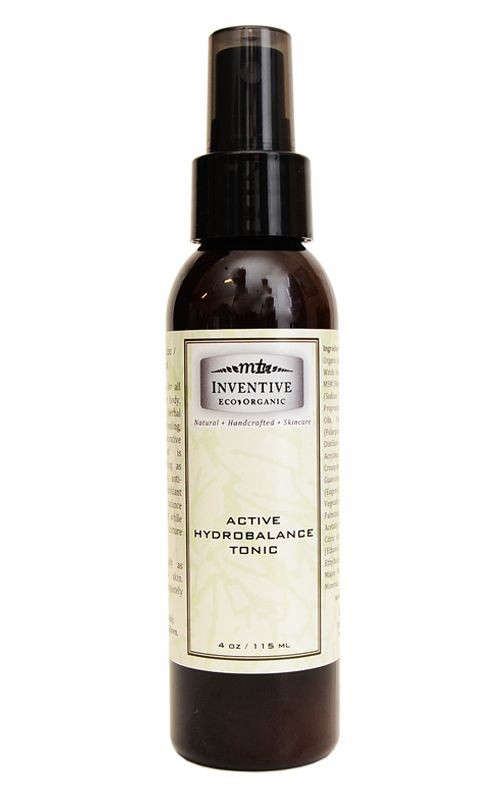
Active Hydrobalance Tonic sounds like the kind of skin-care product that should arrive wearing a lab coat and carrying a chilled glass of cucumber water. The name alone promises balance, hydration, freshness, and possibly a tiny spa soundtrack playing in the background. But behind the elegant wording is a practical skin-care idea: a lightweight hydrating tonic designed to refresh the skin after cleansing, support the moisture barrier, and prepare the face for serums, moisturizers, and sunscreen.
While Active Hydrobalance Tonic has appeared in beauty and lifestyle archives as a product associated with Inventive Eco Organic, it is often discussed today more like a cult-favorite hydrating toner than a widely available shelf staple. That makes it an interesting topic for anyone who loves facial tonics, botanical skin care, and products that sit between “plain water in a bottle” and “serum with a very serious résumé.”
This guide breaks down what an active hydrobalance tonic is, how it fits into a modern skin-care routine, what ingredients usually matter most, and how to use it without turning your bathroom counter into a chemistry fair. Hydration is the mission. Balance is the vibe. Overcomplication is not invited.
What Is Active Hydrobalance Tonic?
Active Hydrobalance Tonic is best understood as a hydrating facial tonic or toner-style product. Unlike old-school toners that were often harsh, alcohol-heavy, and determined to make your face feel like a squeaky window, a modern hydrobalance tonic focuses on comfort. Its purpose is not to strip the skin. Its purpose is to add a light layer of hydration, calm the feel of freshly cleansed skin, and help the next steps in your routine spread more smoothly.
The word “active” suggests that the product is not just scented water. It may include functional ingredients such as aloe vera, cucumber extract, minerals, humectants, or soothing botanicals. The word “hydrobalance” points to water balance in the skin’s outer layer. That outer layer, often called the moisture barrier or skin barrier, needs a healthy mix of water and lipids to feel smooth, flexible, and comfortable.
A hydrating tonic cannot replace every product in your routine. It is not a moisturizer in the full sense because it usually does not contain enough occlusive or emollient ingredients to seal water in for hours. Think of it as the first splash of hydration after cleansing. The moisturizer is the door that locks that hydration inside. The tonic is the friendly guest arriving with refreshments.
Why Hydration Balance Matters
When skin is dehydrated, it can look dull, feel tight, and behave dramatically. Sometimes oily skin becomes oilier because the surface feels stripped. Dry skin may become flaky. Sensitive skin may sting when you apply products that usually behave politely. Makeup may cling to random patches as if it has signed a long-term lease.
Hydration balance matters because the outermost layer of the skin helps protect against environmental stress, water loss, and irritation. A gentle hydrating toner can support this layer by adding water-binding ingredients immediately after cleansing. This is especially helpful if your cleanser leaves your skin feeling tight, if you live in a dry climate, or if your routine includes ingredients such as retinoids, exfoliating acids, or acne treatments that can make the skin feel more fragile.
However, hydration is not the same thing as moisture sealing. Water-based tonics can help the skin feel fresher, but they work best when followed by a serum or moisturizer. Without that next step, the hydration may evaporate quickly, leaving you wondering why your face felt like a plum for three minutes and then went back to raisin negotiations.
How Active Hydrobalance Tonic Fits Into a Skin-Care Routine
The best place to use Active Hydrobalance Tonic is after cleansing and before heavier treatments. The usual order looks like this: cleanser, tonic, serum, moisturizer, and sunscreen in the morning. At night, sunscreen drops out of the lineup, unless you sleep under a spotlight, in which case we have other questions.
Morning Routine
In the morning, a hydrobalance tonic can refresh the skin without requiring a full scrub session. After a gentle cleanse or rinse, apply the tonic with clean hands, a soft cotton pad, or a misting method if the packaging allows. Then follow with a hydrating serum or lightweight moisturizer. Finish with broad-spectrum sunscreen. Hydrated skin is lovely, but UV protection is the grown-up in the room.
Evening Routine
At night, the tonic can help soften the post-cleanse feeling before applying active treatments. If you use retinol, exfoliating acids, or prescription acne products, a hydrating layer may reduce the feeling of dryness. That does not mean it cancels irritation, but it can make the routine feel more balanced. Apply it gently, wait a few seconds, then continue with treatment and moisturizer.
Body Use
Some fans of hydrating tonics use them beyond the face, especially on the neck, chest, shoulders, and arms. This can be useful after showering, after sun exposure, or whenever the skin feels warm and thirsty. Still, a tonic should not replace sunscreen, after-sun care when needed, or a proper body moisturizer for very dry areas.
Key Ingredients to Look For in a Hydrobalance Tonic
A good hydrating tonic does not need a phone-book-length ingredient list. In fact, shorter and calmer can be better, especially for sensitive skin. The most useful formulas usually include humectants, soothing agents, and low-irritation botanicals.
Aloe Vera
Aloe vera is a classic ingredient in soothing skin-care products. It is valued for its lightweight feel and water-binding properties. In a hydrating tonic, aloe can help create that fresh, cushioned sensation without heaviness. It is especially popular in products designed for skin that feels warm, tight, or stressed after cleansing.
Cucumber Extract
Cucumber has a long beauty history because it feels cooling, clean, and spa-like. It is not magic, but it can be pleasant in a formula designed to refresh the skin. Cucumber-based products are often chosen by people who want a light, non-greasy finish.
Glycerin
Glycerin is one of the most reliable humectants in skin care. It helps attract and hold water in the skin’s outer layer. If a hydrating toner includes glycerin, that is usually a good sign. It may not sound glamorous, but glycerin is the dependable friend who shows up on moving day with snacks and a truck.
Hyaluronic Acid
Hyaluronic acid is another popular humectant. It gives many hydrating products a plumper, smoother feel. The trick is to use it correctly: apply it to slightly damp skin and follow with moisturizer. Otherwise, especially in very dry air, it may not feel as comfortable as expected.
Minerals and Magnesium
Some hydrobalance-style tonics include mineral ingredients to support a fresh skin feel. Magnesium is sometimes used in skin-care products for its association with comfort and balance. As with all cosmetic ingredients, results depend on the complete formula, not one heroic ingredient riding in on a white horse.
Botanical Oils or Essential Oils
Botanical notes such as eucalyptus may appear in some tonic formulas. They can create a crisp, refreshing scent, but they may not suit everyone. If your skin is sensitive, reactive, or prone to redness, proceed carefully with fragrant plant extracts or essential oils. Natural does not automatically mean gentle. Poison ivy is natural, and nobody is inviting it to brunch.
Who May Benefit From Active Hydrobalance Tonic?
Active Hydrobalance Tonic may appeal to people who want a light hydration step without the weight of a cream. It can be especially useful for normal, combination, oily, or dehydrated skin types. Oily skin can still be dehydrated, which surprises many people. The face can produce oil and still lack water. Skin is complicated like that.
People with dry skin may also enjoy a hydrating tonic, but they should treat it as a supporting step, not the main event. Dry skin usually needs richer moisturizers with ingredients that reduce water loss. A tonic can add comfort, but a cream or balm is often needed to keep that comfort from disappearing.
Sensitive skin users should read the ingredient list carefully. A hydrating toner with minimal fragrance, no harsh alcohol, and soothing humectants may be helpful. A strongly scented formula, even a botanical one, may cause stinging or redness for some people. Patch testing is not glamorous, but neither is explaining to your forehead why it is suddenly angry.
How to Apply It for Best Results
Start with clean skin. Apply a small amount of Active Hydrobalance Tonic while the skin is still slightly damp. You can pat it in with your hands, sweep it over the skin with a cotton pad, or mist it lightly depending on the product format. Patting is often the gentlest method because it avoids unnecessary rubbing.
Use enough to lightly dampen the skin, not enough to make your face look like it lost a water-balloon fight. Follow quickly with serum or moisturizer. This step is important because humectants work best when sealed with a product that helps reduce water loss.
For daytime, always finish with sunscreen. Hydration improves how skin feels and looks, but sunscreen helps protect against sunburn, visible aging, and UV damage. A beautiful hydrating routine without sunscreen is like washing your car and parking it under a flock of birds. Technically, you tried.
Common Mistakes to Avoid
Using It as Your Only Moisturizer
A hydrating tonic is not usually enough on its own. If your skin feels tight again after ten minutes, it is asking for a moisturizer. Listen to it. Skin may not speak English, but it is fluent in flakes.
Layering Too Many Actives
If your tonic includes botanical extracts and your serum includes acids, retinoids, vitamin C, and a motivational speech, your skin may become overwhelmed. Keep your routine simple when introducing a new product. Add one new step at a time and watch how your skin responds.
Applying to Irritated Skin
If your skin is burning, peeling, cracked, or inflamed, pause nonessential products and focus on gentle cleansing, bland moisturizer, and professional advice if needed. A tonic may feel refreshing on mild dryness, but it is not a treatment for skin conditions.
Assuming “Tingle” Means It Works
A little cooling sensation can be normal with some formulas, but stinging is not a badge of honor. Your skin-care routine should not feel like a dare. If a product burns or causes persistent redness, stop using it.
Active Hydrobalance Tonic vs. Regular Toner
The main difference is the goal. Traditional toners often focused on removing leftover oil after cleansing. Many were astringent and alcohol-based. A hydrobalance tonic focuses more on hydration, comfort, and skin preparation. It should leave the skin feeling supple rather than stripped.
A regular toner may be exfoliating, clarifying, mattifying, or pore-focused. A hydrobalance tonic is usually more about water balance and barrier support. That makes it a better fit for people who want glow without aggressive exfoliation. Not every face needs to be polished like a marble countertop.
Can It Help With Fine Lines?
Hydrating tonics may temporarily soften the look of fine dehydration lines because well-hydrated skin reflects light more smoothly. This does not mean a tonic permanently removes wrinkles. It means the skin surface may look fresher when it has enough water. Think of it as ironing a shirt with steam, not replacing the shirt.
For long-term visible aging concerns, the most evidence-supported routine usually includes daily sunscreen, gentle cleansing, moisturizer, and targeted ingredients such as retinoids, vitamin C, niacinamide, or exfoliating acids when appropriate. A hydrobalance tonic can support comfort in that routine, but it is not the whole anti-aging plan.
Is Active Hydrobalance Tonic Good for Acne-Prone Skin?
It can be, depending on the formula. Acne-prone skin often benefits from lightweight hydration because overly drying routines can make the skin feel irritated and unbalanced. A non-greasy hydrating tonic may help reduce the tight feeling caused by acne cleansers or treatments.
That said, acne-prone users should avoid formulas that feel sticky, oily, or heavily fragranced if those trigger breakouts. Look for non-comedogenic language when available, and keep the rest of the routine simple. If acne is persistent, painful, or leaving marks, a dermatologist can help build a more effective plan.
What About Colloidal Silver in Skin Care?
Some descriptions of Active Hydrobalance Tonic mention colloidal silver. This ingredient has a complicated reputation. Silver has legitimate uses in certain medical wound-care contexts, but broad wellness claims around colloidal silver are not well supported. For cosmetic skin care, it is best to avoid dramatic claims and focus on how the total formula feels on the skin.
Never ingest colloidal silver, and be cautious with any product that promises to cure infections, diseases, or serious skin problems. A facial tonic should be treated as a cosmetic product for hydration and comfort, not as medicine. When in doubt, ask a licensed dermatologist, especially if your skin is irritated or you have a medical skin condition.
How to Choose a Similar Hydrating Tonic Today
If you cannot find Active Hydrobalance Tonic or you are looking for a modern alternative, choose a product based on function rather than nostalgia. Search for hydrating toner, facial essence, moisture toner, aloe toner, or barrier-supporting mist. Prioritize formulas with glycerin, aloe vera, hyaluronic acid, panthenol, beta-glucan, allantoin, or mineral-rich water.
Avoid harsh alcohol if your skin is dry or sensitive. Be careful with strong fragrance. Choose packaging that protects the formula and makes application easy. If you love a spa-like experience, a mist may be enjoyable. If you prefer less waste, hand application works beautifully.
Real-World Experiences With Active Hydrobalance Tonic
Real-life experiences with a product like Active Hydrobalance Tonic usually revolve around one simple theme: skin feels better when it is not treated like a dirty frying pan. Many people discover hydrating tonics after years of using cleansers that leave their face tight, shiny, or oddly squeaky. At first, adding a watery step may seem unnecessary. Then they try it after cleansing and notice that their moisturizer spreads more evenly, their serum feels less sticky, and their skin does not immediately beg for help.
One common experience is the “post-cleanse rescue” moment. Imagine someone with combination skin who washes their face at night and usually feels dry around the cheeks but oily through the T-zone. When they apply a hydrobalance tonic, the cheeks feel less tight, while the forehead does not become greasy. That is the sweet spot. The product is not trying to mattify the skin into submission. It is simply adding a light cushion of hydration so the rest of the routine behaves better.
Another experience happens with people who use active treatments. A person using a retinoid a few nights a week may notice that their skin feels more comfortable when they apply a hydrating tonic first and then follow with moisturizer. This does not make the retinoid irritation-proof, but it can make the routine feel less abrupt. The skin gets a little hydration buffer before the serious ingredients arrive. It is like offering your face a glass of water before asking it to attend a meeting.
Travel is another situation where hydrobalance tonics earn fans. Airplane cabins, hotel air conditioning, cold weather, and long days outdoors can leave skin feeling flat and thirsty. A lightweight tonic can refresh the face after cleansing without adding a heavy layer. For travelers, the best use is not constant misting every five minutes. It is applying the tonic, then sealing it with moisturizer. Otherwise, you are basically giving the air a tiny hydration donation.
People who enjoy minimalist routines may also appreciate this type of product. Instead of layering several serums, they may use a gentle cleanser, Active Hydrobalance Tonic, a balanced moisturizer, and sunscreen during the day. At night, they may repeat the same routine without SPF. This approach works well for skin that becomes irritated by too many products. The result is not flashy, but it is consistent. And consistency is the underrated superstar of skin care.
There are also experiences where the product may not be ideal. Someone with very dry skin may enjoy the first refreshing feeling but still need a richer cream. Someone with sensitivity to eucalyptus, fragrance, or certain botanicals may find the formula too stimulating. Someone expecting a tonic to erase wrinkles, clear acne overnight, and file their taxes will be disappointed. A hydrobalance tonic is a support product. Its best talent is making the skin feel hydrated, calm, and ready for the next step.
The most satisfying way to experience Active Hydrobalance Tonic is to treat it as a small daily upgrade rather than a miracle. Use it after cleansing. Pat it in. Follow with moisturizer. Protect your skin in the daytime. Give it a couple of weeks. If your skin feels more comfortable, looks smoother, and behaves better under sunscreen or makeup, that is a win. Not every skin-care product needs fireworks. Sometimes the best products are more like good lighting: quiet, flattering, and suddenly you wonder how you lived without them.
Conclusion
Active Hydrobalance Tonic represents the modern idea of toner done right: gentle, hydrating, refreshing, and supportive. It is not about stripping the skin or chasing a squeaky-clean feeling. It is about restoring comfort after cleansing and helping the rest of your routine work more smoothly.
The best way to use a hydrobalance tonic is simple. Apply it to clean, slightly damp skin, then seal with moisturizer. In the morning, finish with sunscreen. Choose formulas with thoughtful hydrating ingredients, avoid unnecessary irritation, and remember that your skin does not need a 14-step opera to look healthy.
Whether you are researching the original Active Hydrobalance Tonic or searching for a similar hydrating toner today, focus on what your skin actually needs: water-binding ingredients, barrier-friendly support, and a routine you can repeat without needing a spreadsheet. Balanced skin is not about perfection. It is about comfort, consistency, and a glow that does not require begging.
Note: This article is written for general skin-care education and publishing use. It is based on publicly available product references and reputable dermatology guidance, but it is not medical advice. For persistent irritation, acne, rashes, or skin conditions, consult a licensed dermatologist.