

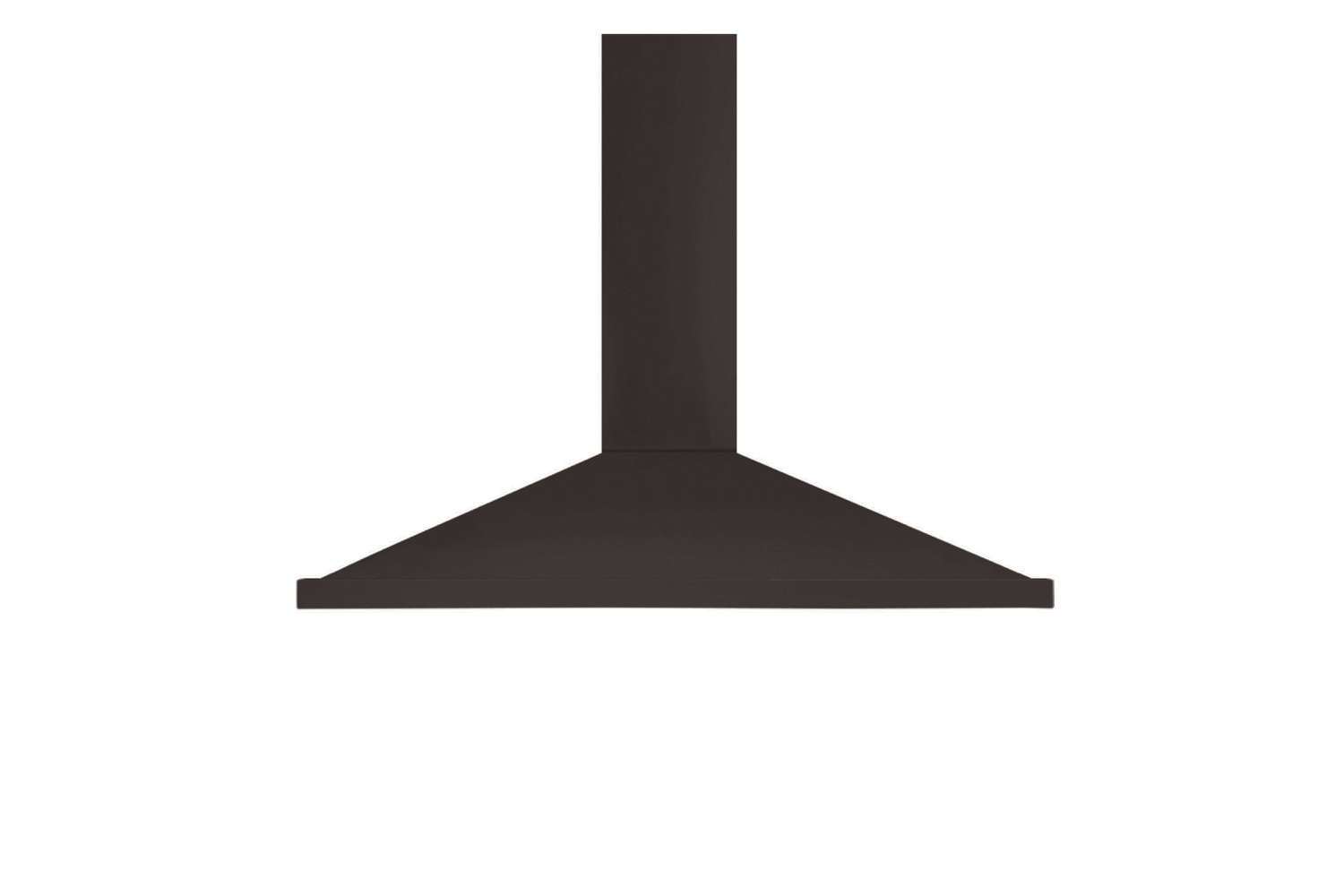
The AGA Wall Mount Canopy Chimney Range Hood is not the sort of kitchen appliance that quietly hides in the corner and hopes nobody notices. It is the dramatic friend who enters the room wearing polished brass trim, excellent lighting, and just enough confidence to make your old microwave vent question its life choices.
Designed for luxury kitchens, serious cooking, and homeowners who believe ventilation should look as good as it performs, AGA wall mount range hoods combine strong airflow, premium finishes, and architectural presence. Whether paired with an AGA range, a high-output gas cooktop, or a statement kitchen remodel, this hood category is built to do two jobs at once: remove smoke, steam, grease, and cooking odors, while turning the wall above your range into a design feature.
This guide breaks down what makes an AGA wall mount canopy chimney range hood special, how it performs, what sizes and finishes are available, what to consider before installation, and what living with one can feel like in a real kitchen.
What Is an AGA Wall Mount Canopy Chimney Range Hood?
An AGA wall mount canopy chimney range hood is a ducted kitchen ventilation hood installed on the wall above a range or cooktop. Unlike an under-cabinet hood, it does not tuck beneath cabinetry. Instead, it becomes a vertical design element, usually with a canopy body below and a duct cover or chimney-style upper section that leads the eye upward.
AGA offers several wall-mounted hood designs, including styles such as Euclid, Marquee, Cascade, and Loge. Each has a distinct look. Euclid leans geometric and clean, Marquee brings an elegant arched profile, Cascade has a more classical concave shape, and Loge has a box-style presence that feels modern, substantial, and quietly luxurious.
The important point is this: these are not generic stainless boxes. They are built to coordinate with AGA’s premium cooking appliances and are available in a wide range of colors and trim finishes. In other words, the hood can match the range, contrast with cabinetry, or become the kitchen’s “yes, we planned this” moment.
Key Features of the AGA Wall Mount Canopy Chimney Range Hood
Powerful Ducted Ventilation
Most AGA wall mount hood models are designed as ducted range hoods, meaning they exhaust air outside the home rather than simply recirculating it. This matters. A ducted range hood is generally more effective at removing heat, smoke, odors, grease particles, moisture, and combustion byproducts from cooking.
AGA hood configurations commonly include 36-inch and 48-inch models. Depending on the model and size, airflow may be around 600 CFM for 36-inch versions and 1200 CFM for 48-inch versions. CFM, or cubic feet per minute, measures how much air the hood can move. The bigger the cooking surface and the more intense the cooking, the more valuable strong airflow becomes.
Three-Speed Blower Control
AGA hoods typically include a three-speed blower. That is practical because not every meal requires full hurricane mode. Simmering soup may only need low ventilation, while searing a ribeye, frying bacon, or discovering that garlic can go from golden to “small kitchen emergency” in eight seconds may call for higher speed.
The advantage of multiple fan speeds is control. You can keep the kitchen comfortable without blasting the blower at maximum power all evening. A good hood should handle everyday cooking quietly and still have reserve power for the smoky moments.
LED Lighting With a Natural Look
Good lighting under a range hood is underrated until you cook beneath bad lighting. AGA hoods use bright LED lighting with a warm, natural-looking color temperature around 3000K. That helps you see whether onions are actually caramelizing or merely pretending to behave.
Many 36-inch configurations include two lights, while larger 48-inch versions may include three. The result is even illumination across the cooking surface, which improves both cooking accuracy and kitchen ambiance.
Commercial-Style Baffle Filters
AGA wall mount canopy hoods use commercial-style baffle filters. These filters are designed to capture grease and airborne particles as cooking air moves through the hood. Baffle filters are especially useful for serious cooking because they are durable, effective, and usually easier to clean than flimsy mesh filters.
Many AGA baffle filters are dishwasher-safe and include thoughtful design details such as grease exit paths and detergent inlet openings. Translation: cleaning the filters does not require a heroic weekend, a toothbrush, and three inspirational podcasts.
Luxury Colors and Trim Options
One of the biggest reasons homeowners consider an AGA wall mount range hood is design flexibility. AGA hoods are available in multiple color families, including classic finishes such as white, gloss black, matte black, stainless steel, and rich statement colors like Cornwall Green, Indigo, Slate, Stone Blue, Fawn, Piccadilly Red, Cranberry, Salcombe Blue, and Carnaby Blue.
Trim options may include brushed nickel, polished chrome, brushed brass, polished brass, and antique brass. Brass trims can develop character over time because brass is a living metal. For some homeowners, that patina is part of the charm. For others, it is a reminder to read the care instructions before enthusiastically cleaning everything with the nearest mystery spray.
AGA Hood Styles: Which Look Fits Your Kitchen?
Euclid: Clean and Geometric
The Euclid hood has a trapezoid form that works beautifully in transitional and modern kitchens. It offers enough shape to feel custom without looking overly ornate. If your kitchen has shaker cabinets, stone counters, and a desire to look polished without shouting, Euclid is a strong candidate.
Marquee: Elegant and Architectural
The Marquee hood has an arched-front design with a more dramatic personality. It suits kitchens that want a focal point above the range. Think luxury farmhouse, traditional English-inspired kitchens, or any design where the range wall deserves a little theater.
Cascade: Classic and Refined
The Cascade style brings a concave profile and can be configured with or without banding, depending on the look. It has a softer classical feel and pairs well with detailed cabinetry, warm metals, and custom kitchen layouts.
Loge: Modern, Boxy, and Stately
The Loge hood is more rectilinear and substantial. It feels especially appropriate in larger kitchens with strong horizontal lines, professional-style ranges, and clean architectural detailing. It is modern, but not cold; bold, but not bossy.
Choosing the Right Size: 36 Inch vs. 48 Inch
A general rule for range hoods is that the hood should be at least as wide as the cooking surface. A 36-inch range usually pairs with a 36-inch hood, while a 48-inch range typically calls for a 48-inch hood. In some kitchens, designers prefer a hood slightly wider than the cooktop to improve capture area, especially when the cooking surface produces a lot of heat, steam, or smoke.
Size also affects airflow. A 36-inch AGA hood may offer around 600 CFM, while a 48-inch version may offer around 1200 CFM. That makes the larger hood better suited to wider ranges, higher-output burners, and frequent high-heat cooking.
However, more power is not always automatically better. Very high-CFM hoods may require proper duct sizing and, in some homes, makeup air planning. If the hood removes a large amount of indoor air, fresh replacement air may need to enter the home safely. This is especially important in tight, energy-efficient houses.
Ducting, Installation, and Planning
Before falling in love with a finish color, confirm the practical details. AGA wall mount canopy chimney range hoods are premium appliances, and premium appliances deserve planning that goes beyond “we’ll figure it out on install day.” That sentence has caused many remodeling budgets to make a tiny squeaking noise.
Key installation considerations include duct diameter, duct route, wall support, mounting height, electrical supply, exterior vent location, and local building codes. Many AGA 36-inch models use an 8-inch duct collar, while larger 48-inch configurations may require a 10-inch duct collar. The duct run should be as short and straight as possible because long runs and multiple elbows reduce airflow efficiency.
Wall support also matters. These hoods are substantial, with some models weighing well over 100 pounds depending on size and configuration. Proper stud support and professional installation are strongly recommended. This is not the moment for “close enough” carpentry.
How Loud Is an AGA Range Hood?
Range hood sound is commonly measured in sones. Lower sones mean quieter operation. AGA hood specifications generally list a sone range that varies by speed, with lower fan settings quieter and higher settings naturally louder.
The practical takeaway is simple: use low speed for light cooking and higher speed only when needed. A powerful hood does not need to roar during every fried egg. In fact, the best range hood habits usually involve turning the hood on before smoke builds up, then letting it run for a few minutes after cooking to clear lingering moisture and odors.
Maintenance: Keeping the Hood Beautiful and Effective
Maintenance is where many range hoods either become beloved kitchen tools or decorative grease museums. The good news is that AGA’s baffle filters are designed for easier cleaning. If you cook daily, inspect the filters often and clean them regularly. Heavy frying, wok cooking, and high-heat searing may require more frequent cleaning.
Wipe the hood exterior with a cleaner appropriate for its finish. Stainless steel, painted enamel, chrome, nickel, and brass may all have different care needs. Avoid abrasive pads unless the manual specifically says they are safe. The goal is to remove fingerprints, not create modern art scratches.
Also check the duct cover, lighting area, and control panel. A clean hood performs better, smells fresher, and keeps the kitchen looking intentional. A greasy hood, on the other hand, tells dinner guests that the ventilation system has entered its villain era.
Who Should Consider an AGA Wall Mount Canopy Chimney Range Hood?
This hood is a strong match for homeowners who want a luxury cooking space with serious ventilation and high-end design coordination. It is especially appealing if you already own or plan to buy an AGA range, because the color and trim options can create a cohesive appliance suite.
It is also ideal for open-concept kitchens where odors travel quickly. In an open floor plan, last night’s fish tacos can become this morning’s living room fragrance if ventilation is weak. A capable ducted hood helps keep cooking where it belongs: in the memory, not in the curtains.
However, this may not be the best choice for apartments or kitchens where exterior ducting is impossible. It may also be overkill for very light cooking. If your most intense kitchen activity is reheating soup while apologizing to a houseplant, a simpler hood may be enough.
Design Tips for a Better-Looking Installation
Match or Contrast With Purpose
A color-matched AGA hood and range can create a polished, built-in look. A contrasting hood, such as matte black over light cabinetry or a rich blue over warm wood, can become a statement feature. The trick is intention. Random contrast looks accidental; planned contrast looks expensive.
Coordinate Metals Carefully
Trim finish should relate to other kitchen hardware, lighting, faucet finishes, or cabinet details. Brushed nickel and polished chrome feel crisp and classic. Brass adds warmth. Antique brass brings vintage depth. You do not need every metal to match perfectly, but they should at least be on speaking terms.
Plan the Wall Around the Hood
Because a wall mount canopy hood is visually dominant, consider the full range wall. Backsplash material, shelf placement, cabinetry height, ceiling height, and duct cover length all affect the final result. A beautiful hood installed awkwardly can look like a tuxedo worn with flip-flops.
Performance in Everyday Cooking
In daily use, the AGA wall mount canopy chimney range hood is about comfort. It helps reduce steam from pasta, smoke from searing, lingering odors from onions, and grease particles from frying. It also improves visibility and makes the range area feel more professional.
The best results come from using the hood proactively. Turn it on before the pan starts smoking, not after the smoke alarm starts auditioning for opera. Use the right speed for the task. Keep filters clean. Make sure windows, doors, and makeup air systems support airflow when needed.
Real-Life Experience: Living With an AGA Wall Mount Canopy Chimney Range Hood
The experience of using an AGA wall mount canopy chimney range hood starts before the first meal is cooked. It begins during the remodel or kitchen planning stage, when the hood becomes one of the anchor points of the design. Many homeowners describe this type of hood as the piece that makes the cooking wall feel finished. Cabinets, tile, countertops, and hardware all matter, but the hood is the crown above the range. It is the kitchen’s hat, and in this case, the hat is very well dressed.
In a practical sense, the first noticeable difference is airflow. When a high-quality ducted hood is correctly sized and installed, cooking feels less chaotic. Steam from boiling pasta rises and disappears instead of fogging nearby windows. Bacon smells like breakfast during breakfast, not during tomorrow’s conference call. When searing steak, the hood gives you a fighting chance against smoke, especially if it is turned on early and set to an appropriate speed.
The lighting also changes the cooking experience. Warm LED illumination over the cooktop makes it easier to see browning, simmering, and sauce texture. That may sound small, but anyone who has cooked under a dim bulb knows the drama of asking, “Is this golden brown or just emotionally beige?” A well-lit range surface helps prevent overcooking and makes evening cooking feel calmer.
Noise depends on fan speed, duct design, and installation quality. On lower settings, the hood can be part of the background. On higher settings, especially with a powerful 1200 CFM configuration, you will hear it. That is not necessarily a flaw; moving that much air is real work. The key is using the highest speed only when the cooking demands it. For many meals, low or medium speed is enough.
Cleaning becomes a habit rather than a crisis if done regularly. The baffle filters are a major advantage because they can be removed, washed, and reinstalled without turning the job into a medieval punishment. Homeowners who cook often usually learn to check filters every few weeks. If the filters look shiny in the wrong way, it is time.
Design-wise, an AGA hood can make guests pause. Not in a “what is that weird thing?” way, but in a “this kitchen has its life together” way. A colored hood with brass or nickel trim adds personality that ordinary stainless hoods rarely achieve. It can make the kitchen feel custom, even when other elements are simple.
The main lesson from real-world ownership is this: plan carefully. Measure the range, confirm hood width, check duct size, understand ceiling height, and involve a qualified installer. A luxury hood rewards good planning. Installed correctly, it becomes one of those kitchen upgrades you notice every daynot because it demands attention, but because cooking simply feels cleaner, brighter, and more controlled.
Conclusion
The AGA Wall Mount Canopy Chimney Range Hood is a premium choice for homeowners who want ventilation power, design flexibility, and a kitchen focal point with real personality. With ducted airflow, multiple fan speeds, LED lighting, dishwasher-safe baffle filters, statement colors, and elegant trim options, it is more than a smoke remover. It is part appliance, part architecture, and part kitchen confidence boost.
For serious cooks, open-concept homes, luxury remodels, and AGA appliance suites, this hood can be a smart investment. The key is proper sizing, professional installation, suitable ducting, and regular maintenance. Do those things well, and the reward is a cleaner kitchen, better cooking visibility, fewer lingering odors, and a range wall that looks like it belongs in a magazine.
Editorial note: Product specifications, finishes, ducting requirements, and rebate availability can change by model, dealer, and installation location. Always confirm final details with the current AGA specification sheet, authorized retailer, installer, and local building code before purchasing.