

San Francisco has always known how to make seafood feel like a ceremony. This is a city where fog rolls in like stage smoke, sourdough shows up to every important occasion, and ordering oysters can somehow feel both deeply civilized and gloriously messy. An urban oyster bar in San Francisco is never just about shellfish on crushed ice. It is about atmosphere, geography, swagger, and that curious local talent for making a weeknight drink feel like a small event.
That is why the phrase An Urban Oyster Bar in San Francisco lands so well. It describes a very specific kind of place: one foot in maritime history, the other in city nightlife. The best versions balance dockside freshness with downtown polish. They borrow a little from East Coast fish houses, a little from California seasonal cooking, and a little from San Francisco’s eternal love affair with rooms that feel both stylish and slightly secretive. In other words, they know how to serve brine with mood lighting.
Anchor & Hope and the Original Urban Oyster-Bar Mood
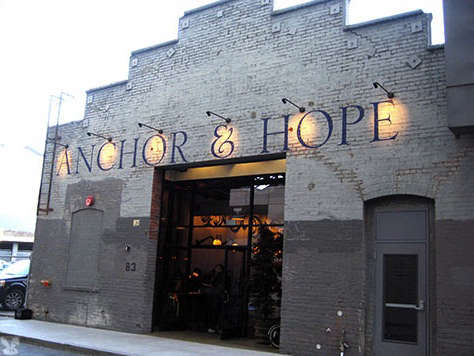
For many diners, one of the clearest expressions of that idea was Anchor & Hope in SoMa. The restaurant opened in 2008 at 83 Minna Street, inside a renovated century-old brick building associated with sculptor Benny Bufano. Its concept was simple but magnetic: an oyster bar and fish house with a San Francisco sensibility, placed in an industrial downtown setting where suits, creatives, date-night optimists, and shellfish enthusiasts could happily collide.
Anchor & Hope stood out because it understood that seafood restaurants do not have to be precious to feel special. The room reportedly leaned into nautical details without turning into a movie set for retired sea captains. Rope-draped rafters, buoys, a bar built for lingering, and a warehouse shell gave it texture. It felt urban rather than coastal postcard-cute, and that distinction mattered. This was not a beach shack that accidentally put on a blazer. It was a city restaurant that knew the ocean was part of its identity.
A Fish House with East Coast Attitude and California Nerve
The menu helped define the mood. Descriptions from the time highlighted bacon-wrapped oysters, lobster roll, wild whole fish, and raw-bar favorites. That mix tells you almost everything you need to know. The restaurant was not trying to reinvent shellfish with tweezers and existential foam. It was using familiar fish-house forms, then letting San Francisco ingredients, appetite, and confidence do the rest.
And that is the trick behind a memorable oyster bar in the city: it must be serious about seafood without becoming solemn about it. Oysters already arrive looking like they hold ancient marine wisdom. No one needs the server to behave like they are presenting a royal decree. A good urban oyster bar gives you quality, context, and maybe a cocktail before you overthink the mignonette.
Anchor & Hope eventually closed permanently in 2020, but the idea it represented did not disappear. If anything, San Francisco kept refining it. The city still loves a raw bar, still worships a platter of shellfish, and still treats seafood dining as one of its native languages.
Why San Francisco Is Built for Oyster Bars
San Francisco is unusually well suited to the oyster-bar format because it combines coastal access, strong restaurant culture, and a built-in audience for seafood that tastes like it was handled by people who actually care. Nearby Tomales Bay remains one of the region’s defining oyster references, and its influence stretches all the way into the city. When locals talk about oysters here, they are often talking about place as much as flavor.
That is where the idea of “merroir” becomes useful. Wine has terroir; oysters have merroir, the taste of the waters they came from. Different salinity levels, currents, temperatures, and growing conditions shape the final bite. That helps explain why oyster bars are so addictive to curious eaters. You are not simply ordering shellfish. You are tasting geography with lemon.
From Tomales Bay to the Ferry Building
Hog Island Oyster Co. has done more than almost anyone to connect Bay Area diners to that sense of place. The company has been growing oysters for decades, and its presence in the Ferry Building helped turn the city’s raw-bar culture into something both accessible and destination-worthy. Sit there with a tray of oysters and you are not just eating lunch. You are basically taking a field trip to Northern California’s edible coastline without leaving the Embarcadero.
San Francisco Travel still points visitors and locals alike toward Hog Island, Swan Oyster Depot, Waterbar, Bar Crudo, Anchor Oyster Bar, and other seafood institutions for a reason. These places span different neighborhoods and moods, but they share a commitment to freshness, oyster literacy, and that highly Bay Area combination of appetite and discernment. Translation: people here want the seafood excellent, the sourcing respectable, and the vibe worth putting on real shoes for.
The City’s Oyster-Bar Personality: Old School, Waterfront, and Glamorous
What makes the San Francisco scene especially interesting is that it does not stick to one style. The city allows several oyster-bar personalities to coexist, often within a short cab ride or a dramatic uphill walk that earns you an extra martini.
Tadich Grill represents old-school San Francisco seafood grandeur, serving the city since 1849. Swan Oyster Depot delivers intimacy and legend, with its tiny counter and reputation as one of the city’s essential seafood experiences. Waterbar turns oysters into waterfront theater with a huge selection and Bay Bridge views. Leo’s Oyster Bar adds tropical glam, proving that raw bars can flirt shamelessly with design fantasy and still send out excellent oysters and cocktails.
That diversity matters because it shows the urban oyster bar is not one fixed blueprint. In San Francisco, it can be historic, scrappy, polished, playful, or all four before dessert. One room may channel maritime nostalgia; another may look like midcentury Palm Beach wandered into the Financial District. Somehow, both feel correct.
Design Matters More Than People Admit
Seafood restaurants live or die by freshness, but oyster bars also live by staging. A shell on ice already has visual drama. The room must rise to meet it. That is why places like Leo’s Oyster Bar made such an impression with custom wallpaper, onyx, brass, rattan, and retro glamour. San Francisco diners do not mind a restaurant with opinions about design. In fact, they reward it.
Anchor & Hope understood a different version of the same principle. Its warehouse bones and nautical flourishes created an atmosphere that was sturdy, social, and unmistakably urban. It did not need to whisper “coastal elegance” in twelve shades of beige. It looked like a city place that had salt in its bloodstream.
What Makes an Oyster Bar Feel Modern Now
Today, the most compelling oyster bars do more than serve a beautiful tray. They communicate sourcing, seasonality, and environmental awareness. That shift is not performative window dressing. It reflects a broader understanding that oysters can be part of a more sustainable seafood culture when they are farmed responsibly.
NOAA notes that oysters are filter feeders and can improve water quality by removing algae and excess nutrients from the water. Under certain conditions, a single oyster can filter up to 50 gallons a day. Hog Island has long framed shellfish farming as a marine-biology-driven practice, and NOAA has described its operation in Tomales Bay as a zero-input crop that helps restore water quality. Monterey Bay Aquarium’s Seafood Watch has also emphasized that farmed bivalves such as oysters are commonly part of the sustainable seafood conversation in the United States.
That means the contemporary urban oyster bar is not only selling indulgence. It is often selling a smarter version of indulgence. You can order a chilled dozen, a glass of crisp white wine, and a side of ecological optimism. Frankly, that is the kind of multitasking San Francisco appreciates.
How to Order at an Urban Oyster Bar Without Looking Panicked
First, order a mixed dozen whenever possible. Unless you are a sworn loyalist to one variety, variety is the fun. Taste the difference between creamier West Coast oysters and brinier, firmer East Coast ones. Ask what is local, what is especially crisp that day, and what the staff is excited about. Oyster people usually love talking about oysters. It is one of their more charming traits.
Second, do not drown the oyster in sauce. A little lemon, a restrained spoonful of mignonette, maybe a dab of cocktail sauce if you must. But take at least one bite close to naked. Oysters are already doing a lot. They traveled from a specific body of water, survived a knife, and landed on your plate looking like edible sculpture. Give them a chance.
Third, round out the order. Chowder, crab, a lobster roll, shellfish stew, or crudo often tells you whether a restaurant’s seafood intelligence goes beyond the raw bar. The best urban oyster bars are complete seafood restaurants, not one-trick ponies in crushed ice.
The Experience of an Urban Oyster Bar in San Francisco
The real magic, though, is not only in the oysters. It is in the transition. You step in from a city sidewalk full of office chatter, buses, bike traffic, and somebody conducting an extremely emotional phone call. Then suddenly there is a tray of shellfish, condensation on a glass, polished metal, low light, and the scent of the sea threading through the room. The city does not disappear. It gets distilled.
That is what makes the oyster bar such a powerful urban form. It offers escape without pretending you left town. In San Francisco especially, it compresses the region’s identity into a single table: Northern California product, historic seafood traditions, design-conscious hospitality, and a faint sense that the evening could go either wonderfully classy or delightfully sideways. Sometimes both.
A 500-Word Oyster-Bar Experience in San Francisco
Imagine arriving just before sunset, when downtown San Francisco is still pretending to be productive. Minna Street or Sacramento Street or the Embarcadero hardly matters; the ritual begins the same way. Outside, the city feels brisk and businesslike. Inside, the oyster bar softens the edges. There is a little clatter from the shucking station, a little flash from glassware, and that unmistakable look of people deciding they deserve one more round because the day was “a lot.” In San Francisco, that description covers roughly everyone.
You take a seat at the bar if you can, because oyster bars are best experienced at eye level with the action. The bartender slides over a menu heavy with possibilities and light on nonsense. Maybe there is a Martini so cold it could settle an argument. Maybe there is a crisp Muscadet, a minerally Chablis, or a California white that tastes like it wants to be invited back. Maybe there is Champagne, because oysters and Champagne are one of civilization’s better ideas and should not be overcomplicated by false modesty.
Then comes the tray: a dozen oysters nestled into crushed ice like they were born to be photographed and immediately eaten. Their shells are not identical. Some are deep-cupped and glossy; some look rugged, even stubborn. The server names them by place, and for a brief moment the menu sounds like a geography lesson taught by someone with very good posture. Tomales Bay. Washington. Massachusetts. Maybe a tiny Olympia if fortune is smiling. You add lemon, maybe a touch of mignonette, and begin.
The first oyster is always a reset button. Salty, cold, mineral, clean. It tastes like the Pacific had a better publicist. The second is sweeter. The third is creamier, softer, almost cucumber-fresh. Suddenly the room makes sense. Conversations loosen. The bar hums. Someone nearby is eating chowder with the seriousness of a religious experience. Another table has ordered a tower of shellfish tall enough to inspire envy and light financial regret. This is not a place for restraint. It is a place for choosing delight on purpose.
As the meal continues, the city outside starts to fade into reflected light on the windows. You order something warm now: maybe roasted oysters, maybe a crab dish, maybe a lobster roll that dares you to keep your shirt clean. There is laughter from the corner banquette. Someone at the end of the bar is on a first date and pretending to know exactly how to pronounce every oyster variety. The bartender, mercifully, does not judge.
By the time you leave, San Francisco feels changed, even though of course it is not. The streets are the same. The wind is the same. The hills are still rude. But the oyster bar has done its job. It has turned the city from backdrop into flavor. It has reminded you that urban life can still contain surprise, pleasure, and a little ceremony on a Tuesday. And really, if a plate of oysters and a good drink cannot rescue a Tuesday, we may need to review the whole system.
Conclusion
An urban oyster bar in San Francisco is more than a seafood stop. It is a local genre. Anchor & Hope helped define one version of it: warehouse bones, fish-house confidence, and a downtown address that made the whole idea feel modern. Even after its closure, the city kept the genre alive through places that emphasize raw-bar craft, design, heritage, and sustainable sourcing.
That continuing appeal is easy to understand. Oyster bars bring together everything San Francisco does well: proximity to remarkable seafood, reverence for place, a taste for atmospheric rooms, and a dining culture that likes tradition best when it arrives with a little swagger. The city may change, restaurants may come and go, and menus may evolve, but the appeal of sitting down to a cold oyster and a sharp drink in a room that knows exactly what it is? That part looks permanent.