

Houseplants already behave like celebrities. They demand flattering light, carefully measured drinks, occasional grooming, and immediate attention whenever one give them the stage they apparently believe they deserve.
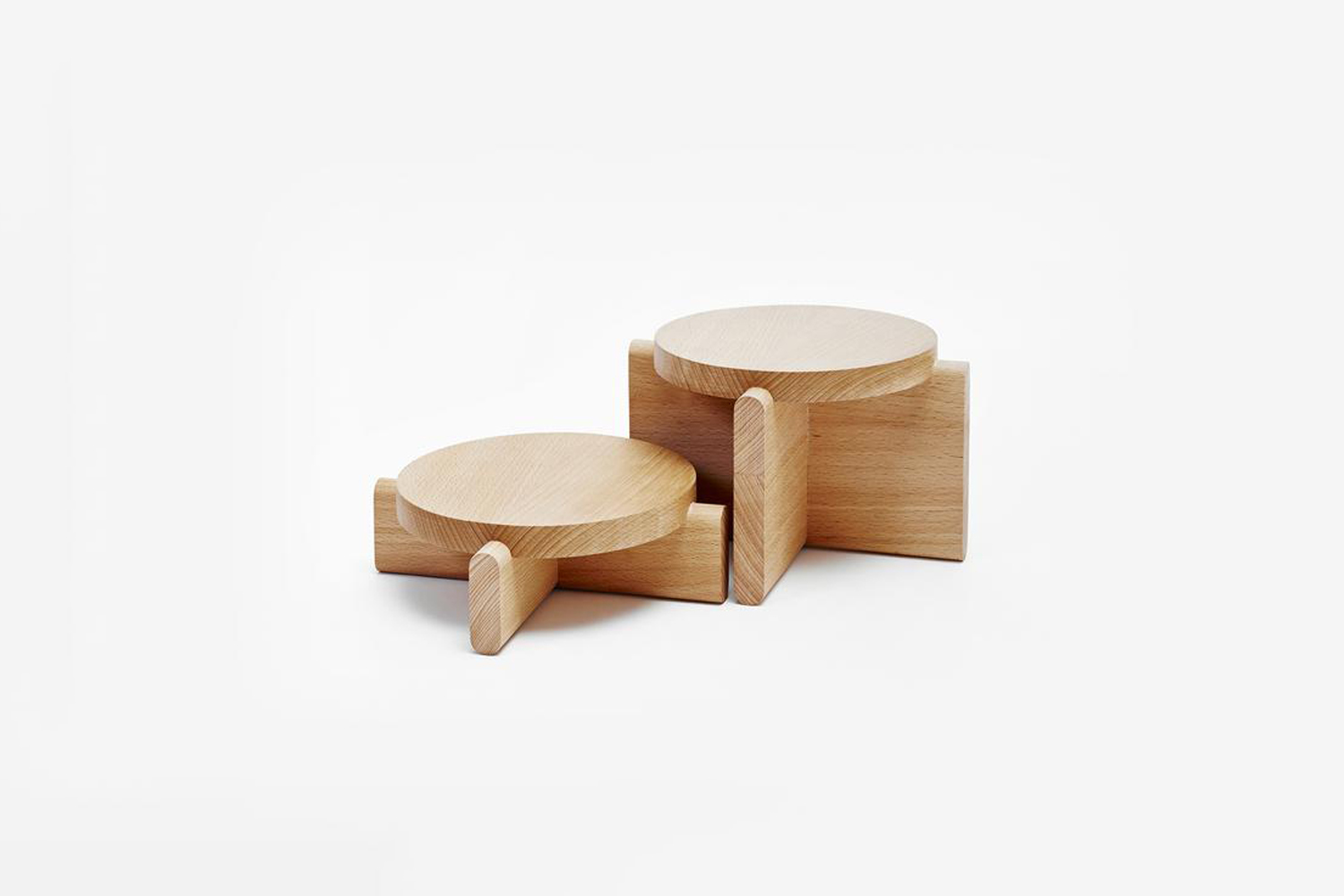
Designed by Pete Oyler, these compact wooden platforms turn an ordinary pot, candle, vase, or decorative object into a deliberate focal point. Their appeal comes from a clever combination of simple geometry, visible craftsmanship, and practical dimensions. They are noticeably more interesting than placing a plant directly on a shelf, yet restrained enough not to compete with whatever they are displaying.
This guide examines the design, materials, dimensions, styling possibilities, care requirements, advantages, limitations, and likely ownership experience of Areaware Plant Pedestals. It also explains why two small pieces of wood can make a surprisingly large difference in a room.
What Are Areaware Plant Pedestals?
Areaware Plant Pedestals are a set of two low display stands created for plants and other household objects. Each pedestal has a square top supported by intersecting vertical pieces, producing a sculptural cross-shaped base. The components meet through lap joinery, allowing the structure to look clean and almost seamless from normal viewing angles.
The set includes one tall pedestal and one short pedestal. Both have an approximately 6-by-6-inch footprint. The taller version measures about 4.6 inches high, while the shorter version measures about 2.3 inches high. That difference creates enough variation to build a layered arrangement without making either stand feel like a piece of full-size furniture. aware originally promoted the pedestals as surfaces for plants, flowers, candles, seashells, serving pieces, and other “fine or humble wares.” That description captures the product unusually well. The pedestal is specific enough to have personality but neutral enough to support almost anything that fits securely on top. n>
The Designer Behind the Pedestals
Pete Oyler is an American designer whose work frequently explores the relationship between craft, contemporary culture, historical references, and everyday usefulness. His portfolio includes furniture, mirrors, vessels, household tools, and products developed with design brands such as Areaware. The Plant Pedestals first appeared in beech around 2015–2016 and later returned in updated production. design reflects Oyler’s talent for making familiar objects feel freshly considered. A plant stand is hardly a revolutionary invention. Humans have been elevating ferns for a very long time. The cleverness here lies in reducing the idea to three intersecting planes and two carefully chosen heights.
The result sits somewhere between a miniature table, a modern sculpture, and an architectural model. It is simple at first glance, but the joinery and proportions reward closer inspection.
Materials: Beech Versus Rubberwood
Consumers researching Areaware Plant Pedestals may encounter two different material descriptions. Earlier editions and many retailer listings identify the product as beech wood. More recent official Areaware product information describes updated pedestals made from rubberwood. Pete Oyler’s portfolio also distinguishes between the earlier beech version and a newer rubberwood version. 370908search1turn370908search6
This does not necessarily indicate an error. It appears that the material changed between production runs. Buyers shopping resale inventory, older retailer stock, or a newly manufactured version should therefore read the individual listing rather than assuming every pedestal is made from the same species.
Beech Wood Editions
Beech has a fine, even grain and a light natural appearance that works well with Scandinavian, contemporary, and minimalist interiors. It can look warm without appearing rustic, making it a practical visual partner for ceramic planters, glass vessels, and brightly colored accessories.
Rubberwood Editions
Rubberwood also has a relatively smooth grain and is frequently used for furniture and home accessories. The newer official version maintains the same basic dimensions and three-piece lap-jointed construction associated with the original design. atural and Painted Finishes
The pedestals have appeared in natural wood and painted finishes, including green. Natural wood emphasizes the joinery and gives the product a quieter presence. A colored version behaves more like an accent object and can connect a plant display to artwork, pillows, ceramics, or other colors in the room. n>
Why the Design Works
It Creates Height Without Creating Bulk
A tall floor-standing plant stand may dominate a small room. The Areaware pedestals add only a few inches of elevation, which is often enough to separate a pot visually from a shelf, countertop, desk, or windowsill.
This small lift gives an object breathing room. The effect is similar to placing artwork on a gallery plinth, only considerably less dramatic and much easier to move when you realize the plant needs more sunlight.
The Two Heights Encourage Layering
Plant displays tend to look more natural when they include different heights, widths, foliage shapes, and textures. Designers commonly recommend varying elevation rather than arranging every pot in a straight line. The tall and short Areaware pedestals make that principle easy to apply. ce a compact upright plant on the taller pedestal and a trailing plant on the shorter one. Add a third object directly on the surface, and the arrangement immediately gains depth.
The Base Adds Graphic Interest
The intersecting supports form strong vertical and horizontal lines. These lines make the pedestal feel architectural, particularly when viewed from the side. Unlike a plain wooden block, the open base allows light and background color to remain visible.
That negative space helps the stand feel lighter than its square top suggests. It also produces changing shapes as you move around it, which is a rather sophisticated trick for an object smaller than many hardcover books.
How to Style Areaware Plant Pedestals
Build a Small Plant Group
Use both pedestals together with a third plant placed directly on the shelf or table. Choose pots with related colors but different silhouettes. For example, combine a tall cylindrical planter, a rounded bowl, and a small textured pot.
Odd-numbered groupings often feel more relaxed than perfectly symmetrical arrangements. Varying the heights also prevents leaves from visually merging into one green blob. reate a Windowsill Display
The 6-inch footprint makes the pedestals suitable for a deep windowsill, provided the pots fit securely. Elevation can help shorter plants reach unobstructed light, although placement should always be based on the actual light requirements of the species.
A peperomia, small fern, pilea, or compact succulent can work well. Avoid oversized foliage that makes the pedestal look visually top-heavy. Also avoid balancing a giant ceramic planter on a 6-inch platform unless suspense is part of your decorating style.
Use One on a Bookshelf
A short pedestal can break up rows of books and decorative objects. Place a small planter, framed object, candle, or collected stone on top. The elevation establishes a visual hierarchy and keeps the shelf from looking like everything arrived at the same height and formed an orderly queue.
Style an Entryway Console
Use the taller pedestal for a small plant and the shorter version for a catchall dish or sculptural object. Add a lamp or framed artwork behind them. The repeated wood surfaces help unify the arrangement, while the two heights create a subtle rhythm.
Create a Dining Table Centerpiece
Because the pedestals are low, they can elevate candles, flowers, fruit, or serving pieces without automatically blocking conversation. Areaware has specifically suggested using them for flowers, hors d’oeuvres, and decorative collections, so the product is not limited to soil and leaves. n using them with food, place the food on a suitable plate or serving vessel rather than directly on the wood.
Choosing the Right Pots and Objects
The top measures roughly 6 inches square, so the bottom of the pot should fit comfortably within that area. A planter can extend slightly beyond the edges, but excessive overhang reduces stability and makes the arrangement appear awkward.
Before placing a pot on the pedestal, check four things:
- The base sits flat without rocking.
- The combined pot, soil, and plant are not excessively heavy.
- A waterproof saucer protects the wood from drainage.
- The foliage does not make the setup dangerously top-heavy.
Unglazed terracotta can release moisture through its walls and base, so it should not sit directly on the pedestal after watering. Even a glazed pot may drip from its drainage hole. A shallow saucer, cork mat, or discreet waterproof barrier can prevent rings and discoloration.
Uses Beyond Houseplants
The most valuable feature of Areaware Plant Pedestals may be their refusal to remain in one category. They are useful even when your houseplant enthusiasm enters its annual “why is everything covered in fungus gnats?” phase.
Possible alternative uses include:
- Displaying pillar candles or candleholders
- Elevating a small vase or flower arrangement
- Creating height in a retail product display
- Presenting shells, stones, minerals, or travel souvenirs
- Supporting a jewelry dish on a dresser
- Displaying a small sculpture or collectible
- Adding levels to a buffet or dessert table
- Holding a soap dispenser or decorative container in a dry bathroom area
Because the design is visually neutral, changing its purpose does not make it look misplaced. A bright novelty-shaped plant stand may struggle to become a candle platform. This one adapts without filing a complaint.
Care and Maintenance
Official and retailer care guidance generally recommends wiping the pedestals with a soft, damp cloth. They should not be soaked, placed in standing water, or scrubbed with harsh cleaners. long-term care:
- Wipe away water immediately after watering plants.
- Use a saucer beneath every pot with drainage.
- Avoid placing the pedestal directly beside a humidifier.
- Keep natural wood away from prolonged direct moisture.
- Lift objects rather than dragging rough ceramic bases across the top.
- Dust the intersecting supports with a soft cloth or small brush.
Painted finishes may show chips if struck by heavy ceramic pots. Natural finishes may develop minor marks over time, although some owners may consider this patina rather than damage. That judgment usually depends on whether the mark tells a charming story or merely records the afternoon someone knocked over a cactus.
Advantages and Drawbacks
Advantages
- Distinctive design: The lap-jointed construction provides more character than a plain riser.
- Compact size: The pedestals fit on shelves, counters, desks, and small tables.
- Two useful heights: The pair makes layered arrangements easy.
- Versatile function: They work with plants, candles, flowers, food displays, and collectibles.
- Minimal assembly appearance: The intersecting components form a clean, integrated structure.
- Easy to relocate: Their small scale encourages experimentation around the home.
Drawbacks
- Limited surface area: Large or wide planters will not fit safely.
- Moisture sensitivity: Wood requires protection from drainage and spills.
- Modest elevation: Buyers seeking a full-height floor stand may find them too low.
- Material differences: Older and newer versions may use different woods.
- Availability can vary: Particular finishes and production runs may sell out or appear mainly through remaining retailer inventory.
Are Areaware Plant Pedestals Worth Buying?
These pedestals make the most sense for someone who appreciates small design details and frequently rearranges shelves, plants, or tabletop displays. They are not essential gardening equipment. A plant will continue photosynthesizing without standing on an attractively joined wooden platform.
The value comes from visual organization. The pedestals define space around an object, create variation in height, and turn casual collections into intentional compositions. Their restrained design also gives them a longer decorative life than highly trend-driven accessories.
They may be less suitable for buyers who need a heavy-duty stand, outdoor furniture, a waterproof platform, or support for large planters. Their purpose is display rather than structural heroism.
For small plants, ceramics, candles, and collected objects, however, the pair offers a practical amount of elevation with a strong design identity. That is a rare balance: noticeable without being noisy, playful without becoming silly, and useful without looking aggressively practical.
What Living With Areaware Plant Pedestals Is Likely to Feel Like
The ownership experience begins with experimentation. The pedestals are small enough that their ideal location may not be obvious when they first arrive. The taller one might start beneath a plant on a windowsill, while the shorter one lands on a bookshelf under a candle. By the end of the week, both may have moved three times.
That mobility is part of their appeal. Large plant stands force you to design around them. These pedestals invite you to keep adjusting the arrangement until the room feels balanced. Moving the taller pedestal from the left side of a shelf to the right can change how the eye travels across the entire composition.
A practical setup might begin with a small white ceramic pot on the tall pedestal and a trailing plant in a darker pot on the short one. A third pot sits directly on the surface. Without the platforms, the three plants may look crowded and visually flat. With the added elevation, each silhouette becomes easier to read. Leaves overlap less, the pots gain breathing room, and the display starts to resemble a deliberate indoor garden rather than a temporary plant parking area.
The pedestals also encourage closer attention to proportion. A compact planter can appear surprisingly substantial once elevated. Conversely, a pot that seemed small in the store may look oversized when its edges hang beyond the platform. Owners quickly learn to judge the pot by its base, not by the diameter of its rim or the ambition of its foliage.
Watering introduces the most important routine. The plant should ideally be removed, watered at a sink, allowed to drain, and then returned to the pedestal. When that is inconvenient, a reliable saucer becomes mandatory. One careless watering session can leave moisture trapped beneath a pot, especially if the planter has an unglazed base.
Cleaning is straightforward. Dust can collect where the supports intersect, but a soft cloth handles most maintenance. The open construction is easier to clean than an ornate carved stand, although it has more edges than a solid block.
Over time, the most enjoyable discovery may be that the pedestals are not really plant accessories. During a dinner, the shorter stand can elevate a small serving plate. In winter, the taller one may hold a candle. On a desk, either version can display a favorite object that would otherwise disappear among notebooks and charging cables.
The pair works especially well in apartments because it creates vertical variation without consuming additional floor space. A crowded room does not always need another piece of furniture. Sometimes it needs the objects already present to stop standing at exactly the same height.
The overall experience is therefore less about owning a dramatic centerpiece and more about gaining two quiet styling tools. They solve small visual problems repeatedly. That may sound modest, but good home accessories often succeed precisely because they keep being useful after the original decorating plan has changed.
Final Verdict
Areaware Plant Pedestals are compact examples of thoughtful American product design. Pete Oyler’s intersecting wooden construction turns a basic riser into an object with architectural personality, while the two heights make it easy to create layered displays in small spaces.
Their strongest qualities are versatility, proportion, and visual restraint. They can elevate a plant without overpowering it, organize a collection without enclosing it, and adapt to new uses when the room changes. Buyers should pay attention to the production material, protect the wood from water, and select appropriately sized pots.
For anyone who enjoys modern home accessories, indoor plant styling, or small objects with clever joinery, these pedestals offer a satisfying way to give ordinary belongings a little more presence. Your pothos may not become famous, but at least it will finally have proper staging.