

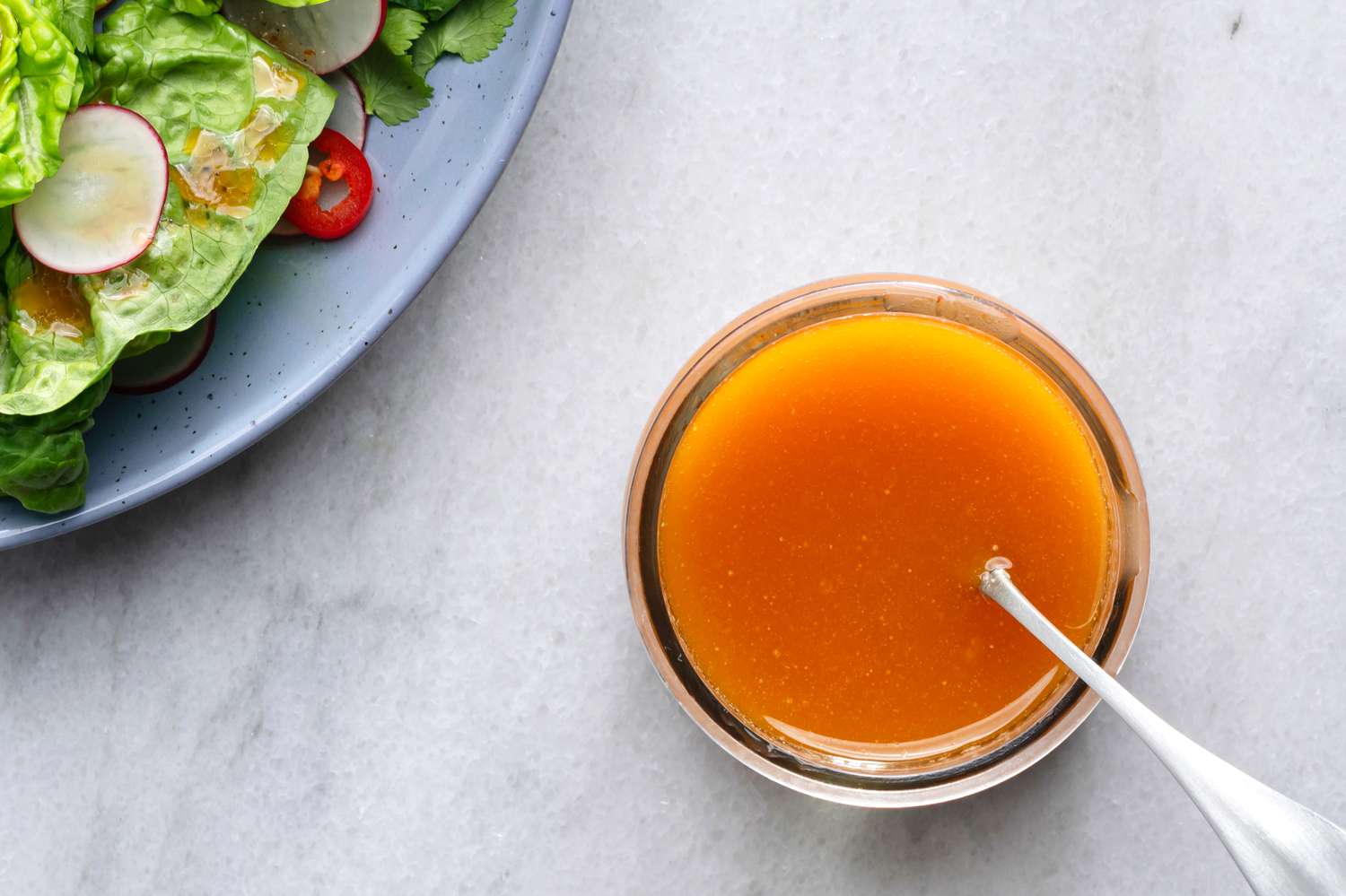
A good Asian vinaigrette recipe with rice vinegar and sesame oil is the kind of kitchen trick that makes you feel suspiciously powerful. One minute you have a bowl of lettuce, shredded cabbage, noodles, or leftover grilled chicken. The next minuteafter a quick whisk, shake, or heroic fork-stiryou have something bright, nutty, savory, lightly sweet, and restaurant-level delicious. No cape required. Maybe just a clean jar.
This dressing is built around two pantry stars: rice vinegar and toasted sesame oil. Rice vinegar brings gentle acidity without the harsh bite of stronger vinegars, while sesame oil adds deep roasted flavor that smells like someone in your kitchen knows exactly what they are doing. Add soy sauce, ginger, garlic, a little honey, and a neutral oil, and suddenly your salad is no longer “just being healthy.” It is showing off.
Below is a flexible, easy, deeply flavorful Asian-inspired vinaigrette that works on green salads, cabbage slaws, cold noodle bowls, grain bowls, cucumber salads, grilled chicken, tofu, shrimp, roasted vegetables, and even as a quick marinade. It takes about five minutes, keeps well in the refrigerator, and rescues boring lunches from the land of sad desk food.
Why This Asian Vinaigrette Works
The best vinaigrettes are not complicated; they are balanced. This one hits the classic flavor notes often found in Asian-inspired dressings: tangy, salty, nutty, sweet, and aromatic. Rice vinegar gives the dressing lift. Soy sauce adds salt and umami. Toasted sesame oil adds richness. Ginger and garlic bring sharp, fresh energy. Honey or maple syrup softens the acidity so the dressing tastes lively rather than aggressive.
Unlike heavy creamy dressings, this rice vinegar dressing feels light but still satisfying. It coats vegetables without burying them. That is especially useful for crunchy ingredients like napa cabbage, red cabbage, carrots, cucumbers, bell peppers, snap peas, romaine, and scallions. The dressing slips into the folds and edges of the vegetables, making every bite taste intentional.
The secret is using toasted sesame oil as a flavor ingredient, not the entire oil base. Toasted sesame oil is powerful. Too much can make the dressing taste heavy or slightly bitter. A neutral oil such as avocado oil, canola oil, grapeseed oil, or light olive oil stretches the sesame flavor into something smooth and balanced.
Asian Vinaigrette Ingredients
Main Ingredients
- 1/4 cup unseasoned rice vinegar: Mild, clean, and lightly sweet compared with sharper vinegars.
- 2 tablespoons soy sauce or tamari: Adds saltiness and savory depth. Use tamari for a gluten-free version.
- 1 tablespoon toasted sesame oil: The nutty backbone of the dressing.
- 1/3 cup neutral oil: Avocado, canola, grapeseed, or vegetable oil works well.
- 1 tablespoon honey or maple syrup: Balances acidity and salt.
- 1 teaspoon fresh grated ginger: Adds warmth and brightness.
- 1 small garlic clove, finely grated: Gives the dressing a savory kick.
- 1 teaspoon Dijon mustard: Helps emulsify the vinaigrette and adds gentle sharpness.
- 1 teaspoon toasted sesame seeds: Optional, but excellent for texture and visual appeal.
- Black pepper or red pepper flakes: Optional, for a little heat.
Ingredient Notes
Use unseasoned rice vinegar if possible. Seasoned rice vinegar contains added sugar and salt, which can still work, but you may need to reduce the honey and soy sauce. Toasted sesame oil is different from regular sesame oil. Regular sesame oil is pale and mild; toasted sesame oil is darker, more fragrant, and much more flavorful.
Fresh ginger makes the dressing taste clean and energetic. Powdered ginger can work in a pinch, but fresh ginger gives better aroma. For garlic, grate it finely so it disappears into the vinaigrette instead of landing on one unlucky lettuce leaf like a tiny garlic asteroid.
How to Make Asian Vinaigrette With Rice Vinegar and Sesame Oil
Step 1: Combine the Flavor Base
In a medium bowl or glass jar, combine the rice vinegar, soy sauce, honey, grated ginger, grated garlic, Dijon mustard, and sesame oil. Whisk or shake until the honey dissolves and the mixture looks unified.
Step 2: Add the Oil Slowly
If using a bowl, slowly drizzle in the neutral oil while whisking constantly. This helps the dressing emulsify, which simply means the oil and vinegar temporarily become friends instead of standing awkwardly on opposite sides of the jar. If using a jar, add the oil, close the lid tightly, and shake vigorously for 15 to 20 seconds.
Step 3: Taste and Adjust
Dip a lettuce leaf, cucumber slice, or spoon into the dressing and taste. If it tastes too sharp, add a little more honey or oil. If it tastes flat, add a splash more rice vinegar or a tiny pinch of salt. If it needs more depth, add another few drops of sesame oil. Go slowly; sesame oil has main-character energy.
Step 4: Finish and Serve
Stir in toasted sesame seeds and red pepper flakes if using. Toss with salad just before serving, or drizzle over bowls, noodles, grilled proteins, or roasted vegetables.
Best Ratio for Rice Vinegar Sesame Dressing
A classic vinaigrette often uses about three parts oil to one part vinegar, but Asian-style vinaigrettes can taste better with a brighter balance. Rice vinegar is mild enough that you can use more acid without making the dressing too sharp. This recipe uses 1/4 cup rice vinegar and a combined oil amount of 1/3 cup neutral oil plus 1 tablespoon sesame oil, creating a lively but not sour dressing.
If you prefer a softer, richer dressing, increase the neutral oil by 1 to 2 tablespoons. If you want something punchier for cabbage slaw or noodle salad, add another tablespoon of rice vinegar. The goal is not to obey a mathematical law. The goal is to make vegetables taste so good that nobody remembers they were once suspicious of cabbage.
Best Ways to Use Asian Vinaigrette
1. Crunchy Asian Slaw
Toss the vinaigrette with shredded green cabbage, red cabbage, carrots, scallions, cilantro, and toasted sesame seeds. Let it sit for 10 minutes before serving so the vegetables soften slightly while staying crisp. This is excellent with grilled chicken, pulled pork, tofu, or fish tacos.
2. Cold Noodle Salad
Use the dressing on chilled soba noodles, rice noodles, or ramen noodles. Add cucumber, carrots, edamame, bell peppers, and green onions. A spoonful of peanut butter or tahini can be whisked into the dressing for a creamier noodle sauce.
3. Cucumber Salad
Thinly slice cucumbers, sprinkle with a tiny pinch of salt, and let them rest for 10 minutes. Drain excess liquid, then toss with the vinaigrette. Add sesame seeds and chili flakes. It is crisp, refreshing, and dangerously easy to eat straight from the bowl.
4. Grain Bowls
Drizzle this rice vinegar sesame dressing over rice bowls, quinoa bowls, farro bowls, or cauliflower rice bowls. It works especially well with roasted broccoli, carrots, mushrooms, tofu, chicken, salmon, or soft-boiled eggs.
5. Quick Marinade
This vinaigrette can double as a quick marinade for chicken, tofu, shrimp, or vegetables. For best results, marinate tofu or vegetables for 20 to 30 minutes and chicken for 30 minutes to 2 hours in the refrigerator. Discard used marinade that has touched raw meat or seafood.
Recipe Variations
Spicy Sesame Vinaigrette
Add 1 to 2 teaspoons of chili crisp, sriracha, sambal oelek, or red pepper flakes. This version is excellent on noodle bowls and grilled vegetables.
Citrus Ginger Vinaigrette
Replace 1 tablespoon of rice vinegar with fresh lime juice or orange juice. Lime makes the dressing sharper and more refreshing; orange makes it rounder and slightly sweeter.
Miso Sesame Vinaigrette
Whisk in 1 tablespoon of white miso paste. Miso adds savory depth and a creamy texture without dairy. Because miso is salty, reduce the soy sauce slightly and adjust after tasting.
Peanut Sesame Dressing
Whisk in 1 tablespoon of creamy peanut butter. Add a splash of warm water if the dressing gets too thick. This turns the vinaigrette into a richer sauce for noodles, lettuce wraps, and chicken bowls.
Low-Sodium Version
Use low-sodium soy sauce or tamari and start with only 1 tablespoon. Add more after tasting. You can boost flavor with extra ginger, lime juice, sesame seeds, or a small amount of miso.
Storage and Make-Ahead Tips
Store homemade Asian vinaigrette in a clean airtight jar in the refrigerator. Because this recipe includes fresh garlic and ginger, it is best used within 3 to 4 days for quality and food safety. The oil may thicken or look cloudy when chilled; that is normal. Let the jar sit at room temperature for 10 to 15 minutes, then shake well before using.
If you want a longer-lasting pantry-style version, skip the fresh garlic and ginger and use garlic powder and ground ginger instead. Even then, refrigeration is still a smart choice once ingredients are combined, especially if you added mustard, citrus juice, or any fresh ingredient.
Common Mistakes to Avoid
Using Too Much Sesame Oil
Toasted sesame oil is bold. A tablespoon is usually enough for a full batch of dressing. If you use it as the main oil, the vinaigrette can become overpowering. Think of sesame oil like perfume for food: lovely in the right amount, alarming if poured with confidence and no supervision.
Skipping Sweetness Completely
You do not need a sugary dressing, but a small amount of honey, maple syrup, or brown sugar helps balance vinegar and soy sauce. Without it, the dressing may taste sharp or salty.
Not Tasting With the Food
A dressing can taste strong from a spoon but perfect on vegetables. Always taste it with what you plan to serve. Cabbage, noodles, and grains need more flavor than delicate lettuce.
Dressing Greens Too Early
Sturdy vegetables like cabbage can handle dressing ahead of time. Tender greens like spring mix, spinach, and butter lettuce should be dressed just before serving so they do not wilt.
What to Serve With This Dressing
This Asian vinaigrette recipe pairs beautifully with foods that enjoy contrast. Try it with grilled salmon, sesame chicken, tofu skewers, shrimp, steamed dumplings, roasted sweet potatoes, stir-fried vegetables, or a simple bowl of jasmine rice topped with cucumbers and herbs. It also makes a smart sauce for leftover rotisserie chicken. Shred the chicken, toss it with a spoonful of vinaigrette, add cabbage and scallions, and suddenly leftovers have had a full personality makeover.
For a quick lunch, combine romaine, shredded carrots, cucumbers, edamame, mandarin orange segments, and crispy wonton strips. Drizzle with the dressing and top with sesame seeds. For dinner, serve it over a bowl of brown rice, roasted broccoli, pan-seared tofu, and pickled onions. The dressing ties everything together without making the meal feel heavy.
Nutrition and Flavor Benefits
Homemade vinaigrette gives you control over salt, sweetness, and oil quality. Bottled dressings can be convenient, but homemade versions let you adjust the flavor to match your meal. You can make it lower in sodium, sweeter, spicier, tangier, or more sesame-forward in seconds.
Rice vinegar keeps the dressing bright, while sesame oil provides enough richness that you do not need a creamy base. This makes the recipe naturally dairy-free and easy to adapt for vegan, gluten-free, and nut-free diets. Use maple syrup instead of honey for a vegan version, and use tamari instead of soy sauce for a gluten-free option.
My Kitchen Experience With Asian Vinaigrette
The first time I made an Asian vinaigrette with rice vinegar and sesame oil, I treated it like a strict recipe. I measured everything carefully, whisked politely, and looked at the bowl as if it might grade me. Then I tasted it and realized vinaigrette is less like baking a cake and more like tuning a guitar. You adjust until it sings.
Rice vinegar became the ingredient that changed how I thought about homemade salad dressing. It is softer than white vinegar and less bossy than some wine vinegars. It does not walk into the room wearing tap shoes. Instead, it brightens everything around it. Cucumbers taste colder and cleaner. Cabbage tastes sweeter. Carrots become more cheerful. Even leftover rice suddenly acts like it had plans all along.
Sesame oil taught me restraint. In early tests, I used too much because it smelled amazing. The result was not bad, exactly, but it was intenselike the dressing had joined a drumline. A smaller amount worked better. One tablespoon gave the vinaigrette that unmistakable toasted aroma without flattening the other flavors. Neutral oil helped carry the sesame flavor across the whole salad.
The biggest practical lesson is that this dressing loves texture. It is good on lettuce, but it is fantastic on crunchy vegetables. Shredded cabbage, sliced cucumbers, carrots, radishes, snap peas, and bell peppers all hold up well. If you are making lunch ahead, use sturdy vegetables and keep tender greens separate until serving. Cabbage slaw dressed 15 minutes early tastes better; spinach dressed 15 minutes early looks like it has received disappointing news.
Another useful experience: the jar method is unbeatable for busy days. Add everything to a small jar, tighten the lid, and shake like you are trying to win a very tiny maraca contest. The dressing emulsifies quickly, and the jar goes straight into the fridge. No extra bowl, no whisk, fewer dishes. This matters on weeknights when the sink already appears to be hosting a cookware convention.
I also like using this vinaigrette as a “bridge” sauce. It connects simple foods that might otherwise feel random. Rice, cucumber, leftover chicken, scallions, and sesame dressing become a bowl. Noodles, carrots, tofu, and sesame dressing become lunch. Roasted broccoli, quinoa, edamame, and sesame dressing become something that looks suspiciously like meal prep success.
For entertaining, I usually make the dressing a few hours ahead and keep it chilled. Right before serving, I shake it well and taste again. Cold temperatures can mute flavor, so it may need a tiny splash of vinegar or a pinch of salt. When serving a crowd, I put extra dressing on the side. Some people want a light drizzle; others want their salad to experience weather.
The best part is how forgiving the recipe is. No ginger? Add extra garlic or a squeeze of lime. No honey? Use maple syrup or a pinch of brown sugar. Want it spicy? Add chili crisp. Want it creamy? Add peanut butter, tahini, or miso. Once you understand the balanceacid, oil, salt, sweetness, aromayou can customize it endlessly.
That is why this Asian vinaigrette has become one of those back-pocket recipes worth memorizing. It is fast, flexible, affordable, and capable of making vegetables feel exciting without asking you to do anything dramatic. In a world full of complicated dinner decisions, a reliable jar of rice vinegar sesame dressing is a small but mighty victory.
Conclusion
An Asian vinaigrette recipe with rice vinegar and sesame oil is simple, but it delivers big flavor. The combination of mild vinegar, toasted sesame oil, soy sauce, ginger, garlic, and a touch of sweetness creates a balanced dressing that works far beyond salad. Use it for slaws, noodles, bowls, marinades, cucumbers, roasted vegetables, and quick lunches that need a little sparkle.
The key is balance. Start with rice vinegar for brightness, use toasted sesame oil carefully for nutty depth, add a neutral oil for smoothness, and adjust the sweetness and salt to fit your ingredients. Once you make it once, you will probably stop buying bottled sesame dressing. Your fridge door may feel betrayed, but your salads will recover beautifully.