

Heavy metal exposure is one of those health topics that can make perfectly reasonable people spiral from “I wonder if this old house is a problem” to “Should I mail my hair to a lab and prepare for doom?” in about seven minutes. That is exactly why at-home heavy metal tests have become so popular. They promise fast answers, privacy, and a little scientific closure without an awkward waiting room magazine from 2014.
But here is the honest answer: at-home heavy metal tests can be useful, yet they are not magical truth machines. Some are decent screening tools. Some are better at creating confusion than clarity. And some are basically the laboratory version of reading tea leaves and calling it toxicology. Whether they are worth it depends on which metal you are worried about, what sample the kit uses, why you are testing, and what you plan to do with the result.
If you are worried about lead, mercury, arsenic, cadmium, or a mix of metals, the smartest question is not “Can I buy a test?” It is “Will this test tell me something meaningful?” That distinction matters more than the marketing copy on the box.
What At-Home Heavy Metal Tests Usually Measure
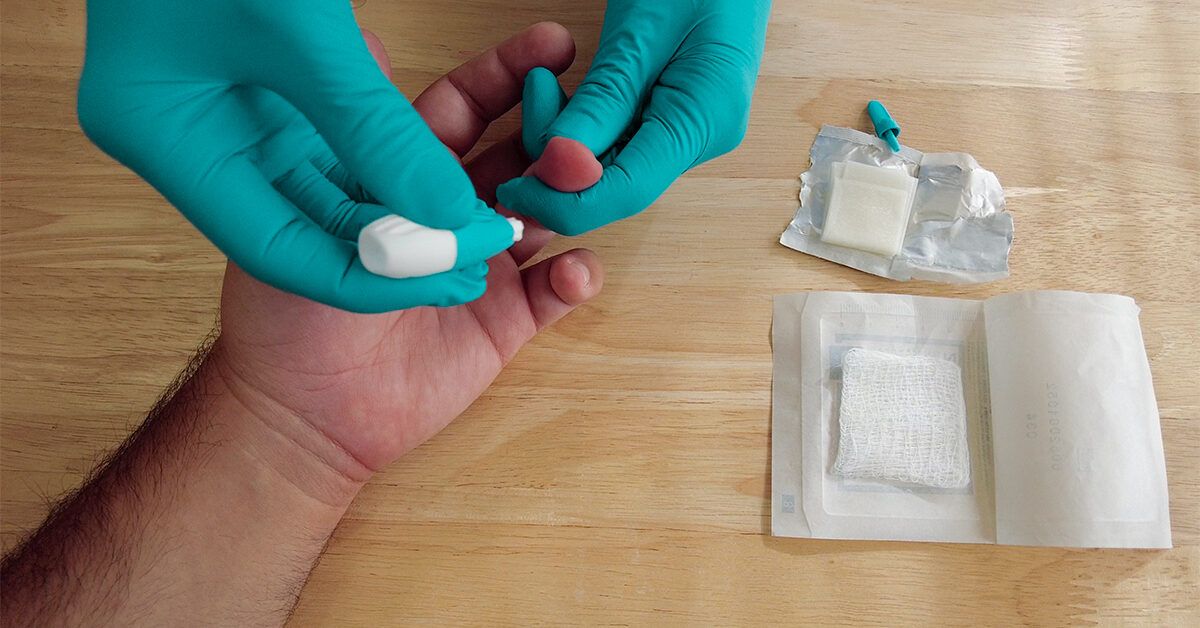
Most at-home heavy metal tests fall into a few categories. Some use a finger-prick blood sample. Others rely on urine collected at home and mailed to a lab. Some ask for hair or nail samples. A few are sold as broad “toxic metals” panels that sound very impressive until you realize they combine different metals, different exposure windows, and different interpretations into one neat little bundle.
That is the first big issue: heavy metals do not behave the same way in the body. Lead, arsenic, and mercury each have different preferred testing methods depending on timing and exposure type. In plain English, your body does not keep every metal in the same place, for the same length of time, or in the same form. So a kit that treats every metal like it plays by the same rules is already starting the game with a broken scoreboard.
There is also a practical problem. When you test at home, sample collection matters a lot. A contaminated container, poor timing, the wrong collection method, or even what you ate recently can shift the result. Translation: your “answer” may sometimes be partly you and partly your sushi dinner.
Why People Buy These Kits in the First Place
To be fair, there are good reasons people reach for an at-home heavy metal test. Maybe they live in an older home and worry about lead. Maybe they have a job or hobby involving batteries, welding, ceramics, pigments, or metal dust. Maybe they take imported supplements and wonder what exactly is sharing the capsule with the turmeric. Maybe they eat a lot of seafood and have heard one too many mercury headlines. Or maybe they have vague symptoms like fatigue, headaches, stomach issues, or brain fog and want to rule out a hidden exposure.
That impulse makes sense. At-home testing feels proactive. It gives people a way to do something while they sort out whether their concern is minor, urgent, or somewhere in the messy middle. In that role, a well-chosen kit can be helpful. It can push someone to investigate a real risk rather than brushing it off for six more months while saying, “I’m sure it’s fine,” in the universal language of denial.
Still, usefulness is not the same thing as completeness. Screening is a starting point. Diagnosis is a different sport entirely.
Where At-Home Heavy Metal Tests Can Actually Help
1. They can flag a problem worth following up
A decent mail-in test can sometimes identify an elevated result that deserves medical confirmation. That is the best-case scenario. The kit does not solve the whole mystery, but it points you in the right direction. Think of it as a smoke alarm, not the fire department.
2. They can be convenient for adults with a clear exposure question
If an adult has a specific concern such as frequent exposure at work, a known environmental source, or a recent event that raised suspicion, a properly chosen home kit may offer a practical first look. Convenience matters. People are more likely to test if the process is easy, private, and not buried under three weeks of scheduling chaos.
3. They can help start a better conversation with a clinician
Sometimes the biggest value of a home test is not the number itself. It is the fact that the number gets someone to stop guessing and start talking with a doctor, occupational medicine specialist, or public health department. A result can provide a reason to move from anxiety to action.
4. They may be useful when the sample type matches the concern
This is crucial. If the test method fits the suspected exposure, the result is much more likely to be meaningful. For example, lead concerns are usually best handled with blood testing. Recent arsenic exposure is often better assessed with urine, especially when the result is interpreted correctly. Mercury is trickier because the best test may vary depending on whether the exposure is from certain fish, elemental mercury, or another source.
Where These Kits Fall Short
No single kit tells the whole story
A panel can look comprehensive without actually being clinically useful. One test may be better for recent exposure, another for ongoing exposure, and another may simply be poor for the question you care about. A broad “heavy metals” package sounds efficient, but toxicology is not a buffet where one plate covers everything.
Hair tests are especially easy to oversell
Hair analysis is probably the most polarizing corner of this market. It sounds elegant: just snip a little hair, send it in, and receive a dramatic chart with colored bars and enough jargon to make your printer feel important. The problem is that hair testing is not a reliable catch-all method for diagnosing nonspecific symptoms or proving a mystery illness caused by “toxins.” Hair can pick up external contamination, and interpretation may vary wildly. In some limited situations, hair can be informative, but it should not be treated like an all-purpose medical verdict.
Results can be technically real but clinically misleading
This is where people get tripped up. A lab may accurately measure something, yet the number may not mean what the customer thinks it means. For instance, total urine arsenic can look elevated after recent seafood intake because seafood may contain organic arsenic forms that are far less concerning than inorganic arsenic. So yes, your result may be “high,” but no, that does not automatically mean you are being poisoned by your kitchen faucet.
Home collection increases room for error
With metals testing, sample handling is not a tiny detail. It is the detail. Some tests require trace-element tubes or metal-free containers. Timing matters. Food restrictions may matter. Collection instructions matter. This is not the kind of situation where “close enough” deserves a participation trophy.
They can create false reassurance
A normal-looking home test may calm someone down when the real issue has not been properly assessed. That is particularly important for children with potential lead exposure. If a child is at risk, a proper blood lead test and follow-up guidance matter much more than a generic wellness panel ordered in a moment of internet-fueled panic.
They can also create false alarms
On the other side, an abnormal result can launch an expensive and stressful chain reaction: repeat testing, unnecessary supplements, questionable detox programs, and dramatic declarations that the blender is cursed. A confusing result is not harmless if it pushes people toward bad treatment decisions.
The Metals Matter: Why One Size Does Not Fit All
Lead
Lead is the easiest place to be direct: if lead is your real concern, a blood lead test is the standard that matters. This is especially true for children, who may have no obvious symptoms even when exposure is significant. If you live in an older home, are renovating, or suspect contaminated dust, paint, soil, or water, testing the environment can be just as important as testing the body. A home mail-in kit may point you somewhere, but it should not replace appropriate blood testing when the concern is serious.
Arsenic
Arsenic is the metal most likely to humble people who expected a simple answer. Urine testing is often the preferred option for recent exposure, but recent seafood intake can distort total arsenic results. That means the timing of the test, the type of arsenic measured, and whether speciation is performed can change the meaning of the result dramatically. In this area, interpretation is everything.
Mercury
Mercury is a shape-shifter in testing terms. Blood, urine, hair, and even nails may all show something, but the best choice depends on the kind of mercury and when the exposure happened. That is why a generic at-home mercury test may be helpful in a narrow situation yet frustrating in a broad one. A number without context is just a number wearing a lab coat.
Cadmium and other metals
Cadmium and other metals may show up in broader panels, especially when occupational or environmental exposure is suspected. Again, the value of the result depends on the exposure story. Random testing without a good reason often produces more questions than answers.
How to Tell Whether a Kit Is Worth Your Money
If you are considering an at-home heavy metal test, do not be seduced by glossy branding alone. Look for signs that the company explains which sample is used, why that sample fits the metal being tested, how the sample should be collected, and what follow-up is recommended if results are elevated.
A better kit will be transparent about limitations. It will not promise to explain every vague symptom you have ever had since middle school. It will not leap straight from “result outside reference range” to “you need detox products immediately.” And it will not pretend a hair sample can decode your entire environmental history like a tiny forensic novel.
It is also smart to ask whether the test is processed by a reputable clinical lab and whether the company clearly distinguishes screening from diagnosis. A trustworthy service should encourage confirmation and medical interpretation when results are abnormal, not act like a checkout page is a treatment plan.
So, Are At-Home Heavy Metal Tests Worth It?
Sometimes, yes. They can be worth it when you have a specific concern, choose a test that matches the exposure question, and treat the result as a first step rather than a final answer.
Sometimes, absolutely not. They are not worth it when the kit uses the wrong sample type, oversells hair analysis, ignores common confounders, or markets itself as a shortcut to a diagnosis for every mysterious symptom under the sun.
The most accurate answer is this: at-home heavy metal tests are worth it for screening, not for certainty. Their best use is helping you decide whether to get proper confirmatory testing, environmental investigation, or medical guidance. Their worst use is turning a complicated toxicology question into a simplistic online shopping decision.
Final Takeaway
If your goal is peace of mind, be careful. Some kits provide it honestly; others manufacture it by oversimplifying science. If your goal is a medically meaningful answer, the best path is usually a targeted test chosen for the specific metal and interpreted in the context of symptoms, exposure history, diet, age, and environment.
In other words, at-home heavy metal tests can be useful tools, but they are not courtroom judges. They do not hand down the final verdict. They offer clues. And with something as nuanced as metal exposure, clues are only helpful when the next step is smarter than the panic that came before them.
Experiences People Commonly Have With At-Home Heavy Metal Tests
One of the most common experiences starts with a perfectly reasonable suspicion and ends with a surprisingly unhelpful result. Someone buys a kit after reading about heavy metals in water bottles, cookware, supplements, or seafood. The test arrives, they collect the sample, and a week later they get a report that looks very official. There are colored bars, percentages, and at least one word that sounds like it belongs in a spaceship manual. The customer expects certainty. Instead, they get a result labeled “borderline high” with no clear explanation of whether that means danger, noise, or “please buy our premium consultation package.”
Another frequent experience happens when a person tests after a stretch of unusual eating or supplement use. Maybe they were on a seafood kick, trying a stack of imported herbal products, or drinking from an old well during a trip. The result comes back elevated, and anxiety goes through the roof. Then a doctor reviews the history and explains that the number may reflect recent intake, the wrong testing window, or a form of the metal that needs more specific interpretation. The person is relieved, but also slightly annoyed that the kit managed to be both expensive and emotionally dramatic.
Parents often have a different experience, especially when lead is the concern. They may buy a home test because an old house, renovation dust, or peeling paint suddenly feels a lot less charming than it did on move-in day. In many cases, the biggest lesson is that consumer kits are not the ideal place to settle that worry. Families often end up needing a proper blood lead test, guidance from a pediatric clinician, and sometimes environmental follow-up. What they wanted was a quick yes-or-no answer. What they learn is that child lead concerns deserve the real medical version, not the convenience-store version of toxicology.
Then there is the wellness-culture experience, which deserves its own category. Someone has fatigue, brain fog, stomach issues, or vague symptoms that could fit twelve different causes and one bad sleep schedule. They order a hair-based heavy metal panel because it promises insights, balance, and perhaps spiritual closure. The report returns with several abnormalities and a strong suggestion that “detox support” may help. Later, a more conventional evaluation finds something less exotic but more useful, such as anemia, stress, medication side effects, thyroid issues, or a completely unrelated digestive problem. The person is left with a lighter wallet and a new respect for context.
Finally, some people have a genuinely useful experience. They had a specific concern, used a test that matched that concern, followed collection instructions carefully, and treated the result as preliminary. The kit did not solve everything, but it helped them move quickly toward proper follow-up. That is the ideal role for at-home heavy metal testing. It works best when it prompts smart next steps, not when it tries to become doctor, detective, and life coach all at once.
Conclusion
At-home heavy metal tests live in the space between modern convenience and old-fashioned overconfidence. The good ones can help you screen for a real issue and start a useful conversation. The bad ones confuse sample types, oversell interpretation, and act like every strange symptom is proof your body has been secretly collecting elements from the periodic table.
So before you buy, ask one simple question: will this test answer the problem I actually have? If the answer is yes, it may be worth it. If the answer is “sort of, maybe, depending on the moon phase and what I ate on Tuesday,” save your money and get a better test plan.