

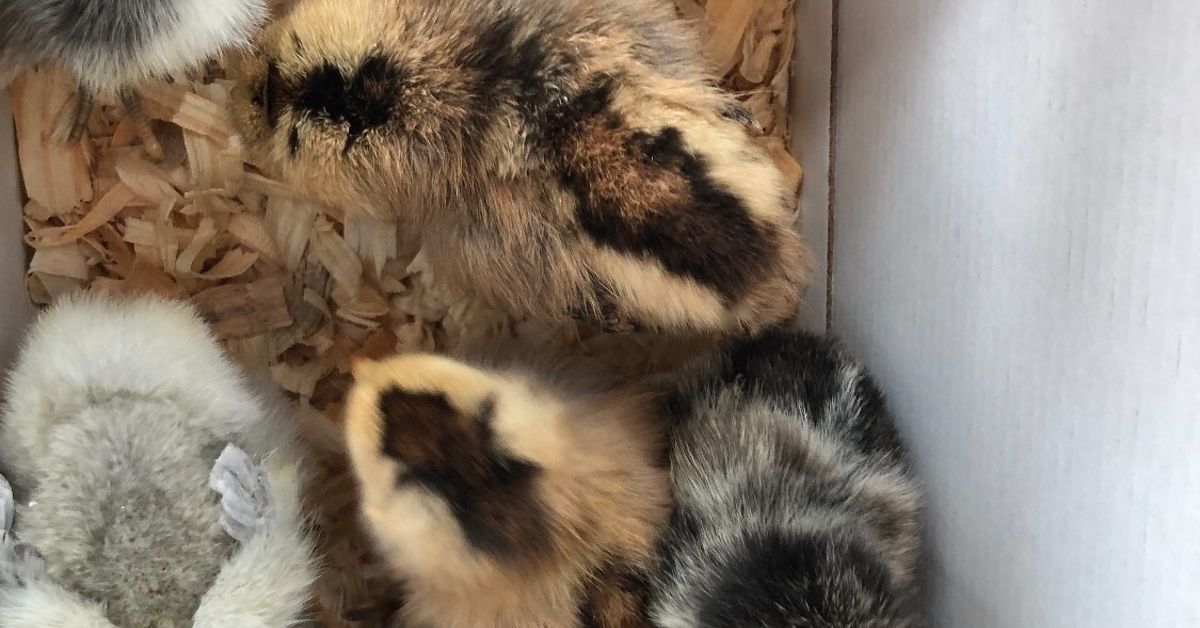
Turning a dog crate into a baby chick brooder is one of those homestead ideas that feels almost suspiciously practical. You look at an unused crate in the garage, then at a box of chirping fluffballs, and suddenly the crate has a new career path. With a few smart upgrades, a repurposed dog crate can become a safe, well-ventilated, easy-to-clean chick brooder that helps young birds stay warm, dry, fed, and protected during their first delicate weeks of life.
The key phrase, however, is “smart upgrades.” A dog crate is not automatically a brooder just because baby chicks fit inside it. Chicks are tiny escape artists with the decision-making skills of popcorn. They need reliable heat, draft protection, secure walls, dry bedding, clean water, starter feed, and enough room to move away from warmth when they get too hot. Done well, a dog crate brooder can save money, reduce waste, and make chick care easier. Done poorly, it can become a chilly wire box with bedding confetti everywhere and chicks staging a jailbreak before breakfast.
What Is a Baby Chick Brooder?
A baby chick brooder is a warm, contained space that replaces the protection a mother hen would normally provide. Newly hatched chicks cannot regulate body temperature well, so the brooder must provide a warm zone, a cooler zone, food, water, clean bedding, and safety from pets, drafts, dampness, and curious children who think “just one more cuddle” is a legal poultry-care strategy.
Most backyard chicken keepers use cardboard boxes, stock tanks, plastic totes, wooden pens, or commercial brooders. A repurposed dog crate sits nicely between DIY and ready-made. It already has airflow, a door, a sturdy frame, and portability. The challenge is modifying the open wire sides so chicks cannot squeeze out, bedding cannot spray across the room, and drafts cannot sweep through like a tiny feathered wind tunnel.
Why Use a Repurposed Dog Crate as a Chick Brooder?
A dog crate brooder works especially well for small backyard flocks. If you are raising six to twelve chicks, a medium or large crate may be enough during the earliest stage. For more chicks, or for fast-growing breeds, an extra-large crate or connected brooder setup is better. The biggest benefit is structure: unlike a cardboard box, a crate does not collapse, sag, or mysteriously absorb every smell known to agriculture.
Benefits of a Dog Crate Brooder
- Good ventilation: Wire sides allow fresh air to circulate, helping reduce moisture and ammonia buildup.
- Easy access: The crate door makes feeding, watering, and health checks simple.
- Reusable design: After the chicks move out, the crate can be cleaned, stored, or returned to pet duty if properly sanitized.
- Predator and pet resistance: A crate is sturdier than a cardboard box, especially in homes with cats, dogs, or toddlers with big investigative energy.
- Flexible placement: It can be set up in a garage, mudroom, barn, shed, or protected indoor space.
The downside is that a dog crate has gaps. Baby chicks can slip through surprisingly small spaces, especially bantams or newly hatched chicks. That means the crate must be lined securely before the birds arrive. Think of the wire crate as the frame, not the finished brooder.
Choosing the Right Dog Crate
Before you start cutting cardboard and zip-tying hardware cloth like a caffeinated farm engineer, choose the right crate. A wire folding dog crate is usually best because it provides structure, airflow, and visibility. Plastic airline-style crates can work for short periods, but they may offer less room and less convenient heat-source placement.
Size Matters More Than You Think
Chicks grow quickly. One day they are marshmallows with legs; a week later, they are awkward little dinosaurs practicing wing-assisted chaos. For the first few weeks, plan for at least about one-half square foot of floor space per chick when possible, and increase space as they grow. More room helps chicks move naturally, avoid crowding, and escape excess heat.
For a small starter flock of six chicks, a crate around 36 inches long may work briefly. For ten to twelve chicks, an extra-large crate is more comfortable. If the birds are meat breeds, large dual-purpose breeds, or you plan to keep them inside the brooder longer, go bigger. When in doubt, choose more space. Chicks rarely complain about extra room, though they may still poop in the waterer just to keep everyone humble.
Supplies Needed for a Dog Crate Chick Brooder
A safe repurposed dog crate brooder does not require fancy tools, but it does require thoughtful materials. The goal is to create a warm, dry, draft-free, escape-proof chick zone.
- Wire dog crate, preferably medium to extra-large
- Hardware cloth, cardboard, plastic panels, or washable brooder panels for lining
- Zip ties, binder clips, or safe fasteners
- Pine shavings or another chick-safe bedding
- Chick feeder
- Shallow chick waterer
- Heat plate or properly secured heat lamp
- Thermometer for monitoring brooder temperature
- Paper towels for the first day or two, if desired
- Electrolytes or poultry vitamins, if recommended by your hatchery or veterinarian
- Small roost practice bar after the first couple of weeks, optional
How to Convert a Dog Crate Into a Baby Chick Brooder
Step 1: Clean and Disinfect the Crate
Start with a clean crate. Remove old bedding, fur, dust, food residue, and mystery crumbs from a former dog tenant. Wash the tray and wire frame with warm soapy water, rinse well, and allow everything to dry completely. If you disinfect, use a poultry-safe disinfectant and follow label directions. Chicks are sensitive, so avoid leaving chemical residue behind.
Step 2: Line the Lower Walls
The lower 10 to 12 inches of the crate should be lined to stop drafts, prevent escapes, and keep bedding inside. Cardboard is cheap and easy, but it gets damp and must be replaced. Corrugated plastic is sturdier and washable. Hardware cloth is useful for covering gaps, but it does not block drafts or bedding scatter unless paired with another barrier.
Secure the liner outside or inside the crate with zip ties or clips. Make sure there are no sharp wire ends, loose strings, staples, or tape edges where chicks can peck. Chicks investigate the world with their beaks, which means anything loose becomes “science.”
Step 3: Add Safe Bedding
Use absorbent bedding such as pine shavings. Avoid cedar shavings because the aromatic oils can irritate birds. Avoid slick newspaper as the only flooring because it can contribute to leg problems when chicks cannot get proper traction. For the first day or two, some keepers place paper towels over bedding so chicks learn what feed looks like and do not immediately treat shavings as a buffet.
A bedding depth of about one to two inches usually works well in a small brooder. Keep it dry. Damp bedding chills chicks, smells bad, and increases health risks. If bedding clumps, cakes, or smells sharp, remove the wet area and refresh it.
Step 4: Create Warm and Cool Zones
A brooder should never be the same temperature everywhere. Chicks need a warm area and a cooler area so they can choose comfort. Place the heat source at one end of the crate rather than directly in the center. Food and water should be close enough for easy access but not so close that they overheat or get filled with bedding from the daily chick rodeo.
For newly hatched chicks, the warm zone is commonly started around 90 to 95 degrees Fahrenheit at chick level, then reduced by about 5 degrees each week as the birds feather out. A thermometer is helpful, but chick behavior is even more revealing. If they pile tightly under the heat and chirp loudly, they are cold. If they avoid the heat and pant, they are too warm. If they are scattered, eating, drinking, sleeping, and softly peeping, congratulations: you have achieved poultry peace, at least until someone steps in the feeder.
Heat Plate vs. Heat Lamp for a Dog Crate Brooder
Heat is the most important and most debated part of brooder setup. A heat plate is often the safer and more natural option for a dog crate brooder. It gives chicks a warm surface to tuck under, similar to a hen. It also reduces the fire risk associated with high-wattage heat lamps. Heat plates work best when the surrounding room is not extremely cold, and they must be adjusted as chicks grow.
A heat lamp can work, but it must be secured with extreme care. Never rely only on the clamp that comes with the lamp. Use chains, hooks, and backup fasteners. Keep the lamp away from bedding, cardboard, plastic liners, curtains, shelves, and anything flammable. A 250-watt bulb over dry pine shavings is not something to treat casually. It is less “cozy farm charm” and more “tiny sun with legal liability.”
Heat Safety Checklist
- Use a heat plate when possible, especially in indoor or garage brooders.
- If using a lamp, secure it with two independent supports.
- Keep cords away from chicks, pets, waterers, and foot traffic.
- Do not let the bulb touch the crate, liner, bedding, or any cover.
- Check temperature at chick height, not adult eye level.
- Provide enough room for chicks to leave the warm zone.
- Inspect the setup daily for dust, loose hardware, and shifting equipment.
Food and Water Setup
Baby chicks should have clean water and chick starter feed available at all times. Use a shallow chick waterer rather than an open bowl. Open bowls invite drowning, wet bedding, and the kind of mess that makes you question every life decision leading to chicken ownership. If the waterer base seems too deep for tiny chicks, clean marbles or small stones can help reduce drowning risk while still allowing access to water.
Use commercial chick starter feed for the first several weeks. Starter feed is formulated with higher protein levels to support fast growth, feather development, and early immune strength. Do not feed layer ration to baby chicks; layer feed contains calcium levels intended for laying hens, not growing chicks.
Feeder Placement Tips
Place the feeder away from the waterer to reduce soggy feed. Raise both slightly as chicks grow, keeping them around back height to reduce scratching bedding into everything. During the first day, sprinkling a small amount of starter feed on a paper towel can help chicks find food quickly. Once they understand the feeder, remove excess loose feed so it does not spoil or get buried.
Keeping the Brooder Clean
Cleanliness is not glamorous, but it is the difference between a healthy brooder and a smelly little barn tornado. Spot-clean wet bedding daily. Wash the waterer often, because chicks seem born with a sacred mission to fill it with shavings. Replace bedding as needed, usually more often as chicks grow.
Good ventilation matters, but avoid direct drafts. A crate in a windy garage doorway or under an air vent can chill chicks even when a heat source is present. Place the brooder in a protected area with stable temperature. If using cardboard as a liner, check for damp spots and replace panels before they soften or grow mold.
Health and Safety Considerations
Check chicks several times a day during the first week. Look for active movement, clear eyes, clean vents, steady eating, and normal posture. One common early issue is pasty butt, where droppings stick around the vent and block waste. This can become serious quickly, so inspect chicks daily and gently clean any buildup with warm water and a soft cloth or cotton swab.
Wash your hands after handling chicks, bedding, feeders, waterers, or anything in the brooder area. Backyard poultry can carry germs even when they look healthy. Keep brooder supplies away from kitchen counters, dining tables, and bathroom sinks. The chicks may be adorable, but they are still livestock, not living room confetti with beaks.
Common Mistakes When Using a Dog Crate Brooder
Mistake 1: Leaving Gaps Uncovered
New chicks can squeeze through wide crate bars. Cover the lower sides with hardware cloth, cardboard, or panels before adding chicks. Test every corner, door seam, and tray gap. If a chick can fit its head through, assume the rest of the chick will eventually attempt negotiations.
Mistake 2: Heating the Whole Crate
A brooder should have temperature choice. Heating the entire crate removes the chicks’ ability to self-regulate. Always provide a cooler side.
Mistake 3: Using the Wrong Bedding
Slick floors, cedar shavings, dusty materials, and damp bedding can create health problems. Choose absorbent, chick-safe bedding and keep it dry.
Mistake 4: Overcrowding
Overcrowding leads to stress, pecking, dirty bedding, and poor growth. Chicks need more room each week. If they are constantly stepping on one another or sleeping in piles away from the heat source, expand the brooder.
Mistake 5: Ignoring Pets
A dog crate may look secure, but a determined cat or excited dog can still frighten chicks or knock equipment loose. Keep the brooder in a room where household pets cannot harass it. A crate is a barrier, not a babysitter.
When Are Chicks Ready to Leave the Brooder?
Most chicks are ready to transition out of the brooder when they are fully feathered, the outdoor conditions are suitable, and the coop is secure. This often happens around six weeks, but timing depends on breed, weather, health, and housing. If nights are cold, chicks may need supplemental heat longer. If they are feathered, active, and the weather is mild, they may transition sooner with careful supervision.
Before moving chicks to the coop, make sure the coop is predator-proof, dry, draft-protected, and equipped with appropriate feed and water. Gradual acclimation helps. Some keepers move the dog crate into the coop for a few days so chicks can see older birds without direct contact. This “look but don’t peck” method can make flock integration smoother.
Practical Example: A Simple Dog Crate Brooder Layout
Imagine an extra-large wire dog crate placed in a garage away from drafts. The bottom tray is scrubbed clean. The lower walls are lined with corrugated plastic panels attached by zip ties. A two-inch layer of pine shavings covers the floor. A heat plate sits at the left end, adjusted low enough for chicks to touch with their backs. A feeder sits near the middle, and a shallow waterer sits on a small, stable platform on the cooler side. A thermometer rests at chick level near the warm zone. The top of the crate remains mostly open for airflow, with no blanket draped over the heat source.
This layout gives chicks choices. Cold chicks can duck under the heat plate. Warm chicks can wander away. Hungry chicks can eat without standing directly under heat. Thirsty chicks can drink without turning the bedding into soup. The caretaker can open the door, refresh supplies, inspect birds, and clean the tray without dismantling the whole setup.
of Real-World Experience: What a Dog Crate Brooder Teaches You Fast
The first lesson of using a repurposed dog crate as a baby chick brooder is that chicks are tiny but not low-impact. They scratch, hop, flap, nap suddenly, wake dramatically, and treat fresh bedding like a construction project. A crate brooder makes all of that easier to observe because you can see through the sides. That visibility is more useful than many beginners expect. You learn quickly whether the chicks are comfortable by watching where they gather. A quiet, evenly spread group is a good sign. A loud pileup under the heat means they need more warmth. Chicks pressed far away from the heat source are telling you the brooder is too hot.
The second lesson is that bedding control matters. The first time chicks discover their feet, they begin kicking shavings into the feeder, the waterer, and possibly the next county. Lining the lower part of the crate is not optional unless you enjoy sweeping every 40 minutes. A solid liner also helps reduce drafts. Even in a warm room, low drafts can chill chicks at floor level. Cardboard works in a pinch, but washable panels are better if you plan to brood chicks more than once.
The third lesson is that water placement can make or break your cleaning routine. Put the waterer directly on loose bedding and it will become a swampy donut of wet shavings. Place it on a small platform, tile, brick, or shallow tray, and cleanup becomes much easier. The waterer should still be low enough for chicks to reach comfortably. As they grow, raising it slightly helps keep bedding out. This one small adjustment can save a surprising amount of time and reduce odor.
The fourth lesson is that chicks grow faster than your emotional readiness. A crate that looks enormous on day one may look like a crowded airport terminal by week three. Watch behavior and feather growth, not just age. If chicks are bumping into each other, perching on the feeder, or launching themselves against the crate door, they need more space or a transition plan. Connecting a second crate or moving to a larger pen can prevent stress.
The fifth lesson is that heat plates are wonderfully calm compared with lamps. Chicks sleep naturally in darkness, tuck under the plate when needed, and come out to eat and drink. Heat lamps can work, but they require serious caution, especially around bedding and cardboard. If a lamp is used, securing it with backup supports is not overreacting; it is responsible brooder management.
Finally, a dog crate brooder teaches you to prepare before chicks arrive. Set up heat, bedding, water, feed, and liners at least a day ahead. Test temperatures. Check for gaps. Make sure supplies are reachable. Once the chicks arrive, you want to focus on their behavior, not frantically searching for zip ties while a chick named Nugget attempts to squeeze through the door seam. A well-prepared dog crate brooder is simple, sturdy, and practical. It may not look like a glossy catalog setup, but if the chicks are warm, clean, active, and safe, it is doing its job beautifully.
Conclusion
A baby chick brooder made from a repurposed dog crate is a smart DIY solution for backyard chicken keepers who want a sturdy, reusable, and budget-friendly setup. The crate provides structure and airflow, while liners, bedding, a safe heat source, clean water, and chick starter feed turn it into a true brooder. The most important details are temperature control, draft prevention, escape-proofing, fire safety, and cleanliness.
Think of the dog crate as the bones of the brooder. Your job is to add the comfort, warmth, and chick-proofing. With the right setup, your chicks can grow from fragile fluffballs into strong young birds without turning your home into a pine-shaving snow globe. And when they finally move to the coop, you will have earned the quiet satisfaction of knowing that an old dog crate got a second life as a tiny poultry nursery.
Note: This article is for educational backyard poultry care. Always follow local regulations, hatchery instructions, veterinarian guidance, and fire-safety precautions when raising chicks.