

Note: This article is original, web-ready content synthesized from reputable U.S. outdoor living, fire-safety, landscape design, water-wise gardening, and home improvement guidance.
Introduction: Build a Backyard Worthy of the Tongs
A true grill master does not simply “cook outside.” A true grill master commands a backyard kingdom where smoke curls like a victory flag, guests gather before the burgers are even flipped, and every tool has a home that is not “somewhere under the patio chair.” If your current grilling setup involves a lonely grill, a wobbly side table, and a heroic amount of improvisation, it may be time to rethink your outdoor space.
The best backyard landscaping ideas for a grill master blend beauty, safety, comfort, and serious cooking function. Think of your backyard as an outdoor kitchen, dining room, lounge, and entertainment zone all rolled into one. The secret is not necessarily spending a fortune. It is designing a layout that supports how you actually cook, serve, clean, and relax.
Whether you want a built-in BBQ island, a cozy patio grilling station, a fire pit lounge, or a full outdoor kitchen with a sink, prep counter, lighting, and herb garden, the goal is simple: make the space work as hard as your smoker on brisket day. Below are practical, stylish, and grill-master-approved ideas to turn your yard into the place everyone mysteriously “just happens to stop by” around dinner.
Start With the Grill Zone: Your Backyard Command Center
Choose the Right Location for Safety and Flow
The grill should be the star of the backyard, but not the kind of star that sets the curtains on fire. Place your grill in an open, well-ventilated area away from siding, deck railings, overhanging branches, dry plants, and roof eaves. A solid, level, nonflammable surface such as concrete, pavers, stone, or brick is ideal.
Good grill placement also improves workflow. Keep the cooking area close enough to the house for easy trips to the kitchen, but not so close that smoke floats directly into open windows. If possible, position the grill where the cook can face guests instead of staring at a fence like a burger-flipping philosopher.
Create a Dedicated Grilling Station
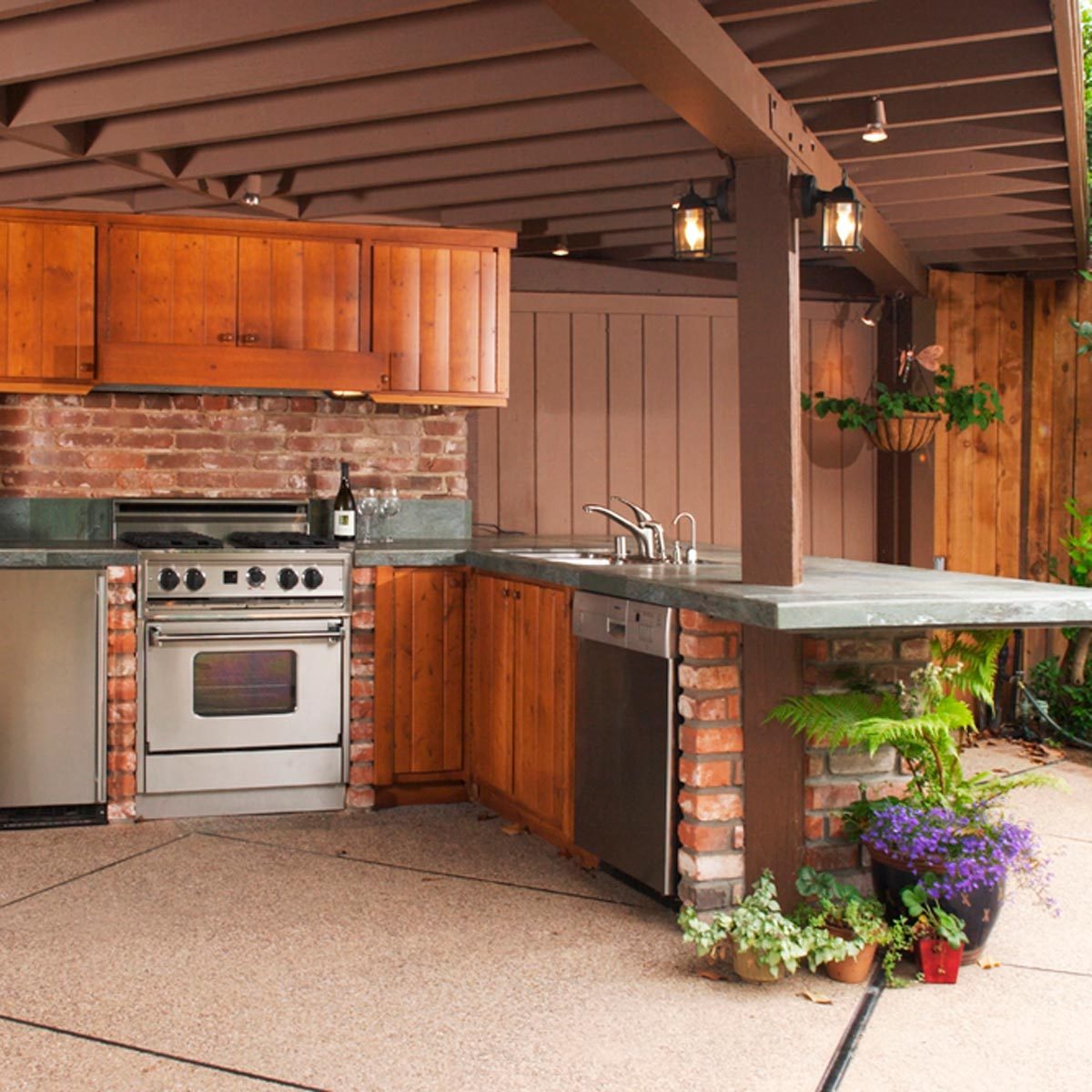
A dedicated grilling station is one of the smartest backyard landscaping upgrades because it organizes the entire cooking process. Even a small setup can include a grill, prep shelf, storage cabinet, trash bin, and heat-resistant counter. For larger yards, consider an L-shaped or U-shaped outdoor kitchen that gives you separate zones for prepping, cooking, plating, and serving.
Materials matter. Stainless steel, sealed concrete, natural stone, porcelain tile, brick, and weather-resistant cabinetry can handle outdoor conditions better than indoor furniture dragged outside and asked politely to survive the weather. If your budget is modest, a rolling grill cart with hooks, shelves, and a cutting board top can still make you feel like the CEO of ribs.
Design the Perfect Outdoor Kitchen Layout
Build Around the Cooking Triangle
Indoor kitchens often rely on a work triangle between the stove, sink, and refrigerator. A grill master’s outdoor version might connect the grill, prep counter, and serving zone. If you add a sink or outdoor refrigerator, place them within easy reach but not directly in the hottest cooking path.
A practical layout prevents the cook from sprinting across the patio with raw chicken in one hand and barbecue sauce in the other. Keep tools, spices, fuel, cutting boards, and serving trays close to the grill. The fewer steps you take, the more attention you can give to the steakand the fewer chances your guests have to ask, “Is it done yet?” every 90 seconds.
Add Counter Space on Both Sides of the Grill
Counter space is the unsung hero of outdoor cooking. You need room for raw ingredients, clean platters, sauces, thermometers, foil, tongs, and that one friend who keeps placing their drink exactly where the hot tray needs to go. Ideally, include landing space on both sides of the grill: one side for uncooked food and prep, the other for finished food.
If you are working with a small backyard, use fold-down counters, a narrow bar ledge, or a mobile prep cart. If you have more room, a stone or concrete countertop can create a durable, polished grilling station that looks intentional rather than “assembled five minutes before the party.”
Use Hardscaping to Define the Grill Master’s Territory
Install a Patio That Can Handle Heat and Traffic
A grill master’s backyard needs a surface that can stand up to foot traffic, dropped utensils, rolling coolers, and the occasional sauce incident. Paver patios, flagstone, brick, stamped concrete, and porcelain outdoor tile are popular options because they are durable and visually attractive.
When planning a patio, think beyond the grill footprint. Leave enough space for the cook to move comfortably, open grill lids, access storage, and pass behind seated guests. A cramped patio can turn a relaxing cookout into an obstacle course sponsored by lawn chairs.
Plan Drainage Before You Build
Drainage may not sound exciting, but neither is standing in a puddle while trying to smoke ribs. Patios and walkways should slope gently away from the house and toward lawn, gravel, planting beds, or drainage features. Permeable pavers, gravel borders, dry creek beds, and rain gardens can help manage runoff while adding texture to the landscape.
If your yard has low spots, heavy clay soil, or water pooling near the house, solve those issues before installing an expensive outdoor kitchen. Water problems do not improve after you cover them with beautiful stone; they just become better-dressed water problems.
Add Seating That Keeps Guests Close but Not in the Smoke
Create a “Chef’s Audience” Zone
Grilling is part cooking, part theater. Guests love to gather near the action, but they should not be so close that they block the grill, breathe smoke, or get drafted into emergency onion-chopping duty. Create a seating zone close enough for conversation but offset from the main cooking path.
A bar-height counter with stools is perfect for casual chatting while the grill master works. For a larger yard, add an outdoor dining table nearby and a separate lounge area farther away. This gives guests choices: watch the cooking, sit down for dinner, or retreat to the comfy chairs when the grill master begins explaining smoke ring science.
Use Built-In Benches for Small Backyards
Built-in seating is a brilliant landscaping idea for compact spaces. Benches along a fence, retaining wall, or patio edge save room and make the area feel custom. Add weather-resistant cushions, hidden storage beneath the seats, and a small side table for drinks.
For a cohesive look, match bench materials with your patio or grill island. Stone benches pair nicely with rustic outdoor kitchens, while wood or composite seating works well in modern and farmhouse-style backyards.
Install Shade Without Smoking Out the Party
Use Pergolas, Pavilions, and Umbrellas Wisely
Shade makes a backyard more comfortable, especially during long summer cookouts. Pergolas, pavilions, shade sails, umbrellas, and covered dining areas can protect guests from intense sun and light rain. However, the grill itself needs proper ventilation and safe clearance from combustible materials.
If you build a covered outdoor kitchen, choose noncombustible finishes near the grill and consider ventilation, especially for built-in appliances. For many homeowners, the best solution is to shade the prep, dining, and lounge zones while keeping the grill in an open-air section designed for safe cooking.
Plant Trees for Long-Term Comfort
Trees bring shade, privacy, beauty, and a cooler microclimate to the backyard. Choose species suited to your region and mature size, and avoid planting directly over the grill where leaves, branches, and sap can become an ongoing nuisance. A well-placed tree can shade the dining area in the afternoon without interfering with smoke and heat.
If you want faster results, combine young trees with a pergola or shade sail. Landscaping is a long game, but burgers are usually scheduled for this weekend.
Landscape With Plants That Work Around a Grill
Choose Low-Maintenance, Heat-Tolerant Plants
The best plants near a grilling area are attractive, resilient, and not overly messy. Ornamental grasses, compact shrubs, lavender, rosemary, salvia, yarrow, sedum, and native perennials can add color and texture without demanding constant attention. Native and climate-appropriate plants often need less water and maintenance once established.
Avoid placing dry, twiggy, or highly flammable plant material too close to the grill. Also think twice before planting thorny shrubs along narrow paths unless you want guests to remember your cookout for the wrong reasons.
Create an Edible Herb Garden Beside the Grill
An herb garden is a grill master’s secret weapon. Rosemary for lamb, basil for grilled tomatoes, cilantro for tacos, thyme for chicken, parsley for finishing plates, and mint for drinks can all grow in containers or raised beds near the cooking zone.
Keep herbs close enough to snip while cooking but far enough from direct heat. A tiered planter, wall-mounted herb rack, or narrow raised bed can turn a plain patio edge into a fragrant, useful feature. Bonus: fresh herbs make even simple grilled vegetables taste like you attended culinary school instead of watching three videos and hoping for the best.
Light the Backyard for Night Grilling
Layer Task, Ambient, and Accent Lighting
Good outdoor lighting is essential for evening cookouts. Start with task lighting over the grill and prep counters so you can see whether the chicken is golden brown or auditioning for a charcoal commercial. Add ambient lighting around dining and lounge areas with string lights, sconces, lanterns, or overhead fixtures.
Accent lighting can highlight trees, stone walls, pathways, and planting beds. Low-voltage LED lighting is energy efficient and works well for most landscape settings. Solar lights can help define paths, though they may not be bright enough for serious cooking tasks.
Make Pathways Safe and Inviting
Path lighting helps guests move safely from the house to the patio, fire pit, lawn, or side yard. Use fixtures that cast light downward to reduce glare. Steps, level changes, and edges near retaining walls deserve extra attention.
A well-lit backyard feels more finished and more usable. It also prevents the classic cookout move known as “tripping over the cooler while carrying potato salad.” Nobody wants that on the evening highlight reel.
Add Storage So the Grill Master Stays Organized
Include Weather-Resistant Cabinets and Drawers
Outdoor storage keeps tools, grill brushes, wood chips, gloves, skewers, foil, thermometers, and serving pieces where you actually need them. Stainless steel drawers, polymer cabinets, sealed masonry storage, and weatherproof deck boxes can all help reduce clutter.
Separate food-safe items from fuel, charcoal, cleaning products, and pest-prone materials. Use lidded containers for small accessories and label bins if you enjoy organizationor if you simply want to stop asking, “Where did I put the meat thermometer?” while the steaks continue living their truth.
Design a Fuel Station
If you use propane, charcoal, pellets, or wood chunks, plan a safe and convenient storage area. Keep fuel dry, protected, and away from direct cooking heat. For charcoal and pellets, a sealed metal bin can prevent moisture problems. For propane, follow local safety recommendations and never store tanks in enclosed living spaces.
A tidy fuel station makes your backyard look more polished and keeps the cooking process smooth. It also prevents the deeply tragic moment when the grill is hot, the guests are hungry, and the pellet hopper is emptier than your patience.
Build a Beverage and Serving Area
Add a Bar Ledge or Outdoor Island
A grill master should not have to abandon the cooking zone every time someone needs ice, napkins, or a place to set down a drink. A bar ledge, outdoor island, or serving buffet keeps traffic away from the hot grill and gives guests a natural gathering spot.
For small yards, mount a narrow counter along a fence or use a rolling cart. For larger spaces, install a bar island with stools, storage, and a cooler drawer. If plumbing is realistic, an outdoor sink makes cleanup easier and reduces trips inside.
Create a Buffet Flow
When designing a backyard for entertaining, think about how food moves from grill to plate. Place the serving area between the cooking zone and dining table so guests can serve themselves without crowding the grill. Use wide walkways and avoid placing buffet tables in narrow doorways or traffic bottlenecks.
A smart buffet flow is the difference between a smooth cookout and a backyard traffic jam where everyone is holding a paper plate and silently judging the potato salad placement.
Use Fire Features to Extend the Evening
Add a Fire Pit Lounge
A fire pit creates a natural after-dinner gathering spot. Once the grill cools down and dessert appears, guests can move to a lounge area with Adirondack chairs, outdoor sofas, or built-in seating. Choose a safe location away from structures, overhanging branches, and heavy foot traffic.
Gas fire pits offer convenience and cleaner operation, while wood-burning fire pits bring classic crackle and campfire charm. Check local rules before installing any fire feature, especially in areas with burn restrictions or wildfire concerns.
Separate Cooking Heat From Relaxing Heat
The grill and fire pit should not compete for space. Keep the cooking zone functional and the fire feature comfortable. A clear separation helps guests understand where to gather, where to eat, and where not to stand while the grill master performs delicate burger surgery.
Use landscaping cues such as paver borders, gravel circles, low walls, or planting beds to define each zone. This makes the backyard feel larger and more intentional.
Privacy Makes the Grill Zone Feel Like a Destination
Use Fences, Screens, and Plantings
Privacy turns a backyard from “visible to three neighbors and one very interested squirrel” into a true retreat. Fences, lattice panels, trellises, hedges, ornamental grasses, and layered shrubs can soften the view and reduce wind.
For grill areas, choose privacy materials that can tolerate heat and outdoor conditions. Metal screens, masonry walls, and well-spaced plantings are often better near cooking zones than flimsy fabric panels. If using climbing plants on a trellis, keep them away from open flames and hot grill surfaces.
Block Wind Without Blocking Ventilation
Wind can make grilling unpredictable, especially with charcoal, smokers, and lightweight patio accessories. A partial screen, hedge, or low wall can help calm the space. However, do not completely enclose the grill area. Outdoor cooking requires ventilation, and smoke needs somewhere to go besides directly into your guests’ faces.
Observe your yard before building. Notice where wind usually comes from, where smoke drifts, and where the afternoon sun lands. A little planning now prevents a lot of squinting, coughing, and patio umbrella chasing later.
Backyard Landscaping Ideas by Yard Size
Small Backyard Grill Master Setup
In a small backyard, every inch needs a job. Use a compact grill, fold-down prep shelf, vertical herb garden, wall-mounted tool hooks, and built-in bench seating. Choose light-colored pavers or decking to make the space feel open. A slim bar counter along the fence can double as serving space and casual dining.
Keep the design simple and avoid oversized furniture. A small backyard can still feel luxurious when the layout is efficient, lighting is warm, and the grill master has enough room to work without elbowing the basil.
Medium Backyard Entertainment Layout
A medium-size yard can support distinct zones: grilling station, dining patio, lounge area, and planting beds. An L-shaped outdoor kitchen works beautifully because it provides counter space without swallowing the yard. Add a pergola over the dining area, path lighting, and a mix of shrubs and perennials around the patio edges.
This layout is ideal for families who host weekend cookouts but do not need a restaurant-grade outdoor kitchen. You get function, comfort, and style without turning the backyard into a commercial smokehouse.
Large Backyard Outdoor Kitchen Retreat
A large backyard gives you room for a full outdoor kitchen with a built-in grill, smoker, sink, refrigerator, pizza oven, bar seating, dining pavilion, and fire pit lounge. Use walkways, retaining walls, planting beds, and lighting to connect the areas so the yard feels unified rather than scattered.
Large spaces benefit from repetition. Repeat materials such as stone, metal, wood, or paver colors throughout the yard. This creates harmony and prevents the landscape from looking like five different Pinterest boards got into an argument.
Practical Experience: Lessons From Real Grill-Friendly Backyards
After seeing how backyard grilling spaces actually get used, one lesson rises above the smoke: convenience beats showiness every time. A beautiful outdoor kitchen is wonderful, but if the trash bin is across the yard, the counter is too small, and the grill light does not reach the cooking surface, the space will frustrate the person doing the work. A grill master needs rhythm. Prep, season, cook, rest, slice, serve, cleaneach step should feel natural.
One of the most useful upgrades is a simple landing counter beside the grill. Many homeowners dream first about pizza ovens and beverage fridges, but the humble counter often changes everything. It gives you a place for a tray of raw vegetables, a platter for finished ribs, a bowl of sauce, or a thermometer. Without it, every cookout becomes a balancing act. And while balancing hot corn on a paper plate may build character, it is not a landscape design strategy.
Another real-world insight: guests always gather where the cook is. Even if you create a gorgeous seating area ten feet away, people drift toward the grill because food smells better than patio furniture looks. Plan for that. Add a few stools near the grill station, but keep them outside the hot zone. A bar ledge facing the cook works especially well because it lets people chat without blocking access to the grill.
Lighting is another feature people underestimate until the first evening cookout. Daytime grilling is forgiving. Night grilling requires precision. You need to see color, texture, and temperature cues. String lights are charming, but they are not enough for cooking. A focused grill light or overhead task fixture makes a major difference. Use softer lighting for the dining and lounge areas so the backyard feels relaxed, not like a grocery store parking lot.
Storage also deserves more respect. Grill tools are awkwardly shaped, gloves disappear, and small accessories multiply like patio rabbits. A weatherproof drawer or cabinet near the grill saves time and keeps the area looking clean. It also protects tools from rain, dust, and that mysterious outdoor grime that appears even when nobody admits touching anything.
For landscaping, the best grill-friendly yards often use plants as atmosphere rather than obstacles. Herbs near the grill are useful and beautiful. Ornamental grasses add movement. Low shrubs soften hardscape edges. Native flowering plants bring seasonal color and pollinators. But plants should not crowd walkways, brush against guests, or lean into the cooking zone. Give every plant enough space to mature, because cute little shrubs do not stay cute and little forever.
Finally, the most enjoyable grill master backyards are designed in layers. First comes safety: proper grill placement, stable surfaces, and clear circulation. Next comes function: counters, storage, lighting, and seating. Then comes personality: plants, colors, decor, fire features, and the little details that make the space feel like yours. Build in that order, and your backyard will not only look goodit will cook well, host well, and make every Saturday dinner feel like an event.
Conclusion: Design a Backyard That Works as Hard as Your Grill
The best backyard landscaping ideas for a grill master are not just about adding a grill island and calling it a day. They are about creating a complete outdoor experience. A safe cooking zone, durable patio, smart storage, comfortable seating, layered lighting, water-wise plants, shade, privacy, and smooth traffic flow all work together to make grilling easier and entertaining more enjoyable.
Start with your cooking habits. Do you smoke brisket for twelve hours, flip burgers for a crowd, make wood-fired pizza, or grill vegetables on weeknights? Your backyard should support your style. Add features in phases if needed: first the grill zone, then seating, lighting, plants, and storage. Over time, your yard can evolve into a polished outdoor kitchen retreat.
When done well, a grill-friendly backyard becomes more than a place to cook. It becomes the heart of outdoor livingthe spot where friends linger, family gathers, and the grill master gets to enjoy the finest title in suburban hospitality: “Person in Charge of Dinner.” Wear it proudly, preferably with an apron and a suspiciously serious pair of tongs.