

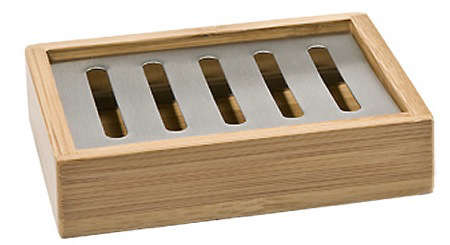
A bamboo soap dish may be one of the smallest upgrades you can make to a bathroom or kitchen, but it can dramatically improve the look of your countertop. It turns a sad, slippery bar of soap into something that looks intentional, organized, and mildly luxuriouslike your sink suddenly booked a weekend at a spa.
More importantly, a well-designed bamboo soap dish helps your bar soap dry between uses. That means less mush, less soap sludge, and fewer moments where you pick up your soap only to discover it has transformed into a soft little swamp creature.
In this guide, you will learn how to choose the best bamboo soap dish, why drainage matters more than fancy packaging, how to clean and maintain bamboo, and where this simple bathroom accessory works best. You will also find practical real-world experiences to help you avoid buying a beautiful soap holder that turns into a tiny wooden puddle collector.
Why Choose a Bamboo Soap Dish?
A bamboo soap dish is a small tray or holder designed to keep bar soap elevated above standing water. Most versions include slats, grooves, ridges, or drainage holes so excess water can flow away from the soap. The goal is simple: keep the soap dry enough to last longer and remain pleasant to use.
Bamboo is popular because it has a warm, natural appearance that works with many interior styles. It fits farmhouse bathrooms, minimalist kitchens, coastal-inspired spaces, spa-style showers, and even apartments where the “decorating budget” is mostly made up of optimism and online coupons.
Bamboo is also widely valued as a rapidly renewable plant material. Research from U.S. agricultural and forestry sources notes that bamboo can grow quickly and has potential as a renewable biomass resource. That does not automatically make every bamboo product perfect for the planet, however. Manufacturing methods, adhesives, finishes, transportation, and product longevity still matter.
A Natural Alternative to Plastic Soap Holders
Plastic soap dishes are cheap, widely available, and easy to replace. Unfortunately, many of them trap water underneath the bar. A soap dish without drainage is basically a tiny bathtub for your soap, which is not a retirement plan most soap bars requested.
A bamboo soap dish offers a more natural-looking alternative. The grain, color variation, and simple shape can make an ordinary sink feel more styled without adding clutter. It works particularly well for people trying to reduce disposable plastic bathroom accessories or create a more coordinated countertop setup.
Better Soap Drainage Can Reduce Waste
When bar soap sits in water, the bottom softens and dissolves faster. A draining soap dish keeps the bar raised above pooled water, helping it dry between handwashing sessions. This can make the soap easier to handle and may help it last longer.
The key is not merely owning a bamboo soap dish. The dish must actually drain. Deep grooves, raised slats, open slots, and a slight slope are useful features because they let water escape instead of collecting under the soap.
What Makes a Good Bamboo Soap Dish?
Not all bamboo soap dishes perform equally. Some are beautiful but shallow, smooth, and terrible at draining. Others are simple, inexpensive, and surprisingly effective because they understand one important design principle: water needs somewhere to go.
1. Raised Slats or Grooves
Look for a bamboo soap dish with slats, ribs, or raised ridges. These lift the soap off the surface and create airflow underneath. Air circulation is important because it helps the soap dry instead of sitting on a damp wooden platform.
Wide slats are usually easier to clean than narrow decorative grooves. Tiny grooves may look elegant in product photos, but they can collect soap residue, dust, and the occasional mysterious bathroom hair. Nobody wants to investigate that mystery before coffee.
2. A Drip Tray or Elevated Base
A bamboo soap dish with a removable drip tray is especially useful near sinks. The bamboo top holds the soap, while the lower tray catches water. This design helps protect countertops from moisture and makes cleanup easier.
Another practical option is a soap dish with small feet underneath. Raised feet allow air to circulate below the dish and reduce the chance that water will sit trapped between the bamboo and the countertop.
3. Smooth Construction and Rounded Edges
Check for splinters, rough edges, loose slats, or uneven joints. A quality bamboo soap holder should feel smooth when you run your hand over it. It should not snag a washcloth, scratch a countertop, or look like it was assembled during a power outage.
Rounded edges are particularly useful in households with children, shared bathrooms, or crowded kitchen sinks. They are easier to wipe down and less likely to collect grime in sharp corners.
4. A Size That Fits Your Soap
Before buying, consider the size of the bar soap you use. Standard soap bars fit most dishes, but oversized handmade soaps, shampoo bars, conditioner bars, and chunky exfoliating bars may need a larger tray.
A dish that is too small allows the soap to hang over the edges, directing water onto the counter. A dish that is too large can make a small sink area feel cluttered. The right size should hold the bar securely while leaving enough open space for air to circulate.
Where to Use a Bamboo Soap Dish
The obvious location is next to a bathroom sink, but bamboo soap dishes are useful in several areas of the home. Their compact size makes them easy to move, stack, or use in pairs.
Bathroom Sink
A bamboo soap dish works well next to a hand soap bar, facial cleansing bar, or shaving soap. Choose one with an included drip tray if your countertop is stone, wood, laminate, or another surface that you want to protect from repeated moisture exposure.
Kitchen Counter
In the kitchen, a bamboo soap dish can hold dish soap bars, solid hand soap, or scrub bars. Keep it away from the direct splash zone of the faucet whenever possible. Constant soaking is hard on bamboo and can shorten the life of the dish.
Shower Shelf or Bathtub Ledge
A bamboo soap dish can be used in the shower, but this is the toughest environment for it. High humidity, frequent splashing, and slow drying can eventually cause discoloration, warping, or mildew. If you use one in the shower, choose a design with strong drainage and remove it occasionally so it can dry fully.
Moisture control is essential in bathrooms. U.S. environmental and public-health guidance consistently recommends cleaning visible mold, addressing moisture sources, drying surfaces completely, and using proper ventilation in damp rooms.
Laundry Room or Utility Sink
Solid stain-removal soaps and utility soap bars can also benefit from a bamboo soap dish. In a laundry room, place the dish where it will not be splashed constantly by the sink. A small tray underneath is helpful because laundry sinks tend to be dramatic water zones.
How to Clean and Care for a Bamboo Soap Dish
A bamboo soap dish is not difficult to maintain, but it does need more attention than a plastic holder. Bamboo can absorb moisture, so regular drying is the difference between a dish that lasts for years and one that becomes a damp science project.
Rinse and Wipe It Regularly
Every few days, remove the soap bar and rinse the bamboo dish with warm water. Use a soft cloth or sponge with mild dish soap if there is visible residue. Wipe it dry immediately and allow it to air-dry in a well-ventilated area.
Avoid leaving the dish submerged in water. Guidance for wood and bamboo household items generally warns that prolonged soaking and dishwasher exposure can cause swelling, warping, cracking, and loss of natural oils.
Do Not Put It in the Dishwasher
Dishwashers combine heat, harsh detergent, and long water exposure. That trio is wonderful for greasy plates and terrible for bamboo. A bamboo soap dish should be hand-washed only.
After washing, place it upright or on its side so air can reach all surfaces. Drying only the top while leaving the underside wet defeats the purpose. Your dish should not feel damp when you return it to the counter.
Remove Soap Buildup Before It Gets Stubborn
Soap residue is easier to remove when it is fresh. Use a soft brush, old toothbrush, or cloth to clean between the slats. For stubborn buildup, use warm water and mild dish soap rather than aggressive cleaners that may damage the finish.
If you see mold or smell a musty odor, stop using the dish until it has been thoroughly cleaned and dried. Public-health guidance recommends removing visible mold, cleaning hard surfaces with detergent and water, and addressing the moisture source rather than simply covering the problem.
Condition the Bamboo Occasionally
When the bamboo starts to look dry or faded, apply a small amount of food-safe mineral oil or a wood conditioner suitable for bamboo. Use a soft cloth, apply a thin layer, and allow the dish to dry fully before putting soap back on it.
Do not over-oil the dish. You are refreshing the surface, not preparing it for a deep-fried sandwich. A light treatment every few months is usually enough for a dish used near a sink.
Bamboo Soap Dish vs. Other Materials
Bamboo is not the only good option for holding bar soap. The best material depends on where you plan to use it, how much water it will encounter, and how much maintenance you are willing to tolerate.
Bamboo vs. Plastic
Plastic soap dishes are affordable, lightweight, and easy to wash. However, they often look less refined and may crack or stain over time. Bamboo offers a warmer appearance, but it needs drying and occasional care.
Bamboo vs. Ceramic
Ceramic soap dishes are durable and easy to clean, but they may lack drainage unless they include raised ridges or holes. They can also chip or crack if dropped. Bamboo is lighter and less breakable, though it is more sensitive to moisture.
Bamboo vs. Silicone
Silicone soap holders are flexible, easy to rinse, and often designed with excellent drainage. They are practical for showers and high-moisture spaces. Bamboo usually wins on appearance, while silicone usually wins when the bathroom is basically a small rainforest.
Bamboo vs. Stone or Marble
Stone and marble soap dishes can look luxurious, but they are heavy and may require more careful cleaning. Some stone dishes are smooth and hold water unless they are designed with drainage channels. Bamboo feels lighter, warmer, and more casual.
Common Mistakes to Avoid
A bamboo soap dish works best when treated like a useful household item, not a decorative object that can survive anything.
- Do not place it directly under a constantly dripping faucet.
- Do not leave pooled water in the drip tray for days.
- Do not put it in the dishwasher.
- Do not leave it soaking in the sink.
- Do not ignore mildew, dark spots, or a musty smell.
- Do not use a dish that has cracked badly or developed loose pieces.
- Do not assume “bamboo” means maintenance-free.
The biggest mistake is buying a bamboo soap dish solely because it looks nice. A beautiful soap dish that does not drain is just decorative furniture for soggy soap.
How to Style a Bamboo Soap Dish
A bamboo soap dish can become part of a coordinated bathroom or kitchen setup. Pair it with a matching bamboo toothbrush holder, small tray, cotton swab jar, or tissue box cover for a cohesive look.
For a clean minimalist style, use a plain unscented soap bar, white hand towel, and neutral countertop accessories. For a warmer spa-inspired look, combine bamboo with amber glass bottles, eucalyptus, textured linen towels, and soft lighting.
In a kitchen, a bamboo soap dish looks especially good beside a wooden dish brush, reusable sponge holder, and glass soap dispenser. Just remember that visual harmony does not replace drainage. Your sink area can look like a boutique hotel, but the soap still needs somewhere for water to go.
Real-World Experiences With a Bamboo Soap Dish
Using a bamboo soap dish often begins as a small aesthetic decision. Someone sees a tidy bathroom photo online, notices a lovely bar of soap resting on a wooden tray, and suddenly their old plastic soap holder feels like it belongs in a gas station restroom. A bamboo soap dish arrives, gets placed beside the sink, and immediately makes the entire countertop look calmer.
The first noticeable change is usually the soap itself. A bar that previously turned soft around the edges begins to stay firmer. The difference can be especially obvious with handmade soaps, glycerin soaps, shampoo bars, and natural soap bars that dissolve quickly when left in standing water. When the dish has wide slats and enough airflow, the bar dries faster and feels cleaner to pick up.
However, real-life use also teaches an important lesson: the dish needs a good location. A bamboo soap dish works beautifully beside a bathroom sink where it receives occasional splashes. It struggles when placed directly beneath a faucet that leaks or inside a shower where water hits it every day. In a dry guest bathroom, it may stay attractive for a long time with minimal care. In a busy family bathroom, it can need weekly cleaning because soap residue, toothpaste splashes, and mystery countertop moisture seem to appear from another dimension.
Many people find that the best bamboo soap dish is not necessarily the most expensive one. A simple model with raised slats, solid construction, and a removable drip tray often performs better than a fancy dish with decorative carving but poor drainage. The practical winner is usually the one that lets water escape quickly and is easy to rinse.
Another common experience is learning that the underside matters. At first, the top of the bamboo dish may look perfect while the bottom stays damp against the counter. After a few weeks, the bamboo may darken slightly or develop a musty smell. This is why small feet, airflow underneath, and occasional lifting of the dish are useful. A quick wipe under the tray can prevent a surprising amount of buildup.
People who use bar shampoo or conditioner often like bamboo soap dishes because they create a more organized shower routine. One dish can hold shampoo, another can hold conditioner, and a third can hold facial soap. Still, this setup only works if the dishes can dry between showers. Some users remove the bamboo trays from the shower after bathing, especially in humid climates or bathrooms without strong ventilation. It may sound slightly dramatic, but so is discovering a fuzzy patch of mildew on something that was supposed to make your bathroom feel peaceful.
In kitchens, bamboo soap dishes are often used for solid dish soap. This can be a smart setup because dish soap bars are easy to grab with a sponge or scrub brush. The main challenge is splash control. Placing the dish a few inches away from the faucet, rather than directly behind it, can greatly reduce water exposure. A small waterproof tray underneath may also help protect the counter.
Over time, bamboo develops character. It may darken slightly, show subtle marks from the soap bar, or lose some of its original shine. That does not always mean it is damaged. Regular cleaning, full drying, and occasional conditioning can keep it looking neat while allowing the material to develop a natural lived-in appearance.
The best experience with a bamboo soap dish is simple: your soap lasts longer, your counter looks cleaner, and your bathroom feels more intentional. It is a small object, but it solves a surprisingly annoying problem. Few household upgrades offer such an impressive ratio of low cost to daily satisfaction.
Conclusion
A bamboo soap dish is a practical and attractive way to keep bar soap dry, reduce countertop mess, and add a natural touch to your bathroom or kitchen. The best models use raised slats, open drainage, stable feet, and easy-to-clean surfaces. Bamboo is not maintenance-free, but with basic care, it can remain useful and attractive for a long time.
Choose a dish that drains well, keep it away from constant soaking, wipe it dry regularly, and clean soap buildup before it becomes stubborn. Treat it well, and your bamboo soap dish will do exactly what it should: keep your soap from becoming a soggy little tragedy.
Note: This article is for general home-care and product-selection information. Replace a bamboo soap dish if it becomes badly cracked, warped, moldy, or difficult to clean thoroughly.