

“`
Some archaeological discoveries arrive with a dramatic movie soundtrack: a golden mask, a buried city, a mysterious tomb door that definitely should not be opened. Others arrive in a bird nest, surrounded by bones, wool, old droppings, and the strong suggestion that nature has a better storage system than half the garages in America.
That is exactly why the discovery of centuries-old clothes, leather, basketry, footwear, and weapon-related objects in abandoned bearded vulture nests is so fascinating. Researchers studying historic nests in southern Spain found that these cliffside homes were not just breeding sites for one of the world’s strangest birds of prey. They were accidental archiveslayered, dry, protected, and packed with evidence of both wildlife behavior and human life from long ago.
The headline sounds like folklore: bone-eating vultures hoarding medieval accessories and a crossbow bolt in remote mountain caves. But the story is real, and it says a lot about bearded vultures, human history, and the surprising places where the past decides to hide.
What Did Researchers Find in the Bearded Vulture Nests?
The study focused on abandoned nests once used by bearded vultures, also known as lammergeiers or ossifrages, in southern Spain. These birds disappeared from parts of the region generations ago, but their nests remained tucked inside cliffs and cave-like rock shelters. Because many of these sites were shielded from rain, wind, sunlight, and curious ground animals, the material inside them survived far better than anyone might expect from a bird’s home.
Inside the nests, researchers found the predictable ingredients of bearded vulture life: thousands of animal bones, hooves, fragments of eggshell, wool, grasses, and other nesting material. Then came the plot twist. Mixed into the layers were human-made objects, including pieces of cloth, leather, basketry, plant-fiber items, a woven grass shoe, part of a slingshot, and a crossbow bolt with its wooden shaft.
In ordinary circumstances, organic objects such as grass sandals, fabric, and leather decay quickly. They get eaten by insects, soaked by rain, baked by sun, or turned into archaeological soup by time. But these cliff nests acted like dry storage lockers with feathers. Some artifacts were hundreds of years old, including items connected to medieval life in the Iberian Peninsula.
Why Bearded Vultures Are Nature’s Weirdest Archivists
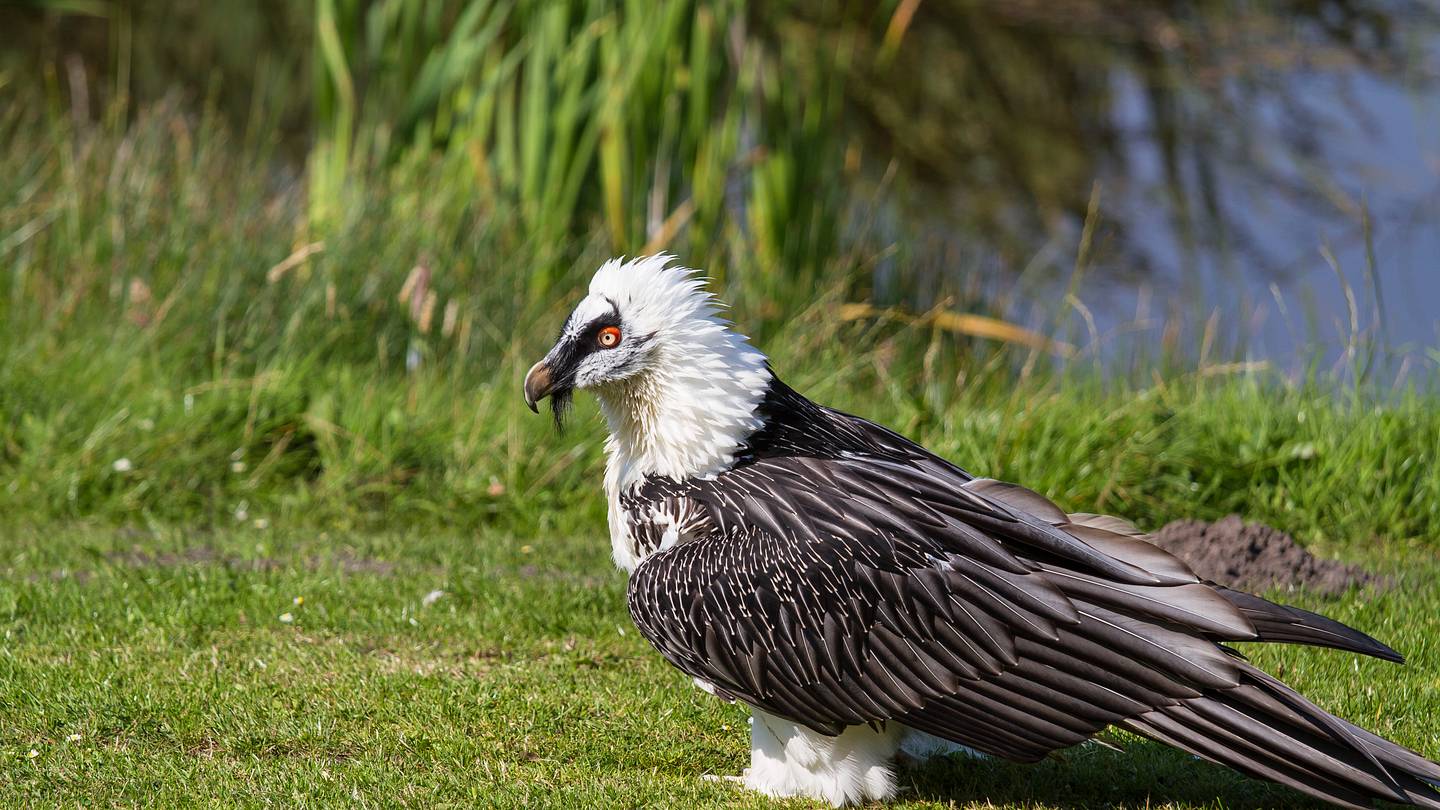
Bearded vultures are already unusual before they start collecting antique footwear. Unlike many scavenging birds that focus on flesh, bearded vultures specialize in bones. Their diet can consist largely of bone and bone marrow, which they extract with a skill that looks part science, part aerial circus act.
When a bone is too large to swallow, the bird carries it into the air and drops it onto rocks, breaking it into smaller pieces. Then it eats the fragments. This is not table manners in the human sense, but it is brilliantly efficient. Their powerful digestive systems can handle material that would leave most animals reconsidering their life choices.
That bone-based diet explains why the nests contained so many skeletal remains. But why clothes, leather, sandals, and weapon-related pieces? The most likely answer is nesting behavior. Bearded vultures build large nests in protected cliff cavities and line them with materials such as wool, hair, twigs, grasses, and sometimes rags. If a useful soft or fibrous object is available in the landscape, the bird may carry it back.
In other words, the vultures were not curating a medieval museum with tiny wall labels. They were building practical nests. Humans left objects in the landscape; vultures recycled them. Centuries later, scientists opened the nest layers and found a natural time capsule with wings.
The Medieval Shoe That Stole the Show
Among the most eye-catching discoveries was a rough shoe or sandal made with esparto grass, a tough Mediterranean plant fiber long used for ropes, baskets, mats, and footwear. Esparto items were common in rural life because the material was strong, flexible, and available. A handmade grass shoe may not sound glamorous, but for historians it is the good stuff: everyday life preserved.
Royal jewels tell us what elites displayed. A worn shoe tells us how ordinary people moved through their world. It suggests landscapes of shepherds, farmers, travelers, and local craft traditions. The fact that a vulture nest preserved such an item is both funny and scientifically valuable. Somewhere in the past, a person lost or discarded footwear. A bearded vulture, apparently unimpressed by the concept of personal property, decided it would look better in a nest.
That is the charm of this discovery. It is not only about rare treasure. It is about ordinary objects surviving in extraordinary circumstances. A piece of cloth, a leather fragment, or a bit of basketry can reveal technologies, materials, and habits that rarely make it into written records.
The Crossbow Bolt and Other Weapon-Related Finds
The crossbow bolt found in the nests adds another layer of intrigue. A crossbow bolt is not a sword from a castle armory or a ceremonial spear polished for a noble hall. It is a practical object linked to hunting, defense, or conflict, depending on context. In this case, researchers did not need to imagine a dramatic battlefield inside a vulture nest. The more likely explanation is simpler: the bolt was already somewhere in the environment, possibly associated with animal remains or human activity, and the bird transported it as part of nest material or alongside scavenged matter.
Other objects, such as a slingshot fragment and woven materials, also point to rural daily life rather than grand historical spectacle. That is what makes the nest contents so useful. They offer a mixed record of ecology and culture: what animals lived in the area, what materials people used, how humans and scavengers shared mountain landscapes, and how cliff caves preserved tiny pieces of vanished routines.
There is a comic image here, of course: a vulture decorating the nursery with medieval gear like a very intense interior designer. But beneath the humor is serious science. These objects provide rare evidence of organic materials from the past, and organic materials are often the first things time destroys.
How a Bird Nest Becomes an Archaeological Layer Cake
Many birds build nests for one season and move on. Bearded vultures are different. A good cliff nest can be reused for generations. Each breeding season adds another layer: sticks, wool, bones, food remains, eggshell fragments, and whatever useful material the birds bring back. Chicks flatten the nest surface as they grow. Adults repair and rebuild. Over time, the structure becomes layered like an archaeological site.
That layering matters. Archaeologists and ecologists can examine where objects sit inside the nest and compare materials from different depths. With radiocarbon dating and careful analysis, researchers can begin to reconstruct timelines. A nest becomes more than a pile of debris; it becomes a stacked record of repeated occupation.
This is why the discovery has value beyond the headline. The nest contents can help scientists understand past diets of bearded vultures, the availability of wild and domestic animals, historic land use, and even environmental contamination. Eggshells may contain chemical clues. Bones can reveal prey species. Human-made objects can illuminate local crafts and rural life. The humble nest becomes a meeting point for ecology, archaeology, ethnography, and conservation biology.
Why the Caves Preserved the Artifacts So Well
The preservation was not magic. It was microclimate. Cliff caves and sheltered rock cavities can create stable, dry environments. Less moisture means slower decay. Less direct sunlight means less breakdown of fibers. Limited access by other animals reduces disturbance. Add repeated nest building by large birds, and the result is a surprisingly protective archive.
Think of it as nature’s attic, except the attic is halfway up a cliff and guarded by a bone-eating raptor with a dramatic beard. The conditions were especially helpful for preserving plant fibers, leather, cloth, and other organic materials that normally vanish from the archaeological record.
That is why researchers described these nests as valuable natural repositories. They are not archaeological sites in the traditional human-built sense, but they contain human history. They also remind us that the past is not always buried under cities or sealed in tombs. Sometimes it is tucked into the nursery of a bird that evolved to eat skeletons. History, apparently, has range.
What This Discovery Reveals About Human and Animal Coexistence
The bearded vulture nests show that human life and wildlife behavior have overlapped for centuries in mountain regions. People herded livestock, made shoes, carried tools, hunted, traveled, and discarded worn materials. Vultures scavenged bones, collected nest lining, and returned to the same protected sites again and again.
Neither side was trying to create a historical record. That is precisely what makes the discovery so revealing. It captures ordinary interactions between people, animals, and landscape. A shepherd’s worn footwear, a scrap of leather, or a piece of woven plant fiber becomes evidence because a bird happened to value the material.
Modern readers may see trash; researchers see context. A rag in a nest might show what fibers were common. A leather piece can hint at craft traditions. A basket fragment can reflect local plant use. A crossbow bolt can suggest the presence of hunting or armed activity in the region. Together, these finds show that landscapes are not divided neatly into “nature” and “culture.” They are blended, messy, and often full of surprises.
The Conservation Message Hidden in the Nest
The bearded vulture’s story is not only about the past. It is also about survival. Across parts of Europe, the species suffered severe declines due to persecution, poisoning, habitat loss, reduced food availability, and mistaken beliefs that the birds attacked livestock or even people. In some regions, reintroduction programs have helped bring them back, but the bird remains a conservation concern.
The nests strengthen the case for protecting bearded vultures and their habitats. These birds are not just spectacular mountain scavengers. They are ecological cleaners, bone specialists, long-term nest builders, and now, unexpectedly, accidental custodians of cultural heritage.
Protecting nesting cliffs protects breeding sites. It may also protect historical records that have not yet been studied. If abandoned nests can preserve centuries of ecological and human evidence, then disturbing or destroying them means losing more than bird habitat. It means erasing archives that nobody knew existed.
Why This Story Captures the Imagination
This discovery works so well because it breaks our expectations. We expect museums to hold artifacts. We expect archaeologists to dig in soil. We expect vultures to circle dramatic skies and clean up carcasses. We do not expect them to accidentally preserve a medieval wardrobe department.
But science often advances when expectations fail. A nest becomes an archive. A scavenger becomes a historian. A discarded sandal becomes a celebrity. The bearded vulture, already one of the most metal birds on Earth, gains a new title: curator of the cliffside lost-and-found.
There is also a deeper emotional pull. The objects are personal in a way that grand monuments are not. A shoe is intimate. Cloth touches skin. Leather is handled, repaired, worn, and reused. These artifacts remind us that people in the 13th or 18th century had practical problems that feel familiar: shoes wore out, baskets broke, tools were lost, and somebody probably had a very bad day when an item disappeared into the sky.
Experiences and Reflections: What the Bearded Vulture Nests Teach Us
Imagine standing below a high cliff in southern Spain, looking up at a dark opening in the rock. From the ground, it may look like nothing more than a shadow. To a bearded vulture, it is prime real estate: protected from weather, hard for predators to reach, and close enough to open mountain country where bones and nesting materials can be found. To a researcher, that same shadow may hold centuries of clues.
The experience of studying a place like this would be a lesson in patience. You would not simply stroll up with a notebook and say, “Hello, medieval shoe, please identify yourself.” These nests are remote, fragile, and often difficult to access. Field teams may need climbing skills, careful permits, conservation knowledge, and a strong respect for both safety and habitat protection. The work is slow because every layer matters. A careless hand could mix periods together and turn a meaningful archive into a confusing nest smoothie.
There is also a special kind of wonder in finding human objects in a nonhuman place. A museum display is expected to contain artifacts. A cliff nest is not. That surprise changes the way we think about landscapes. The mountains are not empty backgrounds behind human history. They are active spaces where animals move objects, preserve traces, and reshape evidence. The bearded vulture did not write a diary, but its nest kept receipts.
For writers, educators, and nature lovers, this story is a reminder that curiosity should not be too tidy. The best discoveries often happen at the borders between fields. An ornithologist sees nesting behavior. An archaeologist sees organic artifacts. A conservation biologist sees habitat value. A historian sees rural material culture. Put them together, and one bird nest becomes a shared research table.
It also changes how we look at “waste.” The cloth, leather, and plant-fiber objects found in these nests were probably not treasured heirlooms when the vultures collected them. They may have been worn, dropped, broken, or discarded. Yet after centuries, those scraps became valuable because they survived. That is a useful lesson for anyone trying to understand the past: ordinary things matter. A patched shoe may say more about daily life than a polished crown.
The bearded vulture itself deserves a little admiration here. This bird has been misunderstood for centuries, often feared because of myths about livestock attacks. In reality, its bone-eating habits help recycle nutrients and clean mountain environments. Now its nesting behavior is helping scientists read long-term records of ecosystems and human activity. That is quite a résumé for a bird whose main hobby is dropping bones from the sky.
In the end, the bearded vulture nests feel like a message from the mountains: history is not always where we file it. Sometimes it is in a cave, wrapped in wool, tucked beneath bones, preserved by dry air, and delivered to us by generations of birds that had no idea they were doing archaeology. Nature does not need a display case to keep a story safe. Occasionally, it just needs a cliff, a nest, and a vulture with excellent taste in weird collectibles.
Conclusion
The discovery of clothes, leather, basketry, footwear, and weapon-related objects inside centuries-old bearded vulture nests is more than a quirky animal story. It is a powerful example of how natural behavior can preserve human history. These nests reveal the long relationship between mountain communities and wildlife, while also offering scientists rare evidence of past ecosystems, rural crafts, and environmental change.
Most of all, the finds remind us that the past can survive in places nobody thinks to check. A bearded vulture nest may look like a rough pile of bones and fibers, but under the right conditions, it can become a cliffside archive. The bird was not trying to become a historian. It simply built a home. Lucky for us, it built one that remembered.