

Selenium is one of those nutrients that rarely gets a starring role on wellness blogs, dinner menus, or casual conversations at brunch. Nobody leans over avocado toast and says, “You know what this meal needs? More selenoproteins.” And yet, this tiny trace mineral quietly helps run some of the body’s most important behind-the-scenes operations.
The benefits of selenium include supporting thyroid function, helping protect cells from oxidative stress, assisting immune defenses, contributing to reproductive health, and playing a role in DNA synthesis. In other words, selenium may be small, but it is not sitting in the corner doing crossword puzzles. It is working.
Because the body cannot make selenium on its own, you need to get it from food or, in some cases, supplements. The good news is that most people in the United States can meet their selenium needs through a balanced diet. The less charming news is that more selenium is not always better. Like hot sauce, perfume, and group chats, selenium is best in the right amount.
This guide breaks down what selenium does, why it matters, the best selenium-rich foods, how much you need, and when to be cautious with supplements.
What Is Selenium?
Selenium is an essential trace mineral, meaning your body needs it in very small amounts to function properly. It is naturally present in many foods, added to some foods, and available as a dietary supplement. Once inside the body, selenium becomes part of special proteins called selenoproteins.
These selenoproteins help support antioxidant activity, thyroid hormone metabolism, immune response, reproduction, and normal cell function. Think of selenium as a backstage technician at a big concert. You may not see it under the spotlight, but without it, the lights flicker, the microphone squeals, and the drummer gets blamed for everything.
Top Health Benefits of Selenium
1. Selenium Supports Thyroid Health
One of selenium’s most important jobs is supporting the thyroid gland. The thyroid is a small butterfly-shaped gland in the neck that helps regulate metabolism, energy levels, body temperature, and many other functions. Selenium helps enzymes convert thyroid hormones into their active forms.
The thyroid contains a high concentration of selenium compared with many other organs. That is a strong clue that this mineral is not optional background decoration. Selenium works alongside iodine, another key thyroid nutrient, to help keep thyroid hormone production and metabolism running smoothly.
Low selenium status may worsen problems related to iodine deficiency and may be linked with certain thyroid conditions. Some research has explored selenium supplementation in autoimmune thyroid issues such as Hashimoto’s thyroiditis, but this does not mean everyone should automatically start taking selenium pills. For most people, the smartest first move is building a nutrient-rich diet and discussing supplements with a healthcare professional if thyroid disease, pregnancy, medication use, or deficiency risk is involved.
2. Selenium Helps Protect Cells From Oxidative Stress
Everyday life creates oxidative stress in the body. Normal metabolism, pollution, smoking, intense physical stress, and inflammation can all contribute to the production of unstable molecules known as free radicals. When free radicals build up, they may damage cells over time.
Selenium helps form antioxidant enzymes, including glutathione peroxidases, that assist the body in managing oxidative stress. These enzymes help neutralize harmful compounds before they cause unnecessary cellular drama. It is a bit like having a tiny cleanup crew that shows up after the party and says, “Who spilled nacho cheese on the carpet?”
Antioxidant support is one reason selenium is often discussed in relation to healthy aging, immune health, and chronic disease prevention. However, it is important to keep expectations realistic. Selenium is not a magic shield, a cure-all, or a shortcut around sleep, exercise, and vegetables. It works best as part of an overall healthy lifestyle.
3. Selenium Plays a Role in Immune Function
A healthy immune system needs many nutrients, including selenium. Selenium-containing proteins help regulate immune responses and protect immune cells from oxidative damage. This matters because immune cells are highly active and can generate oxidative stress while doing their job.
Adequate selenium intake may help the immune system respond appropriately to everyday challenges. Deficiency, although uncommon in the United States, can impair immune function and may make the body more vulnerable to certain health problems.
Still, selenium should not be treated like an emergency button for immunity. Taking high doses will not turn you into a superhero who can walk through flu season untouched while dramatic music plays. Balanced intake is the goal. Your immune system appreciates consistency more than nutritional stunts.
4. Selenium Contributes to Reproductive Health
Selenium also supports reproductive function. In men, selenium is involved in sperm development and motility. In women, selenium contributes to antioxidant defenses and normal cellular processes that may support reproductive health.
Because oxidative stress can affect reproductive tissues, selenium’s antioxidant role may be especially relevant. That said, fertility is complex. It is influenced by hormones, age, lifestyle, medical conditions, medications, nutrition, and many other factors. Selenium can be part of the nutrition picture, but it is not the entire painting.
5. Selenium Supports DNA Synthesis and Cell Function
Your body constantly repairs and replaces cells. Selenium helps support DNA synthesis and normal cell function through its role in selenoproteins. Healthy DNA processes are essential for growth, maintenance, repair, and overall health.
This is one reason selenium is frequently studied in relation to long-term health. However, research on selenium supplements and disease prevention has been mixed. For example, large clinical trials have not shown that selenium supplements reliably prevent prostate cancer. This is a useful reminder that nutrients from food and high-dose supplements are not the same thing.
Food-first selenium intake usually comes packaged with protein, healthy fats, vitamins, and other minerals. A supplement, on the other hand, is one isolated nutrient. Sometimes that is useful. Sometimes it is unnecessary. Sometimes it is too much of a good thing wearing a very confident label.
6. Selenium May Support Heart and Brain Health When Intake Is Balanced
Selenium has been studied for possible roles in heart health and brain health because of its antioxidant and anti-inflammatory functions. Severe selenium deficiency has been associated with heart muscle problems in certain parts of the world where selenium intake is very low.
For most people in the United States, deficiency is rare, and the connection between selenium and heart or brain health is not as simple as “more equals better.” Some observational studies suggest that adequate selenium intake may be associated with better health outcomes, but high intake can create risks. Balance matters.
The practical takeaway is refreshingly boring but useful: eat a varied diet that includes selenium-rich foods, avoid megadoses unless medically advised, and do not rely on a mineral supplement to do the work of a healthy lifestyle.
Best Selenium-Rich Foods
Selenium levels in plant foods can vary depending on the selenium content of the soil where they are grown. Animal foods also vary depending on what the animals ate. Still, several foods are well-known sources of selenium.
Brazil Nuts
Brazil nuts are famous for being extremely rich in selenium. In fact, they are so rich that eating too many can push selenium intake too high. One or two Brazil nuts may provide a substantial amount of selenium, depending on their size and origin.
That makes Brazil nuts convenient, but also slightly dramatic. They are not the kind of snack you mindlessly eat by the handful while watching a detective show. A small amount is enough for most people.
Seafood
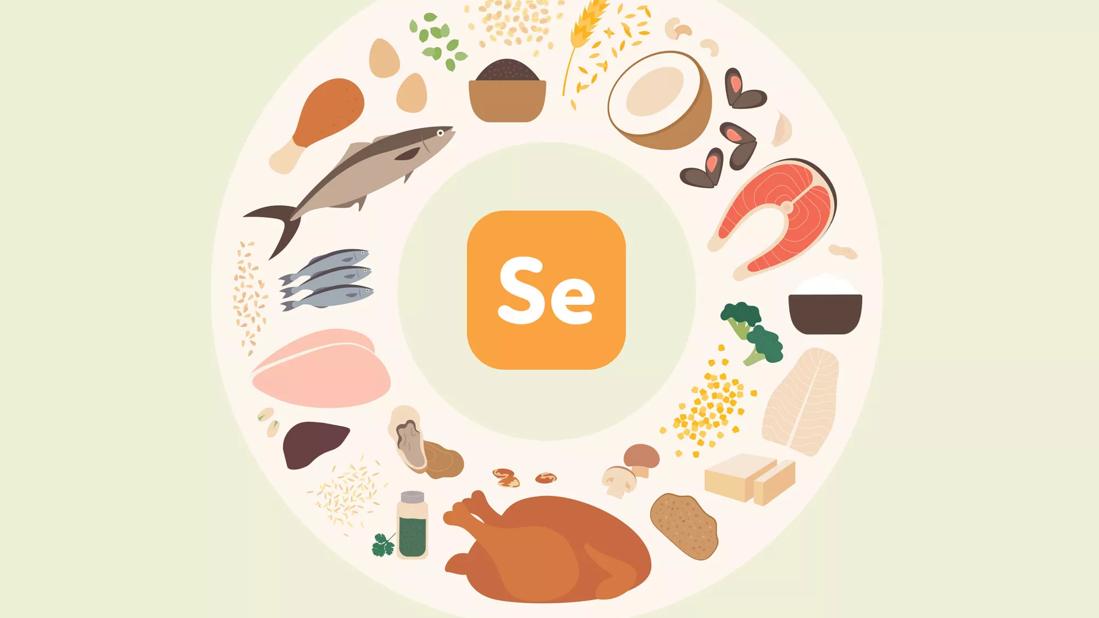
Fish and shellfish are excellent selenium sources. Tuna, sardines, salmon, halibut, shrimp, and oysters can all contribute meaningful amounts. Seafood also provides protein and, in many cases, omega-3 fatty acids.
Meat, Poultry, and Eggs
Chicken, turkey, beef, pork, and eggs contain selenium. These foods are common in many American diets, which is one reason selenium deficiency is uncommon in the United States.
Whole Grains and Enriched Foods
Whole grains, enriched pasta, rice, bread, and cereals can provide selenium, though amounts vary. These foods may be helpful for people who do not eat much seafood or meat.
Dairy, Beans, Seeds, and Other Foods
Dairy products, sunflower seeds, lentils, mushrooms, and some nuts can also contribute selenium in smaller amounts. The key is variety. A balanced plate tends to do a better job than a single “superfood” trying to carry the entire team.
How Much Selenium Do You Need?
For most adults, the recommended daily amount of selenium is 55 micrograms. Pregnant and breastfeeding people may need more. The adult tolerable upper intake level is 400 micrograms per day, which means regularly going above that amount may increase the risk of toxicity.
Because selenium is measured in micrograms, the numbers can feel tiny. But tiny does not mean unimportant. A car key is small too, and good luck driving without it.
Can You Get Too Much Selenium?
Yes. Selenium toxicity is called selenosis, and it can happen from chronically high intake, especially from supplements or excessive Brazil nut consumption. Symptoms may include hair loss, brittle nails, nausea, diarrhea, fatigue, irritability, a metallic taste, garlic-like breath odor, skin rash, or nerve-related symptoms.
This is why high-dose selenium supplements should be used carefully. If a supplement contains 200 micrograms and you also eat Brazil nuts, seafood, eggs, and fortified foods, your daily total can climb faster than expected.
People taking medications, managing thyroid disease, living with chronic health conditions, or considering selenium for fertility, immune support, or hair and nails should ask a healthcare professional before starting supplements.
Selenium Deficiency: Who Is at Risk?
Selenium deficiency is rare in the United States and Canada because many common foods contain enough selenium. However, deficiency may occur in certain situations. People with severe gastrointestinal disorders, such as Crohn’s disease, may have trouble absorbing nutrients. People receiving long-term kidney dialysis or living in regions with very low selenium soil may also be at higher risk.
Signs of selenium deficiency can be difficult to identify because they may overlap with other health issues. Possible concerns include weakened immune function, thyroid problems, reproductive issues, and in severe cases, specific diseases linked with selenium-poor regions. Anyone worried about deficiency should seek testing and medical guidance rather than guessing based on symptoms.
Food vs. Supplements: Which Is Better?
For most healthy adults, food is the best selenium source. Selenium-rich foods provide more than selenium alone. A meal with eggs, whole-grain toast, yogurt, or salmon also supplies protein, B vitamins, healthy fats, and other minerals.
Supplements may be useful when a healthcare professional identifies low selenium levels, increased needs, poor absorption, or specific clinical reasons. But taking selenium “just in case” is not always wise. Nutrients are not loyalty points. You do not win a prize for collecting more than your body needs.
A food-first approach also reduces the chance of accidentally exceeding the safe upper limit. The exception is Brazil nuts, which are technically food but can act like a supplement because they are so concentrated in selenium. Enjoy them sparingly.
How to Add Selenium to Your Diet Safely
Build a Selenium-Friendly Breakfast
Try eggs with whole-grain toast, oatmeal with seeds, or Greek yogurt with fruit and nuts. These simple meals can support selenium intake without requiring a complicated supplement routine.
Choose Seafood Once or Twice a Week
Salmon, tuna, sardines, shrimp, or cod can help increase selenium intake while adding high-quality protein. Choose lower-mercury options when possible, especially for pregnant people and children.
Use Brazil Nuts Carefully
If you enjoy Brazil nuts, treat them like a concentrated selenium source. One nut may be enough. Eating a large handful every day is not a wellness flex; it is a possible ticket to too much selenium.
Read Supplement Labels
Multivitamins, hair-and-nail formulas, thyroid support blends, and immune supplements may contain selenium. If you take more than one supplement, check labels to avoid stacking selenium from multiple products.
Common Myths About Selenium
Myth 1: More Selenium Means Better Health
Nope. Selenium has a narrow sweet spot. Too little can be a problem, but too much can also cause harm. The goal is adequate intake, not heroic intake.
Myth 2: Selenium Supplements Prevent Cancer
Research has not shown that selenium supplements reliably prevent cancer. Large studies, including prostate cancer prevention research, found no clear protective benefit from selenium supplementation. A diet rich in whole foods is still a smart health strategy, but selenium pills should not be viewed as cancer prevention.
Myth 3: Selenium Always Improves Hair and Nails
Selenium is involved in normal cell function, but both too little and too much selenium may affect hair and nails. If your hair is thinning or nails are brittle, selenium is only one possible factor among many, including iron status, thyroid function, protein intake, genetics, stress, medications, and aging.
Personal Experience: What Selenium Looks Like in Real Life
The benefits of selenium sound impressive on paper, but in real life, the best selenium habits are usually simple and quiet. They do not require a dramatic pantry makeover, a $90 supplement bottle, or a blender that sounds like a lawn mower. Most people can improve selenium intake by paying closer attention to ordinary foods they already enjoy.
For example, imagine someone who eats toast and coffee for breakfast, a sandwich for lunch, and pasta for dinner. That diet may not be terrible, but it might be low in seafood, eggs, seeds, and varied protein. A few practical changes could make a difference: adding eggs at breakfast, choosing whole-grain bread, including tuna or salmon at lunch once or twice a week, or sprinkling sunflower seeds on a salad. These are not wild wellness experiments. They are normal grocery-store decisions.
Another common experience is the “Brazil nut discovery.” Many people learn that Brazil nuts are packed with selenium and immediately think, “Great, I’ll eat a bowl.” That enthusiasm is understandable but slightly chaotic. Brazil nuts are so selenium-dense that moderation matters. A better approach is to keep a small bag on hand and enjoy one nut occasionally, not treat them like popcorn during a movie marathon.
People who follow plant-based diets may need to be a little more intentional. Selenium in plant foods depends heavily on soil content, so amounts can vary. A vegetarian or vegan eating beans, lentils, whole grains, mushrooms, seeds, and occasional Brazil nuts can still get selenium, but variety becomes important. If someone also has digestive problems or a restricted diet, it may be worth asking a clinician whether nutrient testing makes sense.
There is also the supplement aisle experience, which deserves a warning label for emotional overconfidence. Selenium appears in multivitamins, thyroid support formulas, antioxidant blends, fertility supplements, and hair-and-nail products. A person might take a multivitamin in the morning, a hair supplement at lunch, and an immune formula at night, not realizing all three contain selenium. Suddenly, “supporting wellness” becomes “accidentally building a mineral skyscraper.” Reading labels is boring, but so is flossing, and both can save you trouble.
In everyday eating, selenium works best as part of a balanced pattern. A salmon dinner with brown rice and vegetables, an egg breakfast with whole-grain toast, or a turkey sandwich on enriched bread can all contribute selenium without much effort. The goal is not to chase one nutrient like it owes you money. The goal is to build meals that repeatedly give your body what it needs.
The most realistic selenium habit is this: eat a variety of protein foods, include seafood when appropriate, enjoy whole grains, be careful with Brazil nuts, and avoid high-dose supplements unless a healthcare professional recommends them. It is not flashy advice, but it is the kind that actually fits into busy lives. And honestly, any nutrient strategy that does not require chanting over a mason jar at sunrise already has a strong chance of success.
Conclusion
Selenium is a small mineral with a surprisingly big résumé. It supports thyroid health, antioxidant defenses, immune function, reproduction, DNA synthesis, and normal cell activity. The best part is that most people can get enough selenium through everyday foods such as seafood, eggs, poultry, meat, whole grains, dairy products, seeds, and carefully portioned Brazil nuts.
The key word is balance. Selenium deficiency can cause problems, but excessive intake can be harmful too. Food-first nutrition is usually the safest and most practical approach. Supplements may help in specific cases, but they should be used thoughtfully, especially because selenium can appear in multiple products at once.
If you want to enjoy the benefits of selenium, start with your plate, not a megadose. A varied diet, smart portions, and a little label-reading can help you get the right amount without turning nutrition into a full-time detective job.