

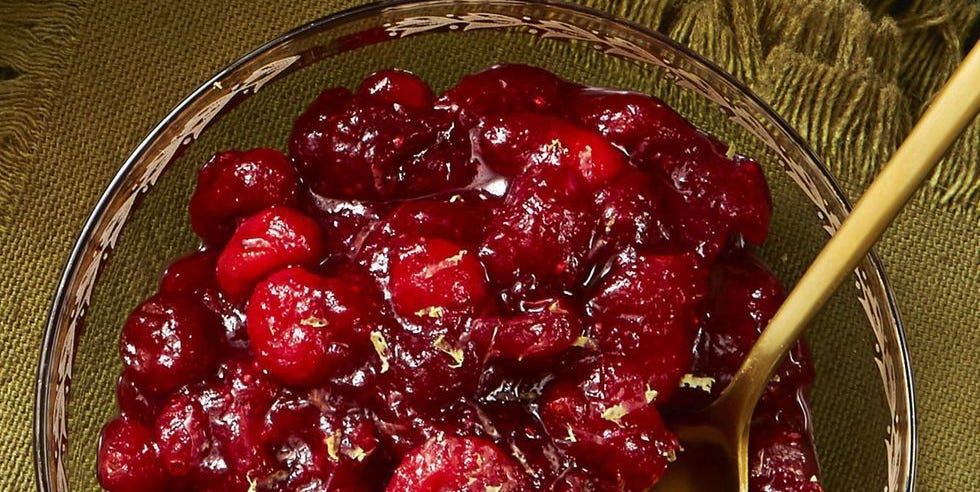
If your holiday table has ever felt like it needed one more bright, zippy, jewel-toned thing to wake everybody up between the mashed potatoes and the pie coma, this is it. Orange-apricot cranberry sauce is the kind of side dish that starts as “just a spoonful” and somehow ends with people scraping the serving bowl like they are being timed. It is sweet, tart, citrusy, glossy, and just fancy enough to make everyone think you suddenly became the organized relative with a signature holiday recipe.
The beauty of this cranberry sauce recipe is that it keeps the classic personality of cranberry sauce intact while giving it a serious upgrade. Orange adds brightness and fragrance, dried apricots bring mellow sweetness and chewy little bites, and the cranberries do what cranberries do best: pop dramatically, thicken naturally, and make rich foods taste less heavy. In other words, this sauce is not here to sit quietly next to the turkey. It came to be noticed.
Below, you will find a foolproof method, practical tips, serving ideas, flavor variations, make-ahead advice, and a long section of real-life cooking experiences to help you make the best orange-apricot cranberry sauce without turning your stovetop into a sticky fruit crime scene.
Why This Orange-Apricot Cranberry Sauce Works So Well
Classic cranberry sauce already has one big thing going for it: cranberries contain natural pectin, so the sauce thickens beautifully as it cooks and cools. That means you do not need a chemistry degree, a packet of mystery powder, or a whispered prayer over the saucepan. You just need the right balance of fruit, liquid, and sweetener.
Adding orange to cranberry sauce is popular for a reason. The juice softens the berries’ sharp edge, while the zest brings a concentrated citrus aroma that makes the whole dish smell like the holidays should smell. Dried apricots do something equally useful. They add body, gentle honey-like sweetness, and a soft chew that makes the sauce taste more layered and less one-note.
The result is a sauce that feels traditional and fresh at the same time. It pairs beautifully with turkey, ham, roast chicken, pork, biscuits, cheese boards, leftover sandwiches, and anyone who claims they “don’t usually like cranberry sauce” but is suspiciously taking a second spoonful.
Orange-Apricot Cranberry Sauce Recipe
Ingredients
- 1 bag fresh or frozen cranberries, 12 ounces
- 3/4 cup granulated sugar
- 1/2 cup orange juice
- 1/2 cup water
- 1 tablespoon finely grated orange zest
- 3/4 cup dried apricots, chopped small
- 1 pinch kosher salt
- 1/4 teaspoon ground cinnamon, optional
Optional flavor boosters
- 1 tablespoon maple syrup for deeper sweetness
- 1 teaspoon vanilla extract for a softer finish
- 1 tablespoon chopped crystallized ginger for warmth
- 1 splash orange liqueur for a more grown-up version
How to make orange-apricot cranberry sauce
- Build the base. In a medium saucepan, combine the sugar, orange juice, water, orange zest, chopped dried apricots, and salt. If using cinnamon, add it now. Bring the mixture to a gentle simmer over medium heat.
- Let the apricots soften first. Simmer for 3 to 4 minutes so the dried apricots start to plump and soften. This step gives the finished sauce a better texture and helps the apricot flavor blend into the syrup instead of tasting like a last-minute add-on.
- Add the cranberries. Stir in the cranberries and bring everything back to a simmer. Cook for 8 to 12 minutes, stirring occasionally, until most of the berries burst and the sauce looks slightly loose but glossy.
- Do not panic about the texture. Hot cranberry sauce is always thinner than cold cranberry sauce. If it looks spoonable but not stiff, that is exactly where you want it. Once it cools, it will thicken significantly.
- Cool and taste. Remove the pan from the heat. Let the sauce cool for 15 to 20 minutes, then taste it. Add a little more sugar if you want it sweeter, or a tiny bit more orange zest if you want more brightness.
- Chill or serve. You can serve it warm, at room temperature, or chilled. For the best texture and flavor, make it a few hours ahead or the day before.
What It Should Taste Like
The best orange-apricot cranberry sauce recipe should taste balanced, not sugary and not aggressively tart. The first thing you notice should be the lively cranberry tang, followed by fresh orange aroma and then the mellow sweetness of apricot. The texture should be thick enough to sit on a spoon, with soft cranberries and tender bits of apricot throughout.
If the sauce tastes flat, it usually needs one of three things: more orange zest, a pinch of salt, or just a little more cooling time. Hot sugar can blur flavors, while cooled sauce tastes brighter and more defined. This is one of those recipes that gets smarter after it rests.
Tips for Making the Best Cranberry Sauce
Use orange zest, not just juice
Orange juice brings acidity and sweetness, but the zest is where the deep orange flavor really lives. Use a fine grater and only remove the bright outer layer. The white pith is bitter and has no interest in helping your dinner.
Chop the apricots small
Large apricot pieces can dominate the sauce and make it feel chunky in the wrong way. Small pieces soften faster and distribute better, giving every bite a little apricot sweetness.
Do not overcook it
Once the berries have mostly popped and the mixture looks glossy and lightly thickened, it is ready. If you cook it too long, the sauce can become dull, pasty, or too sticky.
Remember that it thickens as it cools
This is the number one cranberry sauce truth that saves people from stovetop regret. If you wait until it looks fully set in the pot, it may become too firm later. Pull it off the heat while it still has some movement.
Easy Variations to Try
Spiced orange-apricot cranberry sauce
Add cinnamon, a pinch of ginger, and a tiny pinch of cloves. This version tastes like the holidays arrived wearing a cashmere scarf.
Low-sugar version
Reduce the sugar slightly and let the apricots and orange carry more of the sweetness. Keep in mind that cranberries are naturally very tart, so do not cut the sugar so far that the sauce tastes like cheerful punishment.
Chunky relish-style version
For a more rustic texture, cook the cranberries a little less and stir in a few hand-chopped orange segments at the end. This adds freshness and a beautiful spoonable texture.
Holiday dinner party version
Finish the cooled sauce with a spoonful of orange marmalade or a splash of orange liqueur. It adds depth without making the recipe complicated.
What to Serve with Orange-Apricot Cranberry Sauce
Of course it belongs on a Thanksgiving or Christmas table, but this sauce deserves a wider social life.
- Turkey: the classic pairing, and still undefeated
- Ham: the sweet-tart contrast is excellent
- Roast chicken: turns an ordinary dinner into something a little more festive
- Pork loin or pork chops: especially good with a savory pan sauce
- Biscuits or dinner rolls: basically fruit spread with ambition
- Cheese boards: great with brie, cheddar, goat cheese, or cream cheese
- Leftover sandwiches: this is where legends are made
One of the best specific examples is the day-after sandwich: toasted bread, turkey, stuffing, a little mayo, and a generous swipe of orange-apricot cranberry sauce. It is festive, slightly messy, and absolutely worth the extra napkin.
Make-Ahead and Storage Tips
This is one of the easiest holiday side dishes to make ahead, which is another reason people fall in love with it. You can prepare it the day before, and honestly, it often tastes even better after the flavors have had time to settle in and become friends.
Once cooled, transfer the sauce to an airtight container and refrigerate it promptly. For best quality, use refrigerated leftovers within a few days. If it firms up too much in the fridge, let it sit at room temperature briefly before serving, or stir in a tiny splash of orange juice to loosen it.
If you are setting it out for a meal, do not leave it sitting out all afternoon while everyone debates whether the rolls are warm enough. Treat it like other cooked side dishes and refrigerate leftovers in a timely way after the meal.
Common Mistakes to Avoid
Using too much liquid
Cranberries release moisture as they cook, so more liquid is not always better. Too much can leave you with a thin sauce that takes forever to reduce.
Skipping the salt
A tiny pinch of salt does not make the sauce salty. It makes the fruit taste more like itself. Quiet hero behavior.
Adding too much orange pith
Zest is wonderful. Big strips of bitter white pith are not. If using peel, keep it thin and intentional.
Forgetting to taste after cooling slightly
Flavor changes as the sauce cools. What seems a bit sharp at first may mellow beautifully, while what seems sweet enough hot may need a small adjustment later.
Frequently Asked Questions
Can I use frozen cranberries?
Yes. Frozen cranberries work very well in this recipe. You can add them straight from the freezer; they may just need an extra minute or two of cooking.
Can I make it without apricots?
You can, but then it becomes orange cranberry sauce instead of orange-apricot cranberry sauce, and the apricots really are doing helpful work here. They soften the tartness and add lovely texture.
Can I make it ahead for Thanksgiving?
Absolutely. This is one of the most reliable make-ahead holiday recipes because it holds well and tastes great chilled or at room temperature.
Can I use less sugar?
Yes, within reason. Start by reducing it slightly, then taste after cooling. Cranberries are assertive little berries, so the sauce still needs enough sweetness to stay balanced.
Final Thoughts
If you have been relying on canned cranberry sauce because it is easy, I get it. Holiday cooking can already feel like a relay race in which someone replaced the baton with a roasting pan. But homemade orange-apricot cranberry sauce is one of those rare recipes that delivers big flavor for very little effort.
It is quick, make-ahead friendly, flexible, and genuinely delicious. The orange makes it brighter, the apricots make it more interesting, and the cranberries keep the whole thing beautifully sharp and festive. Whether you serve it at Thanksgiving, Christmas, or alongside an ordinary roast chicken because you enjoy living well, this recipe earns a permanent spot in the rotation.
So yes, make the turkey, bake the pie, and mash the potatoes. But do not underestimate the power of one glossy bowl of bold, citrusy, sweet-tart cranberry sauce to steal the show.
Kitchen Experiences and Real-Life Notes
The first time I made an orange-apricot cranberry sauce, I expected it to be one of those polite side dishes that people take out of obligation. You know the type: admired, sampled, and then quietly abandoned while everyone focuses on stuffing and gravy. Instead, it became the dish people kept talking about while standing in the kitchen, holding tiny spoons like judges on a cooking show nobody asked for. One person said it tasted “like cranberry sauce finally got its life together,” which was both dramatic and strangely accurate.
What stood out most was how different it felt from plain cranberry sauce without becoming fussy. The orange made the whole kitchen smell bright and festive, and the apricots added this mellow fruitiness that rounded off the tart edges. It tasted deeper, a little more grown-up, and far more memorable than the standard version. The texture was especially good after a night in the fridge. The cranberries softened, the syrup thickened, and the apricots became tender little gems instead of just add-ins.
Another memorable experience came the day after a holiday dinner, when the leftovers started doing their best work. I spread some mayo on toasted sourdough, layered on turkey and stuffing, then added a thick spoonful of orange-apricot cranberry sauce. That sandwich had no business being that good. The sweetness of the apricots, the tang of the cranberries, and the orange aroma cut through all the rich leftovers in exactly the right way. Since then, I have started making a slightly larger batch on purpose, which feels like growth.
I have also learned that this sauce is an excellent safety net for holiday hosts. If your turkey is slightly drier than planned, the cranberry sauce helps. If the ham is very sweet, the tartness balances it. If dinner is running late and everyone is circling the appetizer table like polite vultures, a bowl of this next to crackers and soft cheese buys you time and compliments.
There is also something satisfying about how low-stress it is compared with other holiday dishes. No careful baking times. No fear of a collapsing custard. No frantic last-minute whisking. You put fruit in a pot, stir it, let it simmer, and wait for the cranberries to pop like tiny red fireworks. It is domestic theater with a very forgiving script.
Over time, I have noticed people respond differently depending on how the sauce is served. Warm, it feels cozy and soft. Chilled, it tastes brighter and more defined. On a formal holiday plate, it reads classic. On a leftover sandwich or cheese board, it suddenly feels clever. That range is part of what makes this recipe so useful. It is not trapped in one season or one meal.
If you are making it for guests, the best advice I can give is to taste it after it cools a bit and trust your own preference. Some people love it more tart and citrus-forward. Others want a softer, sweeter finish. The recipe gives you structure, but the final balance is personal. That is part of the fun. Cooking cranberry sauce is less about perfection and more about tuning the flavor until it sounds right.
In the end, this recipe has become one of those small kitchen rituals that feels bigger than it is. It is easy, yes, but it also brings color, fragrance, and brightness to the table in a way that feels generous. And in a holiday season full of heavy dishes, crowded ovens, and dessert negotiations, a spoonful of orange-apricot cranberry sauce tastes like a very smart decision.