

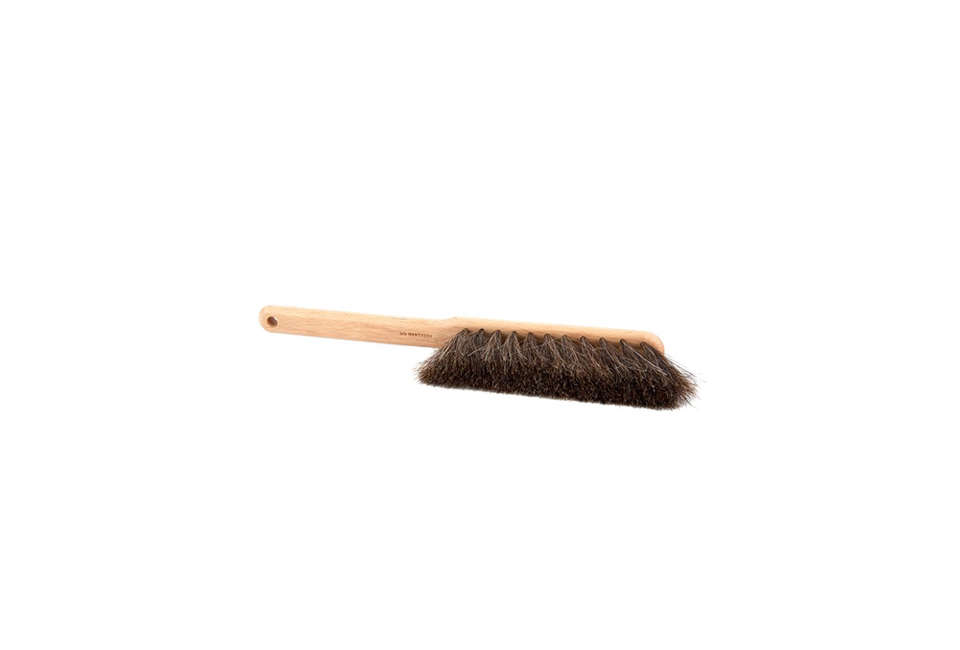
Let’s talk about the most underestimated “upgrade” in home care: a broom that feels like it belongs in a
well-run household instead of a sad janitor’s closet. An oiltreated beech broom (sometimes written
“oil-treated” or “oiled beech”) is a broom built around one simple idea: a beech wood handle (and often a beech block)
that’s been finished with oil so it’s smoother, more moisture-resistant, and way nicer to use.
If you’ve ever grabbed a bargain broom and immediately got splinters, a wobbly handle, and the distinct sense that your
dust is now emotionally attached to the floorwelcome. This guide breaks down what “oiltreated beech” actually means,
why it matters, how to choose the right broom head, and how to keep it performing like a champ without turning your
laundry room into a wood-finishing lab.
What Is an Oiltreated Beech Broom, Exactly?
A typical oiltreated beech broom has two starring characters:
- Beech wood (usually for the handle, sometimes the broom head/block): a dense hardwood that’s comfortable in the hand and built for repeated use.
- An oil finish (such as a tung-oil or linseed-oil-based finish, or an oil/varnish blend): this soaks in, highlights the grain, and creates a surface that’s easier to clean and refresh.
The result is a broom that looks better, feels better, andwhen cared for properlycan outlast the flimsy options that
shed bristles like they’re trying to start a new career as tumbleweeds.
Why Beech Wood Is a Smart Choice for a Broom Handle
1) It’s tough without being ridiculous
Beech is a legitimately hard, heavy-duty hardwood. In plain English: it can take a beating (or, more accurately, it can
do the beating when you’re sweeping grit, pet hair, and whatever snack dust your sofa has been hoarding).
That’s why beech shows up in furniture, tool parts, and other “use it every day” objects.
2) It feels good in your hand
Beech has a fine, tight grain that sands smooth and stays comfortable. A beech handle has a “warm” feel compared with metal,
and it’s less likely to get weirdly sticky like some plastics. Oil treatment adds a silky glidelike your broom went to a spa,
came back hydrated, and now refuses to be stored in shame behind the vacuum.
3) The trade-off: it’s not naturally outdoor-immortal
Beech isn’t famous for rot resistance. Oil helps, but an oiltreated beech broom still prefers a life where it’s not left soaking
in puddles, baked in direct sun, or stored in a swampy corner of the garage. Treat it like a good cutting board: keep it dry,
refresh it occasionally, and it’ll keep showing up for you.
What “Oiltreated” Actually Does (and What It Doesn’t)
Oil finishes generally penetrate the wood instead of building a thick plastic-like film on top. That matters for a broom handle because:
- Grip improves: it’s smooth, not slick-and-sweaty.
- Moisture resistance improves: splashes wipe off easier, and the wood is less likely to look thirsty after a few damp cleanups.
- Maintenance is simpler: you can refresh the finish without sanding the whole handle down to bare wood.
What oil treatment does not do: make the broom waterproof forever. If you regularly sweep wet leaves, slushy salt, or mud, consider a separate
outdoor broom (or at least rinse/clean and fully dry the bristles and block after those jobs).
Choosing the Right Broom Head for Your Oiltreated Beech Handle
The handle is the fancy part, but the broom head is where the work happens. Think of it like shoes: you can have a great outfit,
but if you wear flip-flops into a snowstorm, we need to talk.
Angle broom vs. straight broom
-
Angle brooms: best for corners, baseboards, and tight spots around appliances. If your kitchen has cabinets and your life contains crumbs,
angled bristles are your friend. - Straight (traditional) brooms: great for broad, fast passes in open areas. If you’re sweeping a porch, garage, or large room, straight can be faster.
Natural bristles vs. synthetic bristles
Neither is “better” universallyeach is better for a particular kind of mess.
-
Natural fiber (like broomcorn): excellent for fine dust and everyday indoor debris. Many people love the “soft but effective” feel,
and natural brooms can last a long time with the right storage. -
Synthetic (poly, PET, nylon): often tougher with wet messes or heavy debris; some styles are designed to sweep fine particles too,
especially when the bristle tips are “flagged” (split ends that act like tiny dust grabbers).
Match the broom to the surface
- Hardwood/tile/vinyl: medium bristles or flagged bristles help gather fine dust without launching it into orbit.
- Garage/workshop concrete: stiffer bristles or a push broom style moves grit and sawdust efficiently.
- Pet hair: angled heads and denser bristle patterns tend to do better; rubber brooms can help on rugs.
How to Use an Oiltreated Beech Broom Like You Actually Mean It
Use shorter strokes for fine dust
When you’re chasing flour, coffee grounds, or that mysterious gray “floor confetti,” long sweeping arcs can kick up dust.
Short, controlled strokes keep debris together and make the dustpan pickup less of a negotiation.
Pull into a pile, don’t spread it thin
Aim for a compact pile you can collect in one go. If you’ve been sweeping dust into a wide fan shape, you’re basically seasoning
your flooring. Delicious? No. Effective? Also no.
Know when not to dry-sweep
If you’re dealing with renovation dust or anything you suspect could include hazardous fine particles (especially silica from masonry),
it’s safer to use dust control methods like HEPA vacuuming or wet cleanup rather than dry sweeping that can put particles back in the air.
Your broom is a herojust not a superhero with a respirator.
Care and Maintenance: Keep the Handle Happy, Keep the Bristles Straight
1) Store it so the bristles don’t get bent
The #1 way to ruin a broom head is letting the bristles sit pressed into the floor for weeks. Hang the broom or store it so the bristles
aren’t bearing weight. This is the broom version of “don’t sleep on your face if you want fewer wrinkles.”
2) Clean the bristles occasionally (yes, really)
Bristles pick up dust, grease, hair, and whatever your kitchen floor was hiding. Washable brooms can be rinsed and air-dried; for others,
a warm, soapy wash on the bristle tips followed by thorough drying can extend life and improve performance. Let it dry completely before storing.
3) Don’t give synthetic brooms a haircut (usually)
Some synthetic brooms have intentionally “flagged” tips to sweep finer particles. Cutting those tips can reduce performance.
Natural fiber brooms may tolerate occasional trimming if ends are badly frayedbut it should be a last resort, not a hobby.
If you’re regularly tempted to trim your broom, it might be telling you it’s time for a better one.
4) Refresh the oil-treated handle when it looks dry
If the handle starts looking dull, fuzzy, or chalky, it’s asking (politely) for a refresh.
A quick wipe-on refresh is usually enough, especially if the original finish was an oil or oil/varnish blend.
DIY: How to Re-Oil a Beech Broom Handle (Quick and Clean)
You don’t need a workshop. You need a rag, a small amount of finish, and enough patience to let it dry.
- Clean the handle: wipe with a damp cloth, then dry. If it’s greasy, use a mild cleaner and dry fully.
- Lightly scuff if needed: if the handle feels rough, a quick pass with fine sandpaper (think “polite smoothing,” not “new furniture build”).
- Apply oil: wipe on a thin coat. Let it soak briefly.
- Wipe off the excess: don’t leave wet oil sitting on the surface. That’s how you get sticky handles and regret.
- Let it cure: place it somewhere ventilated and let it dry fully before heavy use.
Safety note you should not skip
Oily rags can be a fire hazard if wadded up and left to heat as they oxidize. Follow reputable safety guidance:
lay rags flat to dry in a safe, ventilated area or store them in a proper metal container as recommendedthen dispose of them appropriately.
Your broom should clean up messes, not become one.
Common Questions About Oiltreated Beech Brooms
Is an oiltreated beech broom good for hardwood floors?
Yesespecially when paired with the right bristle type. For hardwood, many people prefer medium/flagged synthetic bristles or a quality natural-fiber head
that gathers fine dust without scratching. The beech handle is mainly about comfort, durability, and moisture resistance.
Can I use it outdoors?
You can, but treat it like a nice jacket: it’ll survive weather, but it won’t love living in it. For patios and garages, a stiffer broom head is often better,
and you’ll want to keep the wood dry and out of constant sun and rain.
What oil finish is best for refreshing a beech handle?
Many people use tung-oil-based products or oil/varnish blends for a durable, hand-rubbed feel. The key is thin coats and wiping off excess.
If you’re unsure what was used originally, test a small spot first and avoid leaving a thick wet layer on the surface.
How long should a quality broom last?
It depends on bristle material, surface type, and storage. With proper storage (no bristle bending), occasional cleaning, and a handle refresh when needed,
a good broom can last far longer than the cheap ones that give up halfway through your first “spring cleaning” attempt.
Conclusion: A Broom You’ll Actually Want to Use
An oiltreated beech broom is one of those upgrades that feels oddly satisfying: the handle is smooth and comfortable, the finish is refreshable,
and the overall tool just… behaves. Pair it with the right broom head for your floors, store it properly, and give the handle a quick oil refresh when it looks dry.
You’ll spend less time fighting your cleaning tools and more time enjoying the rare luxury of floors that don’t crunch when you walk across them.
Experiences: Living With an Oiltreated Beech Broom (The Real-World Stuff)
The first “experience” most people report isn’t about cleaning performanceit’s about feel. A beech handle with an oil finish doesn’t have that
clammy, hollow sensation you get from thin metal tubing or bargain plastic. When you grab it, it’s comfortable, slightly warm, andthis sounds dramatic but it’s true
you suddenly understand why some folks will spend extra for a good hand tool. It’s the same reason a solid chef’s knife feels different than a mystery knife from a
free swag box: the good one makes you want to do the task.
In a typical kitchen, the oiltreated handle shines during those quick cleanups you do without thinking: coffee grounds by the counter, crumbs after toast, the tiny bits
of rice that somehow travel farther than your Wi-Fi signal. With a decent angle head, sweeping along baseboards feels less like chasing dust bunnies and more like herding
them politely toward the dustpan. The broom doesn’t “skitter” away when you apply pressure because the handle is rigid and balanced. That little stability difference is
the kind of thing you don’t appreciate until you’ve had a broom that twists like it’s trying to escape.
After a few weeks, people usually notice the second benefit: the handle stays nice. A raw wood handle can look dingy quicklyespecially if it lives near
a mop bucket, gets leaned against damp walls, or gets handled with wet hands. An oiltreated beech handle wipes clean more easily, and it’s less likely to pick up that
rough, raised-grain texture that screams “I absorbed mystery moisture and now I’m fuzzy.” When it does start looking dry, the refresh process is simple: wipe on, wipe off,
and let it cure. It’s low-drama maintenance, which is ideal because no one wants “broom drama.”
In garages and workshops, the “experience” is less spa day and more action movie. Sweeping sawdust, grit, and that special crunchy debris that appears after every project
(even if the project was “I opened one box”) is a different job. Here, people often pair the beech handle with a stiffer head or a push broom style. The beech doesn’t
magically make a soft broom head suitable for gravelbut it does make the tool feel sturdier and more controllable when you’re pushing heavier piles. If you’ve ever snapped
a cheap handle while trying to wrangle a mound of debris, you know why this matters.
A common learning moment: storage changes everything. Many households accidentally “train” their brooms into a permanent bad haircut by leaving bristles
pressed into the floor. With a nicer broom, people are more likely to hang it up (or store it head-up), and the broom returns the favor by staying straight and effective.
It’s oddly motivating: once you’ve owned a broom that doesn’t look like it fought a lawnmower, you don’t want to go back.
Finally, there’s the quiet satisfaction factor. A well-made oiltreated beech broom often becomes the tool you reach for firstnot because it’s fancy, but because it’s
dependable. It’s the “one sweep and it actually worked” moment. And on the days when cleaning feels like a never-ending sitcom episode, any tool that reduces friction
(literal and emotional) is worth its weight in… well, swept-up crumbs.