

Note: This article is for educational purposes only and is not a substitute for medical care. If your period is late and pregnancy is possible, take a pregnancy test and speak with a licensed healthcare provider before trying to change your cycle.
Can You Really Make Your Period Come Faster?
Let’s start with the honest answer: there is no magic button, secret smoothie, or “one weird trick” that can safely force a natural period to arrive overnight. Your menstrual cycle is controlled by a careful conversation between your brain, ovaries, uterus, and hormones. When that conversation is running on schedule, your period shows up. When stress, pregnancy, illness, weight changes, intense exercise, medication, or hormonal conditions interrupt the signal, your period may come lateor skip the party entirely.
Still, many people search for “how to make your period come faster” because life has timing. Maybe you have a vacation, wedding, exam week, romantic weekend, sports event, or simply a bloated feeling that makes you want your period to hurry up already. That is understandable. The key is knowing what may help regulate your cycle, what only sounds helpful on the internet, and what could be unsafe.
The safest approach is not to “force” bleeding but to understand why your period is delayed and support your body in returning to its normal rhythm. In some cases, a healthcare provider can help you manage your cycle with hormonal birth control or prescription medication. In other cases, lifestyle changessleep, nutrition, stress management, and moderate exercisemay help your hormones settle down. Your uterus is not a vending machine, unfortunately; shouting “period now, please” rarely works.
First: Rule Out Pregnancy
If you are sexually active and your period is late, pregnancy should be the first thing to rule out. A missed period can be one of the earliest signs of pregnancy, even if you do not feel different. Home pregnancy tests are most reliable after a missed period, and accuracy improves when you follow the package instructions carefully. Testing too early can give a false negative because the pregnancy hormone hCG may not be high enough yet.
If your test is negative but your period still does not come, repeat the test several days later or contact a healthcare provider. If the test is positive, do not try herbs, supplements, or “period-starting” remedies. Some so-called natural period remedies can be risky during pregnancy, and they are not a safe or reliable way to manage pregnancy concerns.
What Counts as a Late Period?
A “normal” menstrual cycle is not always exactly 28 days. Many healthy cycles range from about 21 to 35 days, and some people naturally have cycles that vary a little from month to month. A period that is a few days late is often not a crisis, especially if you have been stressed, traveling, sleeping poorly, exercising more intensely, changing your eating pattern, or recovering from illness.
However, you should pay closer attention if your cycles are suddenly much longer than usual, you miss three periods in a row, your bleeding becomes very heavy, you have severe pelvic pain, or you notice symptoms such as unusual discharge, dizziness, fainting, fever, or bleeding after menopause. In those cases, the question is no longer “How do I make my period come faster?” It becomes “What is my body trying to tell me?”
Why Your Period Might Be Late
Stress and Hormones
Stress can delay ovulation, and if ovulation happens late, your period usually comes late too. Your body is practical, sometimes annoyingly so. If your brain senses high stress, it may decide that now is not the ideal time for reproduction and quietly adjusts hormone signals. This does not mean stress is “all in your head.” It means your head is connected to your endocrine system, and your endocrine system loves drama.
Major Weight or Diet Changes
Eating too little, losing weight quickly, or having an eating disorder can interrupt the hormones needed for ovulation and menstruation. On the other side, significant weight gain can also affect hormone balance. Your body needs enough energy, protein, fat, vitamins, and minerals to run a healthy cycle. A period is not just a monthly inconvenience; it is a sign that several systems are working together.
Too Much Exercise
Moderate movement can support menstrual health, but very intense exerciseespecially when paired with low calorie intake or low body fatcan delay or stop periods. This is common among endurance athletes, dancers, and people training aggressively. Your body may interpret extreme training as physical stress and reduce reproductive hormone activity.
Birth Control and Medication
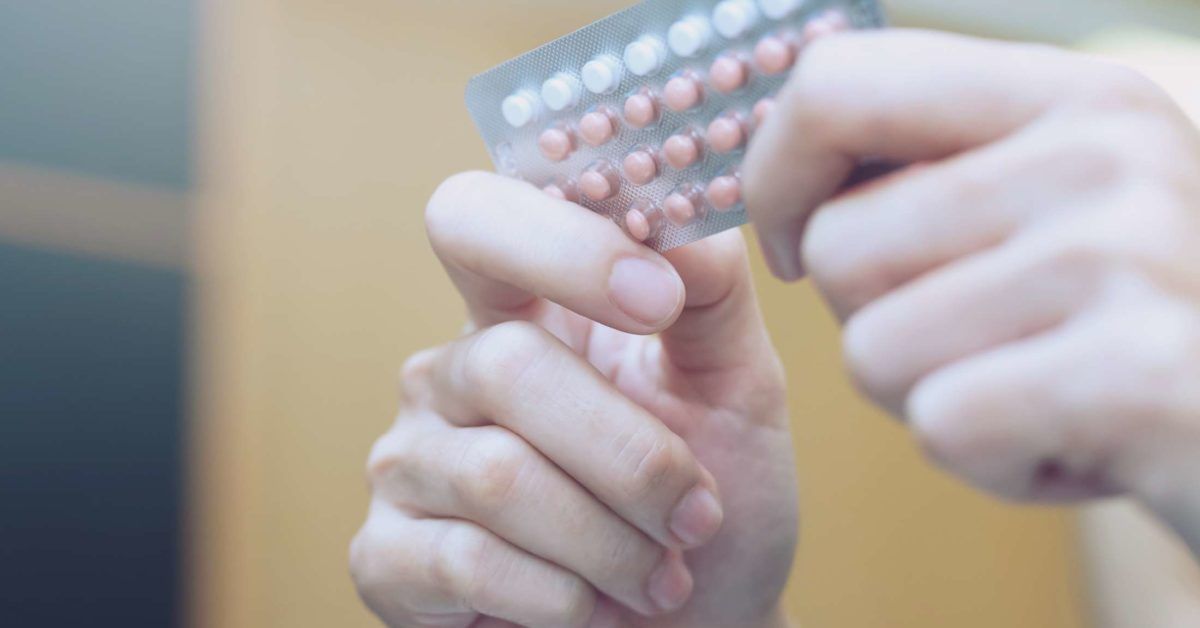
Hormonal birth control can change bleeding patterns. Pills, patches, rings, hormonal IUDs, implants, and shots may make periods lighter, irregular, delayed, or absent. Missing birth control pills or changing methods can also throw off your cycle temporarily. Some other medications may affect menstruation too, so it is worth reviewing changes with a clinician or pharmacist.
Medical Conditions
Conditions such as polycystic ovary syndrome, thyroid disorders, elevated prolactin, perimenopause, ovarian insufficiency, and certain chronic illnesses can cause irregular or missed periods. If your cycle suddenly changes without an obvious reason, medical evaluation can help identify what is going on.
Safe Ways to Support Your Period Naturally
1. Reduce Stress Where You Can
You cannot always delete stress from your life, but you can lower your body’s stress response. Try gentle breathing exercises, stretching, journaling, walking outside, limiting doom-scrolling, or getting support from someone you trust. Even small calming routines can help your nervous system shift out of emergency mode.
For example, if your period is late during exam week, a 20-minute walk and a real meal may do more for your cycle than obsessively checking your calendar app every 14 minutes. Your uterus does not respond well to surveillance.
2. Eat Enough and Eat Regularly
A balanced diet supports hormone production. Include carbohydrates, protein, healthy fats, iron-rich foods, fruits, vegetables, and enough calories for your activity level. If you have been skipping meals, dieting aggressively, or relying on caffeine and vibes, your cycle may protest.
Foods will not instantly trigger a period, but good nutrition can help regulate menstrual health over time. Think of it as giving your hormones the office supplies they need to do their job.
3. Choose Moderate Movement
Light to moderate exercise may improve circulation, mood, sleep, and stress levels. Walking, yoga, swimming, cycling, and gentle strength training are all reasonable options. However, if your period is late because you are overtraining, adding even more intense workouts is not the answer. In that case, rest and recovery may be more helpful than another punishing session.
4. Prioritize Sleep
Your menstrual cycle is influenced by hormonal rhythms, and sleep helps regulate those rhythms. Poor sleep can increase stress hormones and make your body feel less predictable. Aim for a consistent sleep schedule, a dark room, fewer screens before bed, and a wind-down routine that does not involve arguing with strangers online.
5. Use Heat for Comfort, Not as a Guarantee
A warm bath, heating pad, or warm compress may relax muscles and ease pelvic discomfort. Some people feel that heat helps their period “get going,” but there is no guarantee it will make menstruation start. Still, warmth can feel soothing, and honestly, comfort counts.
Can Sex Make Your Period Come Faster?
Some people report that sex or orgasm seems to bring on bleeding when their period is already close. This may be because orgasm can cause uterine contractions and increase pelvic blood flow. However, evidence is limited, and sex is not a dependable method to induce a period. If pregnancy is possible and you do not want to become pregnant, use contraception. “Maybe my period will come” is not a birth control strategy; it is a suspense film.
What About Vitamin C, Parsley Tea, Ginger, Pineapple, or Papaya?
Internet lists often claim that vitamin C, parsley tea, ginger, turmeric, pineapple, papaya, cinnamon, or other foods can make your period come faster. The problem is that strong scientific evidence is lacking. Eating normal amounts of fruit, herbs, and spices as part of a balanced diet is usually fine for many people, but taking high doses of supplements or concentrated herbal preparations can be unsafe.
Vitamin C megadoses can cause stomach upset and other side effects. Some herbs may interact with medications or be risky for people with kidney disease, bleeding disorders, pregnancy, or other health conditions. Parsley and other so-called emmenagogue herbs are especially concerning in large amounts or concentrated forms. Natural does not always mean safe. Poison ivy is natural too, and nobody invites it to brunch.
If a remedy promises to “start your period in one hour,” be skeptical. Menstrual bleeding begins after hormonal changes cause the uterine lining to shed. That process is not usually something a cup of tea can command on demand.
The Most Reliable Medical Option: Hormonal Cycle Management
If you regularly want to control when bleeding happenswhether to make it more predictable, delay it, reduce it, or skip ittalk with a healthcare provider about hormonal contraception. Combined birth control pills, the vaginal ring, and the patch can sometimes be used in scheduled ways to manage withdrawal bleeding. Some methods can reduce or stop periods over time, such as certain hormonal IUDs, implants, shots, or continuous pill regimens.
This does not mean everyone should use hormones. Your medical history matters, including migraine with aura, smoking status, blood clot risk, high blood pressure, liver disease, certain cancers, and other conditions. A clinician can help you choose a method that fits your body and goals.
It is also important to understand that hormonal methods are better at planning future bleeding than instantly triggering a natural period today. If you have a big event next month, ask early. Trying to reschedule your period the night before a beach trip is like trying to book a popular restaurant at 7 p.m. on Valentine’s Day: possible in theory, but do not build your whole plan around it.
When You Should Call a Healthcare Provider
Contact a healthcare provider if you miss three periods in a row, have not started menstruating by your mid-teens, or suddenly develop very irregular cycles. You should also seek care sooner if you have severe pelvic pain, heavy bleeding that soaks pads or tampons quickly, bleeding after sex, bleeding after menopause, foul-smelling discharge, fever, dizziness, fainting, unexplained weight changes, new acne or facial hair, nipple discharge, or symptoms of thyroid problems such as heat intolerance, cold intolerance, rapid heartbeat, constipation, or hair loss.
A provider may ask about your cycle history, sexual activity, pregnancy possibility, stress, eating patterns, exercise, medications, and symptoms. Tests may include a pregnancy test, thyroid testing, hormone labs, or pelvic imaging depending on your situation. The goal is not to scare you; it is to avoid missing a treatable cause.
Practical Plan If Your Period Is Late
Step 1: Check the Calendar
Look at the first day of your last period and your usual cycle length. If you are only a few days late and you recently had stress, travel, illness, or routine changes, your body may simply be running behind.
Step 2: Take a Pregnancy Test If Needed
If pregnancy is possible, test after your missed period. If negative and your period still does not arrive, repeat the test or contact a healthcare provider.
Step 3: Support Your Body for a Week
Eat enough, hydrate, sleep, reduce intense workouts, move gently, and manage stress. Avoid extreme diets, supplement megadoses, and risky herbal methods.
Step 4: Track Patterns
Use an app or simple notes to record cycle dates, bleeding flow, pain, stress, sleep, exercise, and symptoms. Patterns help you and your clinician understand what is normal for you.
Step 5: Get Medical Advice When Patterns Change
If irregularity becomes frequent, your period disappears for months, or symptoms feel unusual, schedule an appointment. Getting answers is better than asking the internet to read your ovaries like tea leaves.
Experiences Related to Trying to Make a Period Come Faster
Many people have had the experience of staring at a calendar and mentally bargaining with their body. “Please come before the trip.” “Please do not come during the wedding.” “Please arrive before I wear the white pants.” The emotional side of a late period can be surprisingly intense. Even when pregnancy is not likely, waiting can create anxiety, and anxiety can make the wait feel even longer.
One common experience is the “vacation countdown.” A person checks their tracking app and realizes their period is due on day two of a beach trip. Panic enters the chat. They search for foods to make a period come faster, drink extra ginger tea, take hot baths, and do yoga poses with the determination of an Olympic gymnast. Sometimes the period arrives before the tripbut it may have been about to arrive anyway. Other times, nothing happens, proving once again that the uterus has its own scheduling department and does not accept urgent emails.
Another familiar situation happens during stressful life events. Someone starts a new job, studies for finals, moves apartments, or goes through a breakup. Their period, usually predictable, suddenly comes a week late. They worry something is wrong, but after better sleep, regular meals, and a calmer routine, the next cycle returns to normal. This does not mean stress is harmless, but it shows how strongly the menstrual cycle can react to daily life.
Some people learn the hard way that over-exercising can delay bleeding. A new fitness program begins with excitement, but it quickly becomes intense: long workouts, strict meals, and not enough rest. Then the period disappears. In this case, the body may be asking for more fuel and recovery. Scaling back exercise, eating enough, and speaking with a clinician or dietitian can be more helpful than trying to “detox” or add more pressure.
There are also people who have used hormonal birth control to plan their bleeding successfully. With medical guidance, they may use pills, rings, or patches in a way that makes periods more predictable or less frequent. This can be helpful for people with painful cramps, heavy bleeding, menstrual migraines, endometriosis symptoms, anemia, or major events. The important detail is guidance. Hormones are powerful tools, not casual accessories like earrings.
Finally, many people discover that cycle tracking reduces panic. When you record your period for several months, you may notice that your “late” period is actually part of your normal range. Maybe your cycle is 31 days, not 28. Maybe travel always delays it. Maybe intense stress shows up in your cycle before it shows up anywhere else. Tracking gives you information, and information is much calmer than guessing.
Conclusion
If you are wondering what to do to make your period come faster, the safest answer is to support your body, rule out pregnancy, avoid risky internet remedies, and seek medical help when your cycle changes significantly. Natural habits like stress reduction, adequate food, moderate movement, rest, and sleep may help regulate your cycle over time, but they cannot guarantee instant bleeding. The most reliable way to manage period timing is through medical cycle control, usually involving hormonal options prescribed or recommended by a healthcare provider.
Your period may be inconvenient, dramatic, late, early, heavy, light, or weirdly committed to arriving during important plans. But it is also useful information about your health. Treat it less like an enemy and more like a monthly report from your bodysometimes annoying, often informative, and occasionally in need of professional review.