

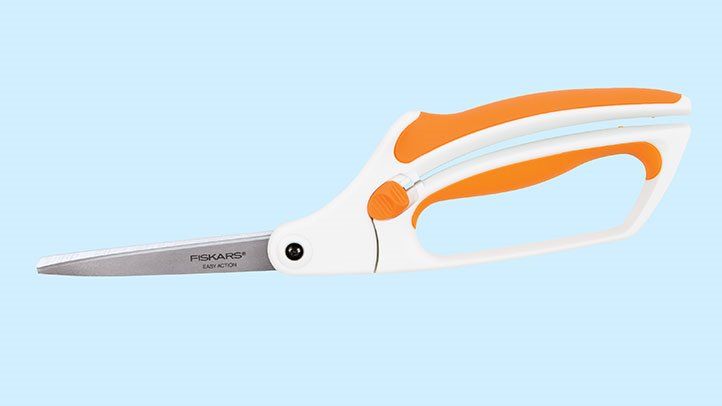
Rheumatoid arthritis does not politely knock before entering your day. It barges in, grabs your coffee mug, stiffens your fingers, and makes opening a jar feel like a competitive strongman event. RA is an autoimmune inflammatory condition that can cause joint pain, swelling, stiffness, fatigue, and reduced mobility. While medication and medical care are the foundation of treatment, the right everyday products can make life noticeably easier.
Let’s be clear: no glove, gadget, cushion, or miracle-looking bottle from the mysterious corner of the internet can “cure” rheumatoid arthritis. If a product promises to reverse RA overnight, it deserves the same level of trust as a raccoon selling investment advice. However, smart tools can reduce strain, support joints, conserve energy, improve comfort, and help people stay independent during daily routines.
This guide explores the best products to help people manage rheumatoid arthritis, from hand-friendly kitchen tools to heat therapy, mobility aids, ergonomic work gear, and practical home upgrades. Think of it as building an RA-friendly toolboxone that helps your joints work smarter, not harder.
Understanding What RA-Friendly Products Should Do
The best rheumatoid arthritis products usually share one goal: they reduce stress on painful or vulnerable joints. RA often affects the small joints of the hands, wrists, feet, knees, and ankles, but symptoms vary widely. Some people struggle most in the morning. Others feel worse after repetitive tasks, long periods of standing, or flare-ups.
Good RA management products should support at least one of these needs:
- Reduce gripping, twisting, pinching, or bending
- Improve joint alignment and stability
- Help with pain relief and stiffness
- Make cooking, dressing, bathing, and cleaning easier
- Support safe movement around the home
- Conserve energy during fatigue-heavy days
The “best” product is not always the fanciest one. Sometimes it is a $10 jar opener that saves your wrist from a battle with pasta sauce. Sometimes it is a custom splint made by an occupational therapist. Sometimes it is a shower chair that makes mornings feel less like an Olympic balance beam routine.
1. Compression Gloves for Hand Pain and Stiffness
Compression gloves are among the most popular products for people with rheumatoid arthritis in the hands. They provide gentle pressure, warmth, and light support. Many people use them during typing, reading, crafting, sleeping, or watching TV while pretending they are not about to fall asleep at 8:47 p.m.
What to look for
Choose gloves made from breathable fabric with flat seams and open fingertips. Open fingertips make it easier to use a phone, hold utensils, button clothing, and perform small tasks. Gloves should feel snug but not tight enough to leave deep marks, cause numbness, or turn your fingers into tiny sausages.
Compression gloves may help some people feel less stiffness, but they are not a substitute for medication or therapy. If swelling, numbness, or circulation problems occur, stop using them and ask a clinician for advice.
2. Wrist, Thumb, and Finger Splints
Splints can help support joints, reduce painful motion, and protect alignment during specific tasks or rest. For RA, splints are often used for wrists, thumbs, and fingers. A wrist splint may help when typing or cooking. A thumb splint can make gripping less painful. Finger splints may support joints affected by deformity or instability.
Prefabricated vs. custom splints
Store-bought splints can be useful for mild support, but custom splints from an occupational therapist or hand therapist may fit better and target specific joint problems. Poorly fitted splints can rub, restrict circulation, worsen stiffness, or make tasks awkward. In other words, a bad splint is not a medical device; it is a tiny medieval hand prison.
Use splints as directed. Wearing one constantly without guidance may reduce movement or strength over time. The goal is support, not putting your joints into permanent vacation mode.
3. Heat Therapy Products for Morning Stiffness
Heat is often helpful for stiff, achy joints and tight muscles. Many people with RA find warmth useful in the morning, before stretching, or before gentle movement. Good heat therapy products include microwavable wraps, electric heating pads, warm compresses, heated mitts, and warm baths.
Best options for RA comfort
- Microwavable hand mitts for stiff fingers
- Heating pads with automatic shutoff
- Warm neck and shoulder wraps
- Paraffin wax baths for hands and feet
- Warm shower chairs or bath aids for safer bathing
Use heat carefully. Warm is good. “I accidentally roasted my elbow” is not. Avoid falling asleep with an electric heating pad, and do not place heat directly on swollen, red, or actively inflamed joints unless your healthcare provider recommends it.
4. Cold Packs for Swelling and Flares
Cold therapy can help numb pain and reduce swelling during flares or after overuse. Flexible gel packs, reusable ice packs, cold wraps, and even a bag of frozen peas can work. Frozen peas are not glamorous, but neither is joint inflammation. We use the tools we have.
Wrap cold packs in a towel rather than placing them directly on skin. Use short sessions, usually around 10 to 20 minutes, and check your skin often. People with circulation problems, nerve issues, or skin sensitivity should be especially cautious.
5. Paraffin Wax Baths for Hands and Feet
A paraffin wax bath can feel luxurious, like a tiny spa day for joints that have been writing complaint letters since sunrise. These devices melt wax to create soothing warmth around the hands or feet. Many people use paraffin therapy to ease stiffness before hand exercises or daily tasks.
Choose a unit with temperature control, enough depth for comfortable dipping, and clear safety instructions. Do not use paraffin over open wounds, rashes, infections, or areas with reduced sensation. Always check the temperature before dipping.
6. Jar Openers, Bottle Openers, and Electric Can Openers
Kitchen tasks can be brutal on RA-affected hands. Twisting lids, pulling tabs, squeezing bottles, and gripping utensils can trigger pain fast. Adaptive kitchen tools help reduce pinch force and wrist rotation.
Helpful kitchen products
- Rubber jar grips
- Mounted jar openers under cabinets
- Electric jar openers
- Electric can openers
- Ring-pull can openers
- Easy-grip bottle openers
- Lightweight cookware with two handles
These tools are not just convenient; they protect your joints from repeated stress. Also, they prevent the deeply humbling experience of being defeated by a pickle jar in front of witnesses.
7. Easy-Grip Utensils and Adaptive Cooking Tools
Standard utensils often require tight gripping, which can aggravate hand pain. Easy-grip utensils have larger, softer handles that reduce strain. Adaptive knives, angled utensils, rocker knives, palm peelers, and lightweight cutting boards can make meal prep more manageable.
Look for non-slip handles, dishwasher-safe materials, and designs that keep the wrist in a neutral position. A rocker knife can be especially helpful because it uses a rocking motion instead of heavy downward pressure. Add a non-slip mat under bowls and cutting boards to reduce the need for gripping and stabilizing.
8. Button Hooks, Zipper Pulls, and Dressing Aids
RA can turn getting dressed into a puzzle designed by someone with a grudge against fingers. Button hooks, zipper pulls, long-handled shoehorns, sock aids, elastic shoelaces, and front-closing bras can make mornings easier.
Small tools, big difference
A button hook pulls buttons through buttonholes without painful pinching. Zipper pulls add a larger loop or tab to tiny zippers. Elastic shoelaces turn lace-up shoes into slip-ons while keeping support. These products are inexpensive, portable, and surprisingly life-changing on stiff-hand days.
9. Supportive Shoes and Orthotic Inserts
RA commonly affects the feet and ankles. Supportive footwear can reduce stress during walking and standing. Look for shoes with a wide toe box, cushioned soles, good arch support, stable heels, and adjustable closures such as Velcro straps or elastic laces.
Orthotic inserts may help redistribute pressure and improve comfort. Some people do well with over-the-counter inserts, while others need custom orthotics from a podiatrist or orthotist. Avoid shoes that squeeze toes, collapse at the heel, or require finger gymnastics to fasten.
10. Canes, Walking Poles, and Mobility Aids
Mobility aids are not signs of defeat. They are tools for doing more with less pain and less risk. A cane, walker, rollator, or walking poles can help with balance, reduce load on painful joints, and make longer outings less exhausting.
The key is proper fit. A cane that is too tall or too short can strain the wrist, shoulder, or back. Ask a physical therapist for help selecting and adjusting mobility aids. Bonus: a stylish cane can add a certain “wise main character entering the room” energy.
11. Ergonomic Office Products
For people who work at a desk, RA symptoms can be worsened by long typing sessions, awkward wrist angles, and poor posture. Ergonomic products can reduce strain and make workdays more comfortable.
Work-friendly RA products
- Ergonomic keyboard
- Vertical mouse or trackball mouse
- Adjustable chair with lumbar support
- Monitor riser
- Document holder
- Voice-to-text software
- Wrist rests used correctly and gently
Voice dictation can be especially useful during hand flares. Your computer may misunderstand a few words, but at least your fingers get a break. “Rheumatoid arthritis” may become “roommate artist crisis,” but editing that is still easier than typing through pain.
12. Shower Chairs, Grab Bars, and Bathroom Safety Products
The bathroom is one of the most important places to reduce fall risk. Wet surfaces, fatigue, morning stiffness, and painful knees or ankles are not a friendly combination. Safety products can make bathing easier and safer.
Consider a shower chair, handheld showerhead, non-slip bath mat, raised toilet seat, toilet safety frame, and professionally installed grab bars. Avoid suction-only grab bars as your main support because they may loosen. A grab bar should not have the commitment level of a sticky note.
13. Reachers, Grabbers, and Long-Handled Tools
Reachers and grabbers help pick up objects without bending, stretching, or crouching. Long-handled dusters, mops, bath sponges, and shoehorns can reduce strain on knees, hips, shoulders, and back.
These tools are especially useful during flares or after joint surgery. They also prevent the classic internal debate: “Do I really need the thing I dropped, or does it live on the floor now?”
14. Medication Organizers and Health-Tracking Tools
RA treatment often involves prescription medications, regular appointments, lab monitoring, and symptom tracking. A weekly pill organizer, medication reminder app, injection supply container, thermometer, and symptom journal can help people stay organized.
A good symptom tracker can record pain levels, morning stiffness duration, fatigue, sleep, flares, triggers, and medication effects. This information can help conversations with rheumatologists become more specific. “My hands hurt sometimes” is useful. “My morning stiffness lasts 90 minutes three days after overdoing yardwork” is even better.
15. Smart Home Devices for Energy Conservation
Smart speakers, voice-controlled lights, smart plugs, robotic vacuums, and automatic soap dispensers can reduce repetitive motions and unnecessary trips around the house. These products are not just tech toys; they can be practical energy savers.
Voice-controlled reminders can help with medication schedules. Smart lights reduce the need to get up repeatedly. A robotic vacuum may not clean with the emotional intensity of a person expecting guests in 20 minutes, but it can help keep floors manageable with less physical effort.
What About Topical Creams, Supplements, and Pain Relief Products?
Some over-the-counter topical products may temporarily relieve joint or muscle discomfort, but people with RA should use caution. Topical NSAIDs, menthol creams, capsaicin creams, and lidocaine products may not be appropriate for everyone and can interact with health conditions or other medications.
Be especially careful with supplements or “arthritis cure” products sold online. Some products may contain hidden ingredients, exaggerated claims, or unsafe combinations. Before using a pain-relief cream, herbal supplement, or new over-the-counter medication, ask your healthcare provider or pharmacist.
How to Choose the Best RA Products for Your Needs
Start with your hardest daily tasks. Do you struggle with opening jars, typing, walking, showering, cooking, sleeping, or managing fatigue? The best product is the one that solves a real problem you face often.
Use this simple buying checklist
- Comfort: Does it reduce pain or pressure?
- Fit: Is the size right for your body and joints?
- Ease of use: Can you use it during a flare?
- Safety: Does it reduce fall risk or prevent strain?
- Cleaning: Is it easy to wash or maintain?
- Durability: Will it survive real life, not just product photos?
- Professional input: Should a therapist fit or recommend it?
When possible, consult an occupational therapist, physical therapist, podiatrist, hand therapist, or rheumatology care team. These professionals can recommend products based on your joints, symptoms, home layout, work demands, and goals.
Real-Life Experience: What Helps Most When Living With RA
People living with rheumatoid arthritis often learn that managing RA is less about one magic product and more about building a rhythm. The products that help most are usually the ones that quietly remove friction from daily life. They do not announce themselves dramatically. They just make Tuesday less annoying.
One common experience is learning to respect morning stiffness. Many people keep heat therapy products near the bed or bathroom because the first hour of the day can be the hardest. A microwavable hand wrap, warm shower, compression gloves, or paraffin bath may help loosen things up before the real action begins: brushing teeth, making breakfast, answering messages, and convincing the body that yes, we are doing life today.
Kitchen tools often become favorites because they solve problems immediately. An electric can opener or jar opener may seem small until you realize how many meals involve twisting, gripping, pulling, lifting, and chopping. People with RA frequently describe adaptive kitchen tools as confidence boosters. Instead of waiting for someone else to open a bottle or cut vegetables, they can stay involved in cooking. Independence matters, even when the task is just making soup without arguing with the lid.
Work products can also make a major difference. A vertical mouse, ergonomic keyboard, voice dictation, and better chair setup may reduce the strain of long computer sessions. The trick is not waiting until pain is unbearable. Many experienced RA patients learn to rotate tasks: type for a while, dictate for a while, stretch gently, rest hands, then return. Pacing is not laziness. Pacing is strategy. It is the difference between finishing the day with some energy left and feeling like your joints filed a formal complaint.
Foot comfort is another lesson people often learn the hard way. Cute but unsupportive shoes may be fine for short events, but daily life with RA usually rewards stability, cushioning, and room for toes. Supportive shoes, orthotics, and easy closures can turn errands from “absolutely not” into “manageable.” The same goes for canes or walking aids. At first, some people resist them because they worry about looking different. Later, many discover that the right mobility aid means more freedom, not less.
Bathroom safety products are also underrated. A shower chair or grab bar may not sound exciting, but neither does slipping on tile when your knees are stiff. These products protect dignity, safety, and energy. They make personal care easier on days when fatigue is heavy or balance feels unreliable.
The biggest experience-based lesson is this: buy products for the life you actually live, not the life a catalog imagines. If you cook daily, upgrade the kitchen first. If your job requires typing, focus on ergonomic tools. If mornings are painful, invest in heat therapy and dressing aids. If fatigue is the main villain, smart home devices and lightweight cleaning tools may help more than another brace.
Living with RA often requires experimentation. Some products will become daily heroes. Others will end up in a drawer next to old chargers and mysterious keys. That is normal. The goal is not perfection. The goal is comfort, safety, independence, and fewer moments where a zipper, jar, or doorknob gets to feel powerful.
Conclusion
The best products to help people manage rheumatoid arthritis are practical, joint-friendly, and matched to real symptoms. Compression gloves, splints, heat and cold therapy tools, adaptive kitchen gadgets, dressing aids, supportive shoes, mobility aids, ergonomic office products, bathroom safety equipment, and smart home devices can all make daily life easier.
RA management should always begin with proper medical care, especially disease-modifying treatment guided by a rheumatologist. Products cannot replace medication, therapy, exercise, rest, or professional advice. But they can protect joints, reduce strain, conserve energy, and help people keep doing the things that matter.
In the end, the best RA product is not necessarily the most expensive or high-tech. It is the one that helps you open the jar, button the shirt, walk the extra block, cook the meal, take the shower safely, finish the workday, and feel a little more like yourself.
SEO Tags
Note: This article is for educational purposes only and should not replace advice from a rheumatologist, physician, occupational therapist, physical therapist, pharmacist, or other qualified healthcare professional.