

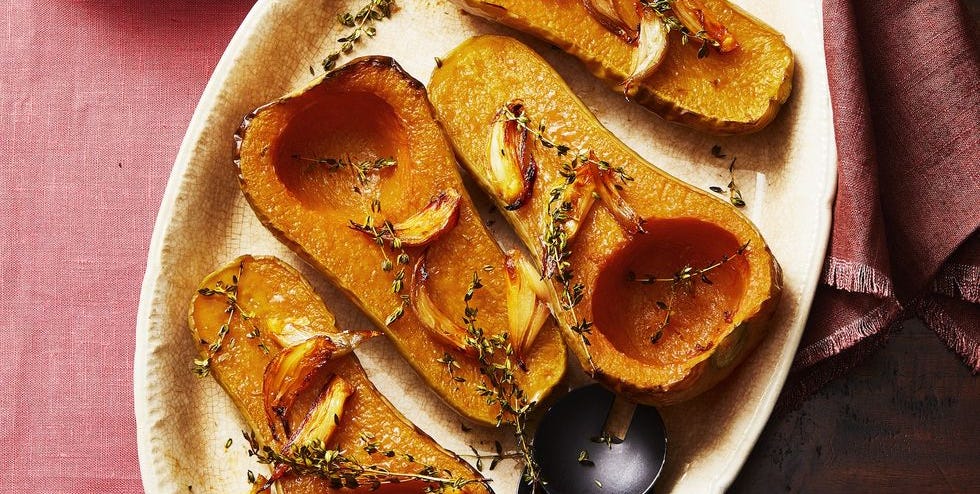
If fall had an official side dish, roasted butternut squash would be campaigning hard for the job. It is sweet, cozy, golden, and just fancy enough to make people think you planned dinner days in advance, even if you were really standing in the kitchen five minutes ago wondering what to do with that bowling-pin-shaped vegetable on the counter. The good news is that roasted butternut squash is not complicated. The better news is that once you learn a few simple tricks, it becomes one of the easiest and most reliable side dishes in your rotation.
This guide walks you through the best roasted butternut squash recipe, how to cut and roast it without turning your kitchen into a suspense film, how to season it for maximum flavor, and how to avoid the common mistakes that leave squash pale, soggy, or weirdly mushy. We will also cover serving ideas, storage tips, and real-life kitchen experiences that make the difference between “pretty good” and “who made this and why is it disappearing so fast?”
Why This Roasted Butternut Squash Recipe Works
The best roasted butternut squash recipe is not about burying the squash under ten ingredients and hoping for the best. It is about giving the squash enough heat, enough space, and just enough seasoning to let its natural sweetness caramelize. When roasted properly, the edges turn golden and slightly crisp, while the center stays soft, creamy, and almost buttery.
This version works especially well because it uses a hot oven, evenly cut cubes, a sensible amount of oil, and a single layer on the pan. Translation: better browning, less steaming, and more of that rich roasted flavor people actually want. Garlic, salt, black pepper, and a tiny pinch of smoked paprika build a savory backbone without overpowering the squash. A final squeeze of lemon or sprinkle of herbs wakes everything up right before serving.
Best Roasted Butternut Squash Recipe
Ingredients
- 1 medium butternut squash, about 2 1/2 to 3 pounds
- 2 tablespoons olive oil
- 3 garlic cloves, finely minced
- 1 teaspoon kosher salt
- 1/2 teaspoon freshly ground black pepper
- 1/2 teaspoon smoked paprika
- 1/2 teaspoon dried thyme or 1 teaspoon chopped fresh thyme
- 1 teaspoon maple syrup, optional for extra caramelized sweetness
- 1 teaspoon lemon juice, optional for finishing
- 1 tablespoon chopped parsley or sage, for garnish
Instructions
- Preheat the oven. Set your oven to 425 degrees F. Line a large rimmed baking sheet with parchment paper for easier cleanup, though you can roast directly on the pan if you prefer deeper browning.
- Peel and cut the squash. Trim off the top and bottom of the squash. Use a vegetable peeler to remove the skin. Cut the squash in half where the neck meets the bulb, then split each piece lengthwise. Scoop out the seeds from the bulb end and cut the flesh into roughly 1-inch cubes.
- Season it well. In a large bowl, toss the squash with olive oil, garlic, salt, pepper, smoked paprika, thyme, and maple syrup if using. Every piece should look lightly coated, not drenched like it just lost a fight with a salad dressing bottle.
- Spread it out. Arrange the cubes in a single layer on the baking sheet. Leave a little breathing room between pieces. Crowding is the enemy of caramelization.
- Roast until golden. Roast for 15 minutes, then flip the cubes with a spatula. Roast for another 10 to 20 minutes, depending on size, until the squash is tender in the center and browned on the edges.
- Finish and serve. Transfer to a serving dish. Add lemon juice if you want a little brightness, then scatter chopped parsley or sage over the top. Serve hot.
Yield and Timing
This recipe serves about 4 people as a side dish. Total prep time is usually 15 to 20 minutes, plus 25 to 35 minutes of roasting time. If you buy pre-cut squash, you can shave the prep time down dramatically and preserve your relationship with your cutting board.
How to Pick the Best Butternut Squash
If you want the best roasted butternut squash, start before the oven even turns on. Look for a squash with matte beige skin, no major soft spots, and a firm, heavy feel for its size. A long neck gives you more solid flesh and fewer seeds, which is great when you want cubes instead of a science project.
Minor scuffs are usually fine. Mushy patches, deep cuts, or shiny skin that looks oddly damp are not. Choose a squash that feels sturdy and solid. It should look like it has its life together.
How to Cut Butternut Squash Without Drama
Butternut squash is delicious, but it does have one personality flaw: it is hard as a brick before cooking. The easiest method is to trim the ends first so it sits flat. Peel it with a sturdy vegetable peeler, then separate the neck from the round base. Cut each piece lengthwise, scoop out the seeds, and slice into planks, strips, and cubes.
If your squash is especially stubborn, you can microwave it briefly to soften the skin before peeling. Another option is to roast it halved instead of cubed, but for the best roasted butternut squash recipe with caramelized edges on every bite, cubes are the real winners.
The Best Oven Temperature for Roasted Butternut Squash
Most great roasted butternut squash recipes land somewhere in the 400 to 425 degree F range, and that is not an accident. Lower temperatures cook the squash through, but they do not always create the same golden, caramelized edges. Higher heat encourages browning and concentrates the squash’s natural sweetness.
For cubed squash, 425 degrees F is the sweet spot. It is hot enough to roast efficiently without scorching the exterior before the center becomes tender. If your oven runs hot, check a little early. If your cubes are unusually large, give them a few extra minutes. Roasting is cooking, not mind reading.
How to Know When Roasted Butternut Squash Is Done
Good roasted butternut squash should be fork-tender, browned at the edges, and soft in the center without collapsing into baby food. If the pieces are pale, they probably need more time. If they are soft but not browned, the pan may be crowded or the oven temperature may be too low.
A perfectly roasted cube should hold its shape when you lift it with a spatula but yield easily when pierced with a fork. That texture is the jackpot: creamy inside, roasty outside, and deeply flavorful all around.
Flavor Variations That Actually Work
One reason people love learning how to make roasted butternut squash is that it plays nicely with both savory and sweet flavors. Once you master the base recipe, you can take it in several directions.
Savory Herb Version
Use rosemary, thyme, sage, garlic, and black pepper. Finish with Parmesan for a salty, nutty hit.
Sweet and Cozy Version
Add cinnamon, a small drizzle of maple syrup, and a pinch of salt. This version is especially good for holiday dinners.
Spicy Version
Add cayenne, chili flakes, or hot honey after roasting. The heat balances the squash’s natural sweetness beautifully.
Tangy Version
Toss with balsamic vinegar or finish with lemon juice. Acid helps cut through the richness and keeps the dish from tasting flat.
Fancy Enough for Company Version
Top with toasted pecans, pomegranate seeds, goat cheese, or tahini sauce. Suddenly your weeknight side dish is wearing a blazer.
Common Mistakes to Avoid
1. Cutting Uneven Pieces
If some cubes are tiny and others are enormous, you will end up with a pan containing both squash candy and squash lumber. Aim for even 1-inch pieces.
2. Overcrowding the Pan
This is the biggest issue in many roasted vegetable recipes. When the pan is crowded, the squash steams instead of roasts. Use two pans if needed. No shame. Only better dinner.
3. Using Too Little Oil
You do not need a flood of oil, but you do need enough to coat the squash lightly. Oil helps with browning, texture, and flavor.
4. Under-seasoning
Butternut squash is naturally sweet and mild. That is lovely, but it also means it needs salt and seasoning to taste complete. Taste after roasting and add a pinch more salt if needed.
5. Pulling It Too Early
Tender is good. Tender plus browned edges is better. Give it those extra few minutes if the color has not developed yet.
What to Serve with Roasted Butternut Squash
This dish is wildly versatile. It works next to roast chicken, turkey, pork tenderloin, salmon, or steak. It also fits beautifully into vegetarian meals with farro, quinoa, wild rice, lentils, or kale salads.
For a simple fall plate, serve roasted butternut squash with roasted chicken thighs and a crisp green salad. For the holidays, pair it with turkey, stuffing, cranberry sauce, and green beans. For a cozy meatless dinner, toss the roasted squash with arugula, goat cheese, toasted walnuts, and a sharp vinaigrette. It is basically the overachiever of side dishes.
How to Store and Reheat Leftovers
Let the squash cool slightly, then store leftovers in an airtight container in the refrigerator. It is best eaten within 3 to 4 days. For longer storage, freeze it in a freezer-safe container. Reheat in a 400 degree F oven or in an air fryer if you want to revive some of the crisp edges. The microwave works too, but the texture will be softer.
If you are meal prepping, roasted butternut squash is a great make-ahead ingredient for grain bowls, salads, pasta, soups, and wraps. It is one of those leftovers that quietly becomes more useful than half the things in your fridge.
Can You Roast Butternut Squash Whole?
Yes, and it is a useful option if cutting raw squash feels like a gym challenge you did not sign up for. You can roast the whole squash or roast it halved until tender, then scoop out the flesh. That method is excellent for mash, soup, or puree. Still, for the best roasted butternut squash recipe as a side dish, cubing first gives you more surface area, better browning, and more texture.
Real Kitchen Experiences with Roasted Butternut Squash
The first time many people make roasted butternut squash, they expect it to behave like potatoes. It does not. Potatoes are sturdy, earthy, and happy to soak up almost anything. Butternut squash is sweeter, softer, and a little more dramatic. It browns quickly on the edges, goes tender faster than expected, and can shift from “perfect” to “a little too soft” if you ignore it while scrolling your phone. That sounds like a warning, but it is really part of the charm. Once you cook it a few times, you start to understand its personality.
One thing home cooks often notice is how much the smell changes as the squash roasts. At first, it smells mild and vegetal. Then, somewhere around the halfway point, the kitchen starts smelling warm, sweet, and unmistakably autumnal. Garlic and herbs become more fragrant, and the edges of the squash start to deepen in color. It is the kind of aroma that makes people wander into the kitchen and ask, “What are you making?” in a tone that suggests they would also like a sample immediately.
Another common experience is realizing that spacing matters more than expected. On one pan, with enough room between cubes, the squash turns beautifully golden and caramelized. On an overcrowded pan, it gets soft but not especially interesting. This is usually the moment when cooks learn that roasting and steaming are not the same thing, and that a second baking sheet is not a sign of failure. It is a sign of wisdom.
Many people also discover that butternut squash is a crowd-pleaser in disguise. Someone at the table will say they are “not really into squash,” then casually take a spoonful, followed by another, followed by the last remaining piece when they think nobody is looking. The sweetness wins people over, especially when balanced with salt, pepper, herbs, cheese, or a tiny drizzle of maple syrup. Kids often like it more than expected. Adults act surprised every single time, as if roasted vegetables have just been invented.
There is also the holiday experience. Roasted butternut squash has a magical ability to look festive without being fussy. Toss it with sage and browned butter, or top it with pomegranate seeds and goat cheese, and suddenly it belongs at Thanksgiving, Christmas, or any dinner where people pretend they are too full for seconds and then absolutely go back for seconds. It sits comfortably next to richer dishes and brings color to a table that might otherwise be fifty shades of beige.
Finally, regular cooks come to love how forgiving the recipe is once the basics are right. You can switch the herbs, add spice, change the finish, or repurpose leftovers in salads, soups, and grain bowls. Some nights it is a simple side dish. Other nights it becomes the star of a warm bowl with quinoa, arugula, feta, and toasted nuts. That flexibility is what makes roasted butternut squash more than just a seasonal recipe. It becomes a habit, the kind of dependable kitchen win that shows up when you need something easy, satisfying, and just impressive enough to earn compliments.
Conclusion
If you have been wondering how to make roasted butternut squash that is actually worth repeating, the answer is wonderfully simple: cut it evenly, roast it hot, give it space, and season it with confidence. That is the whole trick. The result is a side dish that tastes cozy, looks beautiful, and works for everything from weeknight dinners to holiday feasts.
The best roasted butternut squash recipe is not trying too hard. It lets the squash do what it does best: turn sweet, tender, and deeply golden in the oven. Once you try it this way, do not be surprised if it starts showing up on your menu all season long.