

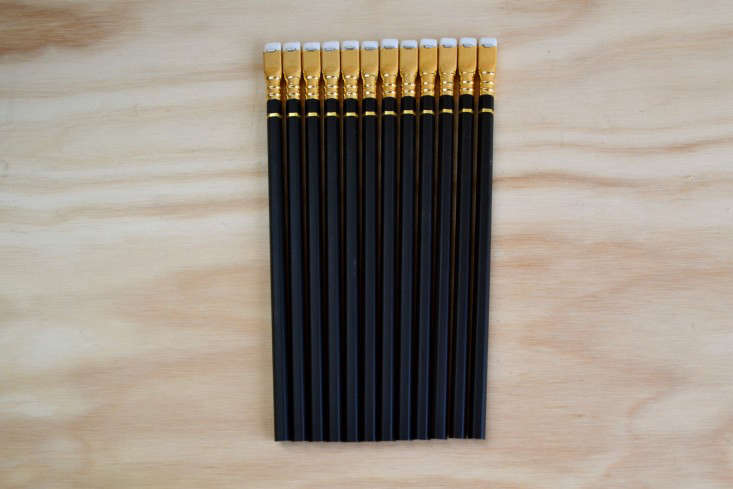
If you have ever watched a writer fuss over a pencil like it was a vintage sports car, chances are that pencil was a Blackwing. Or, as many fans still call them, a Blackwing Palomino pencil. This is not just another yellow stick with graphite in the middle. It is a cult object, a design icon, a premium writing tool, and, for some people, the only thing standing between a good sentence and a dramatic sigh.
Blackwing pencils have built a reputation that is part craftsmanship, part nostalgia, and part genuine performance. They are famous for their smooth graphite, their unmistakable square ferrule, and their replaceable eraser system that looks clever because it is clever. They are also one of the rare pencils that people discuss with the intensity normally reserved for coffee beans, fountain pens, or baseball statistics.
In this guide, we will break down what Blackwing Palomino pencils are, why they became so legendary, how the modern versions compare across the lineup, and whether they are actually worth the premium price. Spoiler: these are not the pencils you hand to someone who chews erasers during meetings.
What Are Blackwing Palomino Pencils?
The phrase Blackwing Palomino pencils usually refers to the modern revival of the Blackwing brand that longtime fans first knew through California Cedar’s Palomino line. That naming history matters because the pencil’s comeback is a big part of its mystique. Older users remember the original Blackwing 602 from the twentieth century. Newer fans discovered a revived version that brought the name, silhouette, and premium feel back for a fresh generation of writers, artists, musicians, and analog obsessives.
Today, Blackwing pencils are known less as everyday school supplies and more as premium graphite pencils designed for people who care about how a pencil feels on paper. The brand’s core appeal is simple: smooth writing, thoughtful design, and consistent performance. In a world full of disposable office gear, Blackwing feels intentional. Even the box looks like it expects respect.
The Short History Behind the Hype
The original Blackwing 602 was introduced in 1934 and became famous for a reason that sounds almost too poetic to be true: people really liked writing with it. Its slogan, “Half the Pressure, Twice the Speed,” helped define the brand’s identity, but the real magic came from the writing experience. The pencil developed a loyal following among notable creatives, including John Steinbeck and Chuck Jones, and later became the kind of object stationery people mention in slightly hushed tones.
Then came the heartbreak. After ownership changes and shifting priorities, the original Blackwing was discontinued in 1998. That is when the legend got bigger. Remaining stock became collectible, and individual pencils reportedly sold for startling prices on resale markets. A pencil that used to be a tool became a trophy. Nothing makes people love a thing quite like taking it away.
The modern comeback gave the story a second act. In 2011, the Blackwing 602 returned in a new era, carrying forward the spirit of the original while building a broader lineup. That revival did more than satisfy nostalgia. It turned Blackwing into a living brand again, one that could speak to writers drafting essays, artists shading portraits, and notebook fans who absolutely do not have too many supplies, thank you very much.
What Makes Blackwing Pencils Different?
The ferrule and eraser are iconic
The first thing most people notice is the square ferrule. It looks distinctive, a little industrial, and just unusual enough to stand out from a crowd of ordinary pencils. Paired with the replaceable eraser, it creates a practical design feature that also doubles as brand identity. Plenty of pencils erase. Very few do it with this much personality.
The graphite feels unusually refined
The real reason people stay loyal is the graphite. Blackwing cores are known for being smooth, dark, and responsive. Depending on the model, they can be better for long writing sessions, crisp notes, expressive sketching, or detailed line work. The best way to describe the Blackwing feel is this: it glides without feeling greasy, and it leaves a mark without feeling scratchy. That balance is harder to find than it sounds.
The materials help justify the reputation
Modern Blackwing core pencils use genuine California incense-cedar and premium graphite, which helps explain why sharpening tends to feel neat rather than messy. The barrel finish is also part of the experience. Blackwing pencils look polished, sharpen cleanly, and feel like a deliberate upgrade from mass-market pencils. They are premium in the way a well-made notebook or a quality kitchen knife is premium: not necessary for survival, but deeply satisfying once you notice the difference.
The Core Lineup: Which Blackwing Is Which?
One of the smartest things Blackwing does is offer a lineup with different graphite personalities. Choosing the right one depends on whether you write, sketch, annotate, or just enjoy dramatic pencil-related decision-making.
| Model | Graphite Feel | Best For | Personality |
|---|---|---|---|
| Blackwing 602 | Firm and smooth | Writing, note-taking, long sessions | The classic overachiever |
| Blackwing Matte | Soft and dark | Sketching, shading, bold writing | The drama major |
| Blackwing Pearl | Balanced and versatile | Mixed use, journaling, everyday carry | The crowd-pleaser |
| Blackwing Natural | Extra-firm | Detailed work, clean notes, longer point retention | The practical minimalist |
The Blackwing 602 remains the flagship for many users because it strikes a sweet spot. It is firm enough to hold a point better than softer pencils, but still smooth enough to feel luxurious. The Matte is darker and softer, making it a favorite for people who want expressive marks. The Pearl sits comfortably in the middle and often wins over users who want one pencil for almost everything. The Natural appeals to people who like a cleaner, more controlled line and less frequent sharpening.
Why Writers and Artists Keep Coming Back
Writers love Blackwing pencils because they help longhand feel less like labor. The 602 in particular has earned a reputation for fast, comfortable writing. If your hand cramps easily or if cheap pencils make your notes look like pale ghost scratches, Blackwing makes an immediate difference. The line appears with less pressure, which can make drafting feel smoother and more fluid.
Artists tend to appreciate the softer options, especially the Matte, because the graphite lays down darker, richer marks. Shading is easier, tonal variation feels natural, and the overall drawing experience is less scratchy than what you get from ordinary office pencils. Blackwing is not the only drawing pencil brand worth considering, of course, but it has a particular crossover appeal: it performs well for art while still looking like something a novelist would carry in a coat pocket.
There is also the emotional factor. Blackwing pencils are wrapped in cultural cachet. They are tied to famous creative people, beloved by stationery enthusiasts, and often talked about with the kind of reverence that normally surrounds vintage typewriters or old cameras. That story matters. Tools are never just tools when people build rituals around them.
Are Blackwing Palomino Pencils Worth the Money?
That depends on what you want from a pencil. If you need a dozen pencils for standardized testing, classroom borrowing, or lending to the coworker who somehow loses everything, Blackwing is overkill. A premium pencil is still a pencil, and it can still walk away from your desk forever.
But if you write every day, sketch regularly, or genuinely care about the tactile experience of analog tools, Blackwing makes a strong case for itself. You are paying for better materials, more refined graphite, distinctive design, and a writing experience that feels intentionally engineered. In that sense, Blackwing is less about utility alone and more about turning an ordinary act into a better one.
- Pros: smooth graphite, elegant design, reliable performance, iconic eraser system, strong brand heritage
- Cons: premium price, too nice to lend casually, some softer cores need more sharpening, collecting them can become a hobby all by itself
So yes, for the right user, Blackwing pencils are worth it. Not because they are magic, but because they make small daily tasks feel better. That is not trivial. A lot of life is small daily tasks.
How to Choose the Right Blackwing Pencil
Choose the 602 if you mostly write
If your main use is drafting, outlining, journaling, editing, or taking notes, start with the Blackwing 602. It is the model most closely associated with the brand’s legend, and it earns that reputation by being comfortable, smooth, and controlled.
Choose the Matte if you want darker marks
If you love rich lines, dramatic shading, or softer graphite that feels almost velvety on paper, the Matte is the move. It is bold, expressive, and a favorite among people who want their pencil marks to show up with conviction.
Choose the Pearl if you want one pencil for everything
The Pearl is the diplomatic solution. It is balanced, versatile, and often the best entry point for users who do not yet know whether they lean more writer or artist.
Choose the Natural if you hate constant sharpening
The Natural offers extra-firm graphite and better point retention, which makes it great for clean notes, planners, detailed lines, and anyone who wants their pencil to behave itself for longer stretches.
Beyond the Core: The Collector Appeal
Blackwing did not stop at four core pencils. Limited editions and the brand’s themed Volumes releases helped turn the pencil into something collectible. These editions often pay tribute to cultural figures, music, sports, art, or historic moments, which gives buyers more than a writing instrument. It gives them a story.
That collector energy is part of why Blackwing has remained relevant. The company understands that a pencil can be both a tool and an object of affection. Some people buy one box and use every pencil down to the ferrule. Others keep certain editions pristine like tiny wooden museum pieces. Both approaches are valid. One is practical. The other is a cry for better display shelving.
A Longer Experience Section: What Using Blackwing Palomino Pencils Actually Feels Like
The experience of using Blackwing Palomino pencils is hard to explain until you spend a week with one in regular life instead of treating it like a special-event pencil. At first, the attraction seems visual. The barrel looks sharp, the ferrule looks unusual, and the whole thing has that premium-object energy that says, “Please do not leave me in the bottom of a junk drawer with dead highlighters.” But after a few pages of real use, the visual charm stops being the point. The feel becomes the point.
When a Blackwing 602 touches paper, the first surprise is usually how little pressure it takes to make a clean, readable line. You do not feel like you are digging into the page. You feel like the pencil is meeting you halfway. Long writing sessions become easier because your hand is not working as hard to force pale graphite into submission. If you are outlining an article, editing a printout, or scribbling ideas before they disappear, that ease adds up fast.
The Pearl creates a slightly different mood. It feels like the easygoing friend in the lineup, flexible enough for notes in the morning, margin comments in the afternoon, and a quick sketch in the evening. The Matte, by contrast, is the extrovert. It shows up dark and confident, leaving richer lines that make ordinary handwriting look a little more intentional than it probably is. The Natural is the calm, efficient one that keeps its point longer and seems especially happy doing precise work without making a fuss.
Then there is the sharpening ritual, which Blackwing users talk about with surprising sincerity and almost no shame. Because the cedar sharpens cleanly and the pencil itself feels well made, the process is satisfying instead of annoying. A fresh Blackwing point looks crisp and ready, like a tiny promise that maybe this draft, sketch, list, or crossword puzzle will finally go your way. Maybe not. But at least the pencil showed up prepared.
There is also a subtle psychological effect that comes from using a tool with a strong identity. People often take better notes with tools they enjoy. They journal longer with notebooks they like. They sketch more often with pencils that reward the habit. Blackwing benefits from that effect. It makes analog work feel elevated without becoming precious. Yes, it is nice. Yes, it costs more than an office-supply pencil. But the real appeal is not luxury for luxury’s sake. It is friction reduction. It is one less small annoyance in a day full of them.
Over time, users tend to develop preferences that sound oddly personal. Some become loyal to the 602 and will defend it like family. Some discover that the Matte is perfect for loose ideas and rough art. Some settle on the Pearl because it never seems wrong. That is part of the charm. Blackwing does not just sell pencils. It gives people a favorite pencil, and those are not the same thing.
Final Thoughts
Blackwing Palomino pencils are not popular just because they are pretty, nostalgic, or tied to famous names. They are popular because they do the basic job of a pencil exceptionally well. They write smoothly, sharpen cleanly, erase intelligently, and feel like tools made by people who care about the user experience.
That combination of performance, history, and design explains why Blackwing has outgrown its cult status without losing the cult-like affection. Whether you are a writer chasing better drafts, an artist hunting for a reliable graphite feel, or simply someone who enjoys well-made tools, Blackwing pencils earn their reputation honestly. Not every legendary product lives up to the legend. This one usually does.