

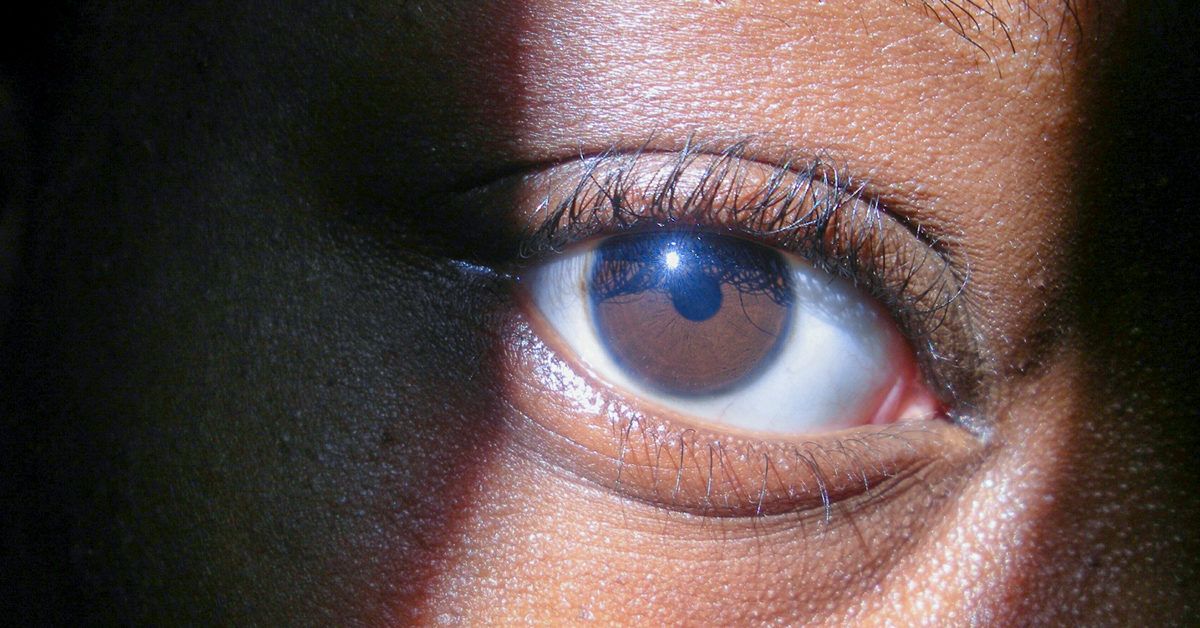
A blue ring around the eye can look dramatic enough to make anyone sprint to the mirror, tilt their head under bathroom lighting, and wonder whether their eyeball has quietly joined a sci-fi franchise. The good news: in many adults, a blue, gray, or white ring near the colored part of the eye is usually a harmless age-related change called arcus senilis, also known as corneal arcus.
Still, “usually harmless” is not the same as “ignore it forever.” A blue ring around the iris may sometimes point to high cholesterol, familial hypercholesterolemia, copper buildup disorders, blue sclera, injury, inflammation, or other health issues. The key is understanding where the blue color appears, how quickly it developed, whether it affects one eye or both, and whether you have symptoms such as pain, redness, blurred vision, headache, or sudden vision changes.
This guide explains what a blue ring around the eye may look like, the most common causes, when it needs medical attention, and what treatment options are available. Think of it as your calm, practical eye-health explainerminus the panic and plus a little common sense.
What Does a Blue Ring Around the Eye Look Like?
People often use the phrase blue ring around eye to describe several different visual changes. The most common is a pale blue, gray, or white ring around the outer edge of the corneathe clear dome that sits in front of the iris and pupil. It may look like the iris has a second outline, but the color is actually in the corneal edge, not the iris itself.
Picture Guide: Common Visual Patterns
Picture 1: Pale blue-gray ring around the iris. This is the classic look of corneal arcus. It often begins as two arcsone at the top and one at the bottom of the corneabefore gradually forming a complete ring.
Picture 2: White or gray halo at the edge of the cornea. In older adults, this often represents arcus senilis. It usually appears in both eyes and does not cause pain, discharge, or vision loss.
Picture 3: Brown, greenish, or golden ring near the cornea. This may suggest a Kayser-Fleischer ring, which is linked most strongly to Wilson disease, a rare disorder involving copper buildup.
Picture 4: Bluish tint across the white part of the eye. This is different from a ring. A blue tint in the sclerathe white of the eyeis called blue sclera and may be associated with thin scleral tissue, iron deficiency, certain connective tissue disorders, or genetic conditions.
Picture 5: Blue, purple, or dark ring around the outside of the eye socket. This is not corneal arcus. It may be bruising, allergic shiners, lack of sleep, skin pigmentation, trauma, or under-eye vascular shadowing.
The Most Common Cause: Arcus Senilis
Arcus senilis is a ring or arc of lipid deposits around the outer edge of the cornea. These deposits are made mostly of fats such as cholesterol, phospholipids, and triglycerides. The ring may appear blue, gray, white, or yellowish depending on lighting, eye color, and the thickness of the deposit.
In people over about 50 or 60, arcus senilis is common and generally considered a normal part of aging. It does not grow over the pupil, does not block light, and typically does not affect vision. In other words, it may look like your eye got a decorative border, but it usually does not change how well you see.
Why Does Arcus Senilis Happen?
As people age, the tiny blood vessels near the edge of the cornea can allow more lipids to settle in the corneal tissue. The deposits collect at the corneal rim and create that visible ring. It is usually gradual, painless, and symmetrical.
Arcus senilis is more common with age, but it may also be seen more often in men, people with a family history of high cholesterol, and some ethnic groups. Having the ring does not automatically mean a person has dangerous cholesterol levels, especially if they are older. But age matters a lot. A blue or white corneal ring in a 75-year-old is usually less concerning than the same finding in a 25-year-old.
Blue Ring Around Eye in Younger Adults
When a blue, gray, or white ring around the cornea appears in children, teenagers, or younger adults, doctors may call it arcus juvenilis. This deserves more attention because it can be associated with high cholesterol or an inherited cholesterol disorder called familial hypercholesterolemia.
Familial hypercholesterolemia can cause very high LDL cholesterol from an early age. Because high cholesterol often has no obvious symptoms, a ring around the cornea may be one of the few visible clues. Other possible signs include yellowish cholesterol deposits around the eyelids, bumps or deposits over tendons, or a family history of early heart attack or coronary artery disease.
If you are under 40 and notice a blue or white ring around your iris, it is wise to schedule an eye exam and ask your primary care provider about a lipid panel. That blood test checks total cholesterol, LDL cholesterol, HDL cholesterol, and triglycerides. Your eye may be trying to send a memo before your arteries send a strongly worded complaint.
Other Possible Causes of a Blue Ring Around the Eye
Although corneal arcus is the most common explanation, not every blue ring around the eye is the same condition. Location and symptoms matter.
1. Kayser-Fleischer Rings
Kayser-Fleischer rings are caused by copper deposits in the cornea. They usually appear brown, greenish, golden, or rusty rather than pale blue, but some people may describe them simply as a colored ring around the eye. These rings are strongly associated with Wilson disease, a rare inherited condition that causes copper to build up in the liver, brain, eyes, and other tissues.
Wilson disease may cause liver problems, tremors, movement changes, speech problems, mood changes, fatigue, abdominal swelling, jaundice, or neurologic symptoms. Diagnosis may involve a slit-lamp eye exam, blood tests, urine copper testing, liver evaluation, and genetic testing. Treatment may include copper-chelating medicines, zinc therapy, and a low-copper diet under medical supervision.
2. Blue Sclera
If the white part of the eye looks blue rather than the cornea having a ring, the issue may be blue sclera. This happens when the sclera is thinner or more translucent than usual, allowing the darker tissue underneath to show through.
Blue sclera may be associated with iron deficiency, osteogenesis imperfecta, Ehlers-Danlos syndrome, Marfan syndrome, certain medications, aging, or other connective tissue conditions. In babies and young children, a bluish scleral tint should be evaluated, especially if there are frequent fractures, hearing issues, unusual flexibility, poor growth, or other systemic symptoms.
3. Eye Injury or Bruising
A blue or purple ring around the outside of the eye may be bruising, especially after trauma. A black eye can change from purple-blue to greenish-yellow as it heals. However, eye trauma can also cause serious internal injury, so symptoms such as vision loss, severe pain, double vision, bleeding, unequal pupils, or trouble moving the eye require urgent care.
4. Allergic Shiners and Under-Eye Circles
Dark bluish circles under the eyes are often caused by congestion, allergies, thin skin, genetics, dehydration, lack of sleep, or visible blood vessels. These are not usually related to the cornea or cholesterol. They may improve with allergy treatment, sleep, hydration, cold compresses, and skin care, though genetics can be stubborn. Genetics has a way of saying, “Nice routine, but I was here first.”
5. Contact Lens Issues
Contact lenses can sometimes cause redness, irritation, corneal swelling, or infection. They typically do not cause a true lipid ring like arcus senilis, but contact lens wearers may notice halos, discoloration, or unusual reflections. Pain, light sensitivity, discharge, or blurred vision while wearing contacts should be evaluated quickly, because corneal infections can become serious.
6. Corneal Inflammation or Degeneration
Some corneal conditions can create rings, haze, scars, or color changes. Unlike arcus senilis, these may come with symptoms such as redness, foreign-body sensation, light sensitivity, tearing, or reduced vision. An eye doctor can distinguish these conditions with a slit-lamp exam.
Is a Blue Ring Around the Eye Dangerous?
A blue ring around the cornea is often not dangerous in older adults, especially when it appears gradually in both eyes and causes no symptoms. Arcus senilis itself does not damage vision and usually does not require direct treatment.
However, it can be a clue worth investigating in younger people. High cholesterol, especially high LDL cholesterol, can increase the risk of plaque buildup in arteries, heart disease, and stroke. The eye ring is not the dangerous part; the possible underlying cholesterol problem is the part that deserves attention.
When to See a Doctor
Schedule a routine eye exam if you notice a new ring around your cornea, especially if you are under 50. See a medical provider for cholesterol testing if you are younger, have a family history of high cholesterol or early heart disease, or also have yellow deposits around the eyelids.
Seek urgent medical care if the blue ring or eye discoloration appears suddenly with eye pain, blurred vision, vision loss, severe headache, nausea, vomiting, light sensitivity, eye injury, chemical exposure, new double vision, or a pupil that looks abnormal. Eyes are tiny organs with big drama potential, so sudden symptoms deserve respect.
How Doctors Diagnose the Cause
An eye doctor will usually begin with a visual exam and a slit-lamp examination. A slit lamp uses bright light and magnification to examine the cornea, iris, lens, and other eye structures. This exam can often confirm whether the ring is corneal arcus, a Kayser-Fleischer ring, corneal scarring, inflammation, or another eye finding.
Depending on your age, appearance of the ring, and medical history, your doctor may recommend additional testing. Common next steps include a fasting or nonfasting lipid panel, blood pressure check, diabetes screening, family history review, liver function tests, copper studies, or referral to a specialist.
Treatment for a Blue Ring Around the Eye
Treatment depends on the cause. There is no one-size-fits-all eye-ring eraser, and despite what the internet may imply, your cornea is not a kitchen countertop that needs polishing.
Treatment for Arcus Senilis
Arcus senilis itself does not need treatment. The ring generally does not go away, and there is no medically recommended cosmetic procedure to remove it. Since it does not affect vision, most eye doctors simply document it and monitor overall eye health.
If arcus appears in an older adult with no other warning signs, reassurance may be all that is needed. If it appears in a younger person, treatment focuses on checking and managing cholesterol or other risk factors.
Treatment for High Cholesterol
If cholesterol is high, a healthcare provider may recommend lifestyle changes, medication, or both. Lifestyle measures often include eating more vegetables, fruits, legumes, whole grains, nuts, and fish; reducing saturated fat and trans fat; increasing soluble fiber; exercising regularly; quitting smoking; limiting alcohol; improving sleep; and maintaining a healthy weight.
Some people also need prescription medications such as statins, ezetimibe, PCSK9 inhibitors, or other lipid-lowering therapies. People with familial hypercholesterolemia often need more aggressive treatment because their LDL cholesterol may be high regardless of diet and exercise. Lifestyle matters, but genetics sometimes shows up wearing steel-toed boots.
Treatment for Kayser-Fleischer Rings
When Kayser-Fleischer rings are caused by Wilson disease, treatment focuses on lowering copper levels. This may involve medications such as penicillamine or trientine, zinc therapy, and dietary changes to reduce copper intake. Treatment should be managed by specialists because Wilson disease can affect the liver and nervous system.
Treatment for Blue Sclera
Blue sclera treatment depends on the underlying cause. Iron deficiency may require iron replacement and evaluation for why the deficiency occurred. Connective tissue disorders or bone conditions may require care from specialists such as geneticists, rheumatologists, orthopedists, or ophthalmologists.
Treatment for Bruising or Allergic Circles
Bruising around the eye may improve with cold compresses in the first 24 to 48 hours and time, but trauma should be evaluated if there are red flags. Allergic shiners may improve with allergy control, nasal saline, antihistamines, avoiding triggers, and treating sinus congestion. Persistent or one-sided swelling should be checked.
Can You Prevent a Blue Ring Around the Eye?
You cannot always prevent arcus senilis because aging is a major factor. Unless someone has discovered how to unsubscribe from birthdays, some age-related changes are simply part of the package.
However, you can reduce health risks linked with cholesterol and cardiovascular disease. Get cholesterol screening as recommended, know your family history, eat a heart-supportive diet, move your body regularly, avoid tobacco, manage blood pressure and blood sugar, and follow your healthcare provider’s treatment plan if your cholesterol is high.
Common Myths About Blue Rings Around the Eyes
Myth 1: A Blue Ring Means You Are Going Blind
False. Corneal arcus does not usually affect vision. It sits at the outer edge of the cornea and does not cover the pupil.
Myth 2: Only People With High Cholesterol Get Arcus
False. Many older adults develop arcus senilis without having dangerously high cholesterol. In younger people, though, cholesterol testing is more important.
Myth 3: Eye Drops Can Remove the Ring
False. Regular eye drops do not dissolve corneal lipid deposits. If someone sells “ring-removing” drops online, be skeptical. Your eyes deserve better than mystery potions with ambitious marketing.
Myth 4: A Blue Ring Is Always Arcus Senilis
False. Blue sclera, Kayser-Fleischer rings, bruising, allergy-related shadows, contact lens complications, and corneal disease can all be mistaken for a blue ring. An eye exam is the best way to know.
Daily-Life Experiences: What People Often Notice First
Many people first notice a blue ring around the eye in the least glamorous way possible: while brushing their teeth under harsh bathroom lighting. One day the eye looks normal, and the next day there seems to be a pale border around the iris. In reality, the ring may have been forming slowly for years. Bathroom lights, phone cameras, magnifying mirrors, and comments from family members often make it suddenly noticeable.
A common experience is thinking the iris has changed color. Someone with brown eyes may feel like their eyes now have a gray-blue outline. Someone with blue eyes may notice a cloudy rim that makes the eye look lighter near the edge. This can feel alarming, especially because eyes are emotional real estate. We recognize ourselves through them. A small change can feel huge.
Another common situation happens during routine eye exams. A person may visit for new glasses and hear the optometrist mention “arcus.” The word sounds dramaticlike a villain in a fantasy novelbut the explanation is often reassuring. The doctor may say the ring is common with age and does not affect vision. For older adults, that may be the end of the story. For younger adults, the doctor may recommend cholesterol testing, which can be a useful early warning sign.
Some people discover the ring after taking close-up photos. Modern phones are wonderfully rude; they reveal pores, stray eyebrow hairs, and eye details nobody requested in 4K. A selfie may show a light ring around the cornea that was not obvious in normal conversation. If the ring appears in both eyes and there are no symptoms, it is less likely to be an emergency, but it is still worth asking an eye professional about it at the next exam.
People with a family history of high cholesterol often describe the ring as the clue that pushed them to get tested. They may feel perfectly healthy, exercise occasionally, and eat reasonably well, yet still have high LDL cholesterol because of genetics. In those cases, the eye finding can lead to earlier treatment and better long-term heart protection. That is not a reason to panic; it is a reason to appreciate the body’s strange little warning signs.
Parents may react differently when they see a ring around a child’s eye. In children and teenagers, a corneal ring should not be brushed off as normal agingbecause, obviously, a 12-year-old should not be collecting senior discounts from their corneas. Pediatric evaluation may include an eye exam, lipid testing, and family history review. Early detection of inherited cholesterol problems can make a major difference.
Contact lens wearers often worry that lenses caused the ring. Most true arcus rings are not caused by contacts. However, contact lenses can cause irritation, redness, corneal swelling, infection, or discomfort. If the eye hurts, becomes light-sensitive, produces discharge, or vision becomes blurry, contacts should be removed and medical care should be sought promptly.
Some adults feel self-conscious about the appearance of arcus senilis. That is understandable. Facial changes can affect confidence. But arcus is common, harmless in many older adults, and often far less noticeable to others than it is to the person staring into a magnifying mirror at midnight. Most people are too busy worrying about their own face to audit the rim of your cornea.
The best practical approach is simple: note when you first noticed it, check whether it is in one eye or both, pay attention to symptoms, and schedule an eye exam. If you are younger or have heart disease risk factors, ask for cholesterol testing. You do not need to diagnose yourself from bathroom lighting, social media photos, or a panicked search history. Let a trained professional look closely and guide the next step.
Conclusion
A blue ring around the eye is most often caused by corneal arcus, especially in older adults. This pale blue, gray, or white ring forms from lipid deposits at the outer edge of the cornea and usually does not affect vision. In younger people, however, it may be linked to high cholesterol or familial hypercholesterolemia, so medical evaluation is important.
Other causes, including Kayser-Fleischer rings, blue sclera, bruising, allergic shadows, contact lens complications, and corneal disease, can look similar to the untrained eye. The safest move is not to panic, but not to ignore it either. An eye exam and, when appropriate, cholesterol or systemic health testing can turn a mysterious mirror moment into a clear plan.
Note: This article is for general educational purposes and should not replace professional medical advice. Anyone with sudden vision changes, eye pain, eye injury, or a new eye ring at a young age should consult an eye care professional or healthcare provider.