

Noticing body hair loss can feel weirdly personal. One day your legs, arms, eyebrows, beard area, chest, or underarms seem normal; the next day, your body looks like it quietly canceled its hair subscription without sending an email. Before panic grabs the steering wheel, take a breath. Losing body hair can happen for many reasons, and not all of them are scary.
Body hair loss may be temporary or permanent, mild or dramatic, harmless or a clue that something deeper needs attention. The important question is not only “Why am I losing body hair?” but also “Where is it happening, how fast did it start, and what else is going on with my body?” Your skin, hormones, immune system, circulation, medications, nutrition, and daily habits can all influence hair growth.
This guide breaks down the most common causes of losing body hair, what symptoms to watch for, when to call a healthcare professional, and what real-life experiences often look like. No miracle potions, no panic parade, and absolutely no blaming your shampoo for every mysterious follicle event.
Body Hair Loss: What Counts as Normal?
Hair grows in cycles. It has a growth phase, a transition phase, and a resting phase before it naturally sheds. That is true for scalp hair and body hair, although body hair usually grows shorter and more slowly. So yes, some shedding is normal. The human body is not a museum exhibit; it remodels constantly.
Normal body hair changes can happen with age, genetics, seasonal shifts, hormone changes, and friction from clothing. Some people naturally have sparse body hair. Others notice body hair becomes thinner over time, especially on the legs, arms, or chest. That said, sudden hair loss, patchy bald spots, eyebrow thinning, leg hair disappearing with pain or cold feet, or hair loss with rash, scaling, fatigue, or weight changes deserves a closer look.
Common Reasons You May Be Losing Body Hair
1. Alopecia Areata: When the Immune System Targets Hair Follicles
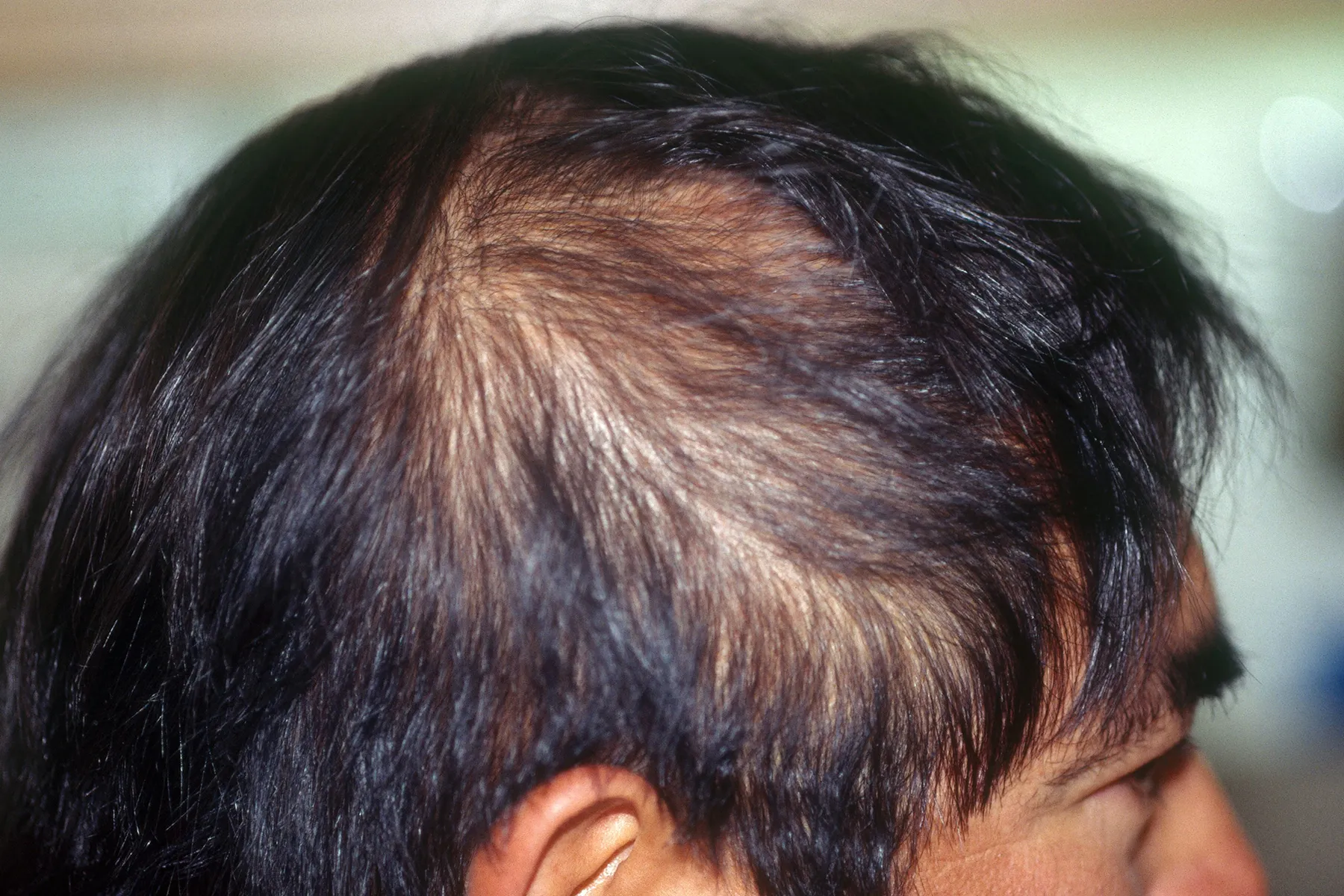
Alopecia areata is an autoimmune condition in which the immune system mistakenly attacks hair follicles. It often causes round or oval patches of hair loss on the scalp, but it can also affect eyebrows, eyelashes, beard hair, arms, legs, and other body areas.
Some people develop only one small patch. Others experience more widespread hair loss. Alopecia totalis affects nearly all scalp hair, while alopecia universalis can cause nearly complete hair loss across the scalp, face, and body. That sounds dramatic because it is, but treatments are available, and some people experience regrowth.
Signs that may point to alopecia areata include smooth patches of missing hair, sudden thinning in a specific area, eyebrow or eyelash loss, and sometimes tiny dents or roughness in the nails. The skin usually looks normal, not scaly or infected. A dermatologist can often diagnose it by examining the pattern and may recommend treatments such as corticosteroids, topical medicines, or newer immune-targeting therapies depending on severity.
2. Thyroid Problems
Your thyroid is a small gland with a huge résumé. It helps regulate metabolism, energy, temperature, heart rate, skin, nails, and hair growth. When thyroid hormone levels are too low, called hypothyroidism, body systems can slow down. Hair may become dry, coarse, brittle, or thinner. Some people notice thinning eyebrows, scalp hair shedding, or body hair loss.
Possible thyroid-related clues include fatigue, feeling cold, dry skin, constipation, unexpected weight gain, brain fog, low mood, puffy face, or changes in menstrual cycles. Hyperthyroidism, or too much thyroid hormone, can also affect hair. Because symptoms overlap with many other conditions, blood testing is the practical way to check thyroid function.
3. Hormonal Changes and Low Testosterone
Hormones act like traffic signals for hair follicles. When signals change, hair growth can change too. In males, low testosterone or hypogonadism may lead to reduced facial and body hair growth over time. It may also come with reduced muscle mass, fatigue, lower energy, or mood changes.
Hormonal shifts can also affect women, especially around pregnancy, postpartum recovery, perimenopause, menopause, or conditions that influence androgen levels. While scalp hair loss gets most of the spotlight, body hair can also become thinner when hormone levels shift.
The key point: do not self-diagnose hormone problems based only on hair. Body hair is a clue, not a courtroom confession. A clinician may use symptom history and lab tests to decide whether hormone levels are part of the story.
4. Peripheral Artery Disease and Poor Circulation
If body hair loss is mostly on the legs or feet, circulation deserves attention. Peripheral artery disease, often shortened to PAD, happens when narrowed arteries reduce blood flow to the legs. Reduced circulation can cause slower hair growth or hair loss on the legs, along with shiny skin, slow-growing toenails, coldness in one foot or leg, leg cramps while walking, numbness, color changes, or wounds that heal slowly.
This is one of the more important causes not to ignore. Leg hair loss by itself does not automatically mean PAD, but leg hair loss plus pain with walking, cold feet, weak pulses, or non-healing sores should be checked. PAD is connected to cardiovascular health, so catching it early matters.
5. Medications and Medical Treatments
Several medications and treatments can affect hair growth. Chemotherapy is well known for causing hair loss, and it can affect not only scalp hair but also eyebrows, eyelashes, facial hair, underarm hair, pubic hair, and other body hair. The amount depends on the drug, dose, and individual response.
Other medicines may contribute to shedding in some people, including certain blood thinners, beta-blockers, retinoids, thyroid medicines, mood-related medications, and others. This does not mean you should stop taking a prescription because your leg hair made a dramatic exit. Never stop or change prescribed medication without talking to the healthcare professional who prescribed it.
6. Stress, Illness, Surgery, or Major Body Shock
After a major illness, high fever, surgery, emotional stress, rapid weight loss, or major life event, the body can push more hairs into the resting phase. This is often called telogen effluvium. It usually affects scalp hair most noticeably, but some people notice changes in eyebrows or body hair too.
The frustrating part is timing. Hair shedding often appears weeks to months after the triggering event, which makes people feel like detectives in a mystery where the suspect left town three months ago. The good news is that telogen effluvium is often temporary. Once the trigger resolves, growth usually improves gradually, although it can take months.
7. Nutritional Deficiencies or Over-Supplementing
Hair follicles are active structures, and they need nutrients to function well. Iron deficiency, zinc deficiency, protein deficiency, severe calorie restriction, and some vitamin deficiencies may contribute to hair loss. On the flip side, too much vitamin A or certain supplements can also be a problem. More is not always better; sometimes more is just your body asking why you turned breakfast into a chemistry experiment.
If you suspect nutrition is involved, avoid guessing wildly with random supplements. A healthcare provider may check iron levels, thyroid function, vitamin D, B12, zinc, or other markers depending on your symptoms and diet. Treating a confirmed deficiency can help, but taking extra nutrients without deficiency may do nothing useful and may cause side effects.
8. Skin Conditions, Fungal Infections, and Inflammation
Hair grows from follicles in the skin, so skin health matters. Fungal infections such as ringworm can affect hair-bearing areas and cause patchy hair loss, scaling, redness, itching, broken hairs, or crusting. Scalp ringworm is more common in children, but fungal infections can affect different hair-bearing areas.
Inflammatory skin diseases may also damage follicles. Eczema, psoriasis, lupus-related skin disease, lichen planopilaris, and other conditions can cause irritation or scarring in some cases. Scarring hair loss is more urgent because once follicles are permanently damaged, regrowth may be limited. Warning signs include pain, burning, swelling, pus, scaling, thick crusts, shiny scar-like skin, or rapidly spreading patches.
9. Friction, Grooming, and Physical Damage
Sometimes the cause is not deep biology; it is daily wear and tear. Tight clothing, athletic gear, socks, boots, braces, repeated rubbing, waxing, harsh hair removal, or frequent scratching can thin body hair in specific areas. People who wear tight jeans or long socks may notice less hair on the calves or ankles. Cyclists, runners, swimmers, and people who wear uniforms or protective equipment may see friction-related thinning.
This type of hair loss usually follows the contact pattern. If the missing hair perfectly matches where your socks sit, your body may not be sending a medical distress signal. It may simply be saying, “These socks are enthusiastic.”
How to Tell What Might Be Causing Your Body Hair Loss
Start with the pattern. Patchy, smooth bald spots may suggest alopecia areata. Hair loss with scaling or itching may suggest infection or inflammation. Loss mostly on the lower legs, especially with coldness, pain, shiny skin, or slow-healing sores, may point toward circulation issues. Diffuse thinning after illness, stress, surgery, or major weight change may fit telogen effluvium.
Next, think about timing. Did it start suddenly or gradually? Did it follow a new medication, medical treatment, illness, high fever, stressful event, or diet change? Did it begin after a new grooming habit, sports routine, or clothing change? Details like these help a clinician narrow the possibilities.
Finally, look for symptoms beyond hair. Fatigue, cold intolerance, weight change, dry skin, leg pain, rash, itching, nail changes, fever, swollen glands, or skin sores can move the issue from “interesting bathroom mirror discovery” to “time to schedule an appointment.”
When Should You See a Doctor?
Consider seeing a healthcare professional or dermatologist if body hair loss is sudden, patchy, spreading, emotionally distressing, or paired with other symptoms. You should also get checked if the skin is red, painful, scaly, crusted, swollen, or oozing; if eyebrows or eyelashes are falling out; if leg hair loss comes with leg pain while walking, cold feet, color changes, or slow-healing wounds; or if you have symptoms of thyroid disease or hormonal imbalance.
A medical visit may include a skin exam, medication review, questions about stress and recent illness, blood tests, fungal testing, or sometimes a biopsy. The goal is not to make the appointment dramatic. The goal is to identify whether the hair loss is temporary, treatable, or a sign of something that needs attention.
What Treatments Can Help?
Treatment depends entirely on the cause. Alopecia areata may be treated with anti-inflammatory medicines, topical treatments, injections, or immune-targeting therapies. Fungal infections require antifungal treatment. Thyroid-related hair loss improves when thyroid levels are properly managed. Nutritional hair loss may improve when a confirmed deficiency is corrected. Circulation-related leg hair loss requires evaluation and management of vascular health.
For friction-related body hair loss, reducing rubbing may help. Try softer clothing, better-fitting socks, breathable fabrics, or adjusting gear that constantly rubs the same area. If hair loss follows grooming, consider pausing waxing, harsh exfoliation, or aggressive shaving until the skin calms down.
The biggest mistake is treating all body hair loss as the same problem. Hair loss is a symptom, not a single diagnosis. Minoxidil, supplements, oils, and “hair growth hacks” may not help if the real issue is thyroid disease, autoimmune alopecia, fungal infection, medication effects, or poor circulation.
At-Home Steps That Are Actually Sensible
Track the hair loss for a few weeks. Take clear photos in the same lighting, note the location, and write down when it started. List recent illnesses, stress, new medications, supplements, diet changes, grooming routines, and clothing or activity changes. This simple record can make a medical visit much more useful.
Be gentle with your skin. Avoid scratching, harsh scrubs, strong fragrances, and unnecessary chemical treatments on irritated areas. Eat a balanced diet with enough protein, iron-rich foods, fruits, vegetables, and healthy fats. Sleep matters too; follicles are not tiny robots running on vibes and iced coffee.
Also, skip miracle cures that promise instant regrowth. Hair grows slowly, and even effective treatments usually need months. A product that claims to regrow all body hair in seven days is probably better at growing disappointment than follicles.
Experiences Related to “Why Am I Losing Body Hair?”
Many people first notice body hair loss in an ordinary moment. They are getting dressed, applying lotion, shaving, or stepping out of the shower when they realize one patch looks smoother than usual. The first reaction is often confusion. Body hair is not something most people study daily, so when it changes, the brain immediately opens a dozen tabs: Is this normal? Is it aging? Is it stress? Did my pants sandpaper my calves into retirement?
One common experience is leg hair thinning from friction. Someone may notice that hair is missing around the ankles or shins, exactly where socks, boots, leggings, or sports gear rub. There may be no pain, rash, or other symptoms. In cases like this, the pattern itself tells a story. The skin may look healthy, and the missing hair follows the shape of clothing. It can feel surprising, but it is often less mysterious once the person connects it to daily habits.
Another experience is patchy hair loss that appears almost overnight. A person may discover a smooth spot in the beard area, a missing eyebrow section, or a round patch on an arm or leg. This can feel alarming because it looks intentional, as if someone edited the hair with a tiny invisible eraser. Patchy, smooth loss often leads people to a dermatologist, where alopecia areata may be discussed. The emotional part can be bigger than the physical size of the patch, especially when the area is visible.
Some people describe body hair loss as part of a bigger pattern. They are tired, cold, constipated, gaining weight unexpectedly, or noticing dry skin and brittle nails. Hair changes become one clue among many. In that situation, thyroid testing may be considered. The lesson from many real-world experiences is that hair rarely speaks alone. It often whispers alongside skin, energy, mood, circulation, and overall health.
For others, body hair loss shows up after medical treatment. People receiving chemotherapy may lose scalp hair first, then eyebrows, eyelashes, facial hair, or body hair. Even when they are warned, the experience can still feel emotional because body hair is tied to identity, privacy, and normal routines. Practical support, gentle skin care, hats, scarves, brow products, and honest conversations with the oncology team can make the process less isolating.
There are also people who notice lower-leg hair disappearing along with cramps when walking, cold feet, shiny skin, or slow-healing sores. Their experience is different because the hair loss may be a visible clue to circulation problems. In these cases, the missing hair is not just cosmetic trivia. It can be a reason to seek medical evaluation, especially for people with diabetes, smoking history, high blood pressure, or high cholesterol.
The most helpful experience-based advice is simple: do not panic, but do not ignore patterns that keep progressing. Take photos, write down symptoms, check whether the skin itself looks irritated, and notice whether the change is symmetrical or patchy. If body hair loss comes with pain, rash, fatigue, hormonal symptoms, or circulation warning signs, get it checked. A calm, organized approach beats late-night internet spiraling every time.
Conclusion
Body hair loss can happen for many reasons, from harmless friction to autoimmune disease, thyroid imbalance, hormone changes, medication effects, nutritional deficiencies, skin infections, stress-related shedding, or circulation problems. The pattern matters. Smooth patches, irritated skin, leg symptoms, eyebrow loss, sudden shedding, or whole-body changes each point in different directions.
The best next step is to treat body hair loss as information. Notice it, document it, and look for related symptoms. If it is sudden, spreading, painful, patchy, or connected with other health changes, talk with a healthcare professional. You do not need to solve the mystery alone with a flashlight and a search bar. The right diagnosis can save time, reduce worry, and help you choose treatment that actually matches the cause.