

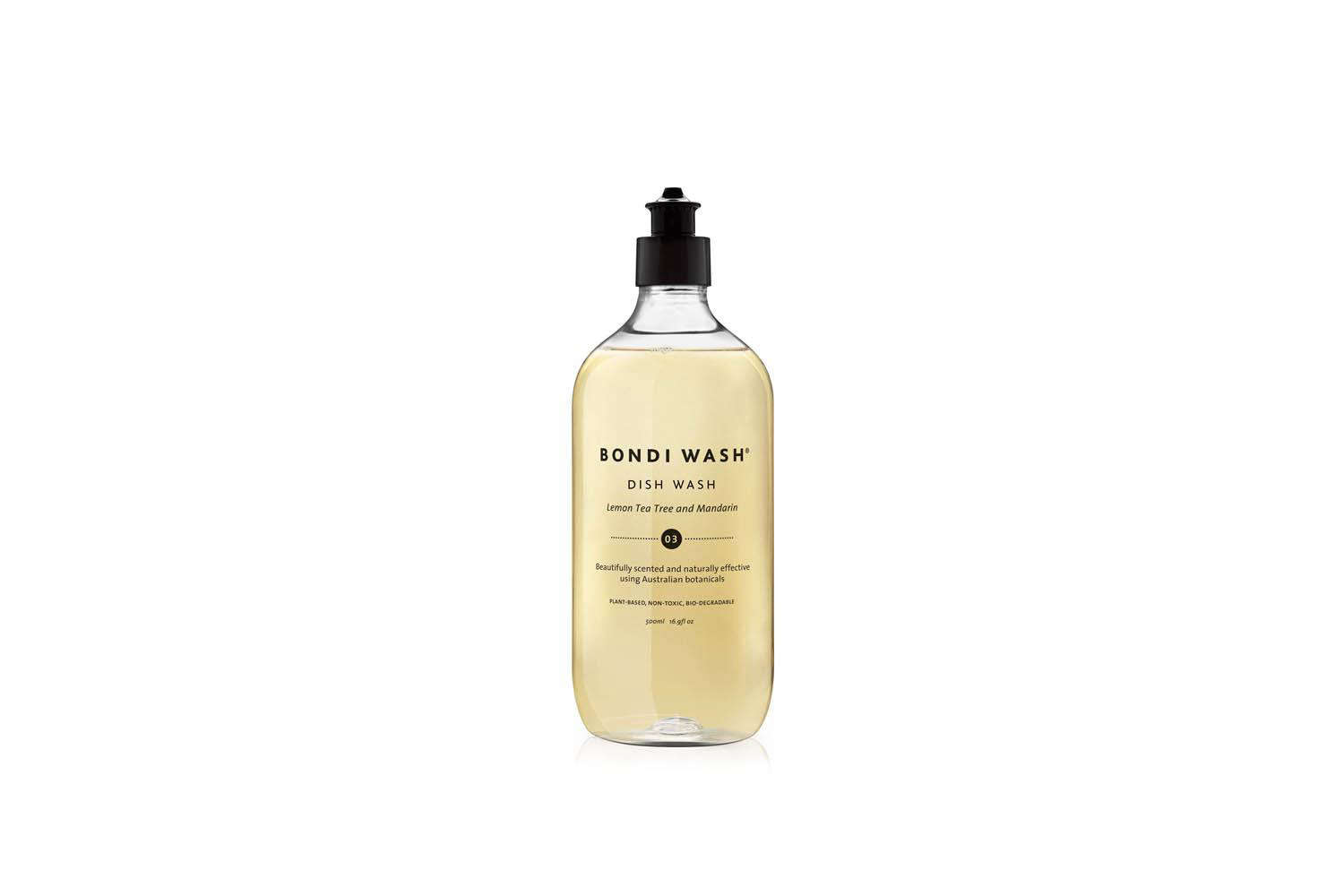
Dishes are the one household chore that somehow multiplies when you’re not lookinglike gremlins, but with marinara. If you’ve ever stared into a sink full of “soak-only” pans and thought, There has to be a prettier way to do this, you’re exactly the kind of person who’d be curious about Bondi Wash Dish Wash.
Bondi Wash is known for turning everyday cleaning into something that feels a little more like a ritual and a lot less like a punishment. Their Dish Wash leans into that vibe: a plant-derived, low-suds formula scented with Australian botanicalsspecifically Lemon Tea Tree & Mandarinthat’s designed to cut through grease while staying gentle on hands.
What Is Bondi Wash Dish Wash (and Why Is Everyone Sniffing Their Sponge)?
Bondi Wash Dish Wash is a naturally derived dishwashing liquid made to tackle everyday dish duty without the harsh, stripping feel people often associate with ultra-strong detergents. The brand positions it as a “naturally anti-bacterial” dish wash, with a low-suds formula that rinses clean and is intended for use around food prep areas.
The star of the show is the scent: Lemon Tea Tree & Mandarin. If “dish soap fragrance” usually makes you think of neon-green apple-something, this is differentmore spa-adjacent, less candy-lab. Bondi Wash describes its fragrances as layered like perfume, built around native Australian botanicals.
How Dish Soap Actually Works (A Tiny Bit of Science, Promise It’s Painless)
Let’s clear up a common myth: more foam does not automatically mean more clean. Dish liquids clean primarily because of surfactantsmolecules that help lift oils and grime off surfaces and into the water so they can be rinsed away.
Micelles: The Grease-Taxi You Never Knew You Needed
When surfactants mix with water, they can form little clusters called micelles. Think of micelles as tiny taxis: the “water-loving” side faces outward, and the “oil-loving” side grabs grease and holds it. That’s the behind-the-scenes trick that helps your skillet stop feeling like it’s been lightly glazed in bacon forever.
So yes, Bondi Wash can be low-suds and still effectivebecause the cleaning power is in the surfactant system, not the bubble show.
What’s In Bondi Wash Dish Wash?
According to the brand’s product listing, Bondi Wash Dish Wash uses a surfactant blend that includes plant-derived non-ionic surfactants and plant-derived anionic surfactants, plus supporting ingredients for stability and performance. The ingredients list (as presented by the brand) includes:
- Purified water
- ≥15% to <30% non-ionic surfactants (plant-derived)
- <5% anionic surfactants (plant-derived)
- Alcohol
- Citric acid
- Glyceryl caprylate (plant-based)
- Australian bush oils and essential oils
- Xanthan gum, acacia senegal gum
- Sodium phytate
- Fragrance allergens naturally present in essential oils (e.g., limonene, citral, linalool, citronellol)
“Free From” Claims (What That Typically Means for Shoppers)
Bondi Wash also highlights that the formula is free from sulphates, PEGs, synthetic fragrance, colours, and chlorine. If you’re shopping specifically to avoid certain categories of ingredients (whether for preference, sensitivity, or just a cleaner label feel), that’s one of the product’s main draws.
The Scent: Lemon Tea Tree & Mandarin (Crisp, Citrusy, and Not Trying Too Hard)
Bondi Wash frames this fragrance as “crisp, citrusy & uplifting,” with notes that include Australian mandarin, lemon tea tree, and juniper. The point isn’t just that your dishes are cleanit’s that your kitchen smells like you’ve got your life together. (Even if the rest of the house suggests otherwise.)
Pro tip for fragrance-sensitive households: Essential oils are still fragrance. “Natural” doesn’t automatically mean “non-irritating.” If you’re sensitive, keep the product off skin as much as possible, rinse thoroughly, and consider gloves.
Gentle on Hands… But Let’s Be Smart About Essential Oils
Bondi Wash markets the Dish Wash as non-drying and gentle enough for bare hands. That aligns with what many shoppers want: effective degreasing without the “my fingerprints have filed for divorce” feeling.
Still, it’s worth keeping perspective. Dermatology literature notes that essential oils can trigger irritant contact dermatitis in some people, and certain oils (including tea tree oil in particular contexts) have been discussed as potential sensitizers, especially when oxidized. Translation: if your skin is reactive, your mileage may vary.
Performance: How Bondi Wash Dish Wash Handles Real Kitchen Chaos
The brand describes it as designed to cut through grease while remaining gentle. In practical terms, here’s where a surfactant-forward, low-suds formula typically shines:
1) Everyday grease
Think weeknight pans, oily plates, and that one container that held curry and now wants to be curry forever. Plant-derived surfactants can emulsify fats effectively, especially with hot water and a little soak time.
2) Quick rinse finish
Low-suds formulas can feel faster to rinse because you’re not chasing foam off everything like it owes you money. If you’re a “rinse until the squeak” person, this can be surprisingly satisfying.
3) Light-duty cleaning beyond dishes
Many people use dish soap for more than dishes (counter wipe-downs, greasy stovetops, sticky cabinet pulls). Some retailers even call out that it can double as a natural stovetop cleaner. Just remember: dish soap cleans; it is not the same thing as an EPA-registered disinfectant.
How to Use Bondi Wash Dish Wash for the Best Results
The brand’s usage guidance is straightforward: add a small amount to hot running water. Specifically, Bondi Wash suggests about 10 mL (or 2 capfuls) into hot running water, noting that 100% natural ingredients mean less suds.
My favorite “don’t waste your good soap” workflow
- Scrape first. Less food = less soap needed.
- Hot water is your best friend. It helps surfactants move grease into the water faster.
- Soak the villains. Cheese, egg, and baked-on anything deserve a timeout in warm soapy water.
- Use a brush for textured items. Silicone and ridged plastics trap oils; agitation matters.
- Rinse well. Especially if you’re washing baby items or anything used for food prep.
If the cap gets cranky
Some product pages note that natural surfactants can dry and cause dispensing caps to clog; a quick rinse under hot water can help keep things flowing.
Is It “Non-Toxic” and “Eco-Friendly”? What to Look For as a U.S. Shopper
In the U.S. market, “cleaner” dish soaps often compete on a similar set of claims: plant-based surfactants, biodegradable ingredients, and fewer dyes/synthetic fragrances. But there’s an important difference between brand claims and third-party verification.
EPA Safer Choice: A label that actually means something
If you want an external standard, the EPA Safer Choice label is one of the clearest signals available in the U.S. The EPA states that, for Safer Choice-certified products, EPA scientists evaluate the ingredients against stringent criteria for human health and environmental considerations.
Bondi Wash Dish Wash is typically marketed on its botanical/essential-oil identity rather than U.S.-centric eco labels. If Safer Choice certification is a priority for your household, you might keep a Safer Choice dish liquid in rotation and use Bondi Wash when you want the sensory upgrade (or when guests are coming and you suddenly care about “the vibes”).
How Bondi Wash Dish Wash Compares to Popular U.S. “Green” Dish Soaps
U.S. publications that test or recommend dish soaps often highlight a few repeat winnersespecially among eco-leaning options like Seventh Generation and ECOS, frequently noting performance, ingredient transparency, and certifications.
Here’s the simplest way to think about the difference:
- Bondi Wash Dish Wash: best for people who want an elevated scent experience, a low-suds rinse, and a plant-derived formula with “free from” positioning.
- Mainstream eco picks (U.S.): best for shoppers who prioritize third-party labels (like Safer Choice), fragrance-free options, and easy-to-find refills at big retailers.
In other words: Bondi Wash is a “boutique clean.” Your average U.S. eco dish soap is a “practical clean.” Neither is wrongyour sink, your rules.
Who Should Buy Bondi Wash Dish Wash?
You’ll probably love it if…
- You want a natural dishwashing liquid that feels luxurious instead of clinical.
- You prefer low-suds formulas that rinse quickly.
- You like essential-oil fragrance and want your kitchen to smell fresh and citrusy.
- You’re trying to avoid certain ingredient categories (like sulphates, synthetic fragrance, chlorine).
You might want to skip it (or use gloves) if…
- You have fragrance sensitivity or a history of skin irritation from essential oils.
- You want a dish soap with a clearly stated U.S. third-party label (like EPA Safer Choice).
- You only feel emotionally supported by mountains of foam. (No judgment. We all have coping mechanisms.)
FAQs
Is Bondi Wash Dish Wash safe around food prep areas?
The brand markets it as safe for use around food preparation, and the usage is typical for dish liquids: dilute in water, wash, and rinse thoroughly.
Does “naturally anti-bacterial” mean it disinfects?
Not necessarily. Many essential oils are discussed for antimicrobial properties, but “disinfecting” has a specific meaning in U.S. consumer labeling and typically involves EPA-registered disinfectants. Dish soap is excellent for removing grease and grime; it’s not automatically a disinfectant product.
How long does a bottle last?
Some retailers claim a 500 mL bottle can last around 50 standard sink washes, though that depends on how heavy-handed you are (and whether you’re washing one pan or rebuilding an entire restaurant kitchen nightly).
Conclusion: A Dish Soap That Makes the Sink Feel Less Like a Life Sentence
Bondi Wash Dish Wash is for people who want their cleaning products to do more than clean. It’s a plant-derived, low-suds dishwashing liquid built around a bright, botanical fragranceLemon Tea Tree & Mandarin and positioned as gentle on hands while still able to cut through grease.
If you’re in the U.S. and you want maximum third-party verification, keep an eye on labels like EPA Safer Choice for other products in your lineup. But if your goal is to make dish duty feel calmer, nicer, and (dare we say) a little fancy, Bondi Wash is the kind of upgrade you’ll notice every single dayusually right around the time you realize you’re voluntarily washing “just one more” glass because the scent is weirdly comforting.
Real-World Experiences: What Using Bondi Wash Dish Wash Can Feel Like (An Extra )
Let’s talk about the part that rarely makes it onto a label: the lived experience of standing at the sink when you’re tired, hungry, and considering paper plates as a legitimate lifestyle choice. A dish soap can be technically “great,” but if it makes your hands feel tight, leaves residue, or smells like synthetic lemon candy, it becomes one more tiny annoyance in a day full of them.
Bondi Wash Dish Wash tends to win people over in three very human ways: the scent, the rinse, and the “my hands still feel like hands” factor. First, the fragrance is not shywhen you pour it into hot running water, the steam carries that citrus-and-botanical blend up into the air. It’s the kind of smell that makes your kitchen feel freshly reset, even if the rest of your house is telling a different story. If you’re the kind of person who lights a candle to feel productive, this dish soap scratches the same itchonly it’s doing something useful.
Next comes the low-suds reality check. The first time you use a low-foam formula, your brain may whisper: Is this even working? That’s decades of marketing talking. What often happens instead is you notice the “slip” of the water that smooth feel surfactants createwhile the sponge glides over greasy plates without immediately turning into an oil-saturated brick. You may not see a foam mountain, but you’ll likely see the grease break, especially if your water is hot. And when it’s time to rinse, you’re not battling soap bubbles clinging to every fork tine like they’re trying to keep the silverware hostage.
Another common observation from people who use naturally derived cleaners: small variations happen. Bondi Wash itself notes that natural products can vary in color, appearance, and scent by batch. In day-to-day use, that can look like slightly different viscosity or a shift in tone from one bottle to the next. It’s not usually a performance issue; it’s more like a reminder that plant-based ingredients don’t behave like identical lab clones. If you’re very particular about absolute consistency, that’s something to know. If you like the “it’s made from real stuff” feeling, you may actually enjoy that little bit of nature showing through.
Then there’s the “sink-side flexibility” factor. People who love this type of dish soap often end up using it for quick kitchen tasks: wiping down a greasy stovetop after cooking, spot-cleaning oily fingerprints off cabinet doors, or pre-treating a stubborn stain on a dish towel. It’s not a miracle potionit’s dish soapbut a good-smelling, effective one tends to get used more creatively because it’s already in your hand. The only caution is the same one that applies to any fragranced product: if your skin is sensitive, those extra uses can increase contact time. Gloves are not a defeat. Gloves are strategy.
Finally, there’s the strange but real emotional benefit: the product makes dishes feel less miserable. When a soap smells good, rinses clean, and doesn’t punish your hands, you’re more likely to keep up with small wash sessions rather than letting dishes pile into a sink-based horror movie. And thatmore than any ingredient listmight be the most practical “life upgrade” of all.