

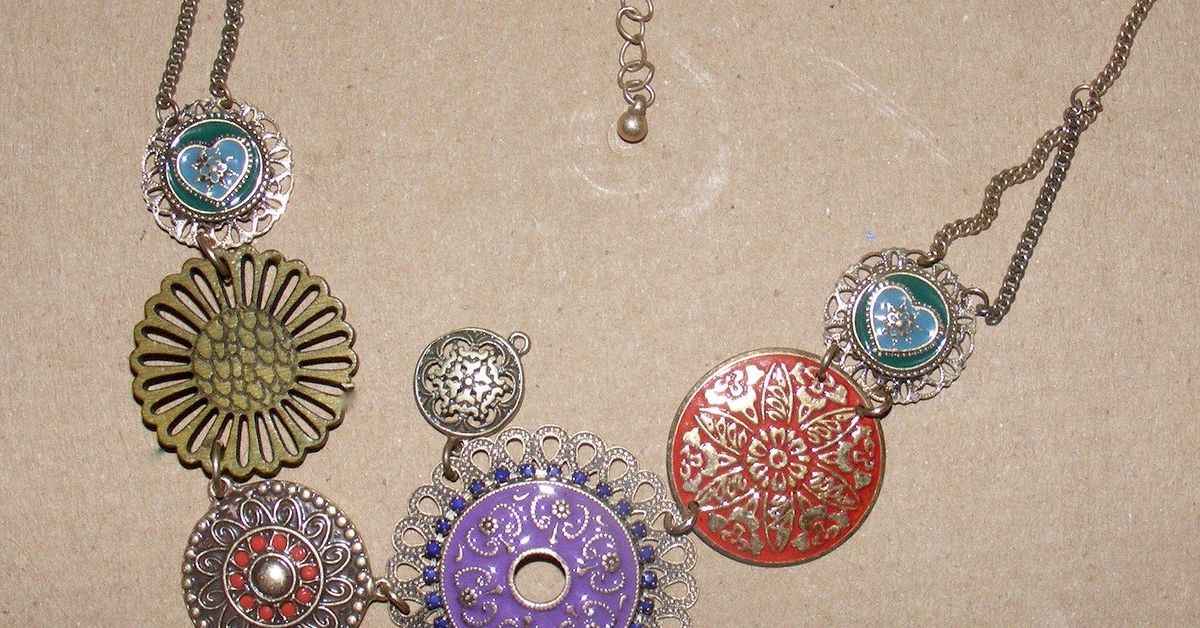
Some crafts begin with a pristine supply list, a color-coordinated mood board, and a suspicious amount of free time. This is not one of those crafts. This is the charming, slightly rebellious, gloriously practical project that starts with a lonely brooch, one earring that lost its soulmate in 2019, and a bracelet clasp hanging on for emotional support. In other words: broken jewelry.
If you have a drawer full of costume pieces that are too pretty to toss but too busted to wear, congratulationsyou are already halfway to creating beautiful autumn napkin rings. This project is equal parts upcycling, table styling, and “look at me being resourceful with a glue gun.” Better yet, it’s the kind of DIY that looks far more expensive than it is. A few old gems, some ribbon, wire, twine, or metal rings, and suddenly your fall table looks like it hired a stylist.
In this guide, we’ll walk through how to turn broken jewelry into autumn napkin rings that feel warm, elegant, and personal. We’ll cover materials, design ideas, assembly tips, styling suggestions, common mistakes to avoid, and the little creative decisions that make the final result feel polished rather than craft-chaos-adjacent. Whether you’re setting a Thanksgiving table, hosting a cozy dinner party, or simply refusing to let that rhinestone brooch die in vain, this is a fall DIY worth making.
Why Broken Jewelry Makes Surprisingly Great Autumn Napkin Rings
Broken jewelry is basically decorative gold waiting for a second career. Even pieces that are no longer wearable often have beautiful details: faux pearls, amber-toned stones, antique-looking filigree, leaf motifs, metallic chains, floral clusters, and textured settings. Those elements are ideal for DIY autumn napkin rings because fall decor thrives on layers, texture, and warm shine.
Autumn table decor is at its best when it feels collected rather than mass-produced. That is exactly what old jewelry brings to the tableliterally. A vintage earring can become the focal point on a velvet ribbon ring. A damaged bracelet can be wrapped around a napkin for a rustic-glam finish. A brooch with bronze or amber stones can instantly make a plain linen napkin look like it belongs at an expensive harvest dinner where someone casually says things like “I foraged this rosemary.”
There’s also a sustainability angle here that makes the project even more satisfying. Upcycling broken costume jewelry keeps decorative materials out of the trash, gives sentimental pieces a new role, and helps you create budget-friendly fall table decor without buying an entire matching set from a store. It’s creative, it’s practical, and it lets clutter redeem itself. We love a comeback story.
What You’ll Need
The beauty of this project is that it works with flexible materials. You do not need a perfect kit; you need a decent eye, a little patience, and the willingness to separate “treasure” from “why did I keep this?”
Base Materials for the Ring
- Metal napkin rings, wooden rings, or plain curtain rings
- Velvet ribbon, grosgrain ribbon, suede cord, leather strips, or twine
- Floral wire or jewelry wire for custom-shaped rings
Decorative Elements
- Broken brooches
- Single earrings
- Damaged bracelets or necklace sections
- Loose beads, faux pearls, charms, pendants, chain fragments
- Autumn additions like faux berries, mini leaves, acorns, dried wheat, or tiny velvet flowers
Tools and Adhesives
- Strong craft glue or jewelry glue
- Hot glue gun for lightweight accents
- Wire cutters and small pliers
- Scissors
- Felt backing or scrap fabric for stabilization
If your jewelry pieces are heavy, skip the lazy little dab of hot glue and reach for a stronger adhesive. Hot glue is fine for lightweight embellishments, but a chunky brooch with enough rhinestones to start its own weather system needs better support.
How to Choose the Right Jewelry Pieces for a Fall Look
Not every jewelry fragment belongs on an autumn table. If the piece screams neon nightclub or prom queen circa 2007, it may not be the hero this tablescape needs. For the best autumn napkin ring ideas, look for colors and finishes that echo the season.
Best Colors for Fall
- Amber
- Burgundy
- Olive green
- Rust
- Burnished gold
- Bronze
- Copper
- Cream and pearl
- Deep plum
Best Motifs and Textures
- Leaves and branches
- Florals in muted tones
- Filigree metalwork
- Pearls mixed with warm metals
- Gem clusters that resemble berries or harvest fruit
- Chain details for a vintage, layered look
If your jewelry stash is full of cooler silver pieces, don’t panic. Silver can still work if you style it with charcoal linen, deep green napkins, plum accents, or weathered wood. Autumn does not belong exclusively to copper and gold. It just tends to flirt with them heavily.
Step-by-Step: Turn Broken Jewelry Into Autumn Napkin Rings
Step 1: Sort and Edit Your Pieces
Dump everything out and sort it into useful categories: brooches, earrings, chain sections, bead clusters, charms, and “mystery hardware.” Keep only the pieces that are visually interesting, structurally stable, and not so sharp they could threaten your guests. Your napkin rings should start conversations, not cause tetanus anxiety.
Step 2: Choose a Base Style
You have three easy directions here:
- Wrapped Ring: Start with a plain ring and wrap it in ribbon, velvet, leather, or twine.
- Wire Ring: Shape heavy-gauge wire into a loop and twist it closed.
- Tie Style: Use decorative cord, chain, or ribbon that ties around the napkin rather than forming a fixed ring.
For the most polished result, match the base to the jewelry. Velvet looks great with pearls and brooches. Twine pairs beautifully with acorns and antique brass. Leather works with chunkier metal pieces. Wire is perfect for a more sculptural, modern fall table setting.
Step 3: Build a Focal Point
Pick one main decorative feature for each ring. This could be a brooch, a leaf-shaped earring, a bead cluster, or a pendant. If it has a pin back or awkward hardware, remove it with pliers or glue a felt circle to the back to create a flatter surface.
Then layer in supporting details: a short chain drape, two faux berries, a tiny ribbon bow, or a few loose pearls. The key is balance. You are making a napkin ring, not auditioning for a role as a holiday chandelier.
Step 4: Secure Everything Properly
Attach the focal point to the ring base with the correct adhesive or with wire wrapping if the design allows. Let glue cure fully before testing. If your ring includes fabric or ribbon, make sure the embellishment is anchored in more than one spot so it doesn’t twist to the side every time someone breathes near the bread basket.
Step 5: Test With an Actual Napkin
This step is oddly overlooked by people who enjoy chaos. Slide the finished ring over a cloth napkin and see how it sits. If it flips forward, it’s too top-heavy. If it snags fabric, sand or cover the rough edge. If it looks magical, congratulationsyou have entered your elegant era.
Beautiful Design Ideas for Different Autumn Styles
1. Harvest Glam
Use gold-toned broken brooches, faux pearls, velvet ribbon, and amber stones. This look works beautifully with cream napkins, brass flatware, candlelight, and pumpkins in soft neutral shades. It’s fancy, but not in a “nobody touch anything” way.
2. Rustic Woodland
Pair antique-look metal earrings with twine, faux leaves, small acorns, and a hint of mossy green. These napkin rings look especially good on a wood table with stoneware dishes and linen napkins in oatmeal or olive tones. Very cabin chic. Very “I know what to do with sage.”
3. Vintage Thanksgiving
Use old pearl clips, rhinestone brooches, lace ribbon, and warm bronze accents. This style feels collected and nostalgic, perfect for a table with heirloom dishes or mixed vintage glassware. It’s sentimental in the best way, like finding a handwritten recipe card that still has pie stains on it.
4. Minimal Modern Fall
Choose one sleek charm or geometric jewelry element, attach it to a simple leather or suede loop, and keep the palette quietcognac, black, camel, ivory, and matte gold. This is ideal if you want fall tablescape ideas that feel seasonal without shouting “leaf festival.”
5. Boho Autumn
Mix chain fragments, textured pendants, muted ribbon, dried florals, and a little asymmetry. The result should feel artistic and layered, not stiff. These rings look best when every place setting is similar but not identical. Think curated variety, not accidental mismatch.
How to Style the Finished Napkin Rings on Your Table
A great napkin ring does not work alone. It performs best when the rest of the table gives it supporting cast energy. Start with cloth napkinslinen or cotton work best because they hold shape and texture well. Then build around your handmade rings with pieces that echo the colors or materials you used.
If your napkin rings include warm metals, repeat that finish in candlesticks, flatware, or serving pieces. If they feature berries or leaves, add subtle natural elements to the centerpiece. If the rings are dramatic and sparkly, keep the rest of the place setting quieter so the whole table doesn’t look like it got dressed in the dark.
One smart trick is to coordinate your napkin fold with the ring style. A loose roll works well for ornate designs. A simple fold looks better with flatter, more modern rings. You can also tuck in a handwritten place card, a tiny herb sprig, or a dried leaf behind the ring for extra charm. It’s a small detail, but fall tables live and die by small details.
Common Mistakes to Avoid
Using Pieces That Are Too Heavy
If the jewelry element outweighs the napkin ring, the whole piece will tilt, rotate, or slide off. Keep the embellishment scaled to the ring and the napkin.
Ignoring Sharp Edges
Broken jewelry often has rough metal ends, exposed prongs, or snapped wire. Trim, tuck, or cover these areas before assembly.
Overdecorating
More is not always more. If you combine pearls, rhinestones, chain, ribbon, faux leaves, acorns, feathers, and glitter on one ring, you may accidentally invent a tiny seasonal opera costume. Pick one or two supporting elements and let the main piece shine.
Skipping the Table Test
A napkin ring that looks good in your hand may look strange on the plate. Always test it in a full place setting before making a dozen of them.
Why This DIY Works for Entertaining Season
One reason this project is so useful is that it bridges the gap between everyday decorating and holiday hosting. These upcycled napkin rings are special enough for Thanksgiving, but versatile enough for dinner parties throughout the season. Swap a plaid runner for a velvet one, change the centerpiece, and the rings still work. That kind of flexibility is rare in holiday decor, which often comes with a very short shelf life and a suspicious affection for glitter turkeys.
It also makes entertaining feel more personal. Guests notice handmade details. They may not comment on your sideboard styling or the exact width of your taper candles, but they will notice the beautiful little ring holding their napkin in place. It says effort. It says thoughtfulness. It says, “Yes, I did turn a broken earring into something fabulous. Thank you for asking.”
Conclusion
Turning broken jewelry into autumn napkin rings is one of those rare projects that checks every box: it’s affordable, sustainable, easy to personalize, and genuinely beautiful when finished. It lets you rescue forgotten pieces, create memorable Thanksgiving table decor, and add a collected, layered feel to your fall entertaining style. Best of all, the final result doesn’t look crafty in the chaotic sense. It looks intentional. Elegant. Maybe even a little smugin the nicest possible way.
So the next time a bracelet breaks, an earring loses its partner, or an old brooch no longer fits your wardrobe, don’t write it off. Give it a second life around a linen napkin, under candlelight, surrounded by warm food and good company. Honestly, there are worse retirement plans.
Extra Reflections and Real-Life Experiences With This Project
The first time I made autumn napkin rings from broken jewelry, I did not begin with artistic vision. I began with a tangled tin full of old accessories and the vague conviction that I was either about to make something charming or create a very glamorous mess. There were single earrings with no mates, a brooch with three missing stones, a necklace clasp that had given up on life, and one bracelet that looked like it had survived a dramatic argument with a sweater. None of it seemed useful on its own. Together, though, it had potential.
That’s the strange magic of this project. It teaches you to see decorative value where you once saw clutter. A broken piece of jewelry stops being “damaged” and starts becoming “textural.” A lonely faux pearl stops being sad and starts being sophisticated. Even the overly flashy pieces can suddenly make sense once they’re paired with earthy ribbon, soft linen, and the warm colors of fall. It’s a little like casting actors in a new role. The diva brooch that was too much for a cardigan becomes exactly right for a dinner napkin.
I also learned that these napkin rings do more than decorate a table. They create atmosphere. Guests pick them up. They ask questions. They notice details. Someone always wants to know where you bought them, and it is deeply satisfying to say, “Actually, they used to be broken jewelry.” That sentence has excellent dinner-party energy. It sounds thrifty, creative, and faintly mysterious all at once.
There is a sentimental side to the project too. Not every piece of old jewelry is expensive, but some of it is emotionally loaded. Maybe it came from a grandmother’s costume box, a thrift store haul from a memorable trip, or a long-forgotten bridesmaid phase best left undescribed. Transforming those pieces into something useful can feel surprisingly meaningful. Instead of sitting in a drawer where nobody sees them, they become part of gatherings, meals, traditions, and stories.
Of course, not every attempt is perfect. Some designs are too heavy. Some look balanced until they hit the napkin and perform a graceful little sideways collapse. Some ring bases fight back. Some glue jobs inspire spiritual growth. But even the imperfect versions teach you something about scale, texture, and restraint. By the third or fourth ring, you start editing better. You stop adding every shiny thing you own and begin trusting one beautiful focal piece.
That may be my favorite part of the experience: the project rewards taste more than perfection. You do not need advanced crafting skills. You just need enough confidence to say, “This bronze earring, this velvet ribbon, and this tiny faux leaf belong together.” And when they do, the result feels original in a way store-bought decor rarely does. It reflects your eye, your history, and your version of autumnwhether that means rustic, glamorous, nostalgic, modern, or somewhere in the delicious middle.
In the end, these napkin rings become more than a craft. They become proof that beauty can be rebuilt, that old things still have style left in them, and that a well-dressed table does not always come from a catalog. Sometimes it comes from a broken clasp, a handful of beads, and the stubborn refusal to waste something pretty.