

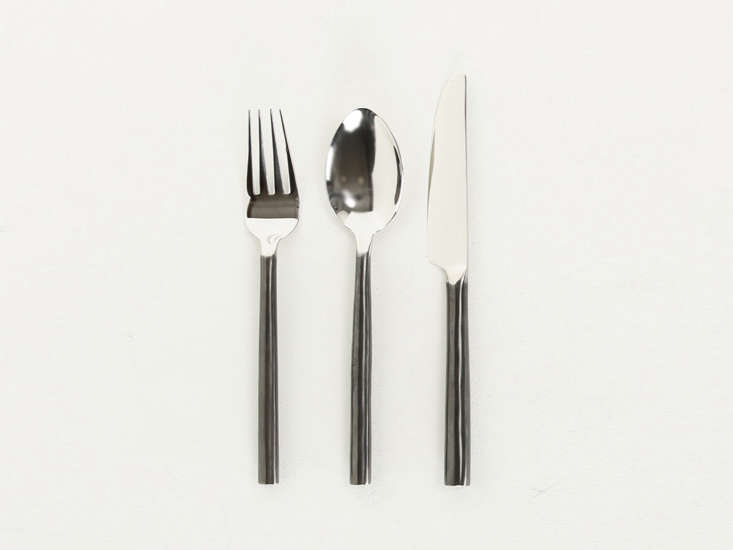
A burnished stainless steel dinner knife is the kind of table tool that quietly does its job while making the whole place setting look more intentional. It is not as dramatic as a steak knife, not as shiny as mirror-polished silverware, and not as fussy as heirloom siltably in the sweet spot: durable, refined, modern, and practical enough for Tuesday pasta or Saturday roast chicken.
The appeal comes from the combination of two ideas. First, stainless steel is one of the most dependable materials for everyday flatware because it resists corrosion, staining, and general kitchen chaos better than many alternatives. Second, a burnished finish gives the knife a softened, gently worked surface. It may look satin, brushed, stonewashed, antiqued, or lightly matte depending on the maker, but the overall effect is similar: less glare, more texture, and a handsome lived-in look that does not panic every time someone leaves a fingerprint.
For homeowners, restaurant buyers, wedding registry builders, and anyone replacing the mysterious missing knives from a flatware drawer, understanding this style can help you choose smarter. A dinner knife is used constantly, so its comfort, balance, blade shape, finish, and maintenance matter more than people think. After all, nobody wants a knife that looks elegant but feels like shaking hands with a buttered ruler.
What Is a Burnished Stainless Steel Dinner Knife?
A burnished stainless steel dinner knife is a table knife made from stainless steel and finished with a muted, polished-by-wear appearance. The word burnished traditionally refers to a surface that has been rubbed, smoothed, or polished. In flatware, it usually describes a finish that is less reflective than mirror polish but more refined than raw metal. The result is a soft glow rather than a camera-flash shine.
In practical terms, burnished flatware often overlaps with satin, brushed, matte, or vintage-style finishes. The exact manufacturing process varies by brand, but the look is easy to recognize. Instead of bouncing light sharply, the surface diffuses it. That makes the knife look calm and sophisticated on the table, especially with stoneware plates, linen napkins, wood serving boards, black dinnerware, or farmhouse-style place settings.
Dinner Knife vs. Steak Knife
A dinner knife is designed for general table use. It spreads butter, cuts tender meats, slices vegetables, and handles soft foods without looking aggressive. A steak knife, by contrast, usually has a sharper blade and is meant for tougher cuts of meat. Some dinner knives have light serration, while others have a smooth edge. A burnished stainless steel dinner knife is usually not the knife you reach for when facing a ribeye with heroic confidence, but it should glide through roasted carrots, chicken breast, lasagna, pancakes, and soft bread without making dinner weird.
Why Stainless Steel Works So Well for Flatware
Stainless steel became a favorite for flatware because it offers an unusually good mix of durability, affordability, hygiene, and style. It is strong enough for daily use, easy to clean, and resistant to many of the stains that can affect other metals. It also works across design styles, from traditional silver-inspired patterns to minimalist modern silhouettes.
The most common flatware grades are often labeled 18/10, 18/8, 18/0, or sometimes 13/0. These numbers refer to chromium and nickel content. Chromium helps stainless steel resist corrosion. Nickel adds luster and improves corrosion resistance, but it also increases cost. That is why 18/10 stainless steel is often used for premium forks and spoons, while many knives use 18/0 or 13/0 stainless steel because those grades can provide better blade hardness and cutting performance.
This surprises some shoppers. They assume every piece in a high-quality set must be 18/10, including the knife. In reality, many reputable flatware makers use different steel formulas for different pieces. A spoon needs shine and corrosion resistance. A knife needs a blade that can hold its shape and cut properly. The best flatware sets are not always made from one metal recipe; they are designed around function.
The Beauty of the Burnished Finish
The biggest design advantage of a burnished finish is that it feels relaxed but still polished. Mirror-finished flatware can look formal and bright, which is wonderful for classic table settings. But it also shows fingerprints, water spots, and tiny scratches more obviously. Burnished stainless steel is more forgiving. Its softened surface can hide light wear better, which is excellent news for households where flatware lives a full-contact life between dinner plates, dishwashers, drawers, and the occasional toddler drum solo.
A burnished dinner knife also pairs beautifully with current table trends. Matte dinnerware, handmade ceramics, natural linens, smoked glassware, and wood accents all benefit from flatware that does not visually shout over them. The knife becomes part of the atmosphere. It adds texture without demanding applause.
Popular Table Styles That Match Burnished Knives
For a modern table, pair burnished stainless steel dinner knives with white porcelain plates, clear glassware, and charcoal napkins. For a rustic table, use them beside speckled stoneware, woven placemats, and a wooden salad bowl. For a restaurant-style look at home, combine them with oversized plates, low floral arrangements, and simple water glasses. The finish is flexible because it lives between casual and elegant.
Weight, Balance, and Handle Shape Matter
A dinner knife can look beautiful online and still feel strange in the hand. That is why weight and balance are important. A good burnished stainless steel dinner knife should feel stable without being heavy for no reason. The handle should rest naturally in the palm, and the blade should not make the piece feel front-heavy or awkward.
Flatware weight is often described as light, medium, or heavy. Lightweight knives are easy to handle and usually more affordable, but they may feel less substantial. Heavyweight knives feel more luxurious, but if the handle is too bulky, they can become tiring or clumsy. Medium-to-heavyweight flatware is often the safest choice for everyday home use because it feels sturdy without acting like gym equipment.
Handle shape also affects comfort. A narrow handle looks sleek but may be harder to grip. A rounded handle feels soft and ergonomic but can roll slightly if poorly designed. A squared handle looks architectural but should have softened edges. The ideal dinner knife feels natural before you even think about it. Good flatware should not require a user manual or a pep talk.
Blade Design: Smooth, Serrated, or Somewhere Between?
Most dinner knives have either a smooth edge, a lightly serrated edge, or a rounded blade with subtle teeth near the cutting side. Smooth dinner knives are elegant and excellent for spreading butter, soft cheese, jam, or condiments. Lightly serrated dinner knives are more useful for cutting foods like poultry, cooked vegetables, sandwiches, and tender meats.
For everyday dining, a subtle serration is usually practical. It gives the knife enough bite without making it look like it wandered in from a steakhouse. However, deep serrations can collect food particles and may feel too sharp for general use. If the knife is part of a formal place setting, a smoother blade can look more refined. If it is for a family kitchen, a gentle serrated edge may be the better workhorse.
How to Choose a Burnished Stainless Steel Dinner Knife
When shopping for a burnished stainless steel dinner knife, do not judge by appearance alone. Look at material, finish consistency, blade construction, comfort, dishwasher guidance, and replacement availability. A knife may be sold individually, as part of a five-piece place setting, or inside a larger flatware set. If you are buying for a full household, make sure the pattern offers enough matching pieces, including extra dinner knives. Knives disappear from drawers with the confidence of socks in a dryer.
1. Check the Steel Grade
If the product description lists 18/10, 18/0, or 13/0 stainless steel, pay attention. For dinner knives, 18/0 or 13/0 may be acceptable and even intentional because knives benefit from harder blade steel. If the entire flatware line is 18/10 except the knife, that does not automatically mean the knife is lower quality. It may simply reflect practical blade engineering.
2. Inspect the Finish
A burnished finish should look intentional and even. It should not appear patchy, cloudy, or accidentally scratched. Some designs have darker edges or a vintage patina effect, while others look like soft satin steel. Both can be attractive as long as the finish is consistent across pieces.
3. Consider Dishwasher Safety
Many stainless steel dinner knives are dishwasher safe, but special finishes often deserve gentler treatment. Even when a knife is dishwasher safe, best practice is to rinse food residue, avoid harsh detergents, prevent crowding in the utensil basket, and dry the knife promptly. Stainless steel resists stains; it is not a magical force field.
4. Think About Your Existing Dinnerware
Burnished stainless steel works well with many dinnerware colors, but it especially shines with matte white, cream, gray, black, navy, terracotta, and natural clay tones. If your plates are highly glossy or decorated with metallic rims, compare the tones carefully. A warm burnished finish may look different from a cool silver satin finish.
Care Tips for Burnished Stainless Steel Dinner Knives
Proper care keeps a burnished stainless steel dinner knife looking handsome for years. The good news is that maintenance is simple. The bad news is that “stainless” does not mean “ignore completely and hope for the best.” A few small habits make a big difference.
Wash knives soon after use, especially after contact with salty, acidic, or sticky foods. Tomato sauce, vinegar, citrus, mustard, and salty marinades should not sit on flatware for hours. If using a dishwasher, load knives loosely so water can circulate. Avoid mixing stainless steel with aluminum or cast iron items in a way that may transfer marks. After the cycle ends, dry the knives rather than letting moisture sit on the surface.
For hand washing, use warm water, mild dish soap, and a soft sponge. Avoid steel wool, abrasive pads, chlorine-based cleaners, and aggressive scouring powders. These can scratch or dull the burnished finish. If spots appear, use a soft cloth and a non-abrasive stainless steel cleaner, rubbing gently with the direction of the grain if the finish has one.
Common Mistakes to Avoid
The first mistake is soaking knives overnight. It feels harmless, but prolonged soaking can encourage spotting, corrosion marks, and handle damage on some designs. The second mistake is using lemon-heavy or harsh dishwasher detergent on delicate finishes. The third mistake is letting knives clatter loosely with heavier utensils, which can create scratches. The fourth mistake is assuming every mark is rust from the knife itself. Sometimes rust-colored stains come from other metals, minerals in water, or tiny particles transferred during washing.
Another common mistake is buying purely by photo. Flatware photography can be sneaky. A burnished finish may look warm in one image and cool in another depending on lighting. When possible, buy a sample piece or a small place setting before committing to a large set. A dinner knife is personal. You will hold it hundreds of times. It should feel right.
Burnished Stainless Steel Dinner Knife for Home Dining
At home, the best thing about a burnished stainless steel dinner knife is its versatility. It can dress up a casual meal without making the table feel stiff. Imagine a simple weeknight dinner: roasted chicken, mashed potatoes, green beans, and a bowl of salad. A mirror-polished knife might look a little formal. A plastic-handled knife might look too casual. A burnished stainless steel knife lands perfectly in the middle, like it knows the dress code but refuses to brag.
For entertaining, burnished knives help create a curated table. They photograph beautifully because they reduce glare. That matters if you host holidays, dinner parties, or content-worthy brunches. A soft stainless finish also gives the table depth. When paired with candles, the knife catches just enough light to feel warm and inviting.
Burnished Dinner Knives in Restaurants and Hospitality
Restaurants often care about flatware differently than home shoppers. They need durability, stackability, replacement availability, and finishes that survive frequent washing. Burnished stainless steel can be a smart choice for modern bistros, boutique hotels, farm-to-table restaurants, and cafés that want a warm, tactile table setting.
However, hospitality buyers should test knives under real conditions. That means checking how the finish handles commercial dishwashing, whether the blade cuts common menu items, and whether the weight feels comfortable for a wide range of guests. A dramatic knife may look good on opening night, but the real test is how it looks after the 500th plate of chicken Milanese.
Is Burnished Stainless Steel Better Than Mirror Finish?
Neither finish is automatically better. Mirror finish looks brighter, more traditional, and more formal. Burnished finish looks softer, more modern, and more relaxed. Mirror polish may suit classic china, crystal glasses, and formal dining rooms. Burnished stainless steel may suit contemporary homes, rustic tables, minimalist kitchens, and restaurants with natural textures.
From a maintenance perspective, burnished finishes can be more forgiving because they hide small scratches and fingerprints better. However, they may require careful cleaning to preserve the surface texture. Mirror finishes are easier to polish to a shine, but they tend to show every little smudge. Choose based on how you live, not just how the knife looks in a perfect showroom where no one has ever eaten spaghetti.
Buying Examples and Practical Scenarios
If you are building a wedding registry, choose a burnished stainless steel dinner knife pattern that includes matching forks, spoons, serving pieces, and open-stock replacements. Open-stock availability matters because it lets you replace individual knives later. If you are furnishing a first apartment, a 20-piece flatware set with burnished dinner knives can provide service for four without overwhelming your budget. If you host often, consider service for eight or twelve, plus extra dinner knives for dessert, cheese boards, or unexpected guests who bring “just one friend” and somehow arrive with three.
For families, durability and comfort should beat trendiness. Choose a pattern with rounded edges, a practical blade, and a finish that can handle daily washing. For design-focused kitchens, consider a slim burnished profile with a satin surface. For farmhouse or vintage-inspired tables, a slightly antiqued burnished knife can add character without requiring actual antique maintenance.
Experience Section: Living With a Burnished Stainless Steel Dinner Knife
The first thing you notice after using a burnished stainless steel dinner knife for a while is how quietly useful it becomes. It does not scream for attention, yet it improves the feel of almost every meal. On a normal morning, it spreads salted butter across toast without looking like a formal banquet utensil that got lost on the way to a wedding. At lunch, it cuts through a turkey sandwich cleanly enough to prevent the classic “one tomato slice drags the entire sandwich across the plate” tragedy. At dinner, it feels appropriate beside roasted vegetables, grilled chicken, pasta, fish, or a simple green salad.
The finish is especially pleasant in real life. A mirror-polished knife can look stunning for five minutes, then immediately reveal fingerprints, water spots, and the evidence of human existence. Burnished stainless steel is more relaxed. It accepts daily use with dignity. Small marks blend into the surface instead of announcing themselves. That does not mean the knife is maintenance-free, but it does mean the table looks composed even when dinner is not. And let us be honest: sometimes dinner is just takeout transferred to plates so everyone can pretend civilization is thriving.
Another experience worth mentioning is grip. Many burnished dinner knives have a tactile quality that polished flatware lacks. The surface can feel slightly warmer and less slippery, particularly if the handle has a brushed grain or softened texture. This matters more than shoppers expect. A dinner knife is not only decorative; it is held, angled, pressed, and used throughout the meal. When the handle feels secure, the whole dining experience feels easier.
Over time, a burnished knife also changes the mood of a table setting. It makes meals feel less staged and more lived-in. Place it beside handmade ceramic plates and the table feels cozy. Pair it with crisp white dinnerware and the look becomes modern. Use it with linen napkins and low candlelight and suddenly the same knife feels restaurant-worthy. That flexibility is valuable because most people do not want separate flatware for every possible mood. They want one set that can handle cereal-level casual and holiday-level impressive.
There are a few lessons learned from daily use. First, drying matters. Even good stainless steel can develop spots if left wet, especially in areas with hard water. Second, avoid tossing burnished knives into a crowded drawer with heavy gadgets. A basic flatware tray helps preserve the finish. Third, do not panic over tiny signs of use. A burnished finish is supposed to have depth and softness. It does not need to look like it was born this morning in a stainless steel spa.
The best experience comes when the knife matches your habits. If you rely heavily on the dishwasher, choose a dishwasher-safe pattern and still dry it promptly. If you love slow dinners and carefully set tables, consider a heavier burnished knife with a sculpted handle. If you have kids, roommates, or a busy kitchen, choose a sturdy pattern that forgives scratches and replacement needs. In everyday life, the burnished stainless steel dinner knife succeeds because it is beautiful without being bossy, durable without being dull, and elegant without asking anyone to polish it before tacos.
Conclusion
A burnished stainless steel dinner knife is a smart choice for anyone who wants flatware with durability, comfort, and understated style. Its soft finish gives the table a modern, inviting look, while stainless steel construction keeps it practical for regular use. Whether you are upgrading a home kitchen, planning a registry, styling a restaurant table, or replacing mismatched knives, this type of dinner knife offers a strong balance of beauty and function.
The key is to look beyond the surface. Consider the steel grade, blade style, handle comfort, finish consistency, dishwasher guidance, and long-term replacement options. A great dinner knife should not only look good next to a plate; it should feel good in the hand, cut everyday foods cleanly, and survive real life with grace. Burnished stainless steel does exactly that. It is the quiet professional of the flatware drawer, and frankly, every table could use one.
Note: This article was created from synthesized real-world information on stainless steel flatware grades, dinner knife construction, burnished and satin finishes, product testing considerations, and care guidance. Source links are intentionally not included to keep the article clean for web publishing.