

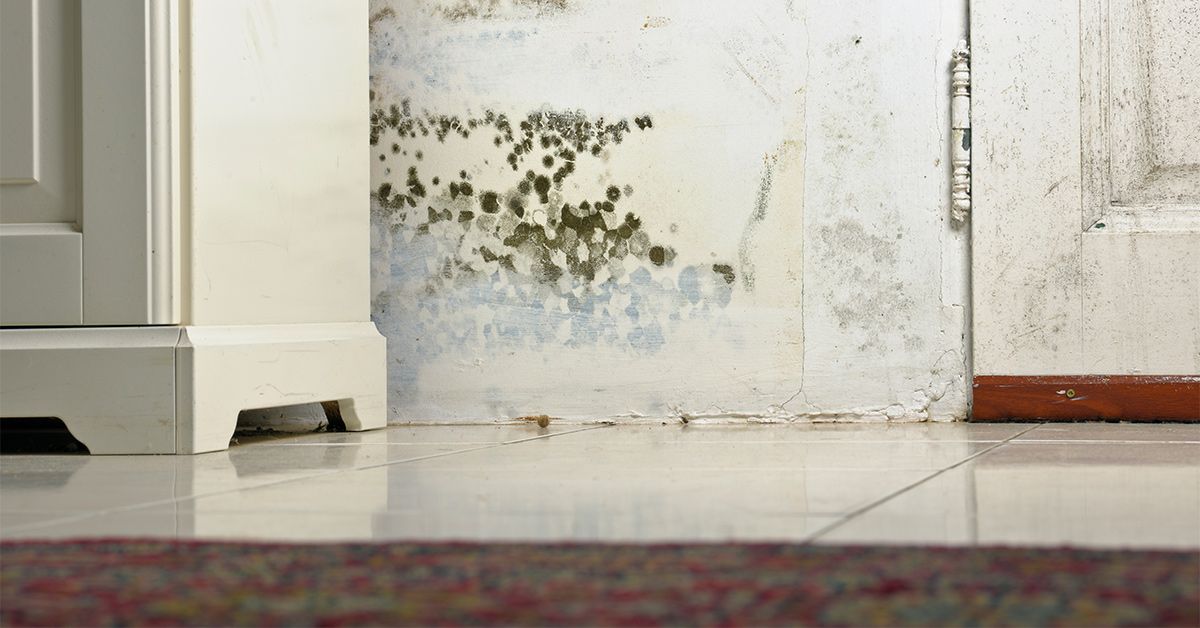
Black mold has a public relations problem. Mention it at a dinner party and suddenly everyone is picturing a villainous fungus in a cape, quietly plotting from behind the drywall. The phrase “toxic black mold” sounds like something from a disaster movie, not a bathroom ceiling. So the big question is fair: Can black mold kill you?
The reassuring answer is: for most healthy people, black mold is very unlikely to be deadly. That does not mean it is harmless, adorable, or welcome in your home like a quirky houseplant. Mold can trigger allergies, worsen asthma, irritate the lungs, and create serious problems for people with weakened immune systems or chronic respiratory conditions. But the internet’s favorite horror storythat one mysterious patch of black mold will automatically poison your whole bodyis usually more dramatic than the science supports.
This guide explains what black mold really is, what symptoms it can cause, who should take it seriously, and how to remove it safely without turning your laundry room into a hazmat episode.
What Is Black Mold?
“Black mold” is a casual term people often use for dark-colored indoor mold. The species most associated with the scary headlines is Stachybotrys chartarum, a greenish-black mold that likes damp materials high in cellulose, such as drywall, paper, fiberboard, ceiling tiles, and wood products.
Here is the less glamorous truth: mold is everywhere. Mold spores float through indoor and outdoor air all the time. They become a problem when they land on a damp surface and find enough moisture to grow. Give mold a water leak, poor ventilation, and a snack of drywall paper, and congratulationsyou have accidentally opened a fungal buffet.
Is Every Black Spot Dangerous?
No. Not every black stain is Stachybotrys, and color alone does not tell you how dangerous a mold is. Many molds can appear black, green, gray, brown, or even orange. Some mildew can look dark and flat. Dirt, soot, and old water stains can also impersonate mold badly enough to fool a tired homeowner at 11 p.m.
The practical rule is simple: if you can see or smell mold, clean it up and fix the moisture problem. You usually do not need to identify the species before acting. Mold testing can be expensive and confusing, and the cleanup strategy is generally the same: remove the mold, dry the area, and stop the water source.
Can Black Mold Kill You?
For most people, black mold exposure does not cause death. It commonly causes allergy-like or irritation symptoms, especially in people who are sensitive to mold. Sneezing, coughing, stuffy nose, itchy eyes, throat irritation, skin irritation, wheezing, and headaches may happen after spending time in a damp or moldy environment.
That said, “probably not deadly” is not the same as “ignore it and hope the spores pay rent.” Mold can make some people genuinely sick, especially when exposure is heavy, ongoing, or combined with asthma, chronic lung disease, immune suppression, or recent flooding.
Why the Fear Became So Big
The fear around black mold exploded partly because some molds can produce mycotoxins, which are substances made by certain fungi. Mycotoxins are real, and some are dangerous in specific contexts, especially contaminated foods. However, the evidence does not support the idea that normal indoor inhalation exposure to black mold commonly causes chronic whole-body poisoning in otherwise healthy people.
In plain English: mold can be a health problem, but it is not usually a secret assassin hiding behind your shower caulk.
Common Black Mold Symptoms
Symptoms of black mold exposure often look like allergies or respiratory irritation. They may begin quickly or appear after repeated time in a damp building.
Possible Symptoms Include
- Sneezing
- Runny or stuffy nose
- Coughing
- Postnasal drip
- Red, itchy, or watery eyes
- Skin rash or irritation
- Scratchy throat
- Wheezing
- Chest tightness
- Shortness of breath in people with asthma or lung disease
People with mold allergy may notice symptoms flare in basements, bathrooms, laundry rooms, old buildings, or after storms and floods. If you walk into a room and your nose starts filing a complaint, the building may be giving you useful information.
Who Is Most at Risk From Black Mold?
Healthy adults may experience mild irritation or no symptoms at all. Other groups should be more cautious.
People With Asthma
Mold can trigger asthma symptoms, including wheezing, coughing, chest tightness, and difficulty breathing. If a moldy room makes asthma worse, it is not “just allergies.” It is a signal to reduce exposure, clean up the mold, and talk with a healthcare provider if symptoms continue.
People With Mold Allergies
Mold allergy can feel like hay fever that moved indoors and got too comfortable. Sneezing, congestion, itchy eyes, and coughing are common. Treatment may include reducing exposure, antihistamines, nasal sprays, or allergy evaluation.
People With Weakened Immune Systems
People receiving chemotherapy, transplant medications, high-dose steroids, or certain immune-suppressing treatments may face greater risk from fungal infections. For these individuals, mold exposure deserves a more serious response. A damp, moldy home is not a place to “tough it out.”
Children, Older Adults, and People With Chronic Lung Disease
Children’s lungs are still developing, older adults may have reduced respiratory reserve, and people with COPD or other chronic lung conditions may be more vulnerable to irritation and breathing problems.
Black Mold vs. “Toxic Mold”: What Is the Difference?
The term “toxic mold” is often used online as if mold were a single monster species. In reality, molds are a large group of fungi. Some can produce mycotoxins under certain conditions, but the presence of mold does not automatically mean dangerous toxin exposure is happening.
A better phrase is mold in a damp indoor environment. That wording is less dramatic, but it points to the real problem: moisture. Mold is a symptom of water where water should not be. If you fix only the visible mold and ignore the leak, mold will return like an unwanted sequel.
How Black Mold Gets Into Homes
Mold does not need a grand invitation. It needs moisture, a surface, and time. Common causes include:
- Roof leaks
- Plumbing leaks
- Flooding
- Condensation around windows
- Poor bathroom ventilation
- Damp basements or crawl spaces
- Wet carpets or upholstery
- Leaky HVAC systems
- High indoor humidity
Mold can begin growing within a day or two after water damage if materials remain wet. That is why fast drying matters after a leak or flood. Waiting “until the weekend” may give mold a four-day head start and an emotional support colony.
How to Tell If You Have a Mold Problem
Look for Visible Growth
Mold may appear as fuzzy, slimy, powdery, or spotted patches. It often shows up around window frames, under sinks, behind toilets, on bathroom ceilings, near air vents, inside closets, or on walls that feel damp.
Use Your Nose
A musty, earthy smell is a classic mold clue. If a room smells like an old sponge wearing a wet sweater, investigate.
Watch for Water Damage
Peeling paint, warped baseboards, soft drywall, bubbling wallpaper, and brown ceiling stains can indicate moisture behind surfaces. Mold may grow out of sight, especially after hidden leaks.
Should You Test Black Mold?
Most homeowners do not need mold testing before cleanup. If mold is visible, remove it. If a musty odor is present, find the moisture source. Testing may identify mold types, but it often does not answer the more important question: Where is the water coming from?
Professional inspection may be helpful when mold is hidden, the affected area is large, symptoms are serious, or water damage involves HVAC systems, walls, ceilings, or structural materials.
How to Clean Black Mold Safely
Small areas of mold on hard surfaces can often be cleaned by homeowners. Large areas, recurring mold, mold inside HVAC systems, or mold after major flooding may require professional remediation.
For Small Mold Areas
- Wear gloves, eye protection, and an N95 respirator if cleanup may disturb spores.
- Ventilate the area when possible.
- Scrub hard surfaces with detergent and water.
- Dry the area completely.
- Discard porous materials that cannot be cleaned and dried.
- Fix the leak or humidity problem so mold does not return.
Do not mix cleaning products. Bleach plus ammonia is not a cleaning strategy; it is a chemistry accident with consequences.
When to Call a Professional
Consider professional mold remediation if the mold covers a large area, keeps coming back, is caused by sewage or contaminated floodwater, involves HVAC ducts, or affects porous building materials like drywall and insulation. Professional help is also wise if someone in the home has severe asthma, immune suppression, or ongoing symptoms.
How to Prevent Black Mold
The best mold cleanup is the one you never have to do. Prevention is mostly moisture control with a side of common sense.
Keep Humidity Under Control
Use a hygrometer to monitor indoor humidity. Many homes do best around 30% to 50% relative humidity. If your basement feels like a tropical greenhouse without the vacation benefits, use a dehumidifier.
Improve Ventilation
Run bathroom exhaust fans during and after showers. Use kitchen ventilation while cooking. Keep furniture slightly away from exterior walls if condensation is a problem.
Fix Leaks Quickly
A tiny drip under the sink can become a mold nursery. Repair plumbing leaks, roof leaks, and window leaks as soon as possible. Dry wet materials quickly after spills, storms, or appliance failures.
Avoid Carpet in Damp Areas
Bathrooms, basements, and laundry rooms are not ideal places for carpet. Carpet holds moisture, hides problems, and gives mold a cozy little apartment complex.
When Should You See a Doctor?
See a healthcare provider if you have breathing trouble, wheezing, chest tightness, persistent coughing, fever, worsening asthma, or symptoms that improve when you leave a building and return when you come back. Seek urgent care for severe shortness of breath, blue lips, confusion, or serious asthma symptoms.
Tell your clinician about the mold exposure, how long it has been happening, where it is located, and whether symptoms improve away from the space. That information is often more useful than a dramatic photo of the bathroom ceiling, though the photo may still help explain why you are emotionally done with that bathroom.
Myths About Black Mold
Myth 1: Black Mold Is Always Deadly
False. Black mold can cause symptoms and should be removed, but it is not usually lethal to healthy people.
Myth 2: Mold Color Tells You the Risk
False. Color is not a reliable safety guide. Any indoor mold growth should be addressed.
Myth 3: Bleach Solves Every Mold Problem
False. Bleach may remove surface staining on some hard materials, but it does not fix moisture and may not solve mold in porous materials.
Myth 4: Air Purifiers Fix Mold
Not completely. A HEPA air purifier may reduce airborne particles, but it cannot remove mold growing behind drywall or stop a leak. Air purifiers are supporting actors, not the hero.
Real-Life Experiences With Black Mold: What People Often Notice
Many black mold stories begin with something small: a faint musty smell in the hallway, a suspicious shadow near the bathtub, or a basement corner that always feels damp. At first, it is easy to dismiss. Maybe the bathroom just needs cleaning. Maybe the basement is “naturally earthy.” Maybe the wall stain has always been there and is part of the home’s personality. Then the symptoms start lining up with the space.
A common experience is the “I feel better when I leave” pattern. Someone may wake up congested every morning, sneeze through breakfast, and assume they have seasonal allergies. But after a weekend away, their nose clears. When they return home, the congestion returns like it has a key. That does not prove mold is the only cause, but it is a strong reason to inspect bedrooms, bathrooms, closets, and HVAC areas for dampness.
Another familiar scenario involves renters. A tenant reports a leak, the ceiling is patched, and everyone celebrates too early. Weeks later, a musty smell appears, paint bubbles, and a dark patch forms along the wall. The frustrating part is that mold often feels like a cleaning problem when it is really a moisture problem. Wiping the surface may make the stain disappear for a while, but if damp drywall remains behind it, the mold can return.
Families with asthma often notice mold faster because symptoms are harder to ignore. A child may cough more at night, need a rescue inhaler more often, or wheeze after playing in a basement playroom. Parents may feel torn between panic and uncertainty. The practical move is not to spiral into internet doom; it is to reduce exposure, contact a healthcare provider for asthma guidance, and address the damp area promptly.
Homeowners after storms or appliance leaks often describe the same lesson: speed matters. A washing machine hose breaks, a water heater leaks, or heavy rain enters a basement. The floor looks dry on top, but padding, baseboards, drywall, or insulation may still hold moisture. Within days, the air smells musty. The experience can be expensive and annoying, but it teaches an important rule: after water damage, drying is not just cosmetic. It is prevention.
There is also the emotional side. Mold can make a home feel unsafe, even when the health risk is manageable. People may feel embarrassed, overwhelmed, or afraid they waited too long. The good news is that most mold problems can be solved with a clear plan: identify the water source, protect yourself during cleanup, remove contaminated porous materials when needed, clean hard surfaces, dry everything thoroughly, and prevent moisture from returning.
The biggest takeaway from real-world mold experiences is balance. Do not ignore mold, but do not let fear turn every dark speck into a catastrophe. Treat mold like a serious home maintenance and indoor air quality issue. Calm action beats panic-cleaning with six chemicals and a prayer.
Conclusion: Black Mold Is Serious, But Usually Not a Death Sentence
So, can black mold kill you? Fortunately, probably notespecially if you are generally healthy and the exposure is limited. But black mold can still make life miserable for people with allergies, asthma, chronic lung disease, or weakened immune systems. It can irritate your eyes, nose, throat, skin, and lungs. It can worsen breathing problems. It can also signal hidden water damage that may harm your home.
The smartest approach is simple: do not panic, do not ignore it, and do not treat mold like a decorative accent. Clean small areas safely, call professionals for major problems, and fix the moisture source every single time. Mold without moisture is like a drama queen without an audienceit has a much harder time thriving.
Note: This article is for general educational purposes only and is not a substitute for medical advice, diagnosis, or treatment. Anyone with severe breathing symptoms, immune suppression, persistent illness, or worsening asthma should contact a qualified healthcare professional.