

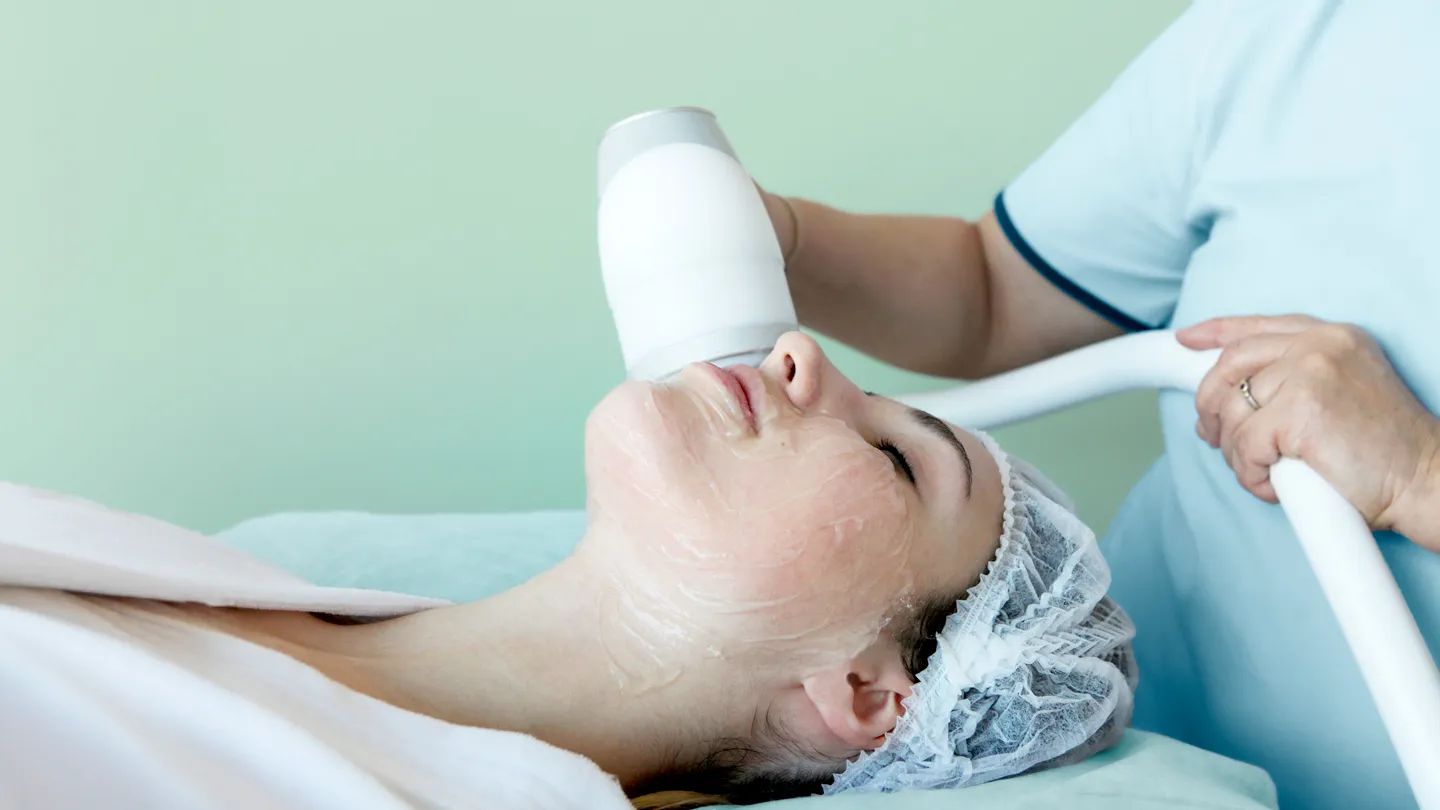
Cold has always had great public relations. Twist an ankle? Ice it. Puffy eyes after a late-night streaming marathon? Grab something chilly. So when cryotherapy entered the beauty chat looking dramatic, frosty, and expensive, it was almost destined to become a skin-care celebrity. The promise sounds irresistible: tighter pores, calmer inflammation, brighter skin, less puffiness, maybe even fewer breakouts. Basically, the same dream sold by half the beauty aisle, just with more nitrogen and more swagger.
But can cryotherapy actually improve your skin health? The honest answer is yes, in some medical situations and maybe only temporarily in some cosmetic ones. That distinction matters. A lot. In dermatology offices, cryotherapy has a long, practical history. In wellness studios and trendy facial menus, though, the science gets much thinner and the marketing gets much louder.
This article breaks down what cryotherapy really is, where it may help, where the claims get slippery, and what realistic results you should expect if your goal is healthier-looking skin rather than an expensive story about surviving a human freezer.
What Is Cryotherapy, Exactly?
At its core, cryotherapy means using extreme cold for treatment. But that single word covers several very different experiences.
Medical cryotherapy
This is the version dermatologists and other clinicians use to treat abnormal or unwanted tissue. A provider may apply liquid nitrogen to freeze and destroy specific spots on the skin. This approach is commonly used for issues such as certain precancerous lesions, warts, skin tags, and some other superficial growths. In this setting, cryotherapy is targeted, controlled, and goal-oriented. It is less “spa day,” more “let’s remove this thing that should not be freeloading on your skin.”
Cosmetic cryotherapy
This version includes facial cryotherapy, cold rollers, “skin icing,” cryo facials, and whole-body cryotherapy chambers. The goal here is usually not to destroy tissue, but to create short-term cosmetic effects like reduced puffiness, a tighter feel, or a post-treatment glow. These methods are marketed as beauty boosters, but they do not all have the same evidence behind them.
So, Can Cryotherapy Improve Skin Health?
If you mean true skin health in a medical sense, cryotherapy can absolutely help in the right circumstances. It can remove certain lesions, treat some precancerous changes, and improve specific skin problems under a clinician’s care.
If you mean overall skin appearance, anti-aging, or a smoother, fresher face, cryotherapy may offer some temporary cosmetic perks, but it is not a magic wand. It does not replace sunscreen, a good skin-care routine, evidence-based acne treatment, or professional dermatologic care.
In other words, cryotherapy is best thought of as a specialized tool, not a universal shortcut to better skin.
Where Cryotherapy Really Does Help
1. Treating actinic keratoses
One of cryotherapy’s most established uses is treating actinic keratoses, which are rough, scaly patches caused by long-term sun damage. These spots matter because some can eventually develop into skin cancer. Freezing them in a doctor’s office is common, quick, and often effective. If your question is whether cryotherapy can improve the health of sun-damaged skin with suspicious precancerous spots, the answer is a clear yes.
2. Removing warts and skin tags
Warts and skin tags are not usually glamorous topics, but they are very much part of skin health. Cryotherapy can be used to freeze off some of these growths. For many people, this improves comfort, confidence, and convenience. The important part is proper diagnosis first. Not every bump is harmless, and not every “tag” deserves DIY heroics in your bathroom mirror.
3. Treating some seborrheic keratoses and selected superficial lesions
Cryotherapy can also help remove some benign growths like seborrheic keratoses, though it is not always the best choice for thicker or raised lesions. In carefully chosen cases, it may also be used for very superficial skin cancers or other lesions when a dermatologist decides it is appropriate.
4. Helping certain stubborn inflammatory lesions
In some specific dermatology situations, cryosurgery may help flatten raised lesions or reduce itch and irritation. This is not the same thing as a general “anti-inflammatory facial,” but it shows that cold can have a real medical role when used precisely and for the right condition.
Where the Cosmetic Claims Get Overexcited
Temporary de-puffing
This is the most believable cosmetic benefit. Cold can constrict blood vessels for a while, which may reduce puffiness and give the skin a tighter, slightly more awake look. If you have ever pressed a cool spoon under tired eyes and suddenly looked a little more alive, you already understand the concept. The catch? It is temporary. Think hours, not a full lifestyle transformation.
Brighter-looking skin
Some people notice a refreshed look after a cold facial treatment. That can be real in the short term. A chilled treatment may make skin feel firmer and look a bit more toned immediately afterward. But there is a difference between a short-lived cosmetic effect and lasting improvement in skin quality.
Smaller-looking pores
Cold can make pores appear tighter for a brief period, but this does not permanently shrink them. Pore appearance is influenced by oil production, collagen support, genetics, skin texture, and sun damage. Cryotherapy is not rewriting that entire biology essay just because it showed up wearing a cape made of vapor.
Acne improvement
This is where marketing often runs ahead of evidence. Cold may temporarily calm swelling or redness around an angry breakout, but it is not a proven long-term acne strategy by itself. Acne is influenced by oil, inflammation, hormones, bacteria, and clogged pores. Most people with ongoing acne need a broader treatment plan, not just a frosty pep talk.
Wrinkles and anti-aging
There is not strong evidence that facial cryotherapy or whole-body cryotherapy can meaningfully reverse wrinkles or rebuild aging skin over time. If your primary goal is improving fine lines, pigment, texture, and collagen support, other strategies have much stronger backing.
What About Whole-Body Cryotherapy?
Whole-body cryotherapy is the dramatic version people post online because “standing in a freezing chamber while wearing socks and bravery” is social-media catnip. Supporters often claim it can reduce inflammation, improve recovery, and benefit skin conditions like acne, eczema, psoriasis, or general skin aging.
The problem is that those skin claims are not well proven. Dermatology experts have warned that whole-body cryotherapy may injure the skin, and extreme cold exposure has been associated with frostbite, rashes, cold panniculitis, blistering, and even more severe injuries. That means whole-body cryotherapy is not just an under-researched beauty experiment; it can be a risky one.
Also worth noting: even when the goal is body contouring rather than skin health, “fat freezing” has its own separate risk profile. It is not the same as a cryo facial, and it is not a skin-rejuvenation treatment. Some people can develop paradoxical adipose hyperplasia, in which the treated fat bulges instead of shrinking. That is a rough plot twist for something marketed as a tidy cosmetic fix.
The Risks You Should Not Ignore
Because cryotherapy involves extreme cold, it is not a harmless little chill session for everyone. Risks depend on the type of treatment, how long it lasts, who performs it, and what part of the body is treated.
Common and expected short-term effects
- Redness
- Swelling
- Blistering
- Peeling or crusting
- Tenderness
These can be normal after medical cryotherapy and often resolve as the skin heals.
More significant concerns
- Changes in skin color, including light spots or dark spots
- Scarring
- Infection
- Cold burns or frostbite
- Nerve irritation or injury in some cases
- Worsening damage if used carelessly after procedures or on vulnerable skin
People with darker skin tones may need extra caution because some forms of cryotherapy carry a higher risk of pigment changes. That does not automatically rule the treatment out, but it does make professional guidance especially important.
Who Should Be Careful?
Cryotherapy may not be ideal for everyone. You should be especially careful if you:
- Have sensitive or easily irritated skin
- Have recently had cosmetic procedures like lasers or chemical peels
- Have darker skin and are concerned about discoloration
- Have a condition that makes you vulnerable to cold injury
- Are considering whole-body cryotherapy for a skin issue without medical guidance
If you are dealing with eczema, psoriasis, persistent acne, rosacea, unexplained bumps, or suspicious lesions, a dermatologist is a much better starting point than a wellness trend. Skin loves evidence. Marketing, not always.
What Works Better for Long-Term Skin Health?
If your goal is genuinely healthier skin, there are more reliable ways to get there:
Daily sun protection
Nothing beats sunscreen for protecting collagen, slowing photoaging, and lowering the risk of further sun damage. If you spend money on fancy cold treatments but skip daily SPF, that is like locking your front door while leaving the roof off.
A gentle, consistent routine
Cleanser, moisturizer, and sun protection go a long way. Add targeted ingredients such as retinoids, azelaic acid, or other dermatologist-recommended products based on your needs.
Professional diagnosis before treatment
Age spots, growths, and rough patches can look deceptively similar. A proper diagnosis matters. Sometimes a spot that seems cosmetic needs medical attention. Sometimes the “quick fix” is not the best treatment for your skin tone, healing pattern, or long-term goals.
Evidence-based procedures when needed
Depending on your concern, treatments like topical prescription therapy, lasers, chemical peels, photodynamic therapy, or other dermatology procedures may offer stronger and more predictable results than cosmetic cryotherapy.
The Bottom Line
Can cryotherapy improve your skin health? Yes, but only when we are honest about which cryotherapy, what goal, and how strong the evidence is.
Medical cryotherapy has a legitimate place in dermatology. It can treat specific lesions, remove certain growths, and help address some precancerous or otherwise troublesome spots. That is real, practical skin care.
Cosmetic cryotherapy, including facial icing and cryo facials, may provide temporary de-puffing and a brief refreshed look. But for acne, wrinkles, pore size, or long-term skin rejuvenation, the evidence is far less exciting than the marketing. Whole-body cryotherapy, in particular, comes with enough uncertainty and risk that it should not be treated like a casual beauty hack.
If you want healthier skin, the smartest move is not chasing the coldest trend. It is matching the right treatment to the right problem. Sometimes that treatment involves liquid nitrogen in a dermatologist’s office. Sometimes it involves sunscreen and patience. Neither option sounds as dramatic as stepping into a frozen fog chamber, but your skin is usually more interested in results than theater.
Experience-Based Section: What People Often Notice in Real Life
When people talk about cryotherapy and skin, their experiences usually fall into a few very different buckets. The first group includes people who try facial icing or a cryo facial and come away saying, “Wow, I look less puffy.” That reaction makes sense. A chilled treatment can make the face feel tighter and look a little more sculpted for a short time. Makeup may sit a bit better right afterward, and under-eye swelling can calm down briefly. For a morning event, photos, or a day when you want to fake eight hours of sleep, that effect can feel impressive. The key word, though, is briefly.
The second group includes patients who have medical cryotherapy done by a dermatologist. Their experience is less glamorous but often more useful. A rough sun-damaged patch gets frozen. A wart finally gets evicted. A skin tag that kept catching on necklaces or collars is gone. These people may deal with a few days of redness, a blister, or a small scab, but they often feel the treatment was worth it because it solved a specific skin problem. This is where cryotherapy shines: not as a vague promise of “better skin vibes,” but as a direct treatment for an actual lesion.
Then there is the group that expects cryotherapy to fix ongoing acne, pore size, or signs of aging. Their experience is often mixed. A breakout may look less swollen for a little while, but the overall acne pattern usually does not change much unless the person also uses proven treatments. Pores may seem smaller for an afternoon, then go right back to behaving like pores. Fine lines do not pack up and leave town because the face got cold for ten minutes. This is where disappointment tends to creep in: the temporary effect is mistaken for a structural skin improvement.
Another real-world pattern involves side effects. Some people heal smoothly after targeted office treatment. Others notice pigment changes, especially if they are prone to discoloration. A few feel the treatment was more aggressive than expected because the area blistered, crusted, or stayed pink longer than they imagined. That does not always mean something went wrong; it often means they underestimated how a freezing treatment actually works. Cryotherapy is controlled injury in service of a goal. “Gentle” is not always the right adjective, even when the outcome is good.
And finally, there are people drawn to the drama of whole-body cryotherapy. Some describe feeling energized afterward. Some like the ritual. Some enjoy the temporary sensation of tight, refreshed skin. But when the goal is long-term skin health, the experience does not reliably match the hype. In the best-case scenario, the results may be subtle and short-lived. In the worst-case scenario, there is irritation or actual cold injury. That gap between expectation and outcome is probably the most important experience-related lesson of all: cryotherapy tends to work best when the promise is narrow, specific, and medically appropriate.