

Rooting a tree sounds like the kind of thing that should involve a wizard, a moonlit shovel, and possibly a squirrel supervisor. In reality, learning how to root trees is a practical gardening skill that lets you grow new trees from cuttings, layering, or other propagation methods. It is not always as easy as sticking a random branch in a cup of water and giving it a motivational speech, but with the right timing, clean tools, good moisture control, and a little patience, you can greatly improve your chances.
Before we dig in, let’s clear up one important point: not every tree roots easily from cuttings. Some trees, such as willows, poplars, figs, and certain crape myrtles, are famously cooperative. Others, including many fruit and nut trees, are usually propagated by grafting because cuttings may root poorly or produce unpredictable results. The goal is to choose the right method for the right tree, then create conditions that encourage new roots instead of rot, mold, or the dreaded “crispy stick in a pot” situation.
What Does It Mean to Root a Tree?
To root a tree means to encourage a piece of plant materialusually a stem cutting, branch tip, root cutting, or layered shootto produce its own roots and become an independent plant. This is a form of vegetative propagation, which means the new tree is genetically identical to the parent tree. In plain English: if you root a cutting from a favorite fig tree, the baby tree should have the same fruit traits as the parent, assuming it grows well.
This is different from growing a tree from seed. Seeds are wonderful, but they are genetic grab bags. A seed-grown apple tree, for example, usually will not produce apples exactly like the apple it came from. That is why many fruit trees are grafted onto rootstock instead of grown from seed. Rooted cuttings, air layers, and grafted trees are common ways to preserve desirable traits.
Best Trees to Root from Cuttings
Some trees root more willingly than others. If you are a beginner, start with easier species before attempting the botanical equivalent of a black-diamond ski run.
Beginner-Friendly Trees and Woody Plants
- Willow: One of the easiest trees to root. Willow cuttings often root quickly in moist soil.
- Poplar and cottonwood: Fast-growing trees that may root from dormant hardwood cuttings.
- Fig: A favorite for home propagation, especially from winter hardwood cuttings.
- Crape myrtle: Can root from softwood or semi-hardwood cuttings with proper humidity.
- Mulberry: Often rootable from cuttings, though success varies by type and timing.
- Elderberry: Technically a large shrub or small tree, but excellent practice for rooting woody cuttings.
Trees That Are More Difficult
Many oaks, maples, magnolias, nut trees, and most common orchard fruit trees can be difficult to root from ordinary cuttings. That does not mean impossible, but it does mean you may need special techniques such as mist systems, bottom heat, air layering, grafting, or professional nursery methods. If you are trying to propagate an apple, pear, peach, plum, or cherry, grafting is often the more reliable route.
Main Methods for Rooting Trees
There are several ways to root trees. The best method depends on the species, season, age of the wood, and your available setup.
1. Rooting Trees from Softwood Cuttings
Softwood cuttings are taken from fresh, flexible growth in spring or early summer. This wood is young enough to root readily but mature enough that it does not collapse like lettuce left in a hot car. Softwood cuttings are often used for ornamental trees and shrubs.
To test softwood, bend the shoot gently. If it snaps instead of simply folding, it may be at the right stage. If it is floppy and very tender, wait a little longer. Softwood cuttings usually need high humidity, bright indirect light, and careful moisture management.
2. Rooting Trees from Semi-Hardwood Cuttings
Semi-hardwood cuttings are taken later in the growing season, usually late summer into early fall, when new growth has partially matured. The stems are firmer than softwood but not fully dormant. This method can work well for some broadleaf evergreens and woody ornamentals.
Semi-hardwood cuttings often benefit from rooting hormone and a loose, well-drained propagation medium. They may take longer than softwood cuttings, so do not panic if nothing dramatic happens in week one. Trees are not known for respecting our schedules.
3. Rooting Trees from Hardwood Cuttings
Hardwood cuttings are taken from dormant, mature wood in late fall, winter, or very early spring. This is a common method for figs, grapes, willows, poplars, and some deciduous shrubs. Hardwood cuttings are usually tougher and less likely to wilt, but they may take longer to root.
Most hardwood cuttings are cut into sections with several nodes. The bottom cut is often made just below a node, while the top cut is made above a node. Some gardeners make the top cut angled and the bottom cut straight so they remember which end is up. Planting a cutting upside down is a classic beginner mistake, and unfortunately, trees are very bad at doing yoga.
4. Rooting Trees by Air Layering
Air layering is a powerful method for trees that resist normal cuttings. Instead of cutting a branch off first, you wound a branch while it is still attached to the parent tree, wrap the wounded area in moist sphagnum moss, cover it with plastic, and wait for roots to form. Once roots are visible, the branch is cut below the rooted area and potted as a new tree.
This method is useful because the branch continues receiving water and carbohydrates from the parent tree while roots develop. Air layering is often used for ornamental trees, tropical plants, bonsai material, and some difficult-to-root species.
5. Rooting Trees by Simple Layering
Simple layering works when a flexible low branch can be bent to the ground. You wound a section of the branch, pin it into moist soil, and leave the branch tip exposed. Over time, roots may form where the wounded stem touches the soil. Once rooted, the new plant can be separated from the parent.
This method is slow but forgiving. It is especially useful for shrubs and small trees with bendable branches. The hardest part is remembering where you pinned the branch so you do not accidentally step on your future tree like a gardening villain.
Tools and Supplies You Need
You do not need a professional greenhouse to root tree cuttings, but good preparation matters. A clean, simple setup is better than a fancy one full of soggy soil and questionable scissors.
- Sharp bypass pruners or a clean knife
- Rubbing alcohol or disinfectant for cleaning tools
- Small pots, nursery containers, or propagation trays
- Well-drained rooting medium such as perlite, vermiculite, coarse sand, peat-based mix, or a sterile soilless blend
- Rooting hormone powder or gel, especially for woody cuttings
- Clear plastic bag, humidity dome, or mini greenhouse
- Plant labels and a waterproof marker
- Spray bottle for gentle misting
Clean tools are not optional. Dirty tools can spread disease, and cuttings are vulnerable because they have no roots yet. Think of them as tiny patients in a plant hospital. You would not perform surgery with garden scissors that just battled a suspicious fungus patch.
Step-by-Step: How to Root Tree Cuttings
Step 1: Choose a Healthy Parent Tree
Start with a vigorous, disease-free tree. Avoid branches with pests, fungal spots, cankers, wilting leaves, or obvious stress. The health of the parent plant matters because cuttings begin life with stored energy from that branch. Weak wood gives weak results.
Step 2: Take Cuttings at the Right Time
Timing depends on the type of cutting. Softwood cuttings are usually taken in spring or early summer. Semi-hardwood cuttings are taken in late summer or early fall. Hardwood cuttings are taken when the tree is dormant. If you are unsure, look up the specific tree species before cutting. A fig cutting and a magnolia cutting do not play by the same rulebook.
Step 3: Cut Below a Node
A node is the point where leaves, buds, or branches emerge from the stem. Roots often form near nodes, so make your bottom cut just below one. For many tree cuttings, a length of 4 to 10 inches works well, depending on species and wood type. Hardwood fig cuttings, for example, are often longer than tender softwood cuttings.
Step 4: Remove Lower Leaves
Remove leaves from the lower half of the cutting. Leaves buried in the medium can rot. For softwood cuttings with large leaves, you can cut some leaves in half to reduce moisture loss while still allowing photosynthesis. The cutting needs energy, but it cannot support a giant leafy umbrella with no roots.
Step 5: Wound the Base for Woody Cuttings
For some woody cuttings, lightly scraping a narrow strip of bark near the base can expose the cambium and encourage rooting. Do not whittle the stem like a campfire stick. A small, controlled wound is enough.
Step 6: Apply Rooting Hormone
Rooting hormone is not magic, but it can improve results for many woody plants. Dip the base of the cutting into water if using powder, then dip it into the hormone and tap off the excess. Too much hormone can backfire, so follow the product label. Pour a small amount into a separate container instead of dipping cuttings into the original bottle, which helps avoid contamination.
Step 7: Insert Cuttings into Moist Rooting Medium
Use a pencil or dibble to make a planting hole first. This prevents the rooting hormone from rubbing off as you insert the cutting. Firm the medium gently around the stem so it stands upright. At least one node should be below the surface.
Step 8: Create Humidity
Cuttings lose moisture through leaves, but they cannot replace it efficiently until roots form. Cover the pot with a clear plastic bag or humidity dome. Keep the plastic from touching the leaves if possible by using small stakes. Open the cover briefly every few days for fresh air and to reduce mold risk.
Step 9: Provide Bright, Indirect Light
Place cuttings in bright, indirect light. Direct sun can cook them under plastic, and nobody wants steamed tree cuttings. A warm, sheltered spot with filtered light is ideal. Some species root better with bottom heat, but avoid overheating.
Step 10: Keep Moist, Not Soggy
The rooting medium should stay evenly moist but never swampy. Soggy conditions invite rot, while dry conditions cause cuttings to fail. If you squeeze the medium and water drips like a sponge, it is too wet. Aim for damp, airy, and well-drained.
How Long Does It Take Tree Cuttings to Root?
Rooting time varies widely. Some easy cuttings may root in a few weeks. Hardwood cuttings may take several months. Air layers may need one to three months or longer, depending on the tree and growing conditions. Patience is part of the process.
A gentle tug can help test progress. If the cutting resists slightly, roots may be forming. Do not yank it out every three days to check. That is like opening the oven constantly while baking bread, except the bread is alive and annoyed.
When to Pot Up Rooted Tree Cuttings
Once roots are well formed, move the young tree into a small container with quality potting mix. Do not rush into a huge pot. A pot that is too large can hold excess moisture and cause root problems. Start modestly, then step up as the root system grows.
After potting, keep the young tree in a sheltered location. Gradually reduce humidity if it was grown under plastic. Give it bright light, consistent moisture, and protection from strong wind. New roots are tender, and the plant needs time to shift from survival mode to actual growth.
Hardening Off Young Trees
Before planting a rooted tree outdoors, harden it off. This means gradually exposing it to outdoor light, wind, and temperature changes over one to two weeks. Start with a few hours in a shaded, protected place. Slowly increase outdoor time and light exposure.
Skipping this step can shock the young tree. A cutting raised in cozy humidity cannot instantly handle blazing sun and dry wind. That would be like going from a spa day to a desert marathon without water.
Planting a Newly Rooted Tree in the Ground
When the tree has a healthy root system and has adjusted to outdoor conditions, choose a planting site with enough space for mature size. Dig a wide hole, not a deep one. The root flare should sit at or slightly above soil level. Backfill with native soil rather than creating a rich “potting soil bathtub” that discourages roots from moving outward.
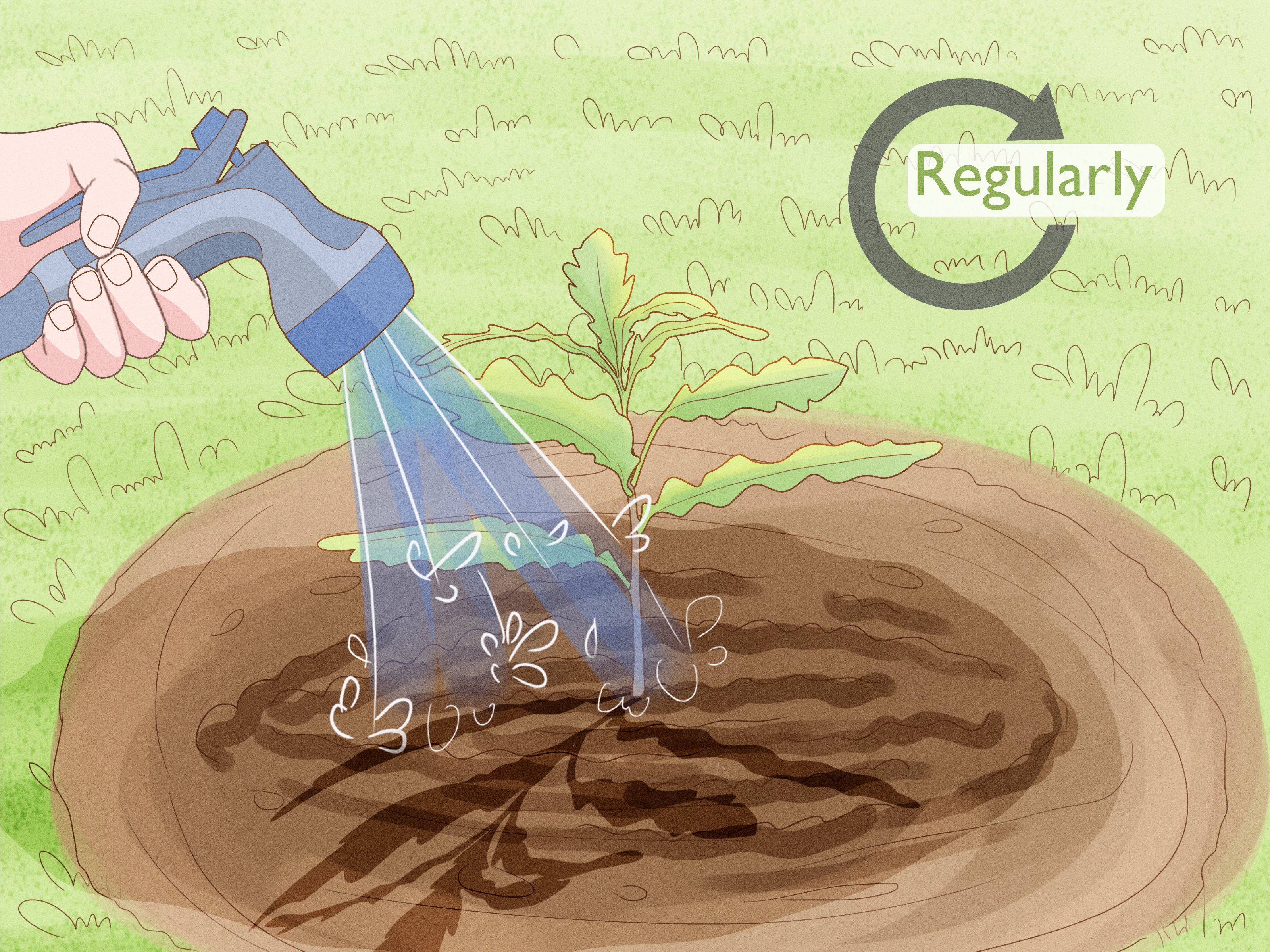
Water deeply after planting. Add two to three inches of mulch around the tree, but keep mulch away from the trunk. Mulch piled against bark can trap moisture and invite disease. The correct shape is a donut, not a volcano. Mulch volcanoes may look dramatic, but trees are not impressed.
Common Mistakes When Rooting Trees
Trying to Root a Large Broken Branch
Large branches rarely root successfully. Smaller cuttings from the right growth stage work much better. If a storm breaks a branch from a beloved tree, you may be able to salvage small twig cuttings, but do not expect a giant limb to become a tree.
Using Garden Soil as Rooting Medium
Regular garden soil may contain pests, diseases, weed seeds, and poor drainage. A sterile, airy propagation medium gives cuttings a cleaner start and better oxygen around the developing roots.
Letting Cuttings Dry Out
Fresh cuttings should be handled quickly. If you cannot stick them right away, place them in a plastic bag with a damp paper towel and keep them cool. Dry cuttings are much less likely to root.
Overwatering
Water is necessary, but oxygen is also necessary. Roots need air. When the medium stays waterlogged, cuttings may rot before they root. Moisture should be steady, not swampy.
Expecting Every Tree to Root the Same Way
Tree propagation is species-specific. Willow may root like it is late for an appointment. Oak may ignore your efforts completely. Research your target tree and choose the method with the best success rate.
Rooting Trees in Water: Good Idea or Bad Idea?
Some plants root easily in water, but many woody tree cuttings do better in a moist, airy medium. Water roots can be fragile and may struggle when moved into soil. If you are experimenting with willow or certain tropical trees, water rooting may work, but for most tree propagation, perlite, vermiculite, sand, or a sterile soilless mix is a better choice.
Should You Use Rooting Hormone?
For many woody cuttings, yes. Rooting hormone products commonly contain synthetic auxins, which encourage root initiation. They are especially useful for semi-hardwood and hardwood cuttings. However, more is not better. Use the correct strength, avoid contaminating the container, and follow all label directions.
Some easy-rooting trees may not need hormone. Willow and fig cuttings often root without much drama when conditions are right. But if you are working with a tree that is moderately difficult, rooting hormone can improve consistency.
How to Care for Newly Rooted Trees
Once your cutting has roots, the next challenge begins: keeping it alive long enough to become a sturdy young tree. Newly rooted trees need steady moisture, gentle light transitions, and protection from stress. Avoid fertilizing heavily at first. Too much fertilizer can push leafy growth before the roots are ready to support it.
After the tree begins active growth, you can feed lightly with a balanced fertilizer if needed. Focus more on root development than top growth. A compact, healthy root system is more valuable than a tall, weak stem racing upward like it has something to prove.
Specific Examples: Easy Tree Rooting Projects
How to Root Fig Tree Cuttings
Take dormant hardwood cuttings in winter, about pencil thickness, with several nodes. Make the bottom cut just below a node and the top cut above a node. Insert the cutting into a moist, well-drained potting mix with at least one or two nodes below the surface. Keep it warm, bright, and lightly moist. Figs are one of the most rewarding trees for beginners because they often root reliably.
How to Root Willow Cuttings
Take dormant willow stems and insert them into moist soil with several buds above the surface. Willows naturally root quickly, especially when soil moisture is consistent. Because some willows spread aggressively, plant them thoughtfully and away from septic systems, foundations, and underground pipes.
How to Root Crape Myrtle Cuttings
Take softwood cuttings in early summer from healthy new growth. Remove lower leaves, dip the base in rooting hormone, and insert the cutting into a sterile medium. Cover with a humidity dome or plastic bag and keep in bright, indirect light. Roots may form in several weeks if humidity and moisture are steady.
Extra Experience Section: Practical Lessons from Rooting Trees
One of the biggest lessons in rooting trees is that success often comes from small details rather than grand gardening heroics. A clean cut, a fresh cutting, the right amount of moisture, and a stable environment matter more than expensive equipment. Many beginners fail not because they lack talent, but because they treat all cuttings the same. A fig cutting in winter, a crape myrtle cutting in summer, and a maple branch found on the sidewalk are three very different situations.
In practical experience, the best results usually come from taking more cuttings than you think you need. If you want one new tree, start five or ten cuttings. Some may rot, some may dry out, and some may simply stare at you in silence for weeks before doing absolutely nothing. That is normal. Propagation is partly science and partly a numbers game. Professional growers also expect losses; they just make it look tidier.
Labeling is another underrated habit. At first, you may think, “Of course I will remember which pot has the fig and which pot has the mulberry.” Three weeks later, every pot contains a brown stick, and suddenly you are running a mystery nursery. Use waterproof labels with the tree name, date, and cutting type. This helps you learn what worked and when.
Moisture control is where many tree-rooting projects are won or lost. Cuttings need humidity around the top and oxygen around the base. That combination can feel tricky. If leaves wilt, humidity may be too low. If stems turn black and mushy, the medium may be too wet or poorly drained. A clear cover helps maintain humidity, but it should not turn the pot into a sealed swamp. Vent it occasionally and remove dead leaves right away.
Another useful experience is to resist constant checking. Pulling up cuttings to see whether roots have formed is one of the fastest ways to break the roots you were hoping for. Use patience and observation. New leaf growth can be encouraging, but it is not always proof of roots because cuttings may push buds using stored energy. A gentle tug after several weeks is safer than excavation.
When a cutting finally roots, do not celebrate by immediately planting it in the harshest corner of the yard. A rooted cutting is still a young plant with a small root system. Move it gradually into brighter light, protect it from wind, and keep watering consistent. The first season is about establishment. Big growth can come later.
Perhaps the most satisfying part of rooting trees is the story attached to each plant. A fig from a neighbor, a willow from a family property, or a crape myrtle from a favorite garden becomes more than a landscape feature. It becomes a living copy of a place, person, or memory. That is why tree propagation feels a little magical, even when your hands are covered in perlite and your “greenhouse” is a recycled plastic container. Rooting trees teaches patience, observation, and humilitythree qualities every gardener eventually develops, usually right after overwatering something.
Conclusion
Learning how to root trees is one of the most rewarding skills a gardener can build. The key is matching the propagation method to the tree species, choosing the right cutting at the right time, using clean tools, and creating a moist but well-drained environment. Some trees root easily from cuttings, while others require layering, grafting, or more advanced techniques. Start with forgiving trees like willow, fig, poplar, or crape myrtle, and treat each attempt as both a project and an experiment.
Not every cutting will become a tree, and that is perfectly fine. Each attempt teaches you something about timing, humidity, rooting media, and plant behavior. With practice, you will get better at spotting good cutting material, preventing rot, and caring for young rooted trees. And one day, when someone admires a tree in your yard, you can casually say, “Oh, I rooted that myself,” which is gardener-speak for “Yes, I am basically a plant wizard.”